






Tapestry Topped Stool
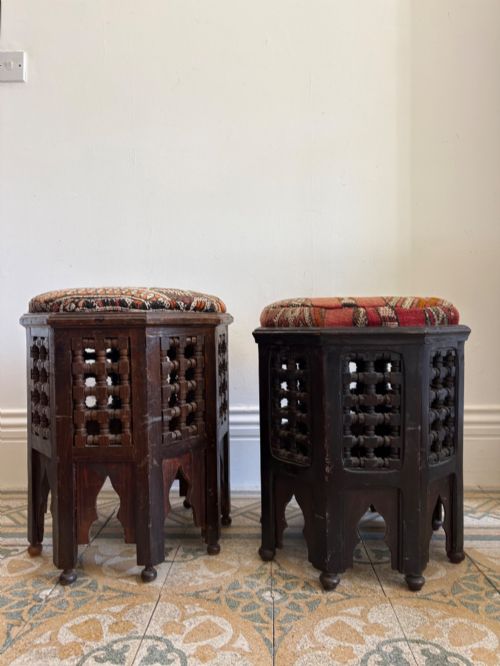
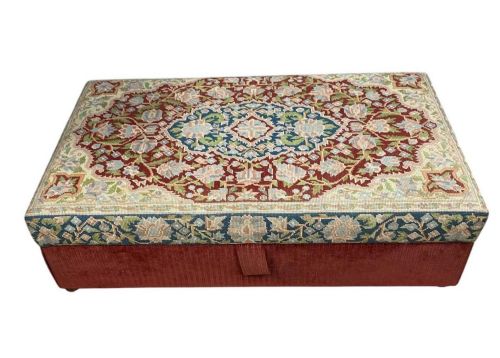
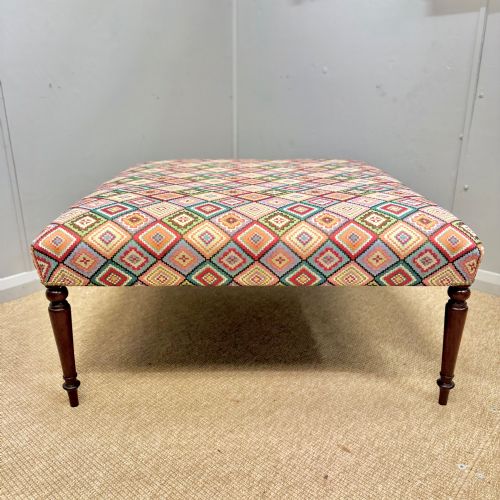
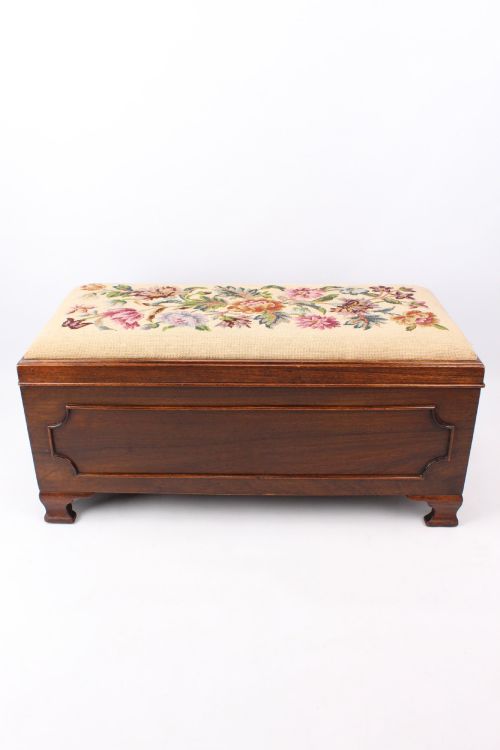
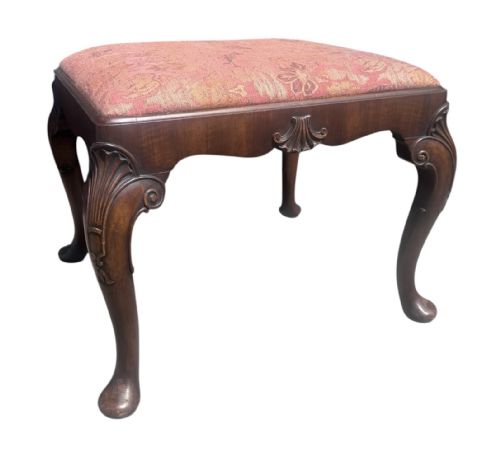
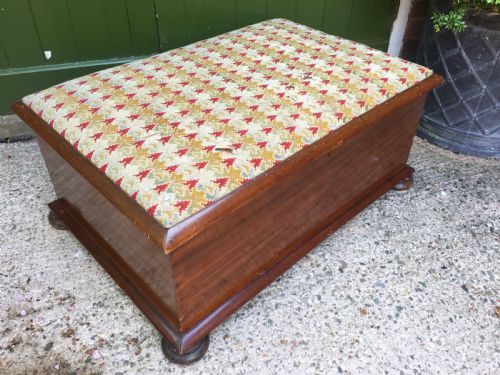
These tapestry topped stool examples combine sturdy timber frames with decorative needlework tops, offering practical seating and traditional character.
Tapestry Topped Stool
A tapestry topped stool provides a low seat or footrest upholstered with needlework, gros-point, or textile panels. Buyers searching for a tapestry topped stool often encounter Victorian and nineteenth-century pieces alongside revival designs.
The frames appear in woods such as mahogany, walnut, rosewood, oak, and ebonized timber, sometimes featuring painted or gilded finishes. Forms range from compact footstools and dressing table seats to larger ottomans and piano stools.
Originating predominantly from English country house and Scottish baronial contexts, these items span periods from the Regency era through to the early twentieth century. Common stylistic influences include Georgian, Chippendale, and Queen Anne revivals.
How they were made
Timbers like mahogany, walnut, and rosewood form the structural bases, shaped through traditional carpentry and carved detailing. Selected pieces incorporate gilded or painted treatments on the wooden framework.
Upholstery relies on durable textiles, including wool, velvet, and fabric, finished with detailed tapestry, needlepoint, or gros-point needlework tops. Brass elements occasionally appear as decorative or structural accents on the frames.
Tapestry Topped Stool Retail Price Guide 2026
Typical asking prices for tapestry topped stool among the pieces listed under this phrase on Sellingantiques today, from the lower quarter to the upper quarter. They describe what is for sale here now, not the wider market.
Listings feature woods such as mahogany, walnut, rosewood, and oak, alongside textile tops in wool, velvet, and gros-point needlework spanning the nineteenth and early twentieth centuries.
What varies in quality
The refinement of the timber carving and the stability of the joinery set the structural standard. Denser hardwoods and precise joinery distinguish more substantial frames from simpler utilitarian examples.
The density and intricacy of the needlework define the visual merit of the upper section. Original gros-point or detailed tapestry work demonstrates greater artisan skill than plain fabric upholstery.
The Tapestry Topped Stool Glossary
- Gros-point
- A type of needlepoint embroidery worked on coarse canvas with wool yarn. This technique creates durable, textured patterns frequently found on nineteenth-century seating.
- Ottoman
- A low, upholstered seat or footstool without a back or arms. These pieces often feature hinged tops or large proportions.
- Needlepoint
- Embroidery stitched onto a stiff canvas mesh to cover a surface completely. It provides a dense, decorative layer ideal for heavy-use furniture tops.
- Scottish Baronial
- An architectural and decorative style drawing on historic Scottish castles. Furniture from this tradition employs robust timbers and grand proportions.
- Ebonized
- Wood treated with a finish to resemble ebony. This process gives a dark, uniform appearance popular in Victorian design.
Tapestry Topped Stool: Frequently Asked Questions
What is a tapestry topped stool?
A tapestry topped stool is a low seating piece or footrest featuring a decorative needlework or textile upper surface. These items combine timber frames with stitched panels.
They serve as functional footstools, dressing table seats, or small occasional stools within traditional interiors.
How do I identify the period?
Dating relies on timber choices, stylistic revival motifs, and construction methods. Nineteenth-century examples often display Victorian or Georgian revival characteristics.
Examining the wood species and upholstery style helps clarify the approximate era of manufacture.
Where were they used?
These stools belonged in drawing rooms, dressing rooms, and parlours of large houses. They functioned as footrests before armchairs or as secondary seats.
Larger versions like ottomans provided flexible seating and resting space in principal reception rooms.
How do I care for the needlework?
Needlework tops require gentle cleaning and protection from direct sunlight to prevent textile fading. Regular light dusting keeps the yarn fibres intact.
Avoiding excessive moisture preserves both the fabric top and the underlying wooden frame.