



Tapered Leg Cabinet
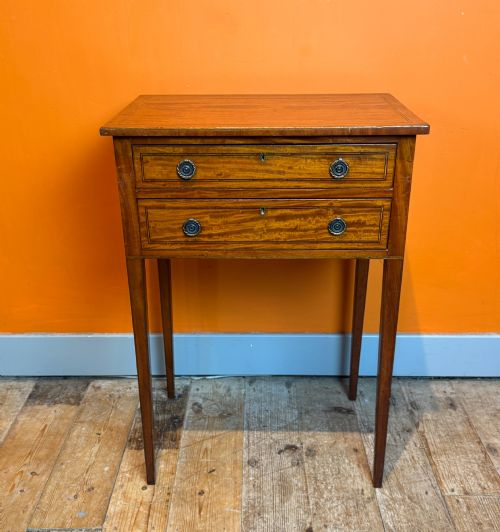
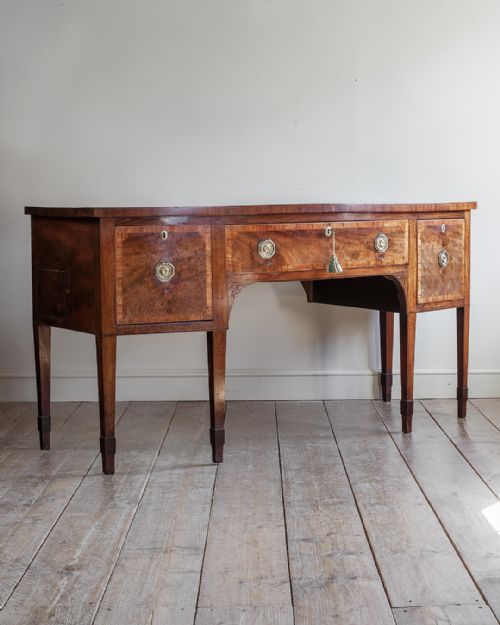
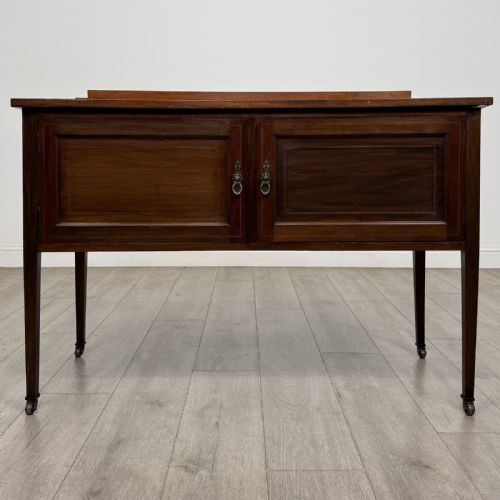
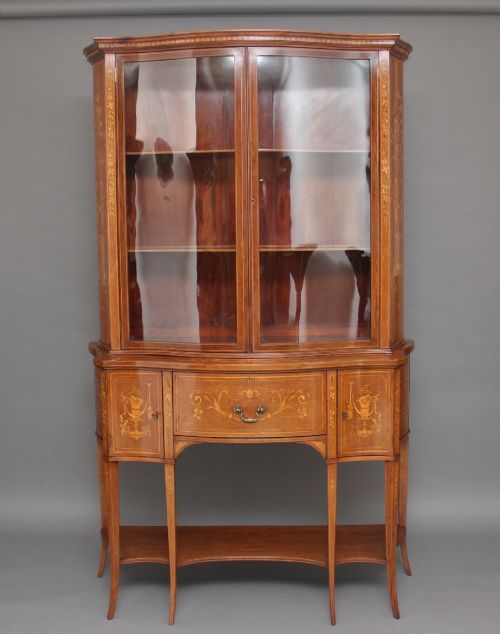
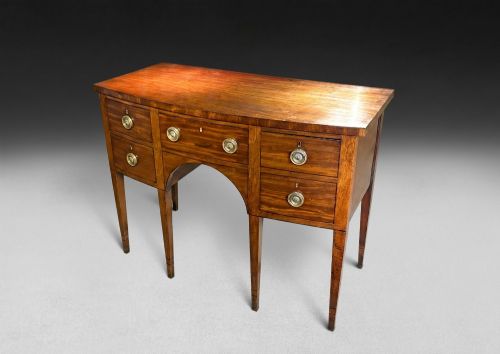
Tapered leg cabinet searches bring together refined sideboards, display units and compact tables shaped by Georgian, Edwardian and Art Deco hands.
Tapered Leg Cabinet
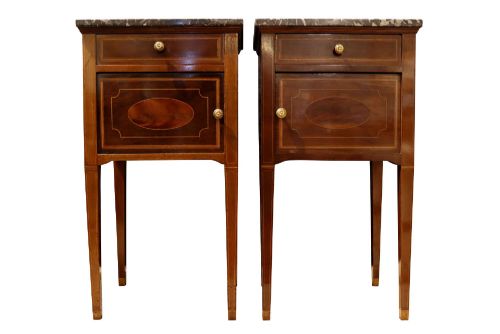
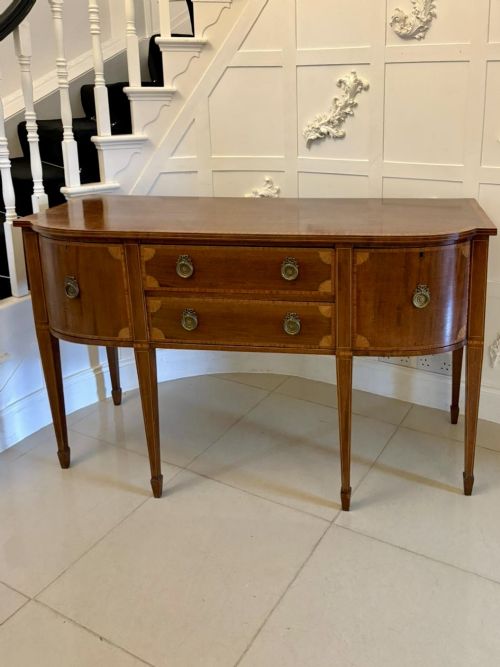
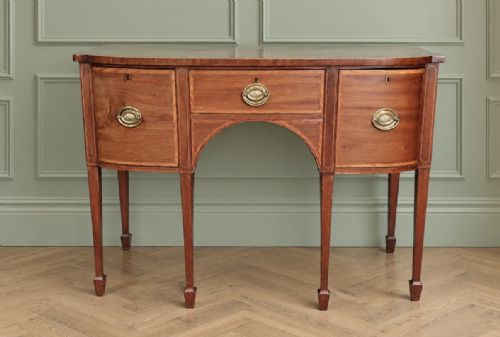
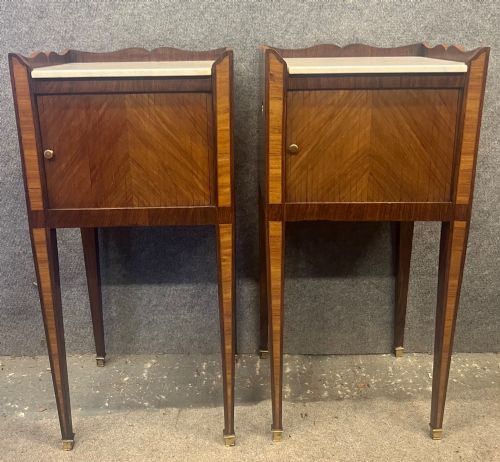
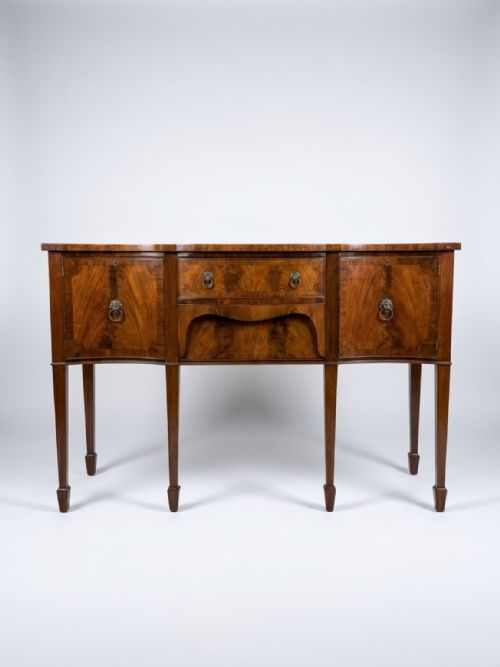
A tapered leg cabinet search reveals utilitarian and display forms stretching from the eighteenth century into the twentieth century, with sideboards, bedside cabinets and display pieces appearing most often. These pieces combine practical storage with slender, downward-narrowing supports that lighten the visual weight of timber furniture.
The pieces on this page span Georgian origins, Victorian revivals, Edwardian craftsmanship and Art Deco lines. Makers across these eras used the tapering upright to add elegance to side tables, writing desks and intimate bedside commodinos.
Mahogany and walnut form the backbone of these pieces, frequently enriched with satinwood, boxwood or marquetry details. Buyers encounter everything from large dining room sideboards to delicate bedside nightstands resting on those characteristic straight, tapering supports.
Materials and construction
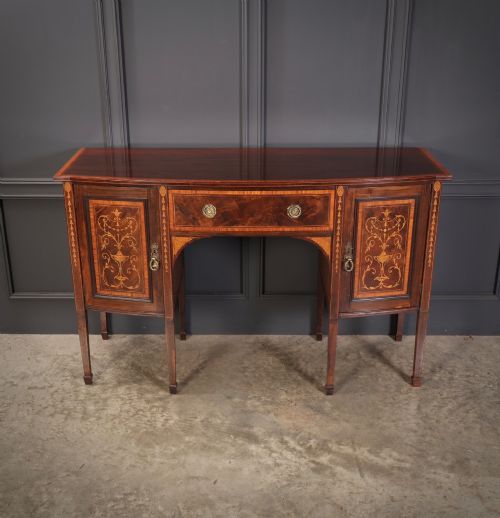
Craftsmen built these pieces primarily using solid timbers and veneers of mahogany and walnut, paired with secondary woods for internal framing. Satinwood and boxwood provided sharp contrasting stringing and crossbanding on drawer fronts and cabinet doors.
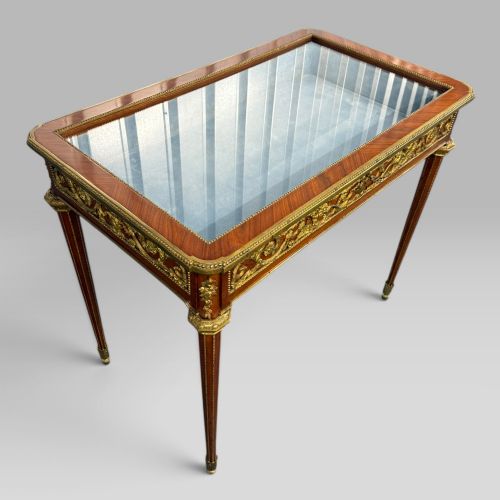
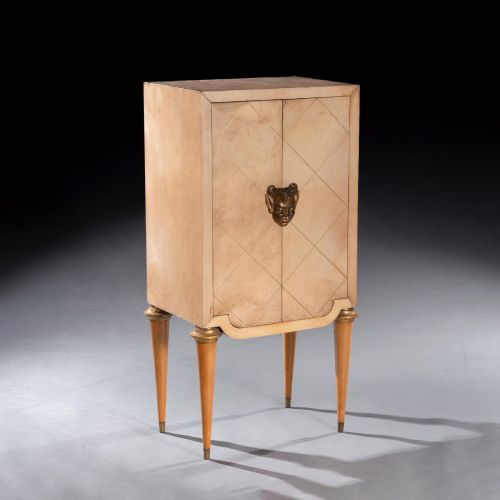
Marquetry and parchment inlays decorated finer surfaces, while brass handles, key escutcheons and occasional gallery details provided functional metalwork accents. Glass panels appeared on display cabinets and bijouterie tables, and marble topped select commodes and bedside tables.
Tapered Leg Cabinet Retail Price Guide 2026
Typical asking prices for tapered leg cabinet among the pieces listed under this phrase on Sellingantiques today, from the lower quarter to the upper quarter. They describe what is for sale here now, not the wider market.
The inventory includes sideboards, bedside cabinets, display units, writing desks and bijouterie tables.
Distinctions in craftsmanship
Quality rests in the crispness of the timber selection, such as figured mahogany or detailed marquetry, and the precision with which the legs taper down to the floor. Finer examples display meticulous crossbanding and harmonious proportions that elevate utilitarian furniture into high decorative art.
The integrity of the structural joinery and the survival of original brass hardware and glass mark the difference between standard production and exceptional workshop output. Pieces attributed to specific periods like George III or executed in dedicated revival styles show superior attention to interior secondary woods and subtle inlay work.
François Linke·Maurice Jallot
The Tapered Leg Cabinet Glossary
- Crossbanding
- A narrow strip of veneer applied to the border of a surface with the grain running perpendicular to the centre. This technique frames drawer fronts and tabletops with a contrasting timber border.
- Marquetry
- A decorative technique of applying thin veneers of different woods, metals or shells into a single panel to form pictorial or geometric designs. It appears frequently on neoclassical and revival cabinet doors.
- Cellaret
- A lockable container designed for holding bottles of wine or spirits, often fitted beneath a sideboard or standing on its own legs. These pieces feature internal dividers to protect glass bottles.
- Tambour
- A flexible shutter formed of narrow strips of wood glued to canvas or leather backing, allowing a door to slide around a curved corner. This mechanism closes small compartments on nightstands and desks.
- Satinwood
- A pale, lustrous hardwood sourced from tropical trees, used extensively for contrasting inlays and stringing. Its golden yellow hue brightened mahogany surfaces during the Sheraton revival.
Tapered Leg Cabinet: Frequently Asked Questions
What is a tapered leg cabinet?
A tapered leg cabinet is a storage piece, sideboard or small table featuring legs that narrow gradually toward the foot. These supports lighten the overall silhouette of timber furniture.
Such designs appear across Georgian, Edwardian and Art Deco eras in forms ranging from grand dining room sideboards to compact bedside nightstands.
How do I style a tapered leg cabinet?
These pieces suit both traditional dining spaces and contemporary living rooms because their slender supports prevent them from dominating a floor plan. Place a small display cabinet or lamp table against an open wall to showcase decorative objects.
Pair a mahogany sideboard with neutral walls to highlight the grain of the wood and any contrasting satinwood inlay work.
How do I identify a Georgian cabinet?
Georgian pieces rely on solid mahogany, precise proportions and restrained use of stringing or brass hardware. Their structural joinery uses traditional dovetailing on drawer construction.
Later Edwardian and Sheraton revival pieces often copy these forms but employ brighter satinwood crossbanding and lighter interior secondary woods.
Where were bedside cabinets used?
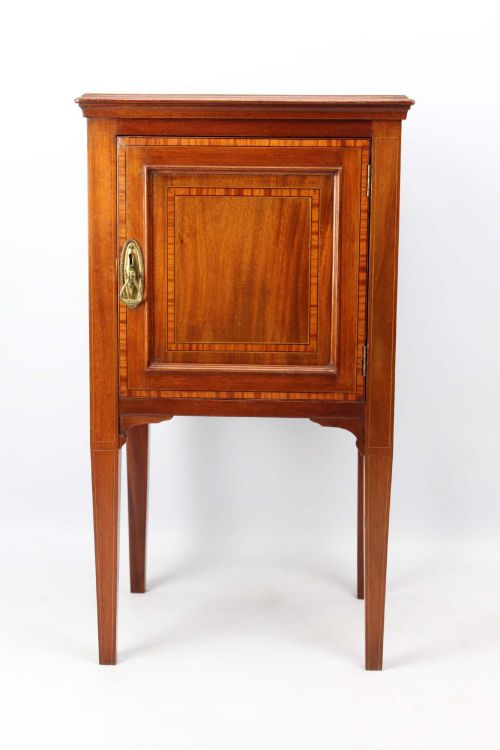
Bedside cabinets served as private nightstands for holding chamber pots, reading material or personal items within bedrooms. Eighteenth and nineteenth-century examples often featured enclosed cupboards or small drawers.
Later twentieth-century versions streamlined these forms into open lamp tables or compact bedside chests with tambour doors.