
Taper Candlestick Holder
When you search for taper candlestick holder, you enter a field defined by centuries of metalwork, porcelain, and changing domestic light.
Taper Candlestick Holder
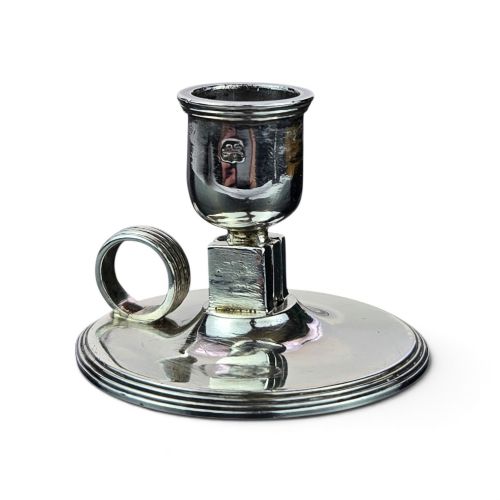
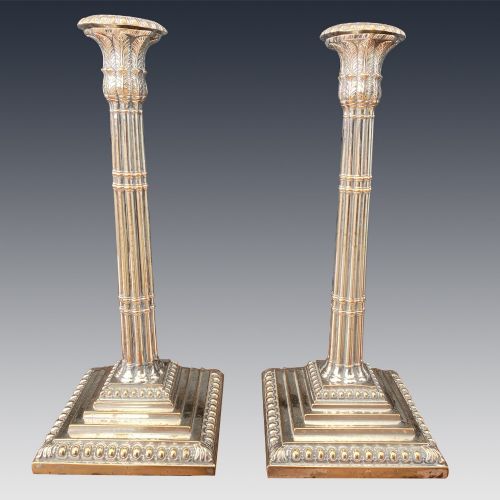
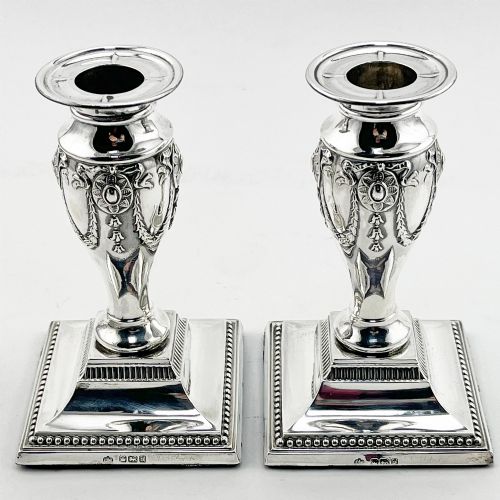
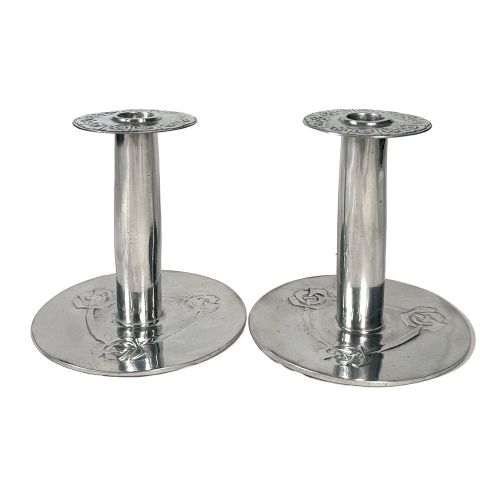
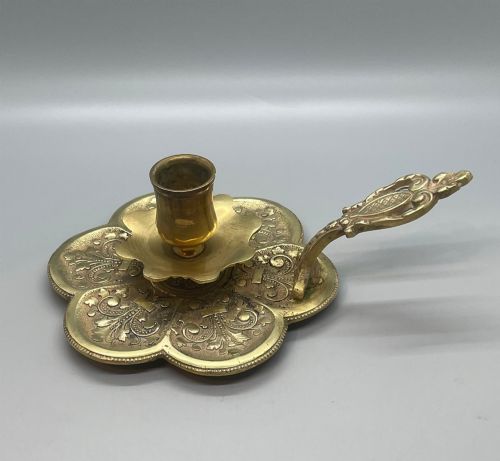
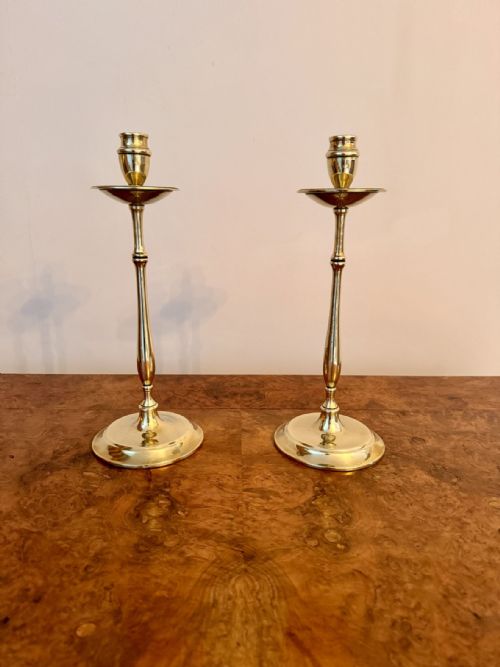
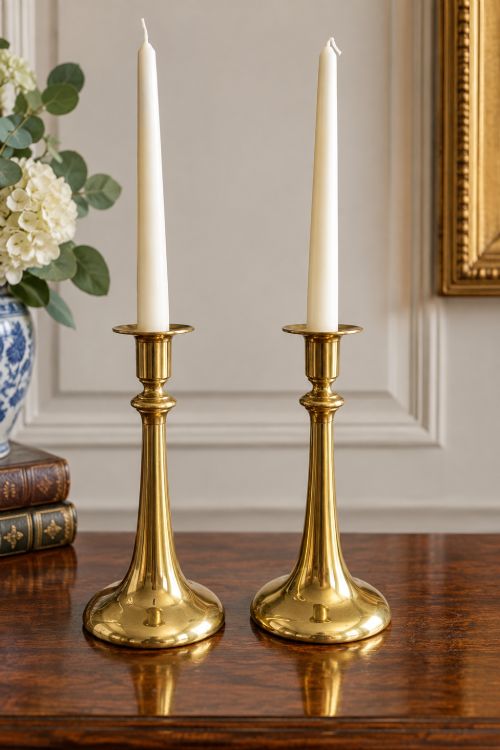
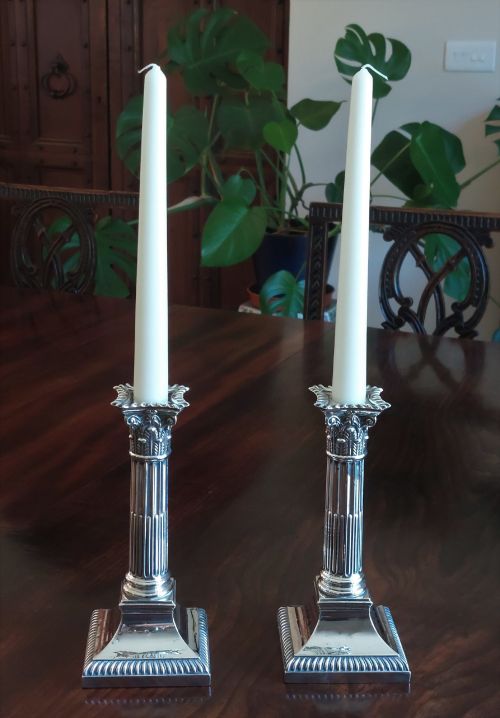
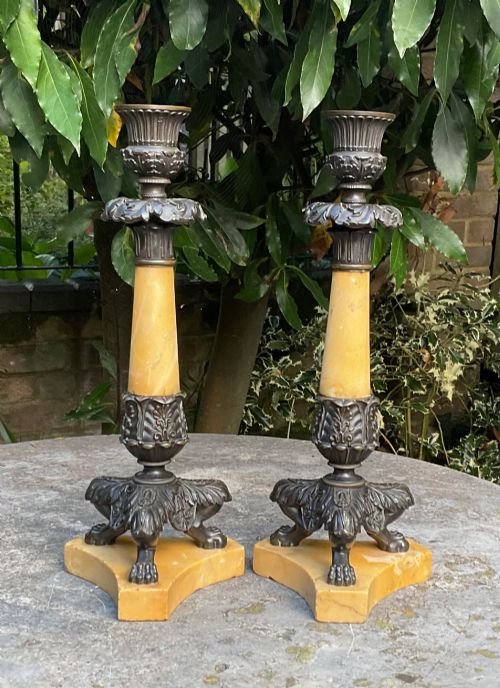
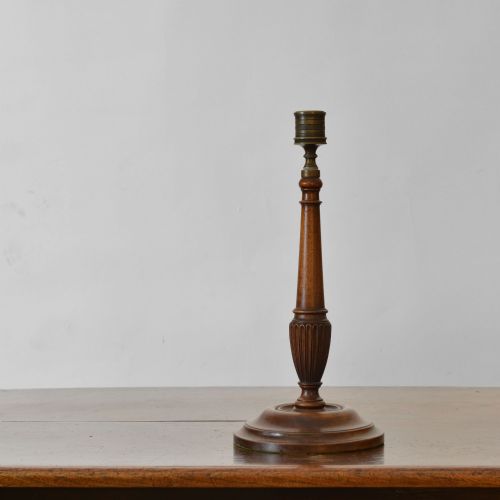
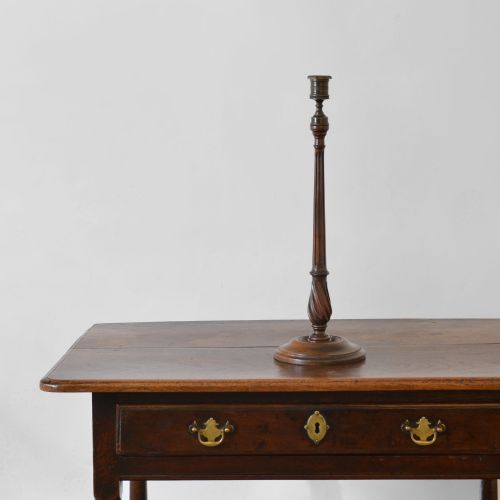
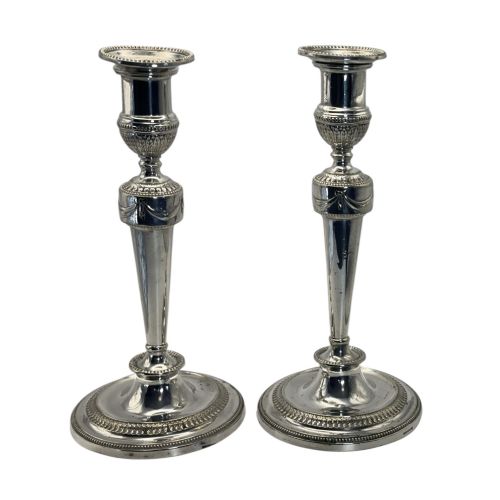
A taper candlestick holder supports small wax candles designed for lighting fires, sealing letters, or carrying through a house. The examples found here span the eighteenth, nineteenth, and early twentieth centuries, moving from heavy Georgian brass and mahogany to ornate Victorian silver plate and Art Deco bronze.
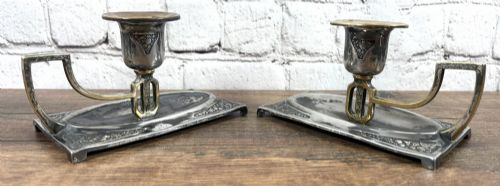
Many items appear in matched pairs, originating from dining tables, mantlepieces, and writing desks across England, France, and Austria. Buyers encounter both utilitarian chambersticks fitted with handle rings and decorative neoclassical columns intended for formal reception rooms.
Materials and Construction
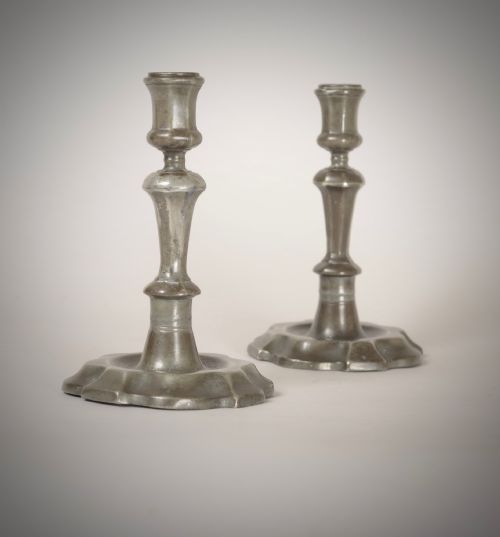
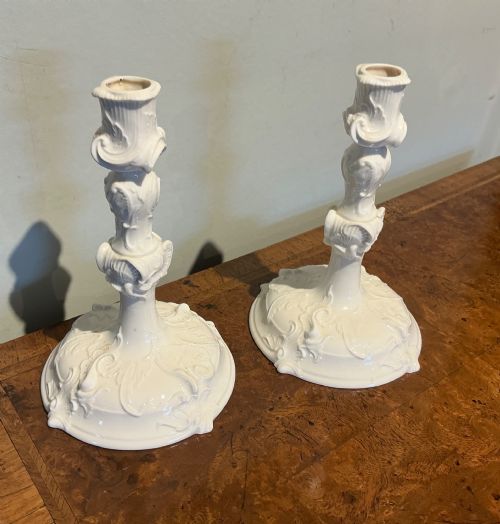
Makers utilised cast and spun brass, sterling silver, silver plate, pewter, and bronze alongside porcelain bodies from factories such as Nymphenburg and Worcester. Brass examples from the eighteenth century often reveal seamed construction where components were shaped and soldered together, while later pieces employ mass-production casting.
Silver and plated items rely on sheet metal manipulation, heavy chasing, and weighted bases filled with resin or wood to ensure stability. Porcelain candlesticks combine moulded clay forms with hand-painted foliage and intricate glazing techniques typical of the Regency and Victorian eras.
Listings feature materials spanning bronze, pewter, porcelain, and sterling silver across eighteenth and nineteenth-century periods.
Assessing Craftsmanship
Quality rests in the crispness of the casting detail, the weight of the metal, and the retention of original surface patination. Superior brass and bronze pieces show sharp edges on petal bases and Corinthian fluting without smoothing from excessive modern cleaning.
Silver and plated items depend on the integrity of the plating over the base metal and clear hallmarks that verify the maker and assay office. Porcelain variations appear in the precision of the mould and the vibrancy of hand-applied enamel decoration.
Geoffrey Bellam·Mappin & Webb·Nymphenburg·Garrard & Co·Masons·Ridgway·Barr, Flight & Barr·WMF·John Lias
The Taper Candlestick Holder Glossary
- Chamberstick
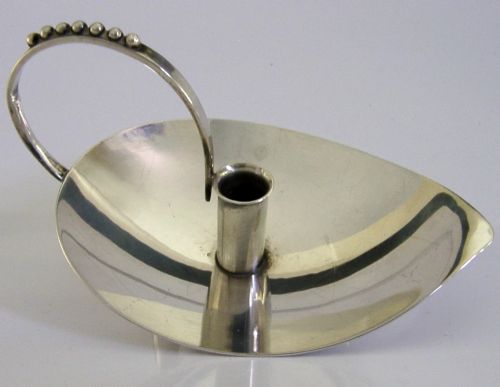
- A low candlestick fitted with a saucer base and a small side handle for carrying through a bedchamber. These often include a small conical snuffer resting in the tray.
- Ejector
- A concealed internal mechanism within a brass candlestick that pushes out the remaining candle stump. This device utilises a thumb-slide operating in a vertical slot along the stem.
- Petal Base
- A candlestick foot shaped like overlapping flower petals, commonly found on Georgian brass examples. This weighted form provides a wider stance for stability.
- Old Sheffield Plate
- A composite material created by fusing a thin sheet of silver to a thicker copper base before rolling. This technique predates modern electroplating and leaves a characteristic edge where copper shows through.
- Taper Stand
- A small holder specifically designed for burning thin wax tapers rather than thick household candles. These served primarily for lighting pipes, cigars, and sealing wax.
Taper Candlestick Holder: Frequently Asked Questions
What is the difference between a chamberstick and a standard candlestick?
A chamberstick incorporates a wide saucer base and a loop handle designed to catch melting wax while walking through a dark home. Standard candlesticks lack this handle and sit permanently on furniture.
Chambersticks often include accessories like snuffers tucked into the tray, whereas standard holders rely on a flat or pedestal base for stationary display on dining tables and mantlepieces.
How do I know if silver candlesticks are solid or plated?
Solid silver items carry clear hallmarks indicating the town, maker, and silver standard, whereas plated items bear stamps denoting silver plate or maker marks without standard assay office symbols.
Solid pieces usually feel heavier and reveal subtle wear through the silver to the same metal beneath, while plated items eventually expose a yellowish or reddish base metal like copper or brass.
Were these holders used for regular candles?
Most taper holders were sized for thin wax tapers used in sealing documents or lighting hearths rather than heavy illumination. Standard candlesticks accommodated thicker tallow or beeswax candles required for room lighting.
Buyers should check the socket diameter when purchasing replacement candles, as older European and English sockets rarely match modern standard tapers precisely.
How should I clean antique brass and silver safely?
Antique brass requires gentle washing with warm soapy water and a soft cloth to preserve the dark patination accumulated over centuries. Abrasive polishes strip away the aged surface and reduce value.
Silver pieces benefit from specialised silver dips or non-abrasive creams applied sparingly, taking care to avoid rubbing off thin plate on nineteenth-century items.