



Tansu Storage Chest
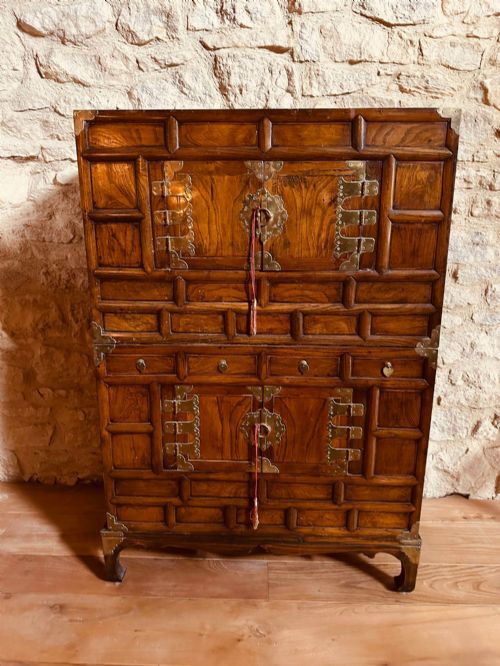
These tansu storage chest pieces are robust Japanese forms built for daily utility, offering buyers both sculptural presence and genuine historical storage.
Tansu Storage Chest
A tansu storage chest brings traditional Japanese craftsmanship into modern interiors through forms built for specific domestic duties. You will frequently encounter nineteenth-century pieces, alongside occasional examples from the Taisho period around nineteen-ten to nineteen-twenty.
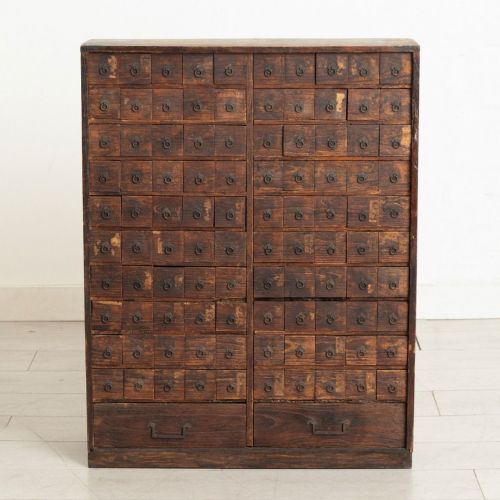
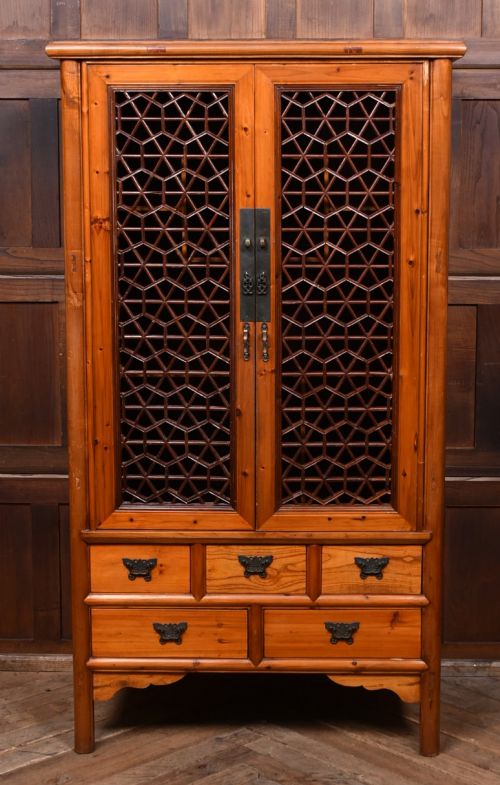
The selections span distinct functional types ranging from kitchen larder cupboards and apothecary banks of drawers to wheeled kuruma-dansu and step chests known as kaidan tansu. Many serve as general tansu cabinets or specialised merchant and ship chests designed for secure containment.
These items originate from Japanese traditions where woodwork met utilitarian demands with remarkable structural integrity. Each variation reflects the specific storage needs of households, merchants, and travellers across successive historical eras.
Materials and construction methods
Makers utilised a variety of native timbers including cedar, pine, elm, cypress, kiri wood, and zelkova wood to construct these pieces. Selection depended on the intended function, balancing weight, durability, and grain appearance.
Iron fittings reinforce corners, edges, and drawers, providing both structural stability and visual contrast against the timber surfaces. Red lacquer also appears on select items, adding a protective and decorative finish to the exterior.
Joinery techniques prioritize resilience without relying on modern fasteners, allowing the wood to adapt to changing seasonal humidity. The integration of substantial metal hardware ensures the chests endure heavy use.
Tansu Storage Chest Retail Price Guide 2026
Typical asking prices for tansu storage chest among the pieces listed under this phrase on Sellingantiques today, from the lower quarter to the upper quarter. They describe what is for sale here now, not the wider market.
Some chests rolled away from trouble on little wooden wheels when Edo period merchants needed to flee a fire.
Evaluating craftsmanship and condition
The quality of a tansu storage chest rests upon the selection of timber and the precision of its joinery. Superior examples display tight, stable joints and timber with rich, natural grain characteristics.
The complexity and execution of the iron hardware also distinguish finer items. Hand-forged hinges, corner brackets, and lock plates show an attention to detail that elevates the piece beyond standard utility.
Overall proportions and the preservation of original finishes, whether plain wood or red lacquer, dictate the character of the piece. The harmony between timber selection and metalwork remains the primary indicator of skilled construction.
The Tansu Storage Chest Glossary
- Tansu
- Traditional Japanese mobile storage chests built primarily for domestic or commercial utility. They evolved into specialised forms for clothing, kitchen goods, and documents.
- Kuruma-Dansu
- A wheeled merchant chest designed for rapid evacuation of valuables during fires. The wheels set beneath a heavy timber body allow movement.
- Kaidan Tansu
- A step chest constructed in a staircase configuration to access loft spaces while housing drawers and compartments within the steps. These save floor space in compact dwellings.
- Mizuya
- A Japanese kitchen tansu used for storing food, utensils, and dishware. They often feature sliding doors and slatted ventilation panels.
- Keyaki
- Zelkova wood, a dense and durable timber prized for its prominent grain pattern. It frequently forms the drawer fronts and primary structures of higher-status pieces.
- Kiri
- Paulownia wood, valued for its lightweight nature and resistance to fire and moisture. It provides safe interior storage for textiles and paper documents.
Tansu Storage Chest: Frequently Asked Questions
What is a tansu storage chest?
A tansu storage chest is a traditional Japanese wooden cabinet built for household storage, transport, or commercial use.
These pieces feature robust timber construction combined with prominent iron hardware and varied internal drawer configurations.
How were tansu chests used originally?
They served multiple domestic and commercial roles ranging from kitchen pantries to merchant safes and apothecary filing cabinets.
Some designs, such as ship chests and wheeled chests, were specifically engineered for secure transport during travel or emergencies.
How do I live with a tansu chest?
These chests function well as focal storage units in living spaces, hallways, or bedrooms, offering deep drawers and surface display area.
Their substantial timber presence complements both minimalist and eclectic interior schemes while providing practical organisation.
How do I identify different tansu periods?
Nineteenth-century examples display traditional hand-forged ironwork and dense native woods like cedar, elm, or zelkova.
Pieces from the Taisho period around nineteen-ten to nineteen-twenty often show subtle shifts in hardware style and lighter construction methods.