
Tallcase Standing Clock
A tallcase standing clock brings mechanical timekeeping and architectural presence into a room, spanning centuries of cabinetmaking and horological skill.

Tallcase Standing Clock
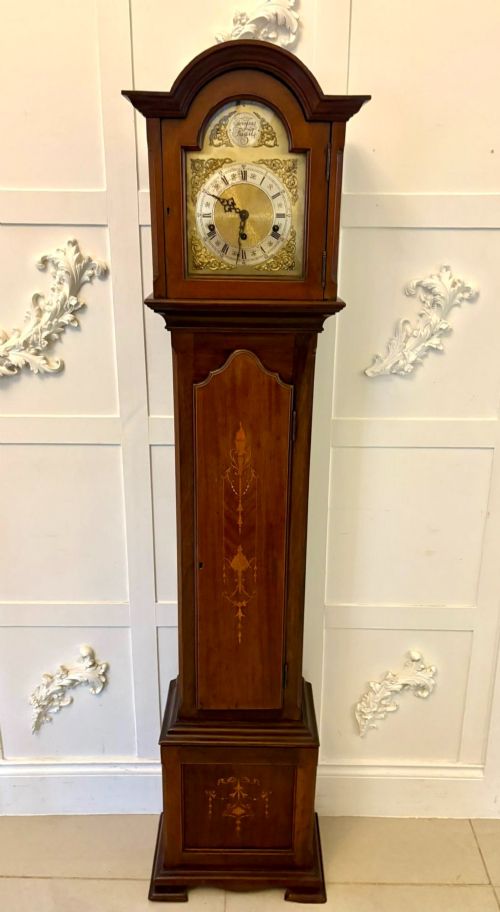
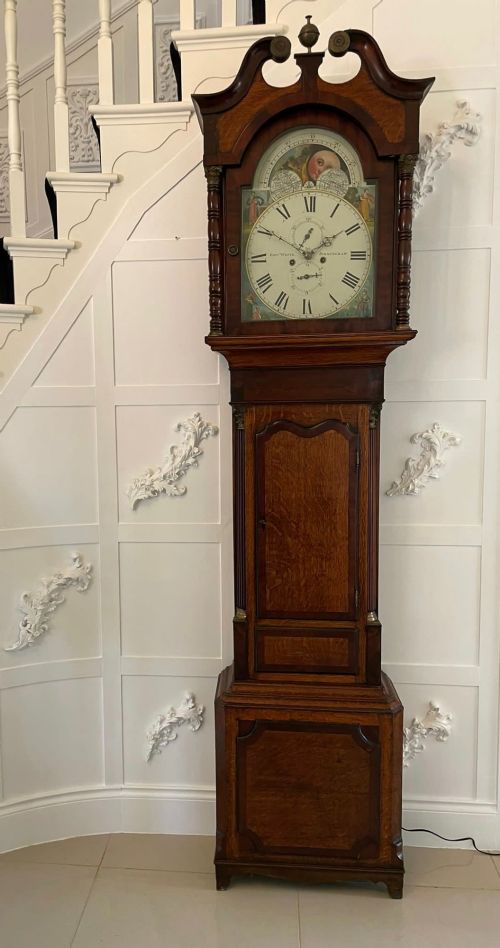
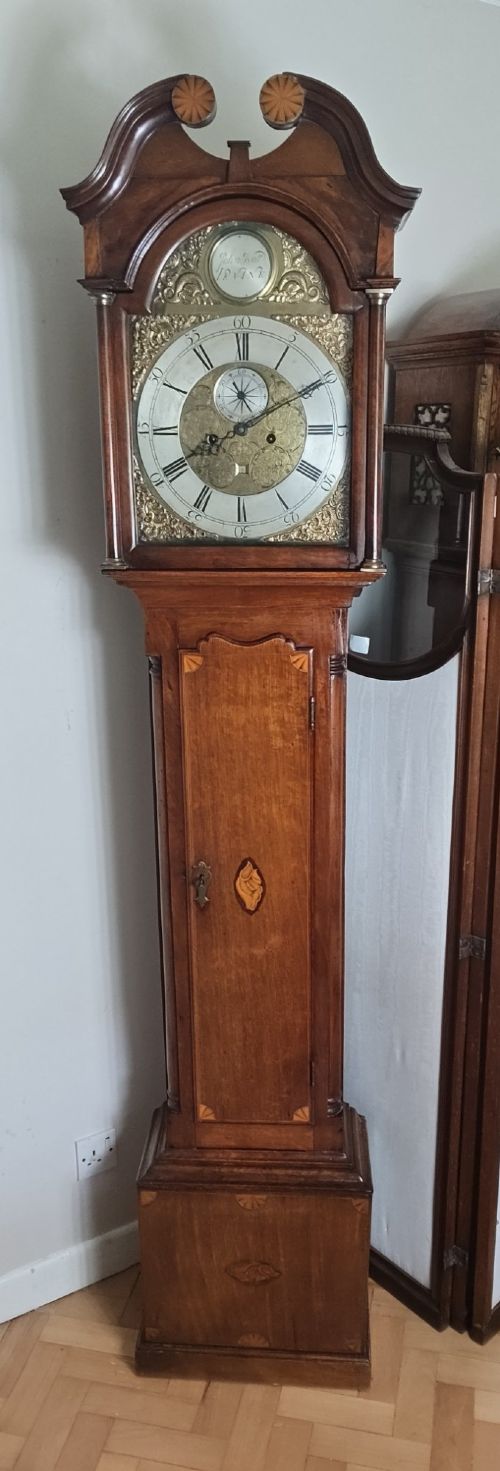
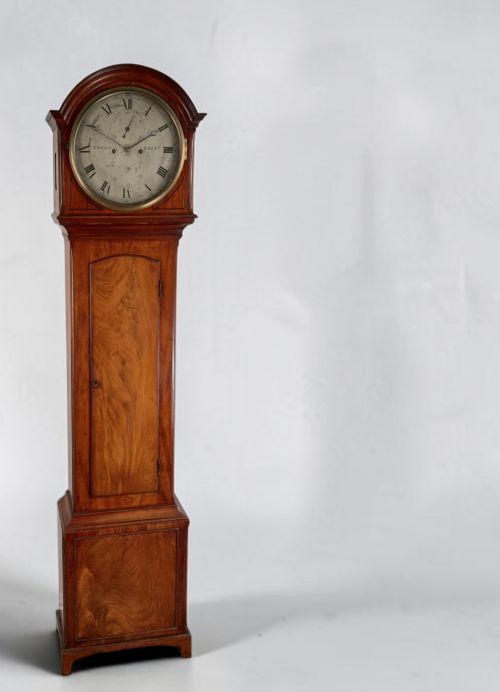
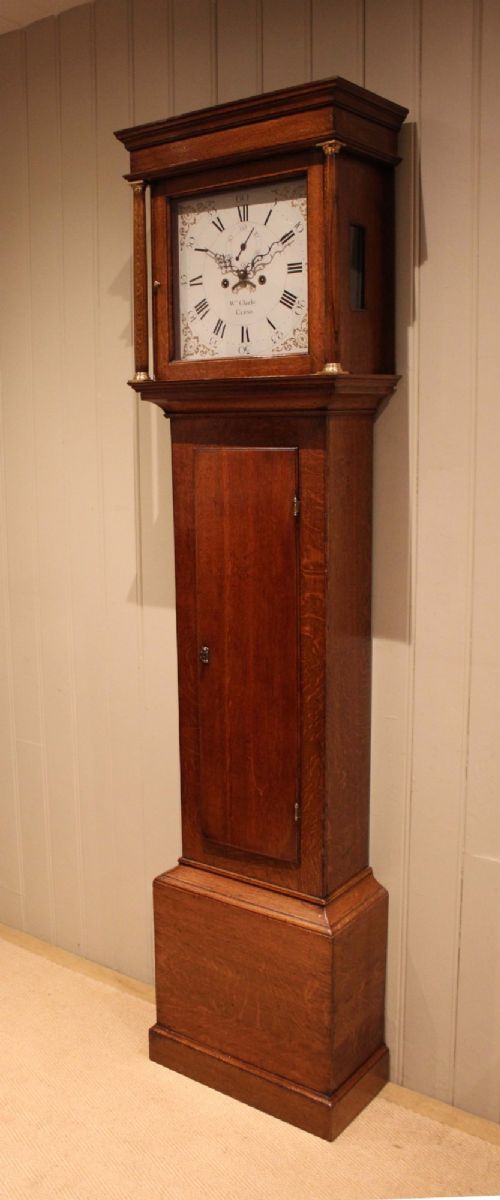
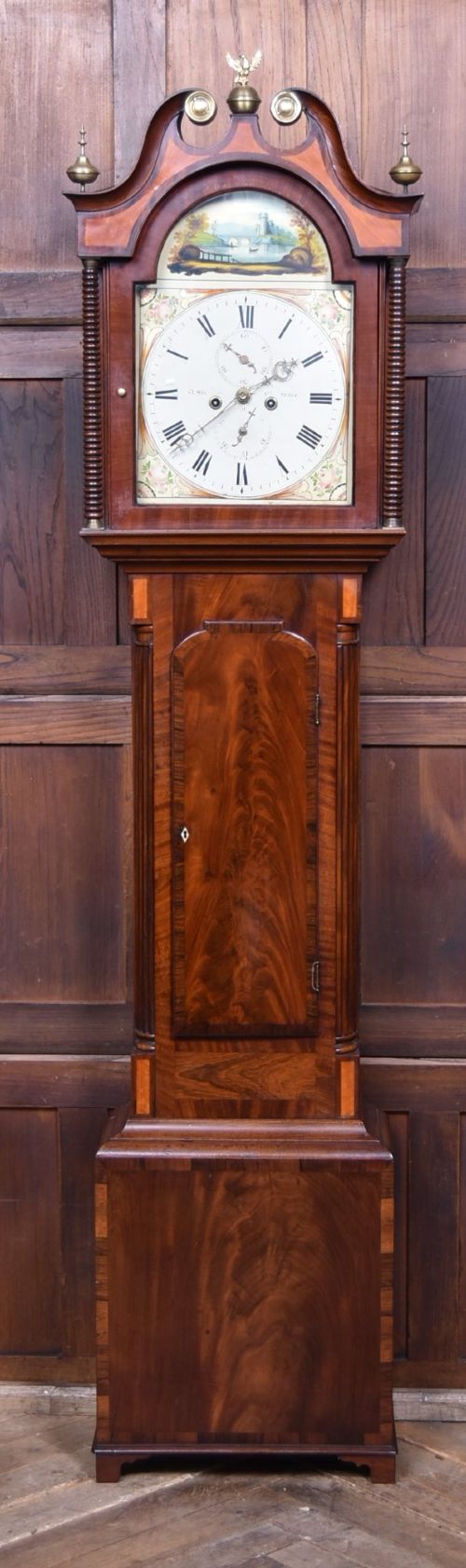
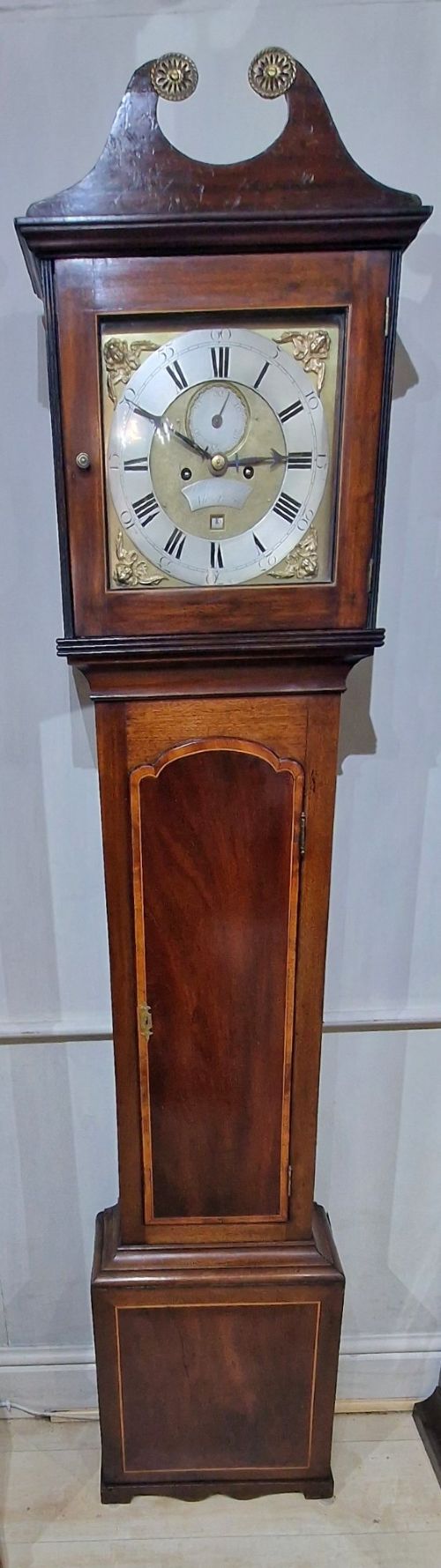
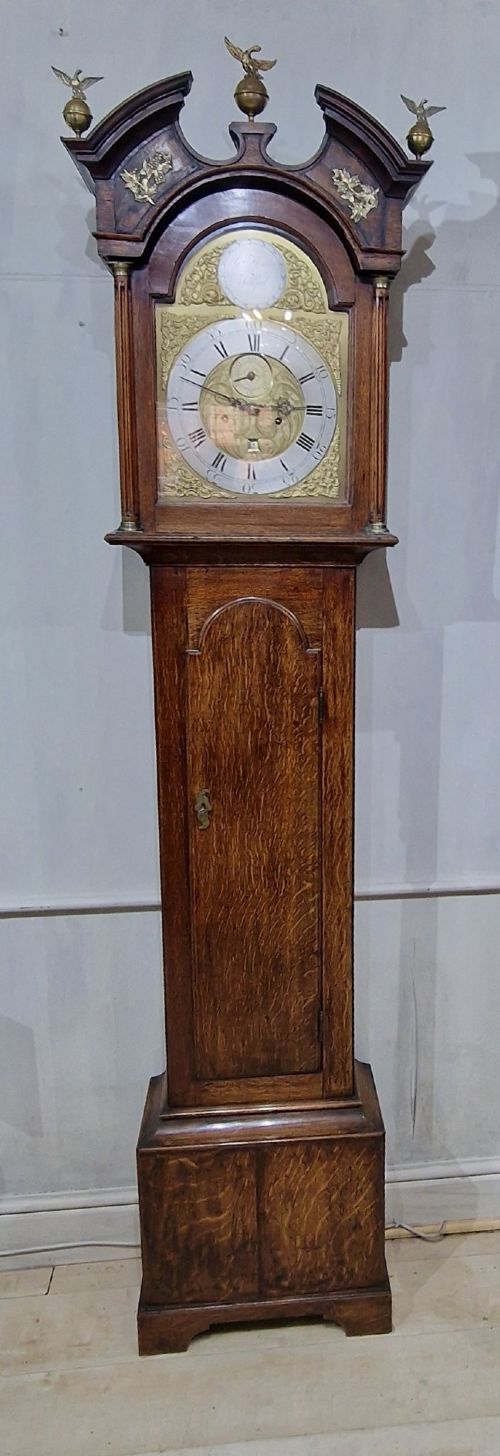
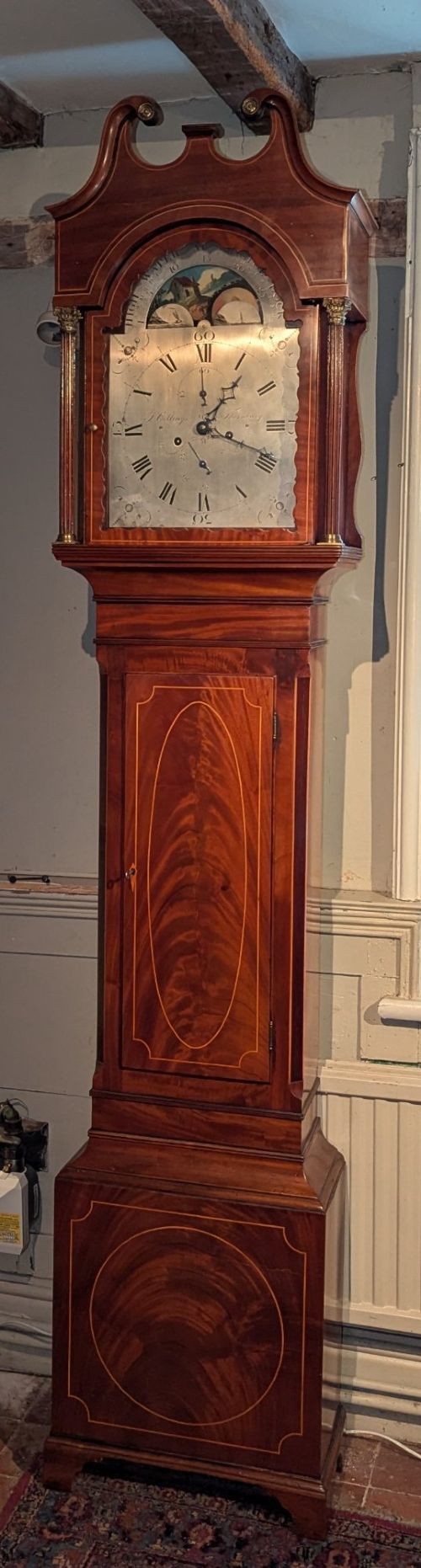
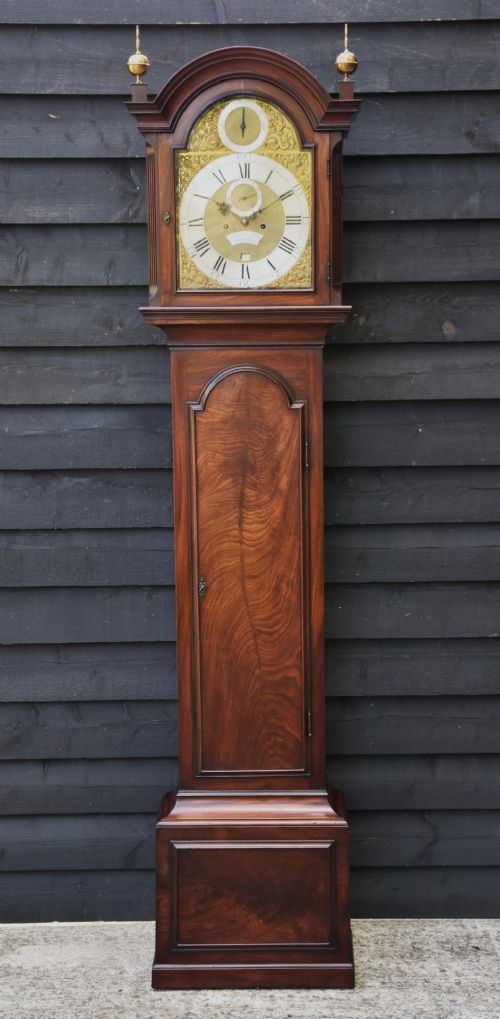
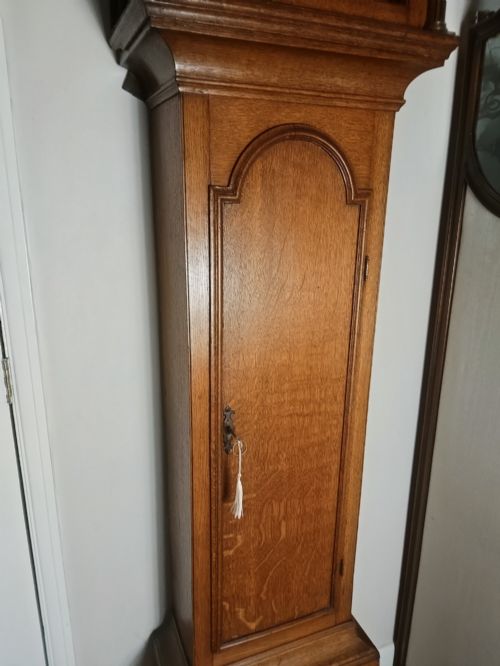
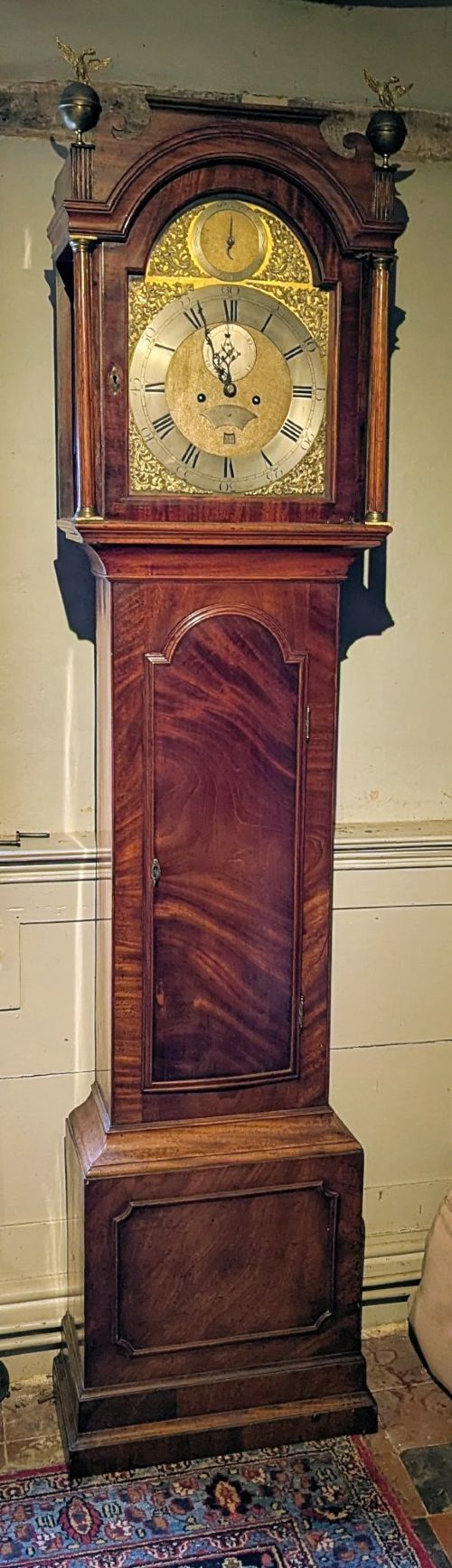
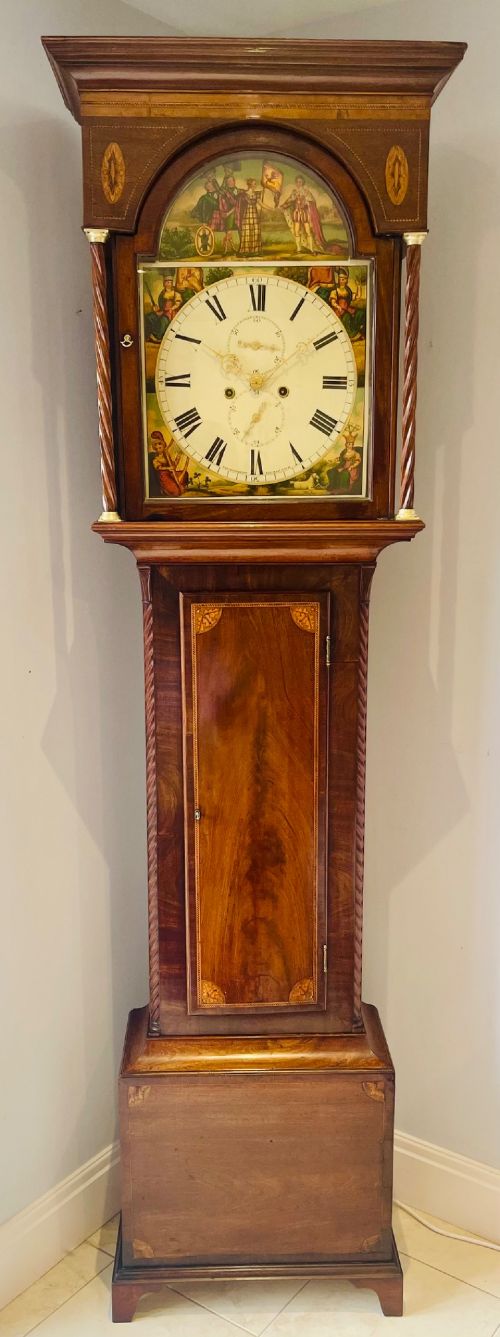
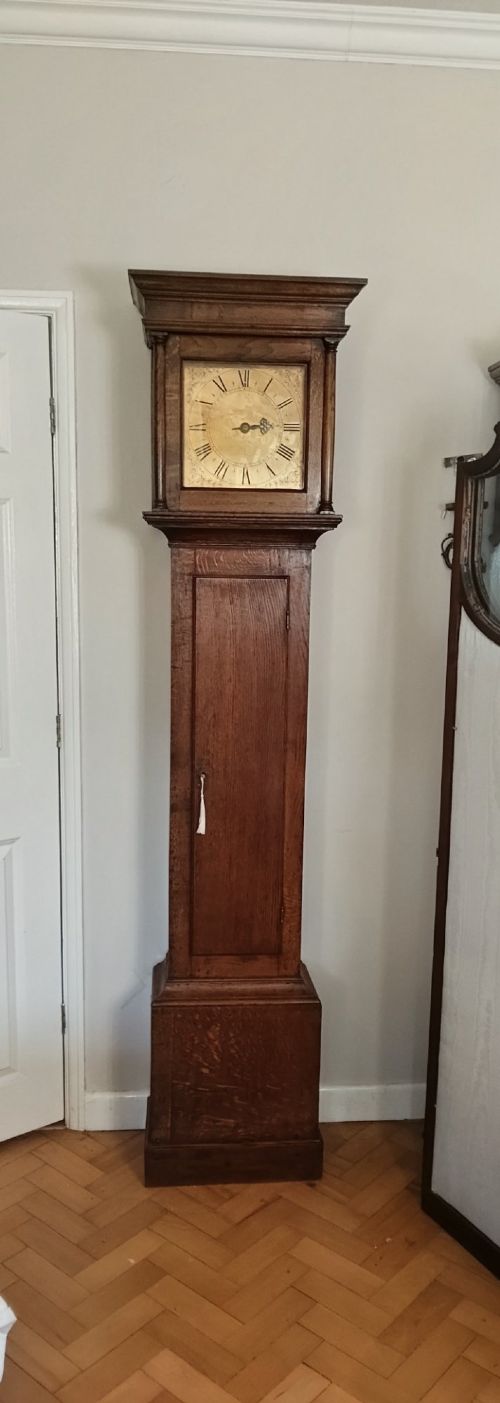
A tallcase standing clock, commonly known as a longcase or grandfather clock, combines a tall wooden case with a weight-driven pendulum movement and a prominent dial face. These horological pieces function as both timekeepers and major items of interior furniture, designed to stand directly on the floor. Buyers encounter examples ranging from early Georgian origin through the Victorian era up to later twentieth-century interpretations.
The pieces listed here appear in various proportions, from full-sized floor models down to smaller grandmother and granddaughter variants. Construction materials span native timbers like oak alongside imported cabinet woods such as mahogany and burr walnut. Regional variations in regional workshops across Scotland, England, and Wales add distinct character to the dial layouts and hood designs.
How They Were Made
Cabinetmakers constructed the tall wooden trunks using solid and veneered boards of oak, mahogany, and walnut, frequently incorporating figured grains like flame mahogany or burr walnut for visual depth. Glass protected the dial face within the hood, while brass and painted iron formed the chapter rings, spandrels, and dial plates.
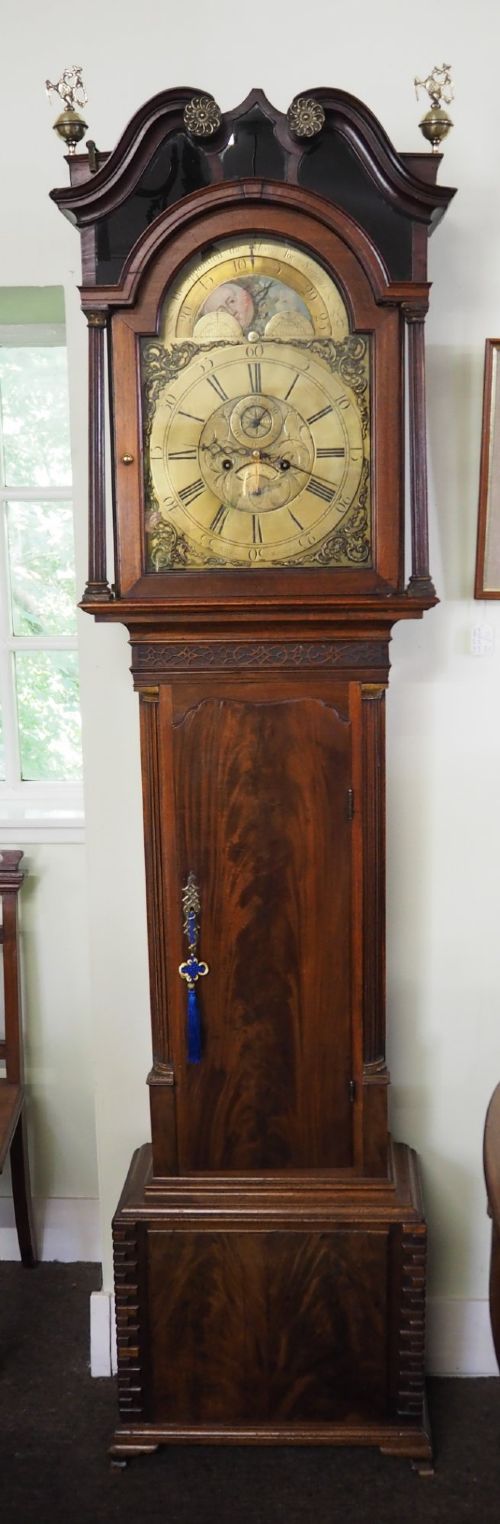
Clockmakers fitted brass or steel gear trains driven by hanging weights, controlling the escapement via a swinging pendulum. Movements ranged from standard time-and-strike configurations to complex mechanisms featuring moon dials, musical chime barrels, and quarter-chiming bells.
Some models include a silent lever so owners could sleep peacefully without the hourly chime.
What Varies in Quality
Quality rests significantly on the harmony between the cabinetwork and the mechanical movement housed inside. Superior examples display crisp architectural moulding, well-figured timber veneers, and finely engraved or painted dial details executed by skilled regional hands.
The sophistication of the internal movement further separates the tiers, moving from simple thirty-hour striking trains up to eight-day movements with moon phases, strike-silent options, or multiple bells.
Green of Edinburgh·D. Straiton, Montrose·James Hendrie, Falkirk·Winsor Bishop Norwich·Benjamin Taylor·Windmills and Wightman·Edward Shepley of Manchester·Henry Weedon London
The Tallcase Standing Clock Glossary
- Tallcase standing clock
- A weight-driven pendulum clock housed in a tall wooden floor case, also referred to as a longcase or grandfather clock.
- Moon dial
- A specialised clock face mechanism that tracks the phases of the lunar cycle through a rotating painted disc. This feature required careful gearing by the clockmaker.
- Grandmother clock
- A smaller, more slender version of the traditional tallcase clock, usually produced in the early twentieth century. These pieces suit modern domestic spaces with lower ceiling heights.
- Strike silent
- A mechanical mechanism allowing the clock's striking train to be manually disengaged so it remains quiet during the night. It demonstrates a higher level of horological refinement.
- Paterae
- Small circular decorative motifs carved or inlaid into furniture surfaces, frequently seen on late eighteenth-century and nineteenth-century clock hoods and trunks.
Tallcase Standing Clock: Frequently Asked Questions
How do I wind a tallcase standing clock?
Winding involves using a specialised crank key to draw up the hanging weights inside the trunk. Care must be taken not to over-wind the mechanism.
Most eight-day movements require winding once a week, while thirty-hour models need attention daily.
Where should I place a tallcase clock?
These clocks require a stable, dry environment away from direct sunlight and strong drafts to protect the wooden case and delicate internal steel components. Placing them against a solid interior wall ensures the pendulum swings evenly.
Floor stability is essential, as uneven boards can cause the pendulum to catch and stop the movement.
What is the difference between a grandfather and grandmother clock?
Grandfather clocks are the standard full-sized floor models, typically standing well over six feet tall with large weights and long pendulums. Grandmother clocks are scaled-down versions produced later, offering a more compact footprint.
Both utilise the same weight-driven mechanics but differ significantly in height and overall scale.
How can I tell an eighteenth-century clock from a later one?
Early pieces often feature square brass dials with cast corner spandrels and solid oak or walnut cases. Later nineteenth-century and twentieth-century examples frequently employ arched painted dials and mahogany or burr walnut veneers.
Examining the construction methods inside the hood and trunk reveals the age of the cabinetwork.