
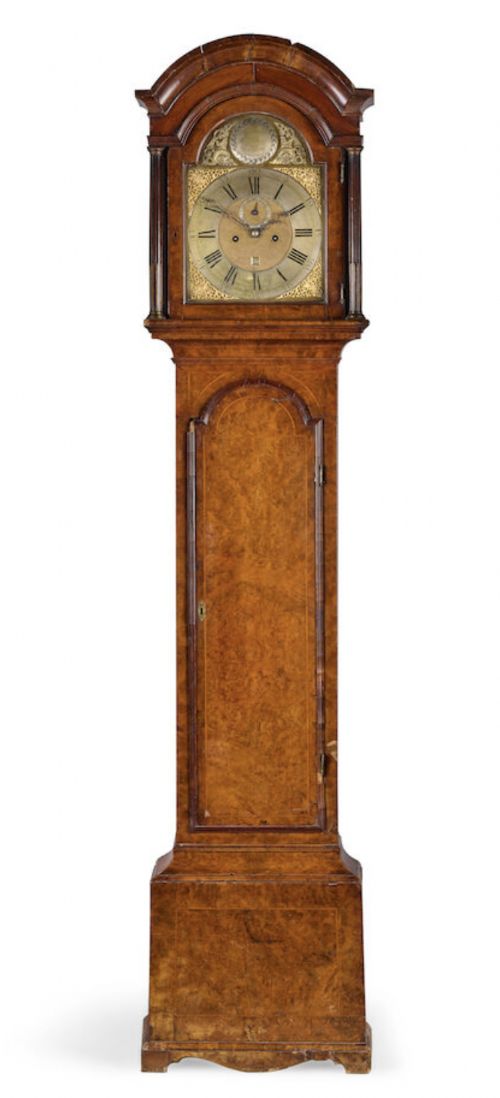
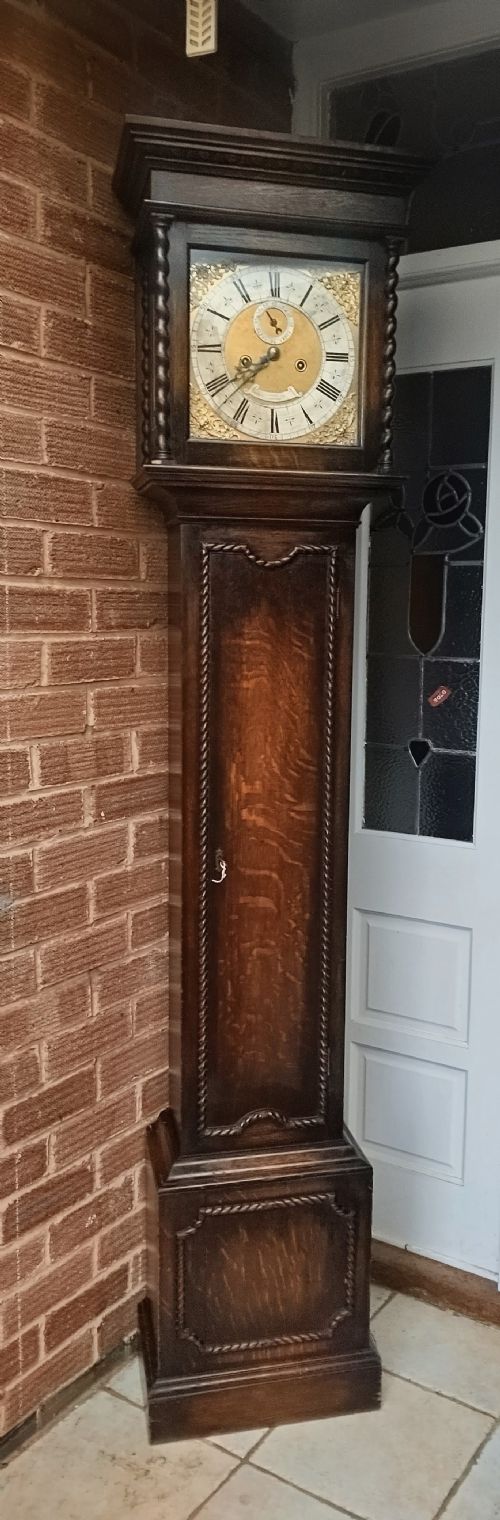


Tallcase Clock London
When you search for tallcase clock london, you step into the world of tall, weighted timepieces crafted by metropolitan makers across centuries.
Tallcase Clock London
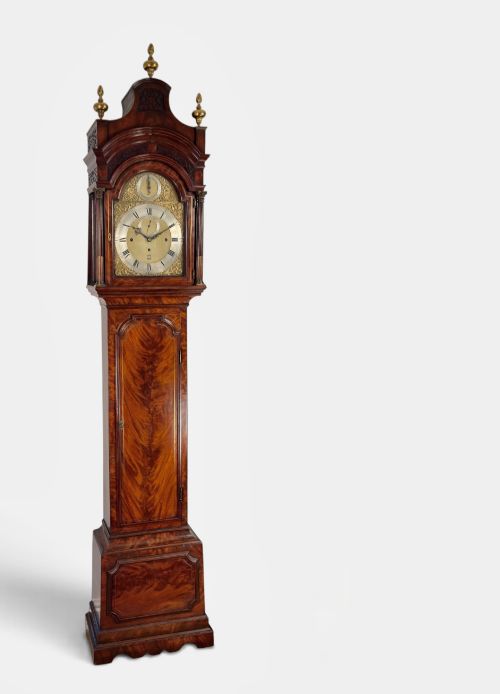
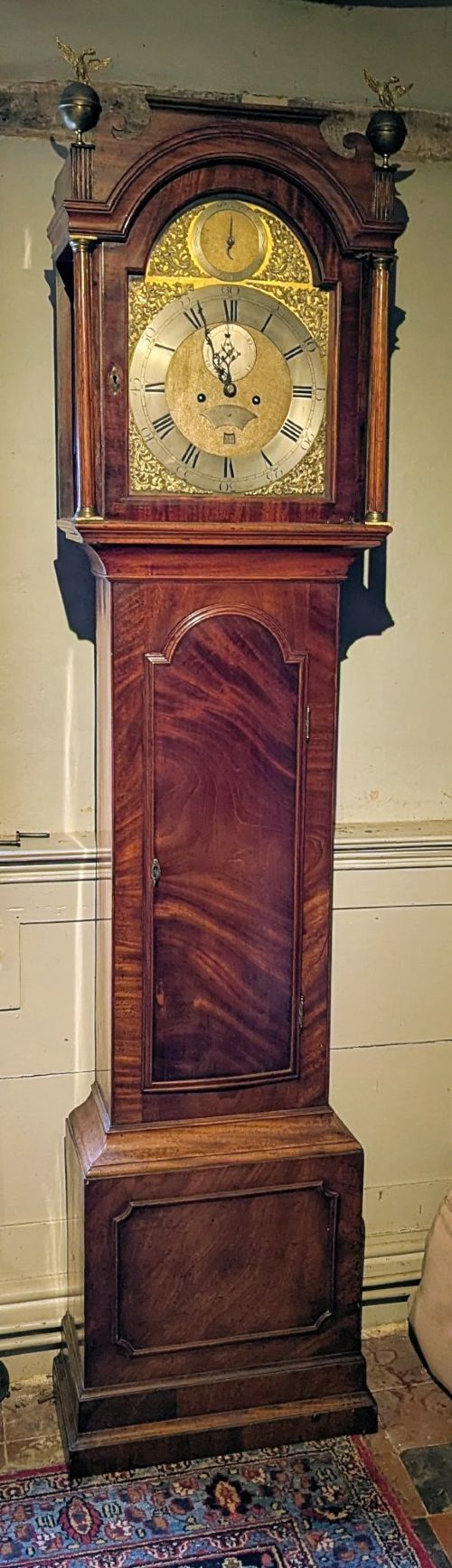
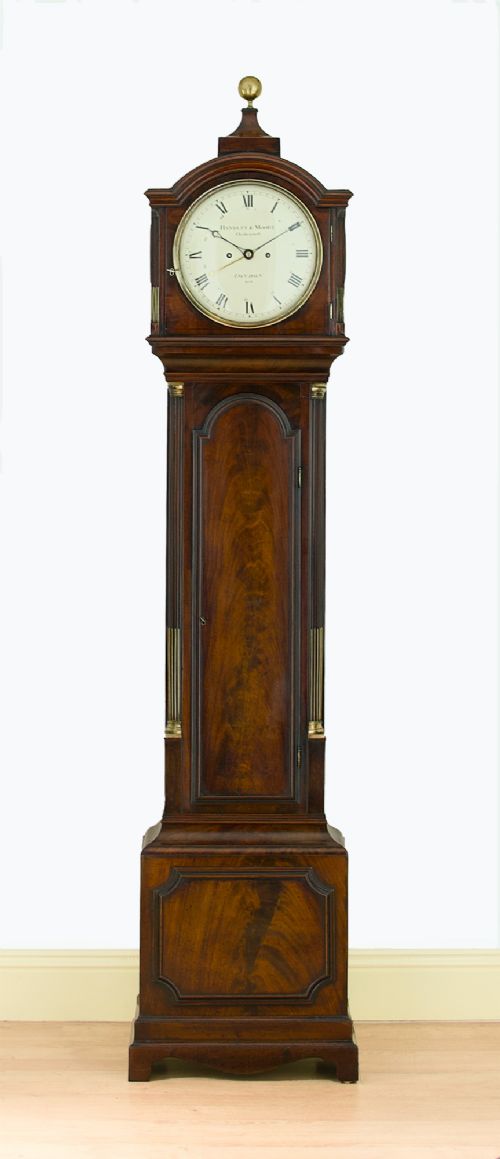
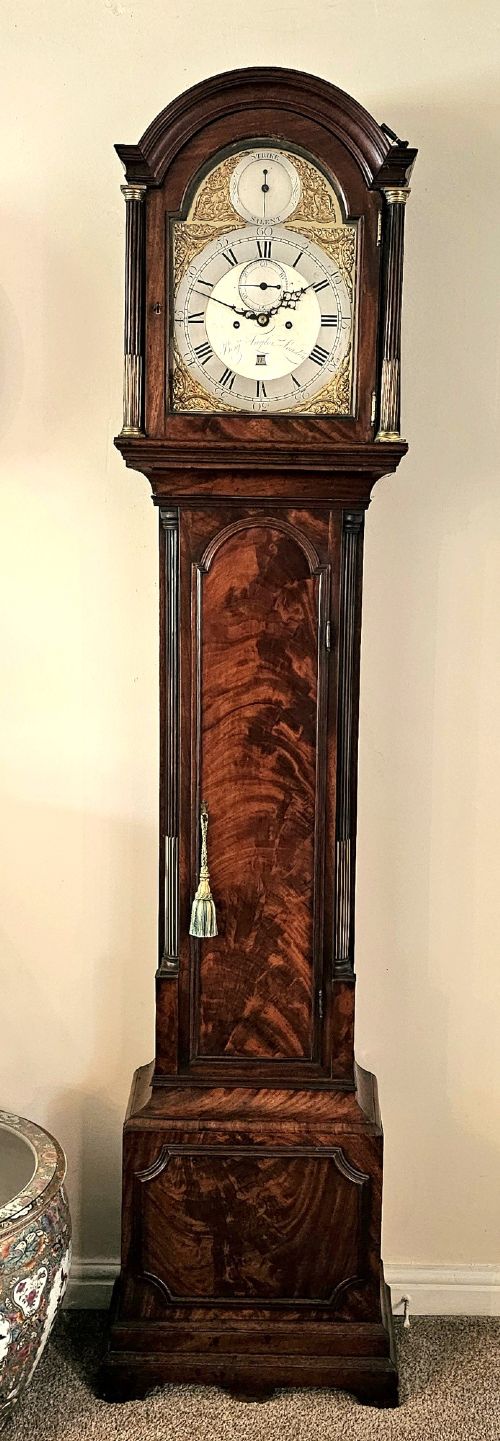
A tallcase clock london search reveals grand timepieces designed to stand in hallways and formal rooms, enclosing swinging pendulums and heavy brass weights within tall wooden housings. The examples on this page span the seventeenth, eighteenth, and nineteenth centuries, taking the form of traditional longcases, grandfathers, and regulators.
Most pieces met here belong to the Georgian and eighteenth-century periods, constructed from richly grained timbers like mahogany and walnut. Makers housed these complex movements in tall wooden trunks topped by glazed hoods, protecting the brass dials and steel hands from dust while displaying the time.
Distinctions in Craftsmanship
Quality rests in the precision of the movement and the finesse of the case cabinetry, separating standard workshop output from the work of premier London masters. Finer examples display meticulous engraving upon the brass dial, sophisticated train mechanisms, and beautifully matched veneer patterns.
The architectural proportion of the hood and trunk dictates visual success, where restrained mouldings and well-figured timber elevate the piece. Signed dials by recorded London makers add historical weight, distinguishing documented horological works from anonymous regional or later adaptations.
Several makers hid automata within their tall wooden cases, giving owners moving figures alongside the ticking dial.
John Ellicott·Handley and Moore·Benjamin Taylor·Windmills and Wightman·Henry Weedon·Thwaites·William Kipling·William Moon·Edin Burgis·Langley Bradley·James Tregent·John Rainsford·Thomas Goddard·Mappin and Webb·Wightman·Parkinson and Frodsham·John Shelton·John Thompson·William Tomlinson·Dent·John Harrington·Francis Perigal·Richard Gibbs·Anthony Marsh·John Jackson
The Tallcase Clock London Glossary
- Longcase clock
- A tall pendulum clock enclosed in a wooden case standing directly on the floor. This term is often interchanged with grandfather clock.
- Quarter-striking
- A mechanism that chimes the quarters of the hour in addition to striking the full hour. This requires a more complex gear train within the movement.
- Grid-iron pendulum
- A temperature-compensated pendulum constructed from alternating rods of steel and brass. This design prevents expansion and contraction from altering the timekeeping.
- Marquetry
- Inlaid wood patterns used to decorate the exterior surfaces of furniture. Artisans cut pieces of contrasting veneer to form floral or geometric designs.
- Regulator
- A high-precision clock used as a standard for checking the time of other timepieces. These movements prioritise accuracy above decorative complication.
Tallcase Clock London: Frequently Asked Questions
How do I wind an eight-day longcase clock?
Winding involves inserting a crank key into the winding holes on the dial face and turning it gently until the weight rises to the top.
Care must be taken not to overwind the mechanism, stopping as soon as resistance is felt.
Where should I place a tallcase clock?
These clocks require a stable, dry interior wall away from direct sunlight and major sources of heat or drafts. A solid floor is essential so the case stands plumb and the pendulum swings evenly.
How do I tell an 18th-century case from a later copy?
Early cases display traditional hand-cut joinery, pegged framing, and timber patination that develops naturally over centuries of exposure. Secondary woods and construction methods inside the trunk help confirm the period of manufacture.
Why does the clock need to be set on a level floor?
A level foundation ensures that the pendulum swings with equal duration to the left and right, producing an even tick. If the case tilts, the mechanism will struggle to maintain a consistent beat and may stop.