


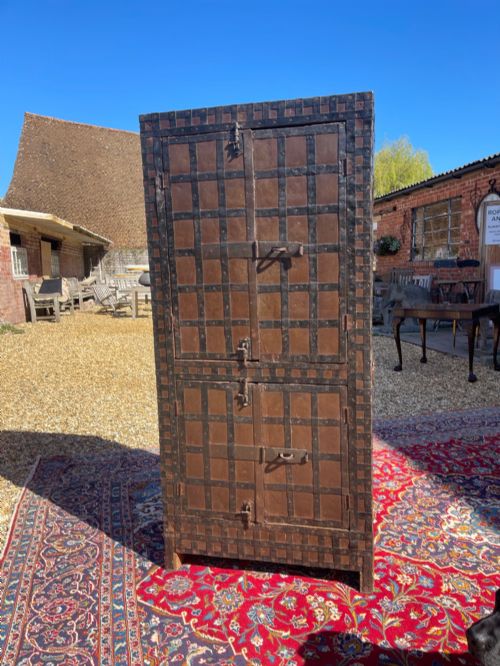


Tall Wooden Armoire
A tall wooden armoire brings substantial storage and distinct regional character to a room, spanning periods from the eighteenth century onwards.
Tall Wooden Armoire
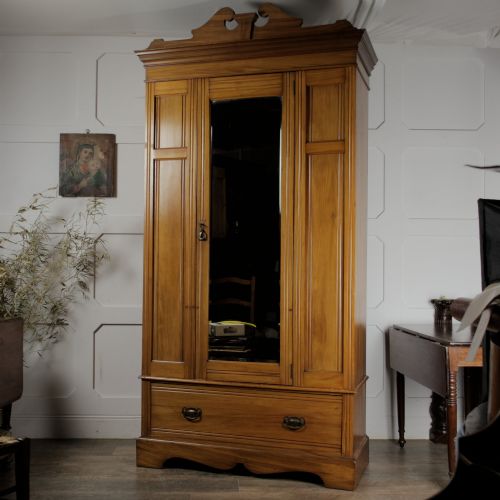
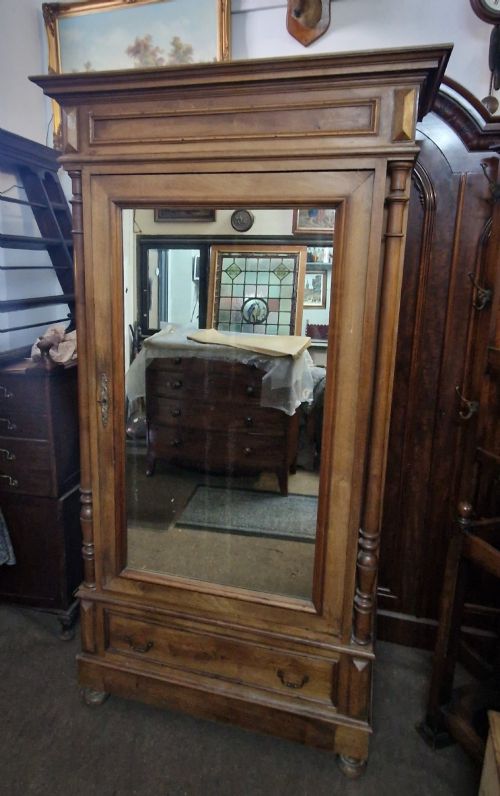
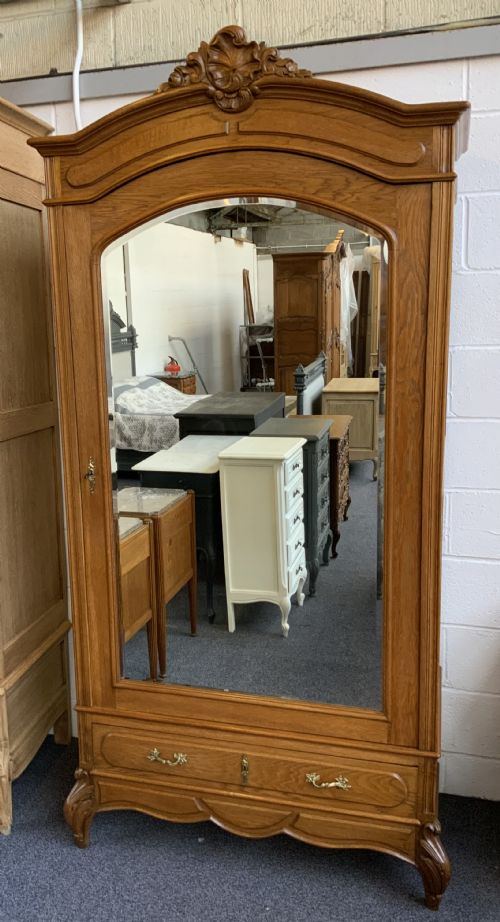
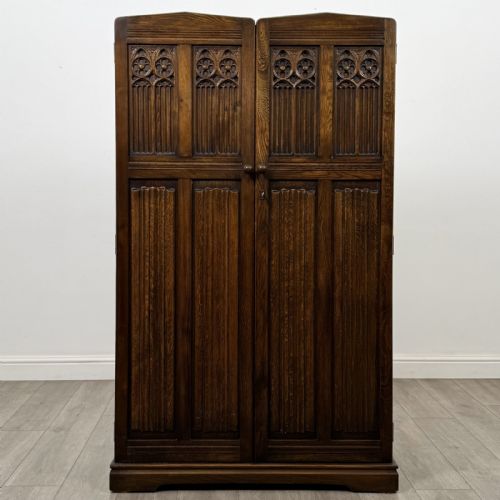
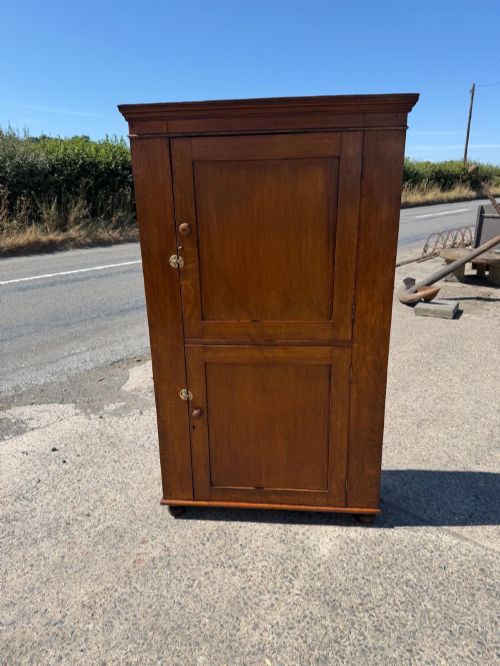
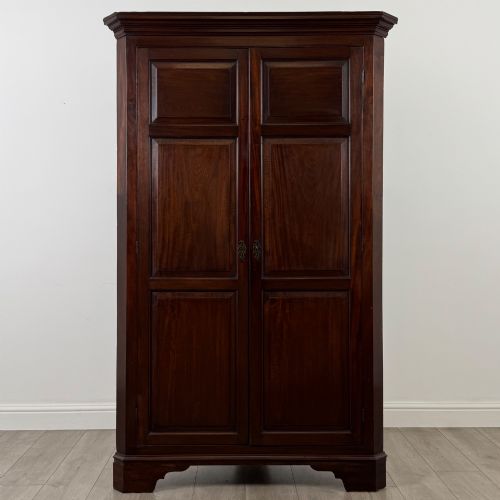
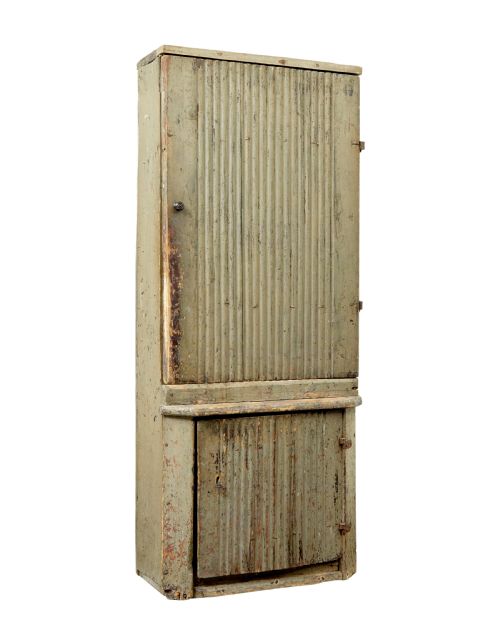
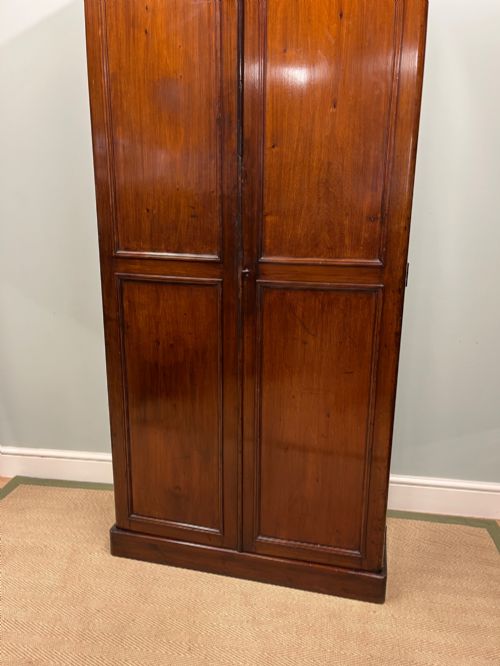
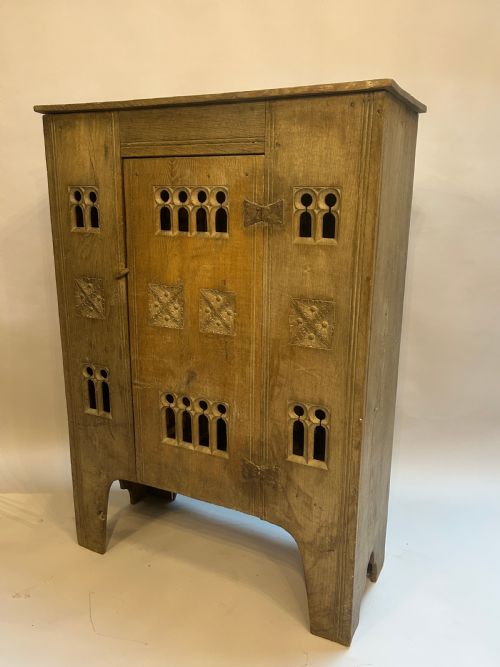
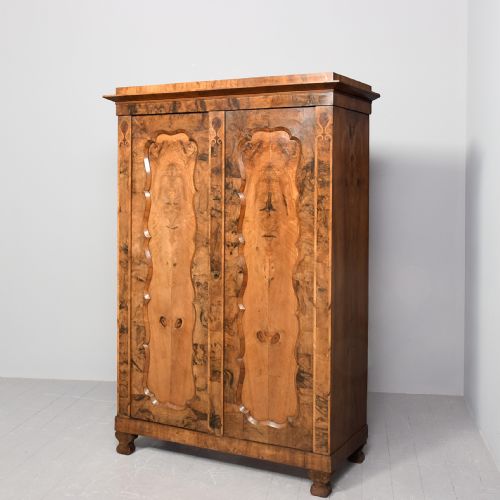
A tall wooden armoire serves as a primary storage piece, encompassing wardrobes, linen presses, and large cupboards from various centuries and regions. When you search for a tall wooden armoire, you encounter pieces that range from English Georgian mahogany cabinets to Scandinavian painted pine designs and French provincial fruitwood constructions.
Materials and construction
Construction relies heavily on solid timbers such as pine, oak, mahogany, walnut, and cherrywood, often joined with traditional cabinet-making techniques suited to each region. Iron and brass hardware, including hinges and locks, secure the large doors.
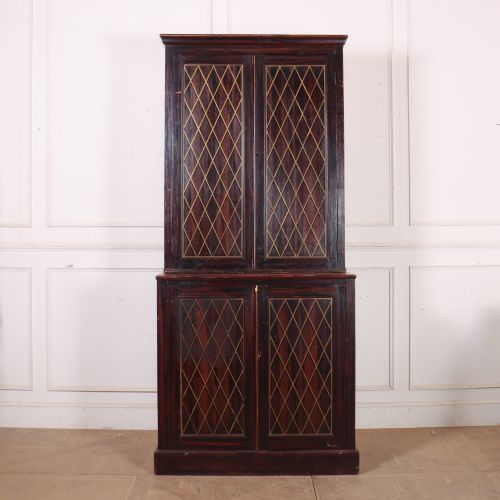
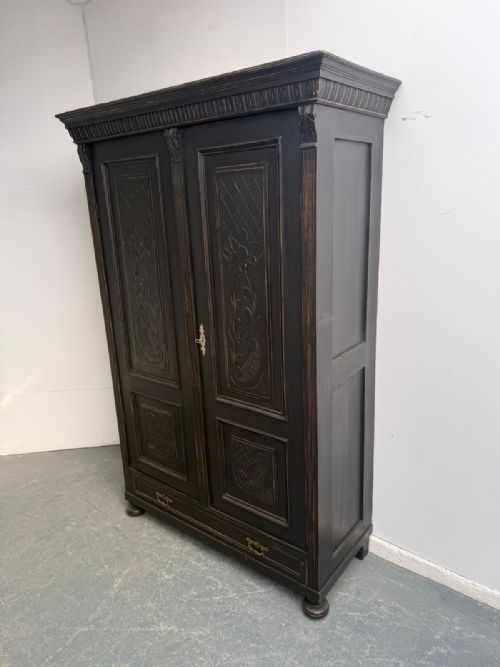
Surface finishes vary widely across the selection, ranging from natural waxed pine and polished mahogany to applied paint, lacquer, and carved detailing.
Tall Wooden Armoire Retail Price Guide 2026
Typical asking prices for tall wooden armoire among the pieces listed under this phrase on Sellingantiques today, from the lower quarter to the upper quarter. They describe what is for sale here now, not the wider market.
Materials represented include pine, oak, mahogany, walnut, elm, birch, yew, chestnut, iron, and brass.
Assessing quality in tall wooden armoires
Quality rests in the selection of timber, the crispness of any carving, and the integrity of the original construction rather than mere age. Pieces displaying well-figured mahogany, walnut, or finely carved regional motifs stand apart from simpler utility storage.
The retention of original surface treatments, whether clear wax on pine or historic painted decoration and lacquer, dictates the visual authority of the piece.
The Tall Wooden Armoire Glossary
- Armoire
- A tall wardrobe or cupboard, traditionally used for storing clothes. French examples often feature double doors and generous proportions.
- Linen Press
- A tall cupboard designed for storing textiles and linen, typically combining sliding shelves or drawers in the upper section with deeper drawers below.
- Corner Cabinet
- A storage piece specifically constructed to fit into the angle of a room. These appear in both floor-standing and hanging formats.
- Lacquered
- A finish applied in multiple layers to wood, creating a hard, smooth surface. This technique is prominent on traditional Chinese cabinets.
- Bun Feet
- Rounded, slightly flattened feet resembling buns, frequently seen on Victorian and earlier cupboards.
Tall Wooden Armoire: Frequently Asked Questions
How do I fit a tall wooden armoire into a modern room?
Measure your ceiling height and clearance carefully before choosing, as these pieces were built for older properties with generous proportions. Consider the swing of the large doors and whether the piece breaks down for transport.
Position the armoire against a blank wall where its height can anchor the room without overwhelming smaller furniture. Many buyers use them in bedrooms for clothing or in living spaces for general storage.
What is the difference between an armoire and a linen press?
An armoire is primarily a wardrobe designed for hanging or folding garments behind full-length doors. A linen press traditionally incorporates interior sliding trays or shelves specifically for flat textiles.
Both share a tall wooden profile, but their internal configurations reflect their original domestic uses in storing different types of household items.
How do I care for antique pine and hardwood furniture?
Maintain waxed and polished surfaces by applying appropriate natural waxes sparingly and buffing with a soft cloth. Avoid placing wooden furniture near direct heat sources or in areas with fluctuating humidity.
Protect the timber from strong direct sunlight to prevent the finish from fading, particularly on painted or lacquered surfaces.
How can I tell the period of a tall wooden armoire?
Examine the timber selection, construction joints, and hardware style to determine the likely era of manufacture. Georgian pieces often show formal mahogany styling, while Victorian examples frequently utilise oak with bun feet.
Regional clues, such as Scandinavian carved pine or Chinese red lacquer work, help narrow down the geographic origin and period context.