

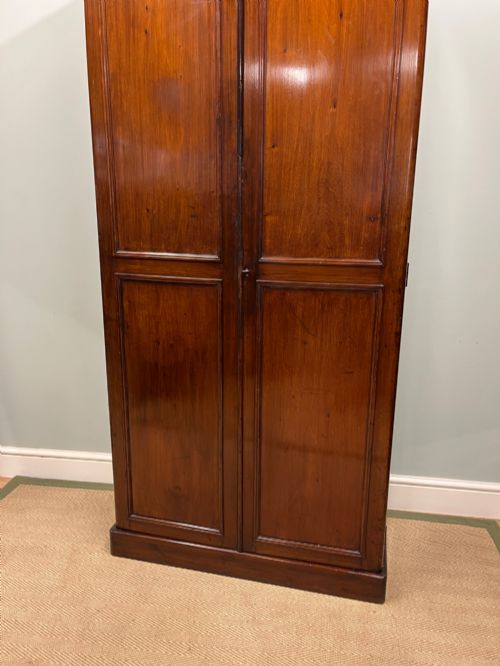
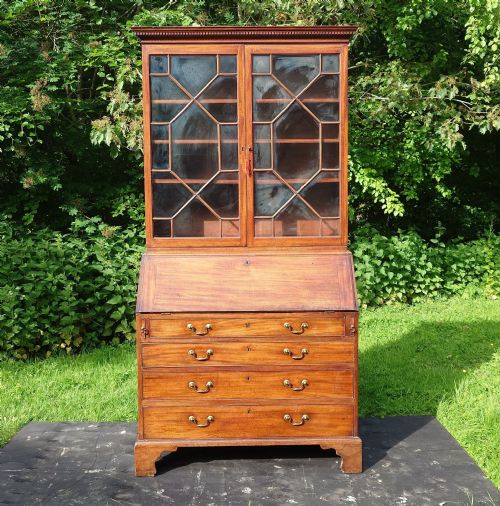


Tall Slim Cabinet
A tall slim cabinet maximises floor space while offering substantial vertical storage, pairing narrow footprints with considerable height across various historic periods.
Tall Slim Cabinet
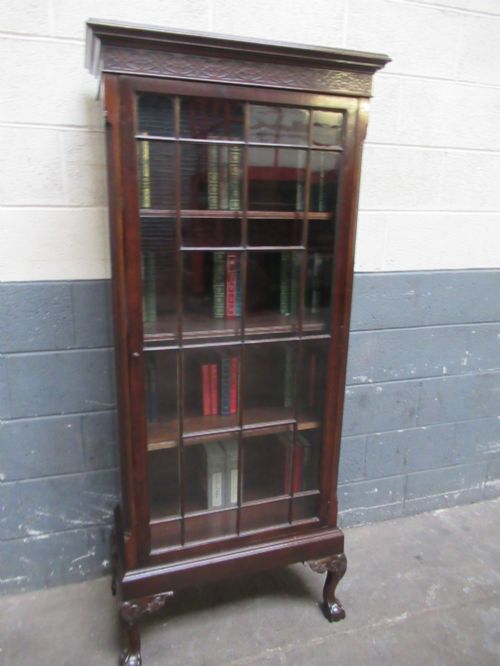
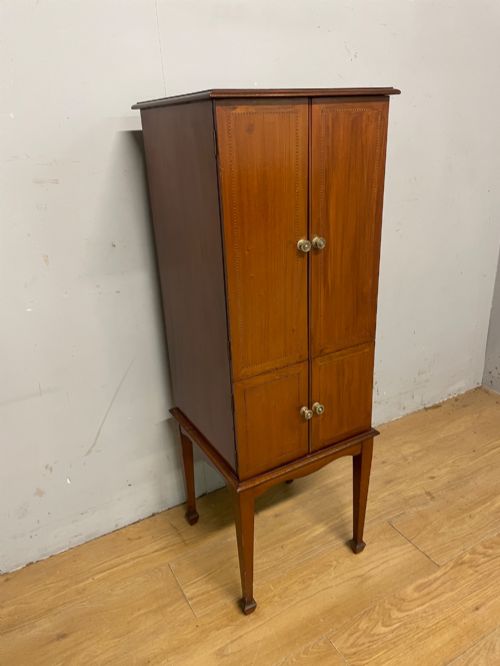
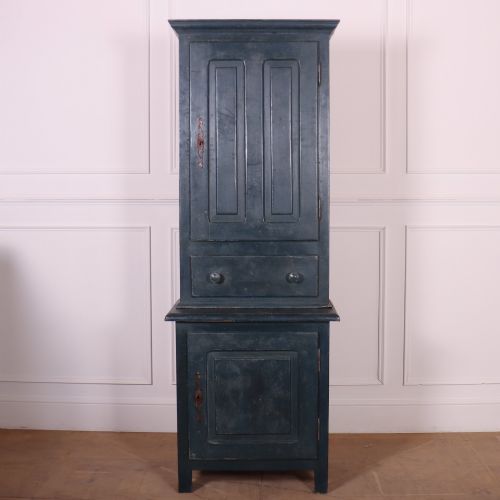
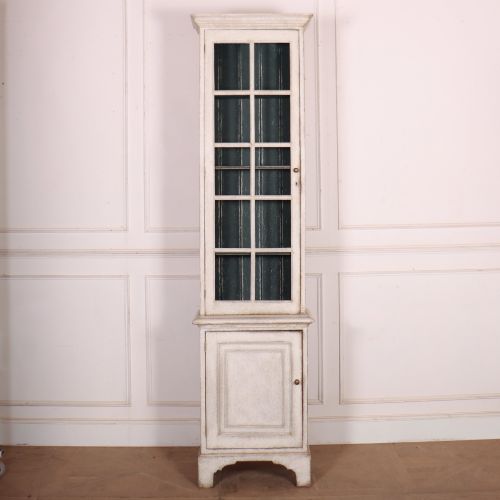
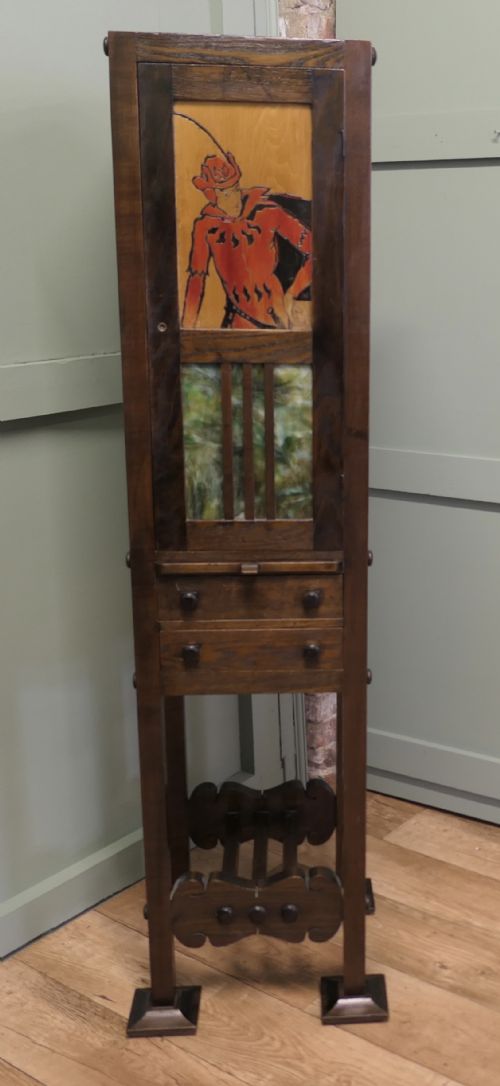
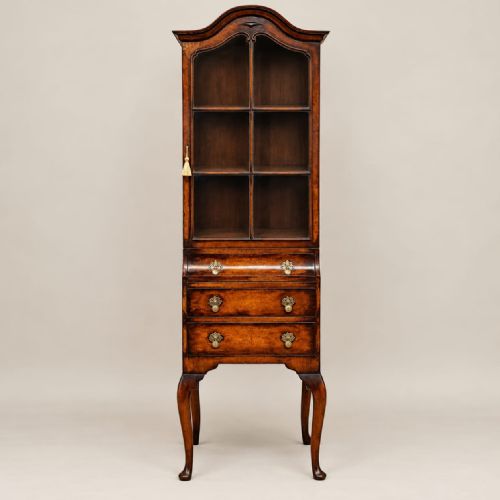
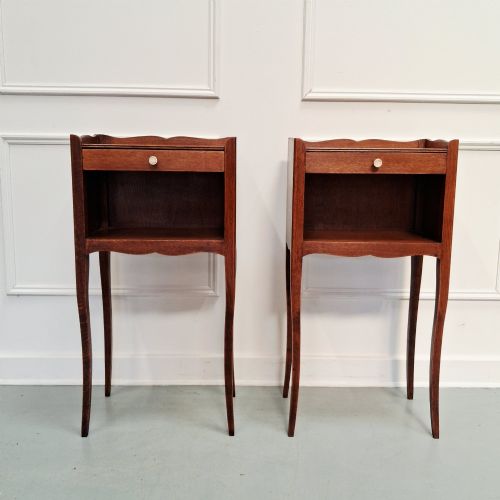
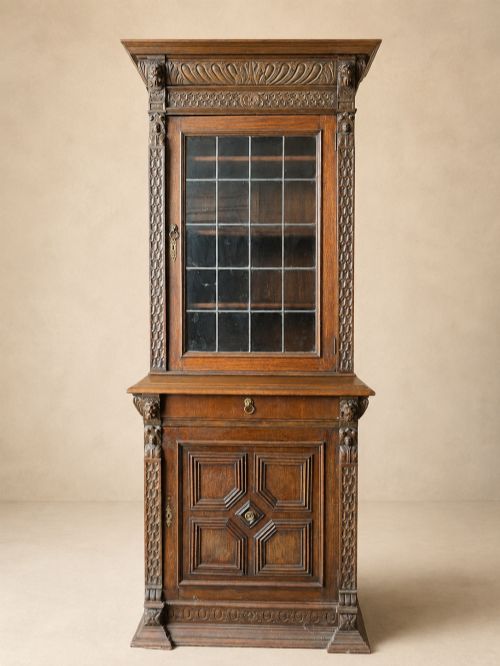
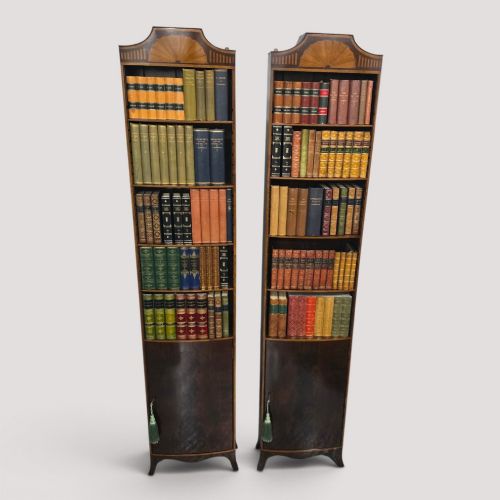
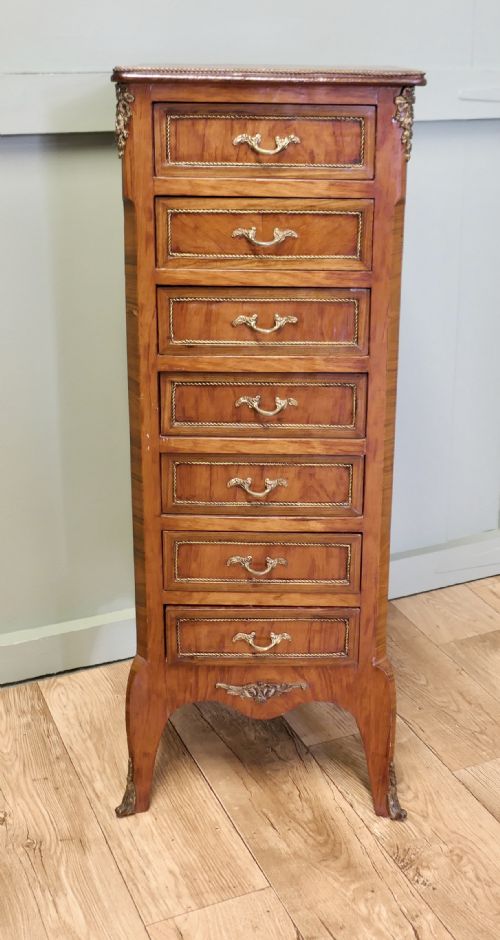
A tall slim cabinet satisfies the requirement for vertical storage without dominating a room, appearing in forms such as narrow bookcases, tall chests of drawers, bedside tables and cupboards. These pieces occupy modest floor footprints while providing considerable internal capacity for books, linen or display.
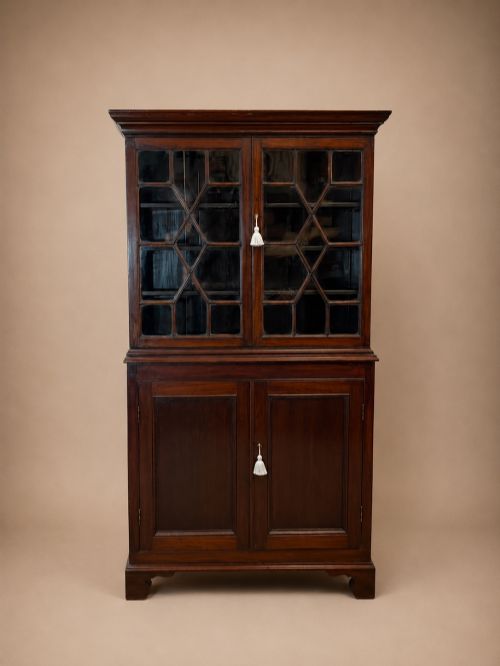
The selection here spans the nineteenth century, the Edwardian era, and the 1920s and 1930s, alongside Georgian and Victorian examples. Buyers frequently encounter open bookcases, glazed cabinets and panelled cupboards constructed from traditional timbers.
Origins range from English workshops to French provincial makers and Swedish studios. This variety ensures that a tall slim cabinet integrates smoothly into rooms with constrained horizontal dimensions while maintaining period character.
How they were made
Makers utilised dense cabinet timbers such as mahogany, oak, walnut, burr walnut, pine and cherry to build these vertical structures. These woods provide the necessary rigidity to support narrow shelving and tall door frames without warping under load.
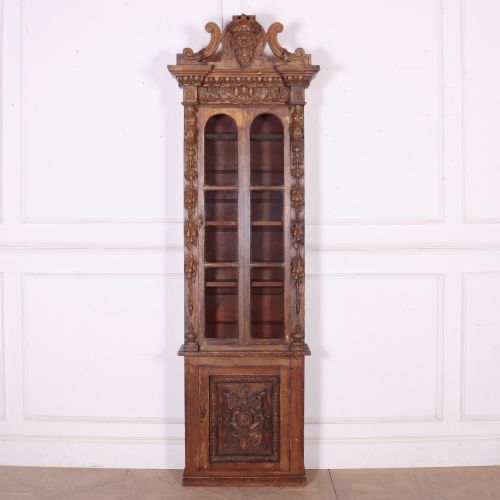
Construction techniques include brass mountings, inlaid detailing, astragal glazing, hand carving and painted panel finishes. Joinery focuses on stability, ensuring that narrow proportions remain balanced and secure during daily use.
Tall Slim Cabinet Retail Price Guide 2026
Typical asking prices for tall slim cabinet among the pieces listed under this phrase on Sellingantiques today, from the lower quarter to the upper quarter. They describe what is for sale here now, not the wider market.
Periods represented span from the eighteenth-century Georgian era through Victorian, Edwardian and 1930s designs.
What varies in quality
Quality in a tall slim cabinet rests on the selection of figured timber veneers, such as burr walnut or flame mahogany, and the crispness of any applied carving or inlay. Superior examples display careful grain matching across narrow doors and drawer fronts.
The integrity of the structural joinery dictates long-term performance, particularly in tall narrow forms where weight distribution is critical. Refined hardware, such as original brass mounts and working locks with keys, distinguishes high-grade workshop output from standard utility pieces.
Shapland & Petter
The Tall Slim Cabinet Glossary
- Astragal glazed
- A glass door divided into smaller panes by wooden glazing bars. This method is common in bookcases and display cabinets of the Georgian and later periods.
- Burr walnut
- Timber taken from a growth or burl on the walnut tree, showing intricate swirling grain patterns. It is typically used for decorative veneers on cabinet doors and drawer fronts.
- Chimney cupboard
- A tall, extremely narrow cupboard designed to fit into the tight recesses beside a fireplace chimney breast. They maximise awkward alcoves for additional storage.
- Edwardian
- Relating to the reign of King Edward VII from 1901 to 1910, a period known for lighter furniture designs often drawing inspiration from earlier eighteenth-century styles.
- Queen Anne Revival
- A style popular in the late nineteenth and early twenty-first centuries that reinterprets early eighteenth-century forms, typically featuring walnut timbers and cabriole legs.
Tall Slim Cabinet: Frequently Asked Questions
Where should I place a tall slim cabinet?
These vertical pieces suit narrow hallways, tight alcoves, and bedrooms where floor space is limited. Their modest width allows them to fit between windows or alongside larger furniture without crowding the room.
Ensure the height clears any low ceilings or decorative mouldings before positioning. Securing taller cabinets to the wall provides stability, particularly in older properties with uneven floors.
How do I care for mahogany and walnut cabinets?
Dust regularly with a soft, dry cloth to prevent surface grit accumulation. Avoid placing antique timber furniture in direct sunlight or near heat sources to prevent the wood from drying and splitting.
Apply a traditional beeswax polish sparingly once or twice a year to nourish the grain. Buff gently to maintain a soft natural lustre without building up heavy wax layers.
Can these cabinets support heavy books?
Many examples function primarily as bookcases with adjustable or fixed wooden shelving designed for standard volumes. Solid timber construction provides reliable support for everyday library collections.
Heavier folio volumes sit best on lower fixed shelves to maintain overall balance. Checking the shelf supports ensures they engage securely with the cabinet interior.