
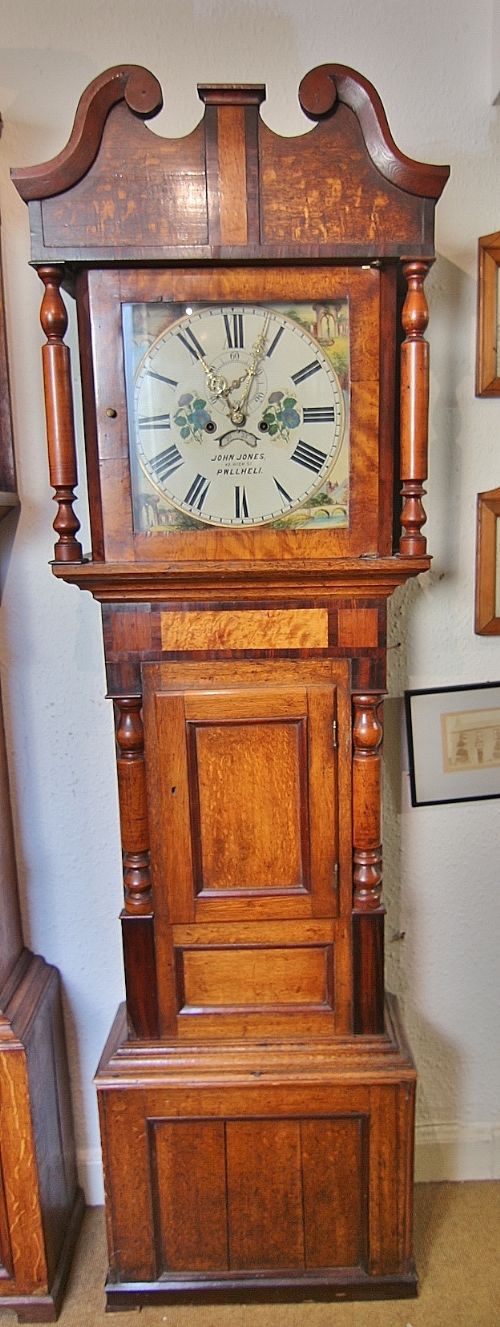
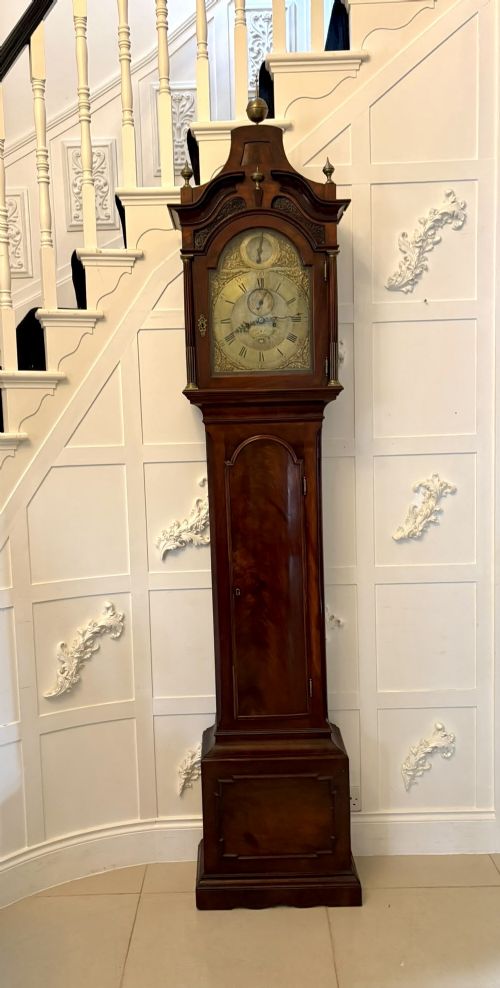
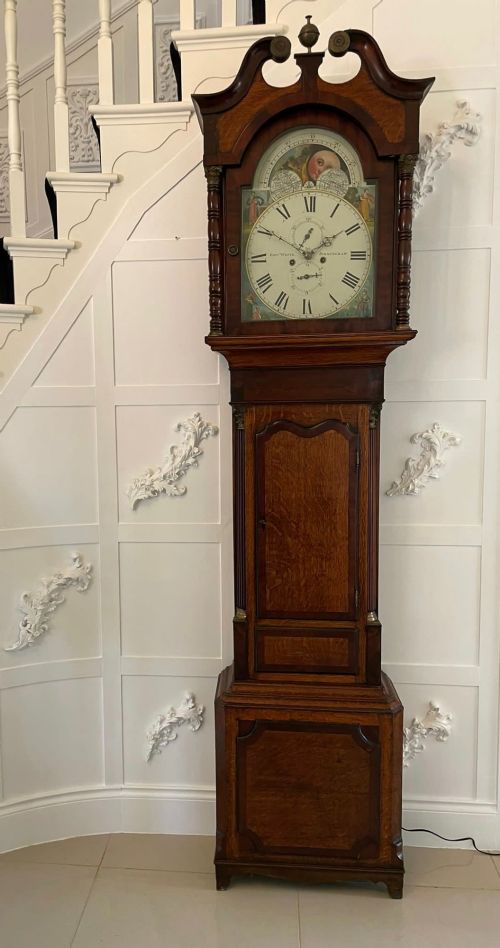
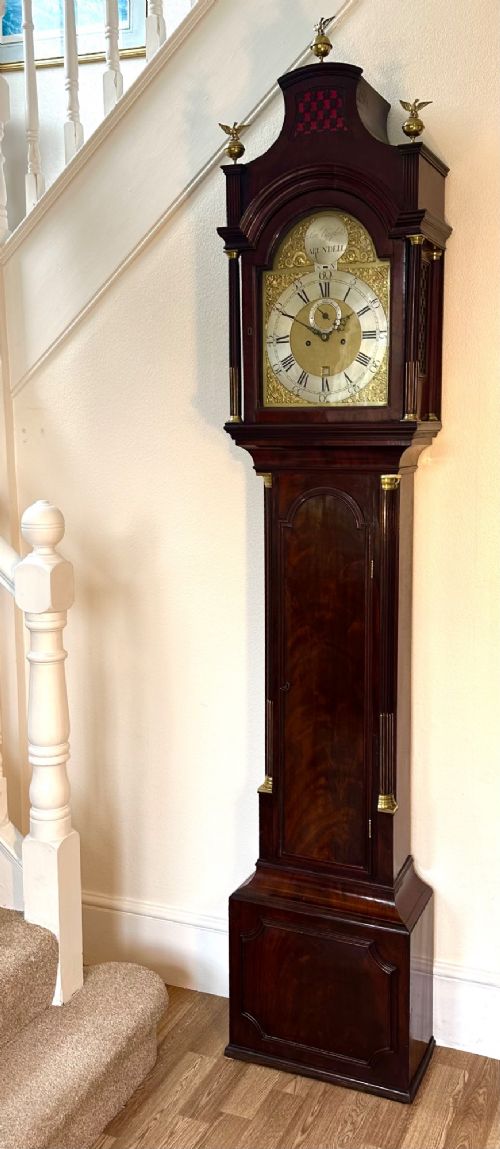
Tall Pendulum Clock
A tall pendulum clock stands as a towering piece of mechanical furniture, housing a steady swing that measures hours in wood and brass.
Tall Pendulum Clock
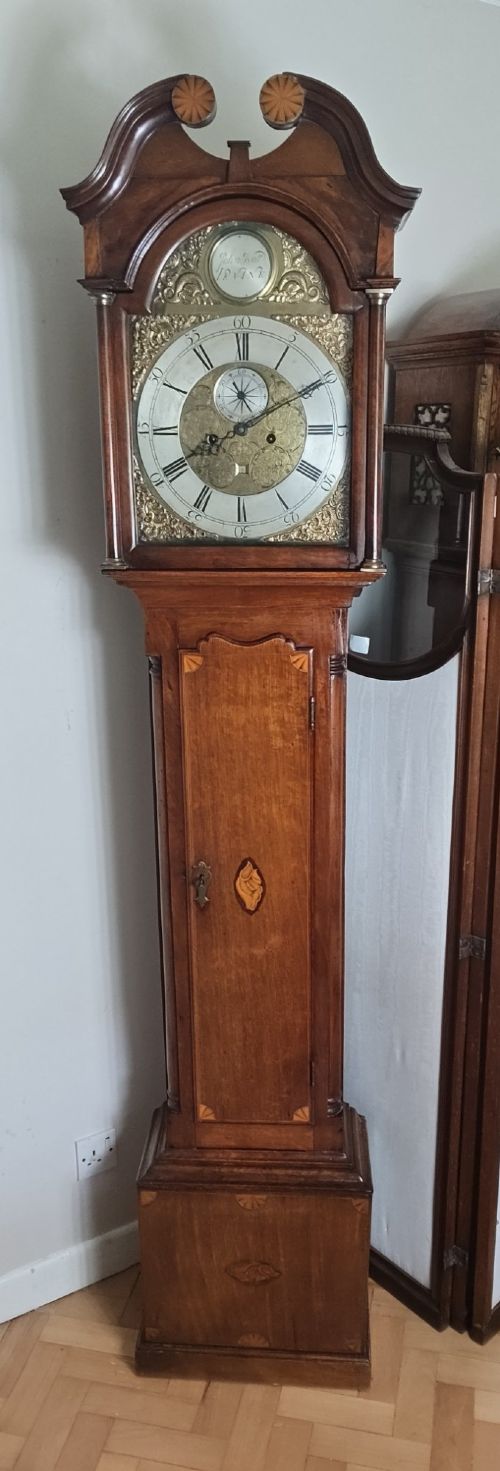
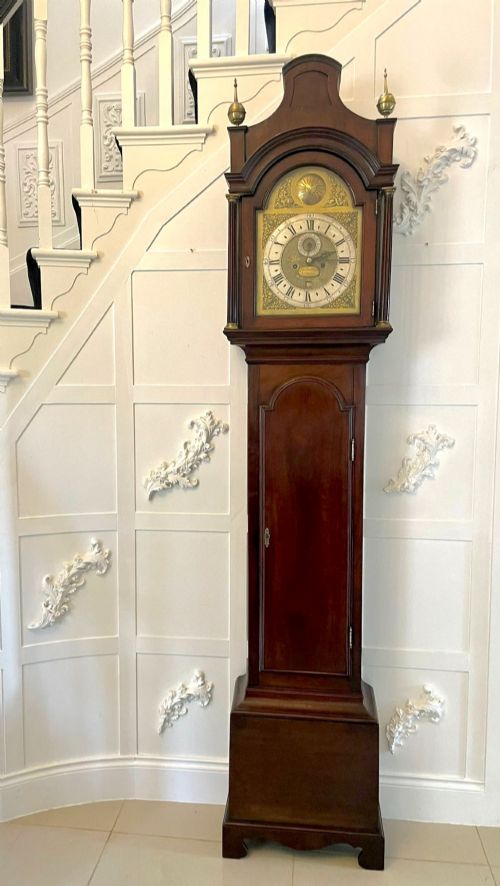
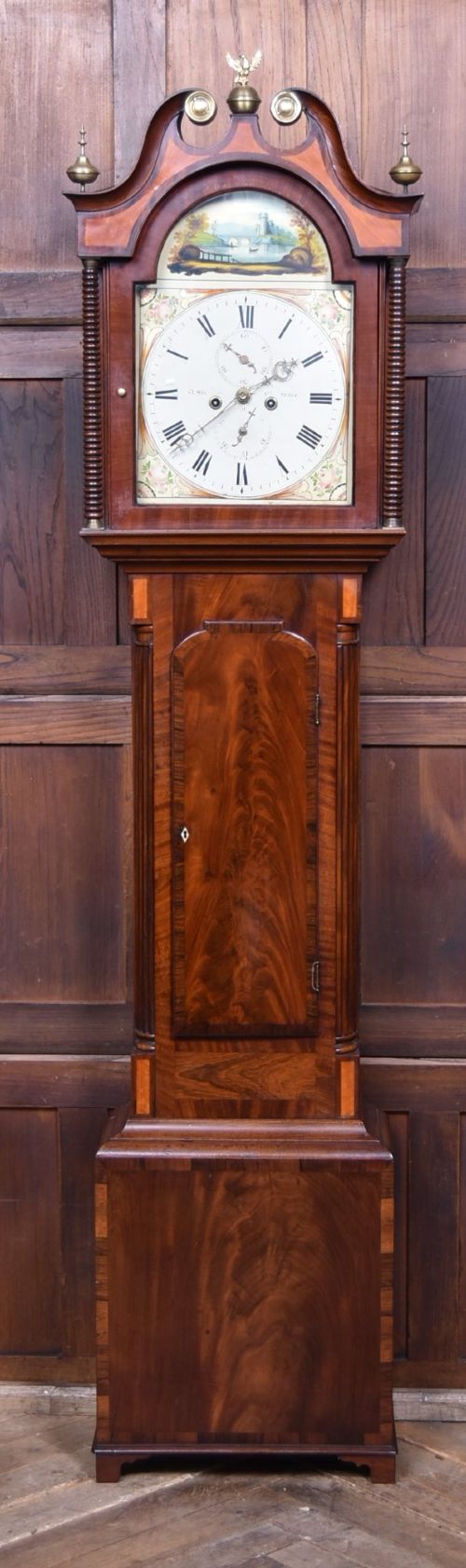
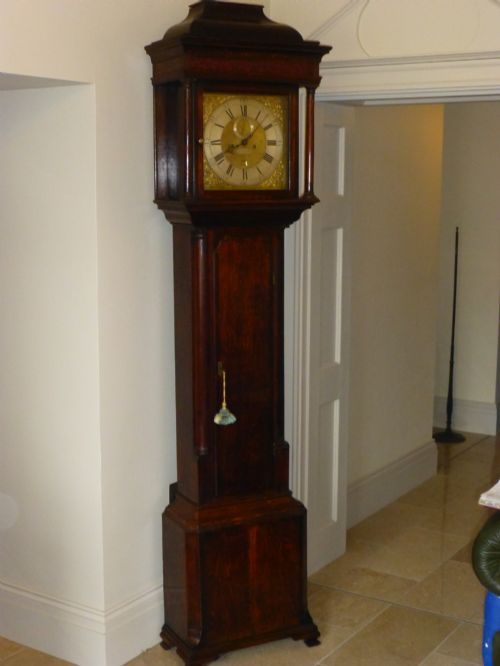
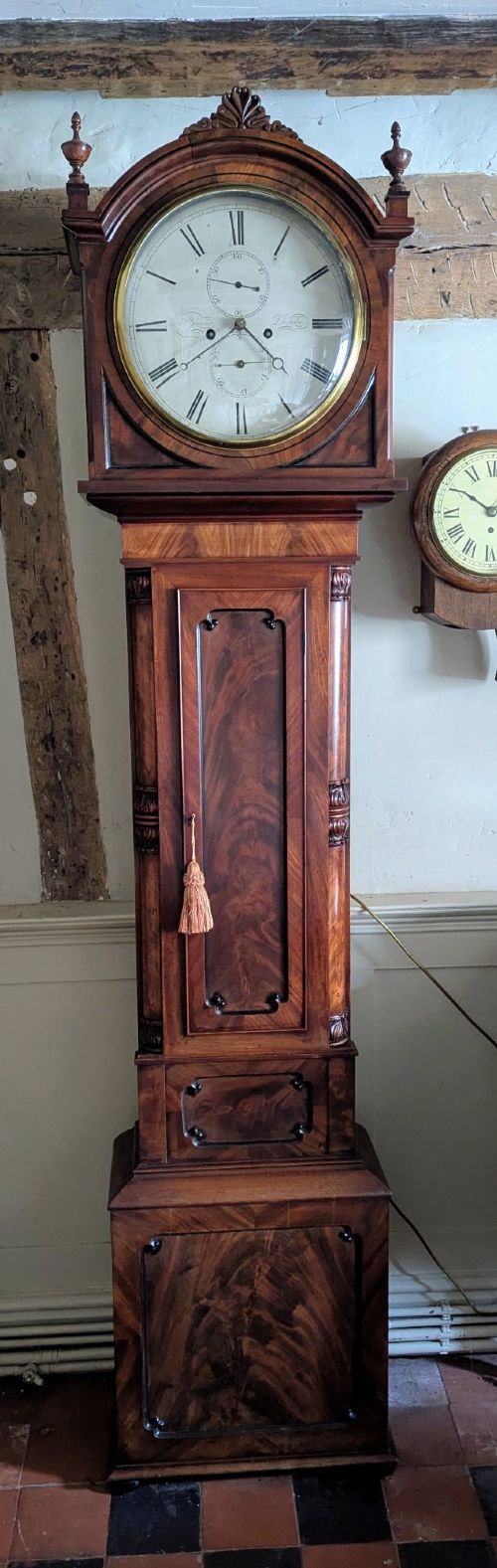
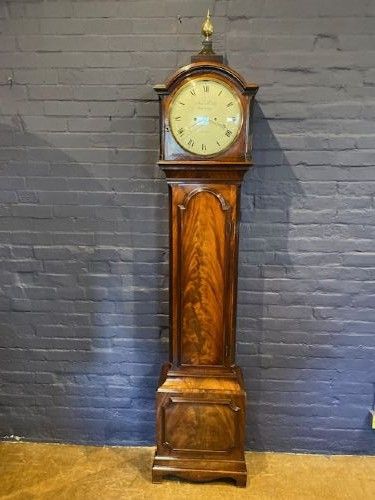
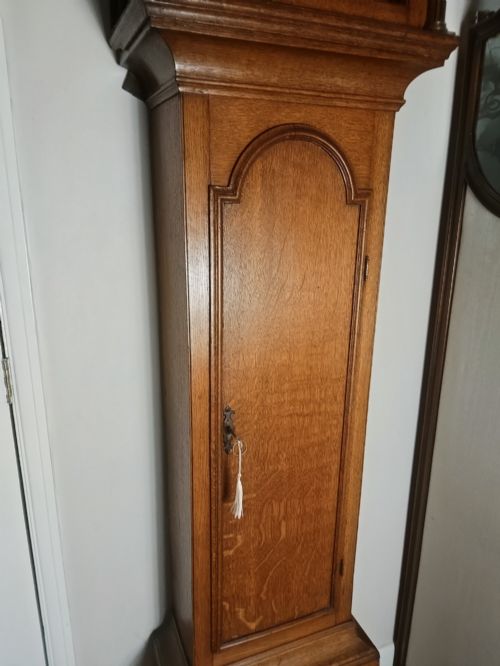
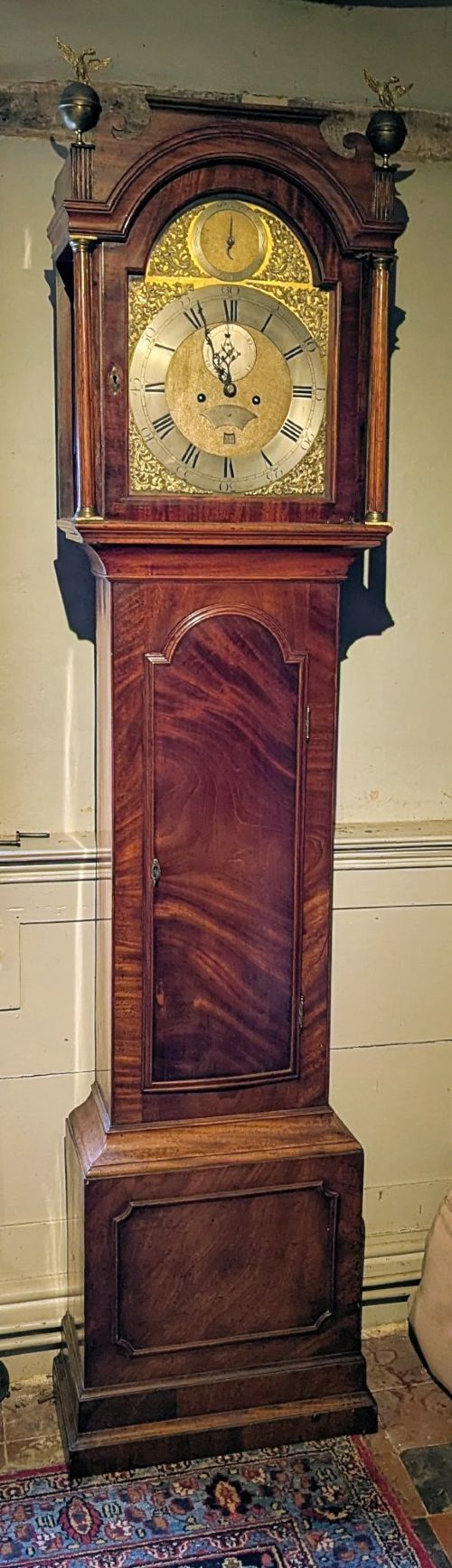
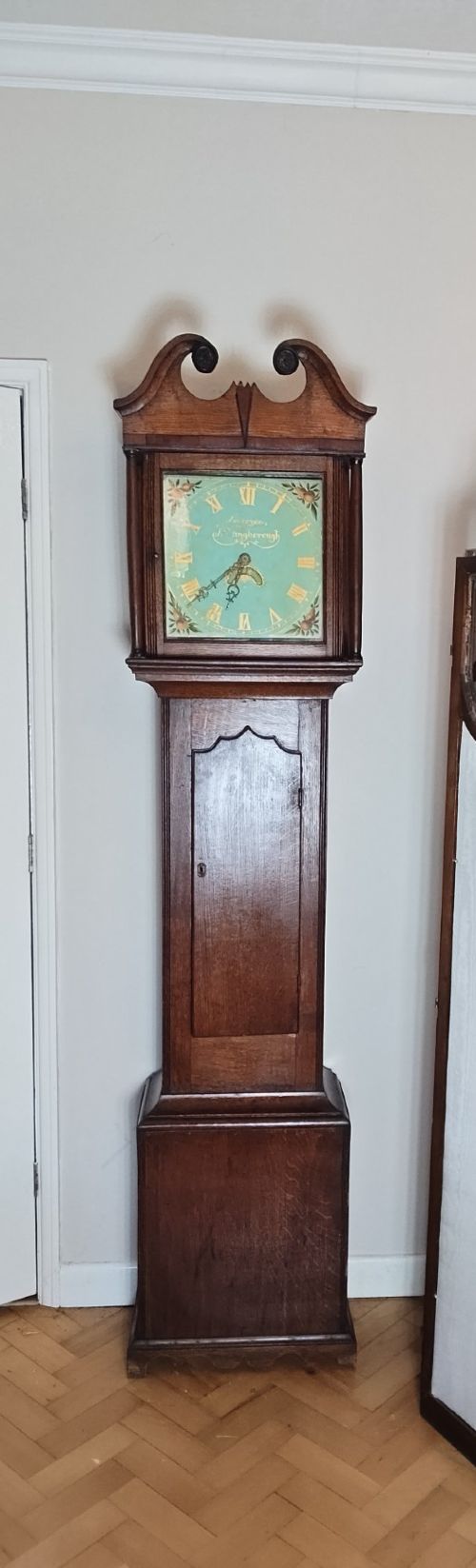
A tall pendulum clock, often termed a longcase or grandfather clock, brings vertical presence and mechanical timekeeping into a room. These floor-standing instruments house a weighted pendulum and dial within a protective wooden housing designed to stand upright against a wall.
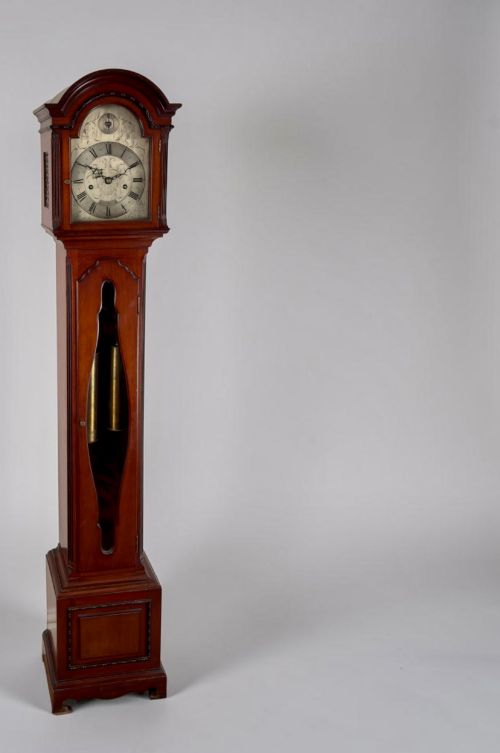
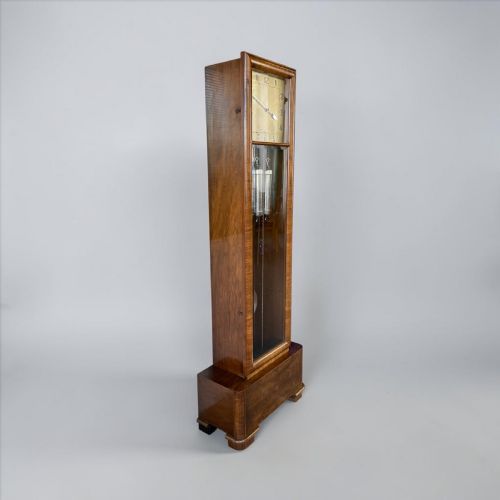
The versions most frequently met on this page include mahogany and oak examples from the Georgian and 18th century periods. Buyers also encounter smaller grandmother clocks dating from the Edwardian era and the early decades of the twentieth century, alongside regional variants from Scotland and Wales.
Makers ranged from provincial watchmakers in towns such as Stockport, Birmingham, and Montrose to prominent London names. Their creations span plain domestic timepieces to complex movements featuring moon phases, musical chimes, and strike-silent mechanisms.
Materials and construction
Cabinetmakers built these tall cases using sturdy timbers like oak, mahogany, and walnut, frequently applying polished finishes or decorative veneers to the exterior. Brass and painted iron formed the faces and dials, while steel and brass comprised the intricate gear trains within.
Movements relied on weights suspended by cords or chains that powered the pendulum and gear systems over eight-day or shorter operational cycles. Dialwork combined engraved brass plates with applied spandrels, painted moon rollers, and delicate metal hands.
Listings feature tall pendulum clocks spanning the Georgian period, the 18th century, 19th century, Edwardian era, and the 1920s and 1930s.
Variations in quality
The refinement of the cabinetwork and the complexity of the internal movement separate standard examples from finer works. Finely figured mahogany or walnut veneers, crisp dial engraving, and sophisticated musical or moon-phase movements indicate superior craftsmanship.
Proportion and execution also define the standard of the piece, from the balance of the hood and trunk to the precision of the signatures recorded on the dial face.
John Taylor London·Edward White Birmingham·Charles Shuckburgh London·Gillett and Johnston of Croydon·D Straiton Montrose·Richard Corless of Stockport·James McCabe·Windmills and Wightman London·Wotton Under Edge·D Williams of Crickhowell·Priory of Dundee Scotland·Lenzkirch·George Hallifax Of Doncaster·Henry Weedon London·Edward Shepley of Manchester
The Tall Pendulum Clock Glossary
- Longcase clock
- A tall floor-standing pendulum clock housed in a wooden case. It is frequently called a grandfather clock.
- Grandmother clock
- A smaller, scaled-down version of the traditional longcase clock. These usually date from the twentieth century.
- Moon phase
- A dial mechanism tracking the phases of the moon through a rotating disc. It often appears on 18th century examples.
- Regulator
- A precision pendulum clock designed for high accuracy. These movements often feature heavy pendulum bobs and separate dials for hours, minutes, and seconds.
- Spandrel
- An ornamental corner piece fitted to the dial of a clock. They evolved from brass castings in early periods to painted decorations later on.
Tall Pendulum Clock: Frequently Asked Questions
How do I wind a tall pendulum clock?
Winding requires using a key or crank to draw up the hanging weights inside the trunk. Care must be taken not to overwind the mechanism.
Most traditional movements run for eight days between windings. The weights should be raised steadily until they reach the top of the case.
Where should I place a tall pendulum clock?
These clocks require a stable, level floor and a solid wall for secure attachment. Avoiding damp areas and direct sunlight protects the wooden case and internal metalwork.
Adequate clearance is needed for the swinging pendulum and dropping weights. Placement in a quiet room allows the ticking and striking to be heard clearly.
How can I tell the period of a clock?
Cabinet style, wood choice, and dial design offer the clearest clues to age. Early pieces often feature oak or walnut with square brass dials, while later 19th-century examples frequently utilise mahogany and arched faces.
Signatures inscribed on the dial often link the piece to recorded makers and active working dates. Structural details inside the hood also indicate the era of manufacture.
What is the difference between a grandfather and a grandmother clock?
Grandfather clocks are full-sized floor-standing timepieces measuring six feet or taller. Grandmother clocks are noticeably shorter and more slender versions produced later in the 20th century.
The smaller stature of grandmother clocks suits compact modern rooms while retaining the traditional pendulum movement. Both share the same fundamental longcase architecture.