
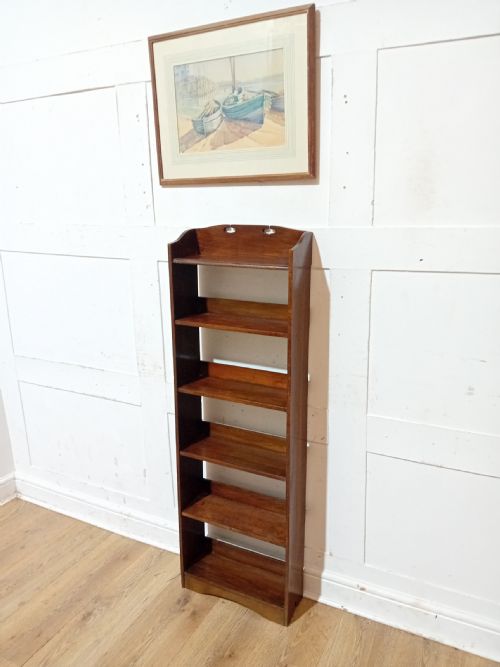


Tall Oak Shelving Unit
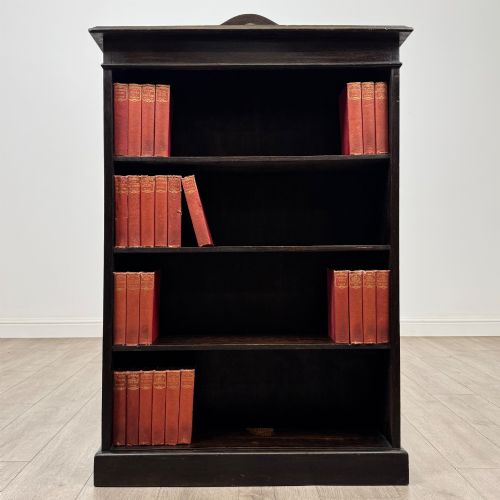
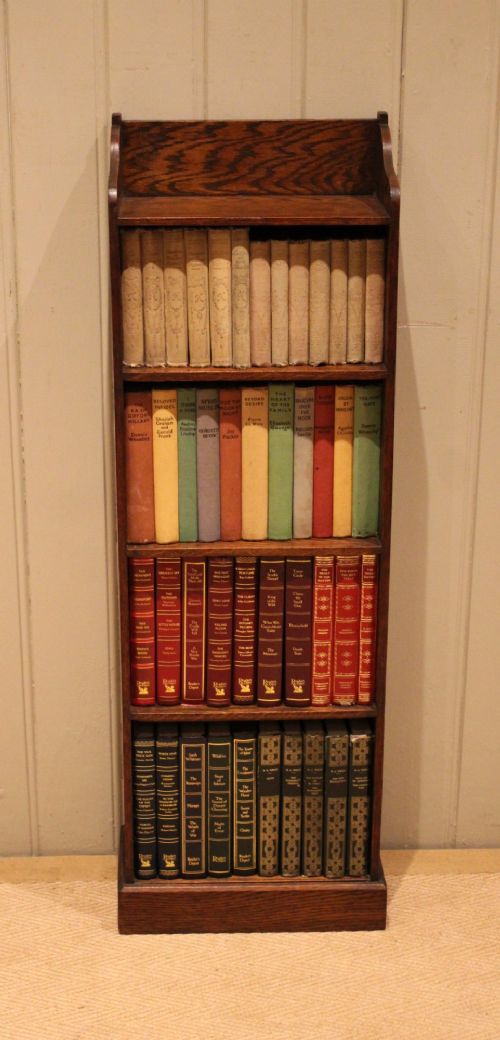
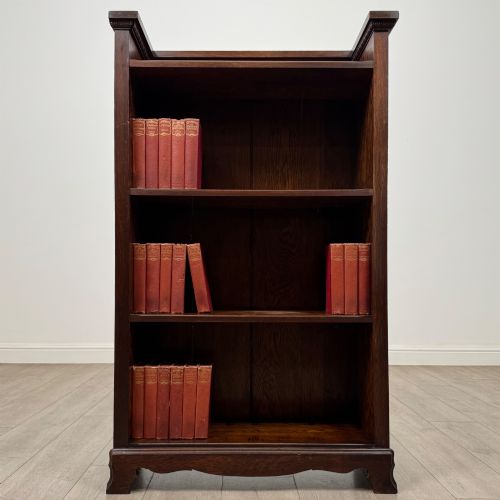
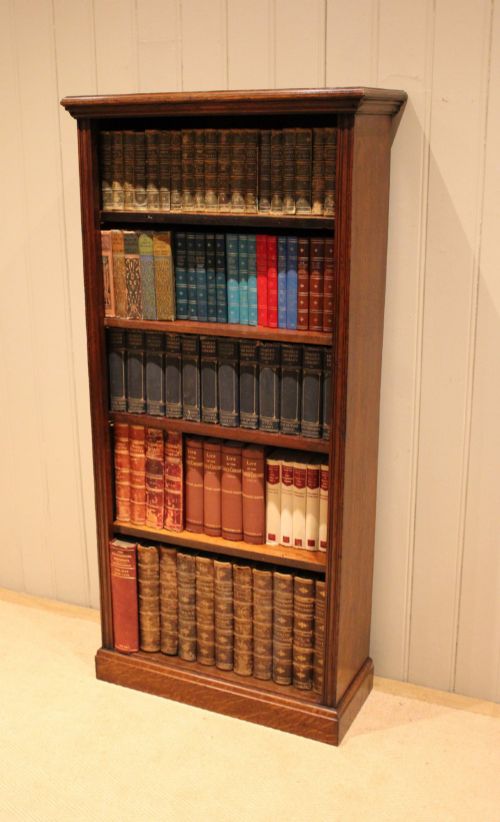
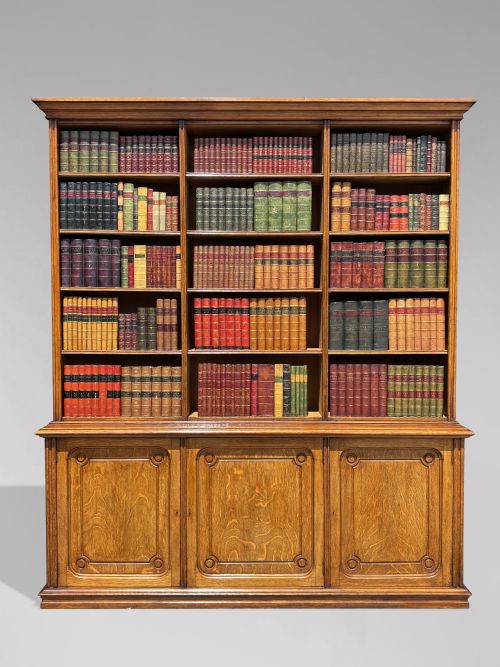
A tall oak shelving unit provides robust storage for heavy volumes while bringing warmth and architectural presence to a room.
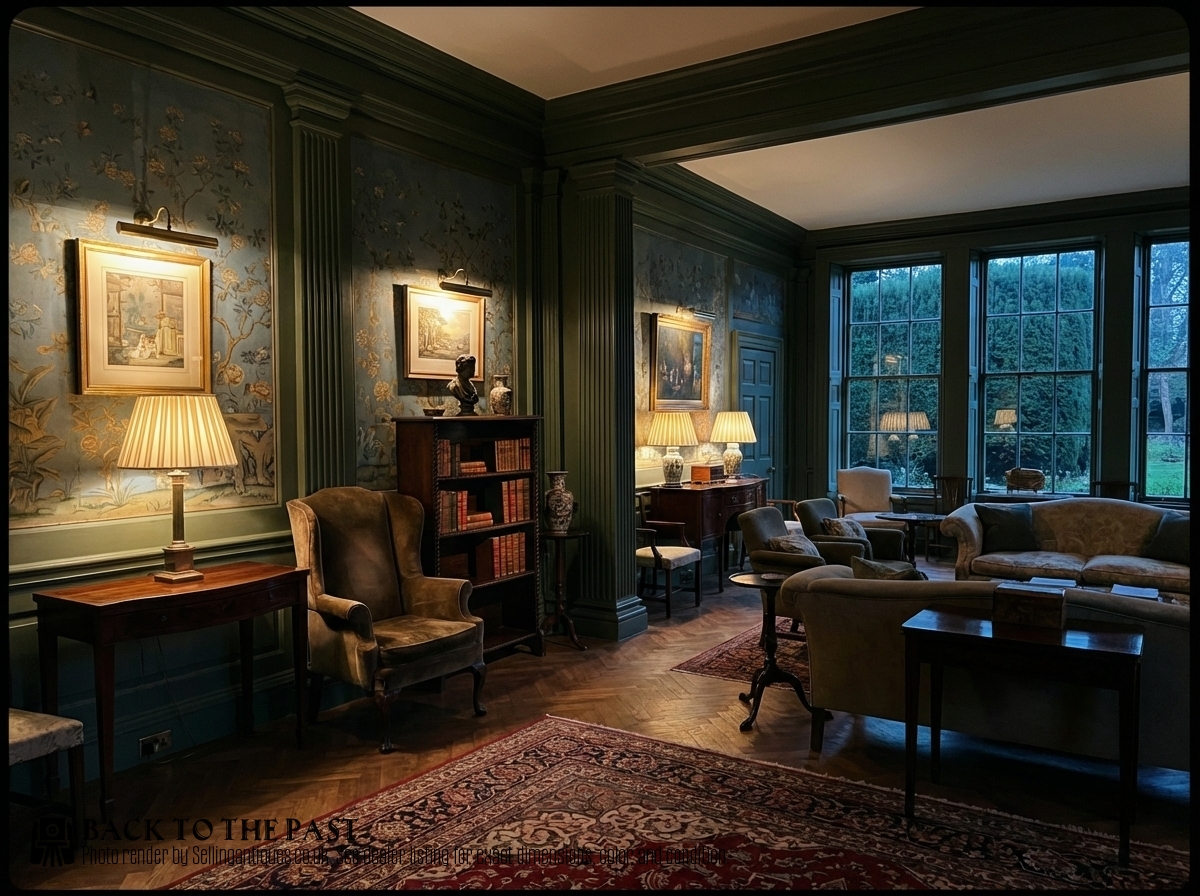
Tall Oak Shelving Unit
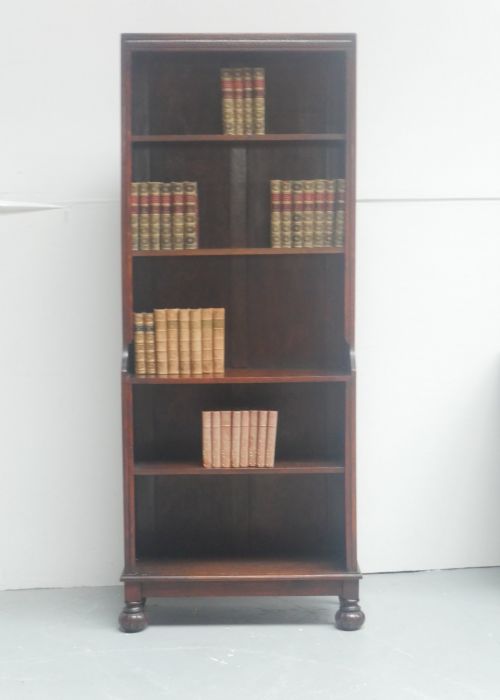
A tall oak shelving unit primarily takes the form of an open bookcase designed to hold vertical rows of books and decorative objects. These pieces appear across several periods including the Victorian era, the Edwardian years, and the 1920s.
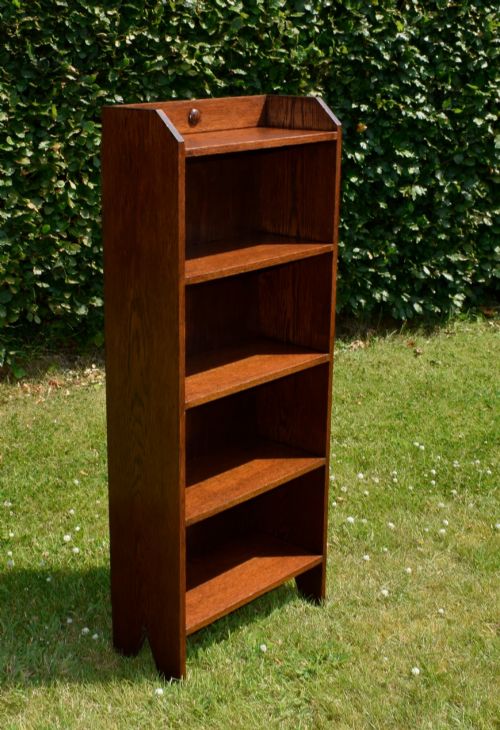
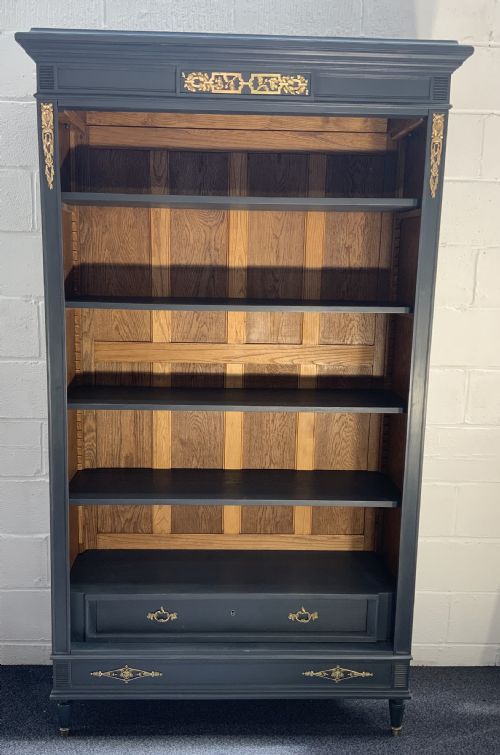
Most examples rely on open fronts for easy access, though stylistic variations range from Arts and Crafts designs to French Provincial and Art Deco interpretations. Buyers encounter standard upright bookcases alongside specialised waterfall and adjustable shelved formats.
Origins span British workshops as well as French traditions, utilising timber finished either in natural golden tones or painted surfaces. The vertical proportions allow these units to maximise wall storage without occupying excessive floor space.
Materials and construction methods
Makers constructed these tall units predominantly using solid oak, prized for its durability and prominent grain pattern, sometimes supplemented by painted wood surfaces. Golden oak finishes and beaded edges frequently highlight the natural timber construction.
Metal and brass embellishments appear selectively as functional hardware or decorative accents, particularly on transitional and continental pieces. Adjustable shelving mechanisms and carved mouldings demonstrate the mechanical joinery employed to support heavy loads.
Listings feature oak alongside painted wood and brass, spanning the Victorian era through the 1930s.
Distinguishing levels of craftsmanship
Quality in a tall oak shelving unit rests upon the selection of timber and the integrity of the structural joints. Superior pieces feature thoughtful proportions and refined mouldings rather than purely utilitarian assembly.
The inclusion of functional mechanisms, such as cleanly operating adjustable shelf supports, separates standard workshop production from finer cabinetmaking. Artisanal touches like brass embellishments or specific stylistic carvings elevate certain pieces above standard utility.
WYLIE LOCHHEAD of GLASGOW·E.A. TAYLOR
The Tall Oak Shelving Unit Glossary
- Open bookcase
- A piece of furniture featuring multiple horizontal shelves without doors to enclose the storage space. This format allows immediate visibility and retrieval of contents.
- Waterfall bookcase
- A shelving unit where each successive tier steps back from the one below it, creating a profile reminiscent of cascading water. This style gained popularity during the early twentieth century.
- Adjustable shelves
- Internal boards resting on moveable supports that allow the user to alter vertical spacing between tiers. This feature accommodates books and objects of varying heights.
- Golden oak
- A bright, warm timber finish applied to oak furniture to accentuate the natural medullary rays in the wood. It became widely used in late Victorian and Edwardian production.
- Arts and Crafts
- A design movement emphasising handcraftsmanship, simple structural forms, and the natural qualities of materials. Pieces from this tradition often display honest joinery without excessive ornamentation.
Tall Oak Shelving Unit: Frequently Asked Questions
How do I style a tall oak unit?
Balance heavy volumes with decorative objects and adequate breathing space between shelves to prevent a cluttered appearance. Alternating vertical book stacks with horizontal piles creates visual variety.
Position the unit against a sturdy wall where natural light can highlight the oak grain and any decorative mouldings without fading the timber over time.
Are the shelves adjustable?
Many period examples include adjustable shelving systems that allow you to modify shelf heights for different book sizes. Check the specific description of each piece to confirm the presence of adjustable tracks or peg supports.
Fixed shelves often indicate earlier or simpler traditional construction where stability was prioritized over flexibility.
What is golden oak?
Golden oak is a warm, light timber finish frequently applied to furniture produced around the turn of the twentieth century. It highlights the natural grain and flake patterns characteristic of quarter-sawn oak.
This finish brightens interiors while maintaining the durability associated with heavy hardwood construction.
How do I identify an Arts and Crafts piece?
Arts and Crafts units emphasise honest construction, visible joinery, and minimal ornamentation that celebrates the natural material. Look for unpretentious oak surfaces and thoughtful proportions rather than applied decorative veneer.
Designers from this movement prioritized utility and craftsmanship over historical revival styles.