


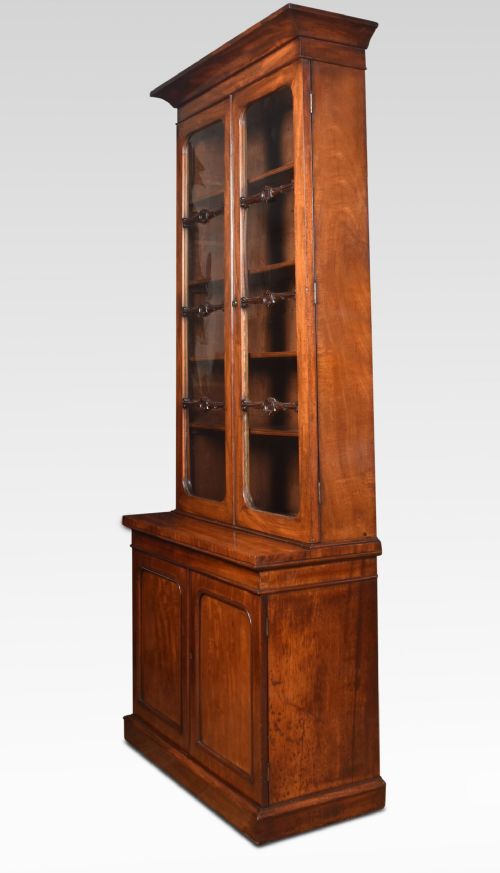


Tall Narrow Glazed Cabinet
A tall narrow glazed cabinet provides vertical storage and display for books or objects, offering practical elegance for compact rooms.
Tall Narrow Glazed Cabinet
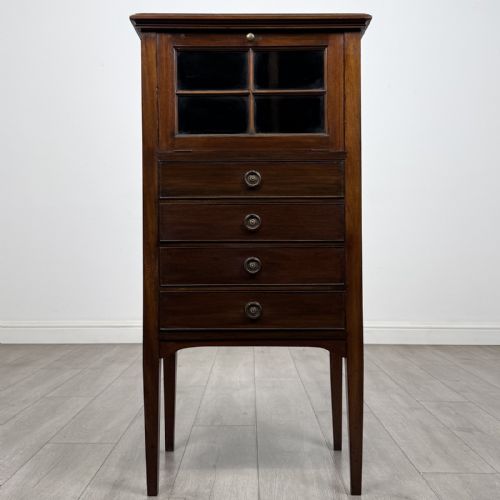
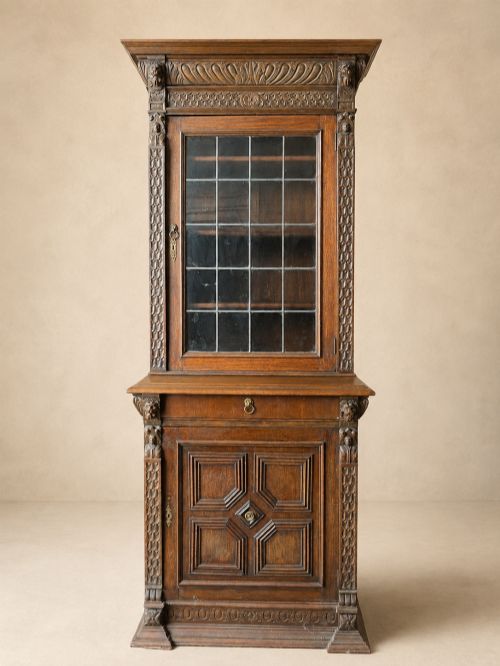
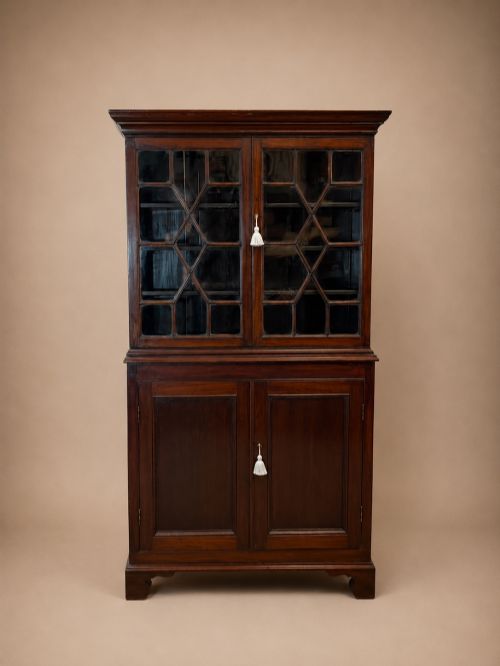
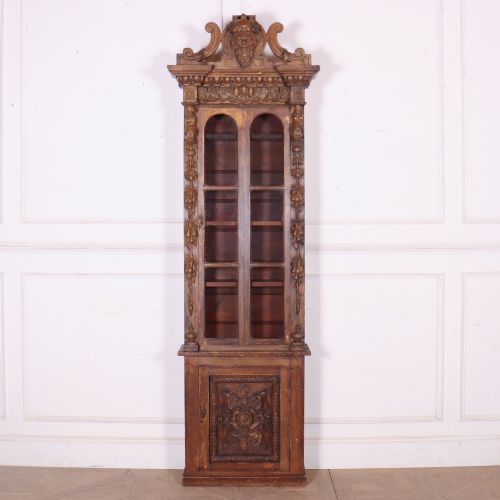
A tall narrow glazed cabinet combines vertical proportions with glass panels to display books, porcelain, or curiosities without consuming excessive floor space. These pieces serve functions ranging from freestanding shop displays and music storage to library bookcases and drawing room pier cabinets.
The versions met most often span the Victorian and Edwardian periods, constructed in forms such as astragal glazed bookcases, corner cupboards, and slender vitrines. Makers utilised rich timbers like mahogany, walnut, and oak to suit domestic interiors.
Originating largely from British workshops and late nineteenth-century enterprises, these cabinets adapt easily to modern rooms where floor space is limited. Their narrow footprint allows them to fit awkward recesses while providing full-height shelving.
How they were made
Cabinet makers constructed the carcasses using solid timbers and veneers, predominantly mahogany, oak, and walnut, often enhanced with burr walnut or marquetry inlays. Brass hardware provided functional closures and hinges for the doors.
Glazing techniques involved lead came or wooden astragal bars dividing the glass panes into geometric patterns. Pine and hardwood served for internal shelving and backing boards, while carved details added architectural punctuation to cornices and panels.
Some slender music cabinets secretly preserved generations of forgotten waltzes folded neatly behind their glazed doors.
What varies in quality
The caliber of a tall narrow glazed cabinet rests upon the selection of timber figures and the precision of the joinery. Dense burr walnut, finely figured mahogany, and intricate marquetry indicate higher ambition from the workshop.
Construction details such as slender astragal bars, hand-beveled glass, and well-executed decorative carving separate standard utility pieces from finer salon or library furniture.
Minty
The Tall Narrow Glazed Cabinet Glossary
- Astragal glazed
- A method of framing glass windows within a cabinet door using thin wooden mouldings. These bars divide the glass into smaller panes.
- Pier cabinet
- A low or tall narrow cabinet designed to stand against a wall pier between windows. They frequently feature glazed doors for displaying porcelain.
- Burr walnut
- A prized timber veneer taken from the warted growths on walnut trees. It yields a swirling, highly decorative grain pattern.
- Marquetry
- The art of applying pieces of veneer to a structure to form decorative patterns. Craftsmen use various tinted woods to create pictures or geometric designs.
- Vitrine
- A glass-fronted display cabinet used for showing off fine objects or curiosities. The term derives from the French word for glass.
Tall Narrow Glazed Cabinet: Frequently Asked Questions
Where should I place a tall narrow glazed cabinet?
These cabinets suit narrow wall spaces, alcoves, and hallways where standard furniture proves too bulky. Their vertical orientation draws the eye upward.
They function effectively in studies for books or in living areas for displaying ceramics and glassware.
How do I distinguish Victorian from Edwardian cabinets?
Victorian examples often display heavier proportions, darker finishes, and Gothic or Renaissance Revival influences. Carved ornamentation tends to be more robust.
Edwardian pieces generally present lighter mahogany frames, delicate astragal glazing, and simplified lines influenced by Arts and Crafts ideals.
What were music cabinets used for?
Music cabinets served to store sheet music and scores in nineteenth-century drawing rooms. They featured internal shelves or drop-down compartments.
Today, their slim proportions make them versatile cupboards for slim books, paperwork, or general display.
Are the glass panes original?
Many surviving cabinets retain their early glass, which often exhibits slight waviness, bubbles, or imperfections consistent with older manufacturing methods.
Examining the putty and the fit within the astragal bars helps determine whether the glazing dates to the construction period.