
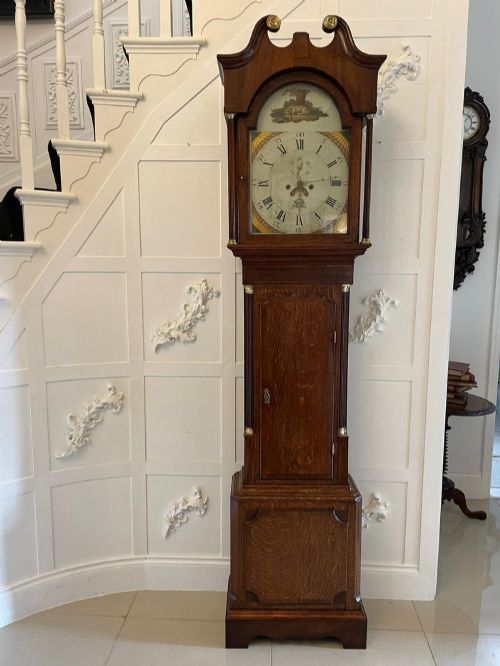
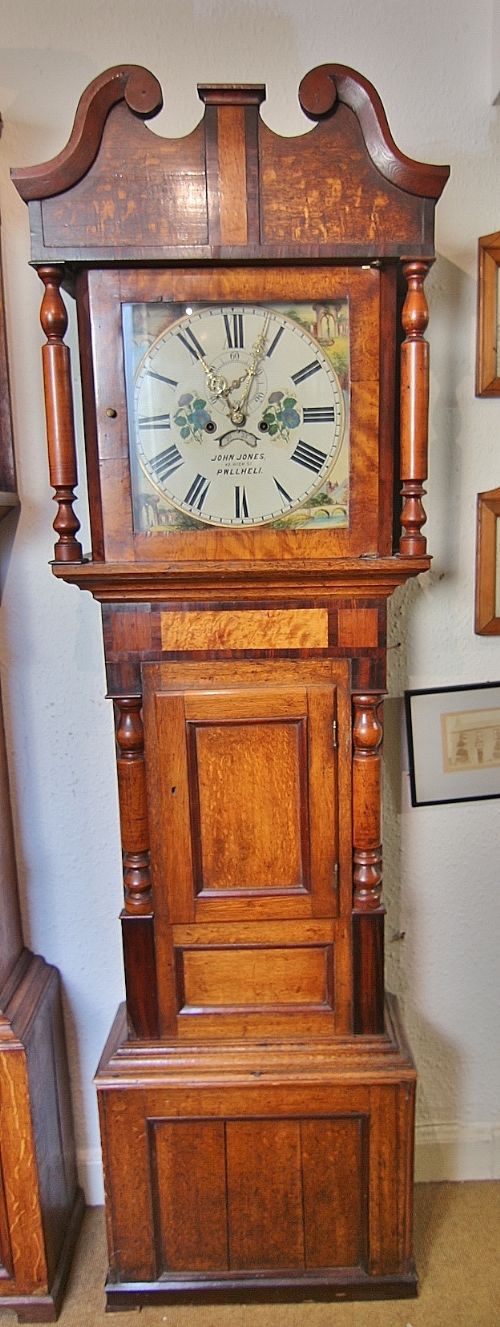
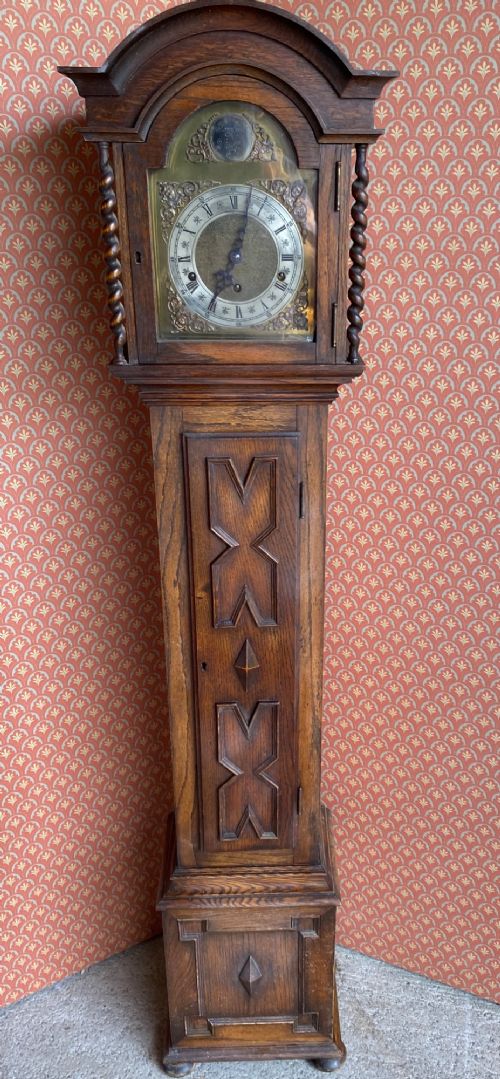
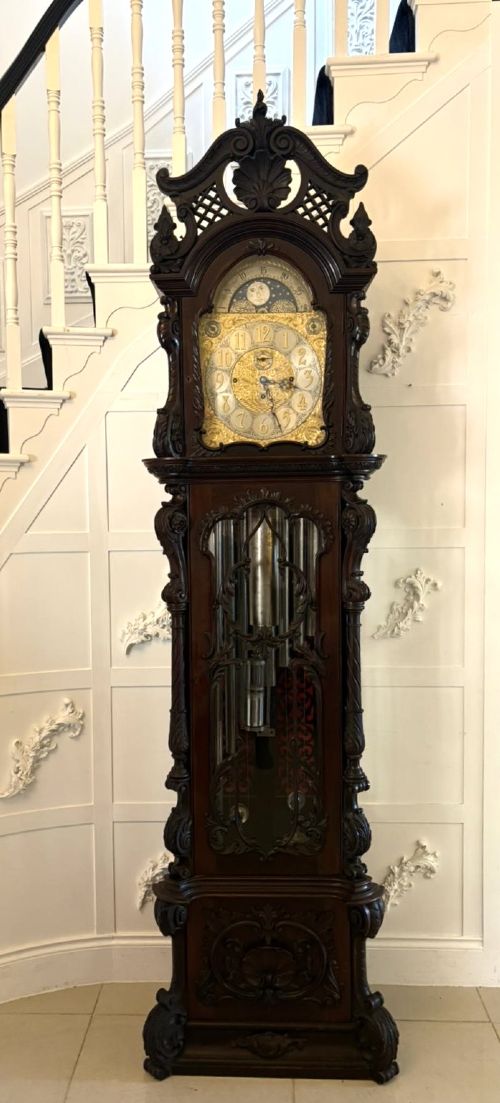
Tall Grandfather Clock
A tall grandfather clock anchors a room with steady movement and substantial height, bringing centuries of skilled timekeeping into a modern home.
Tall Grandfather Clock
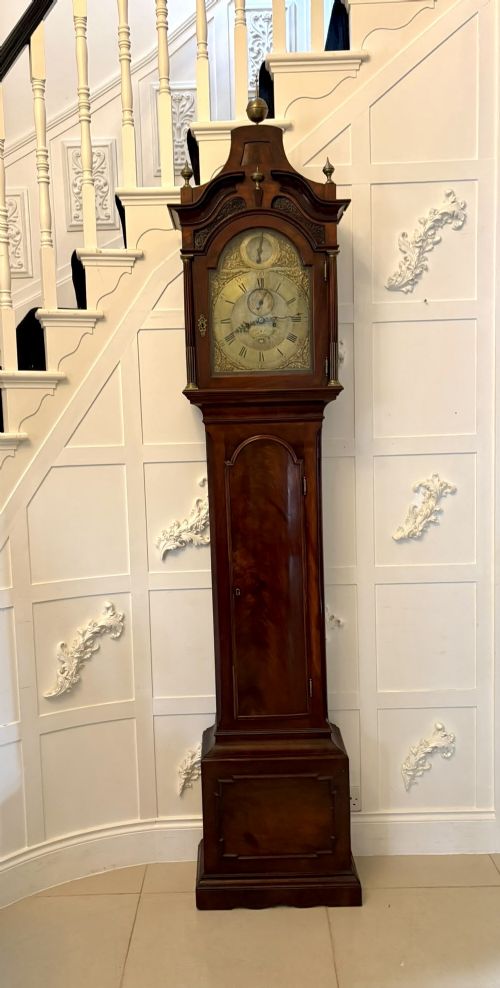
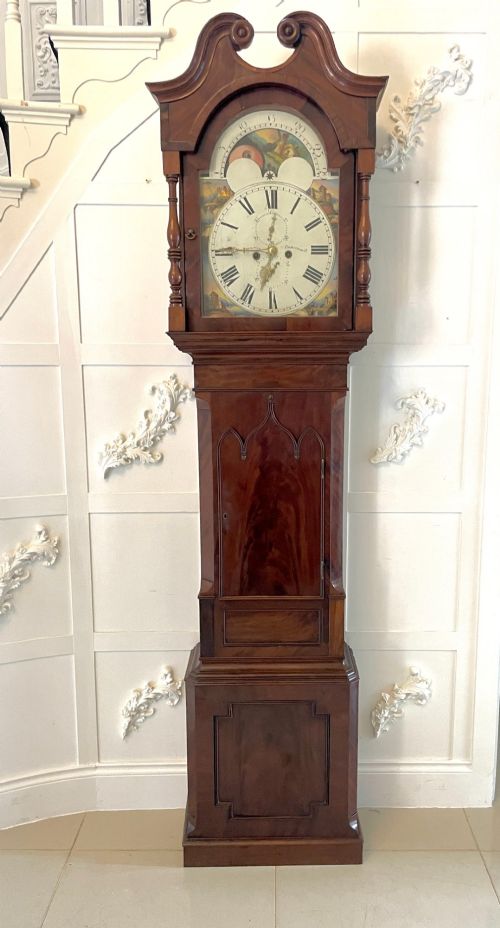
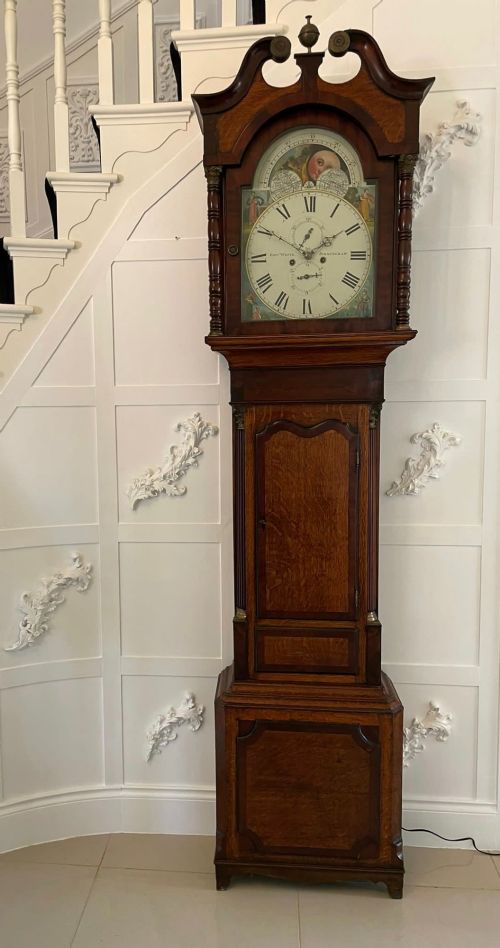
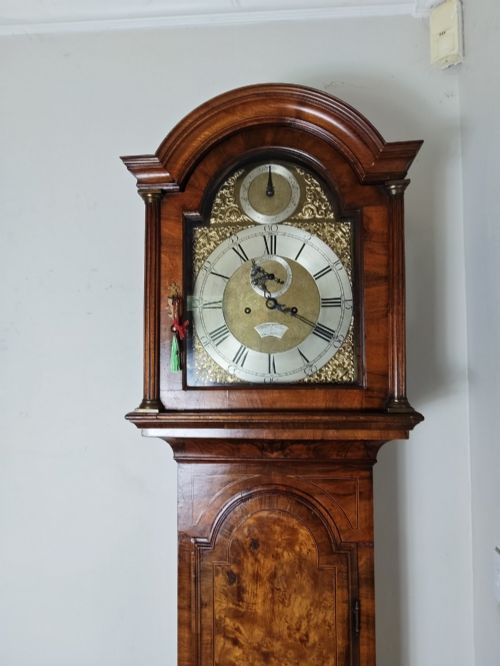
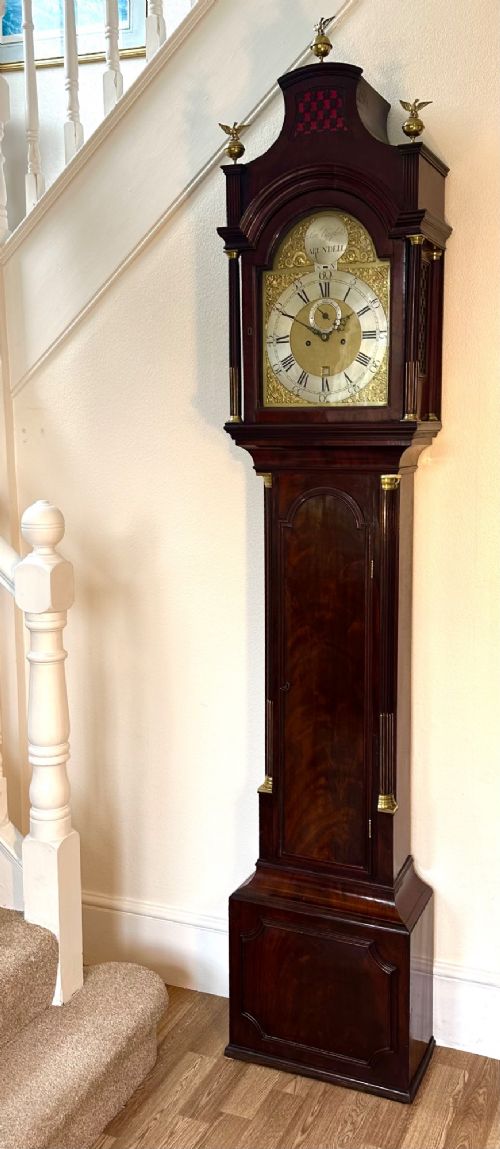
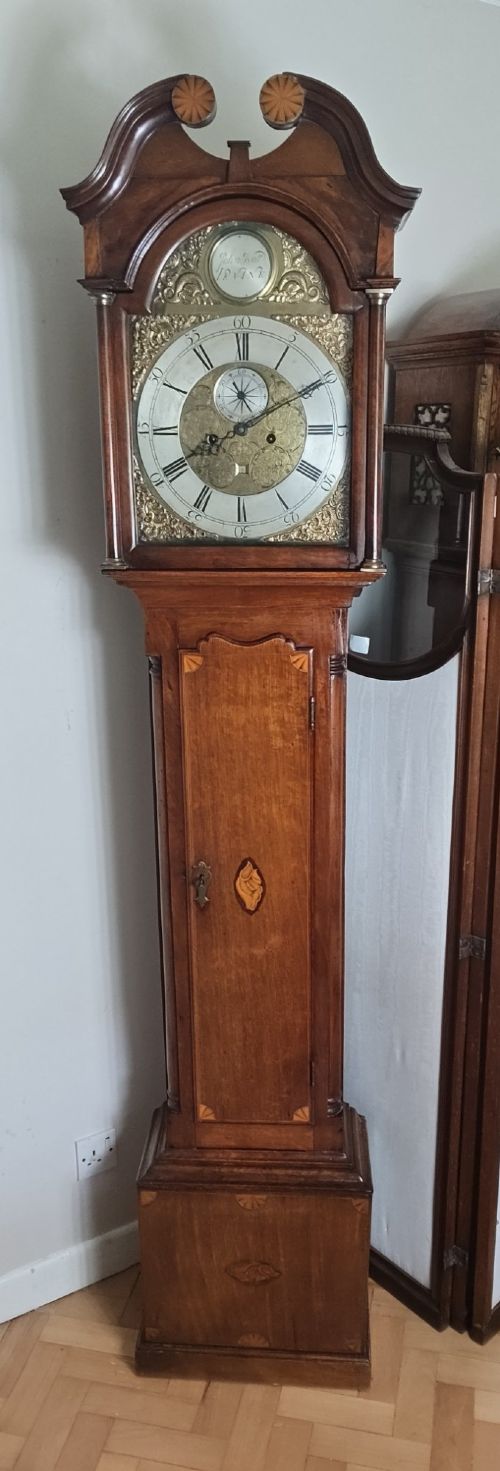
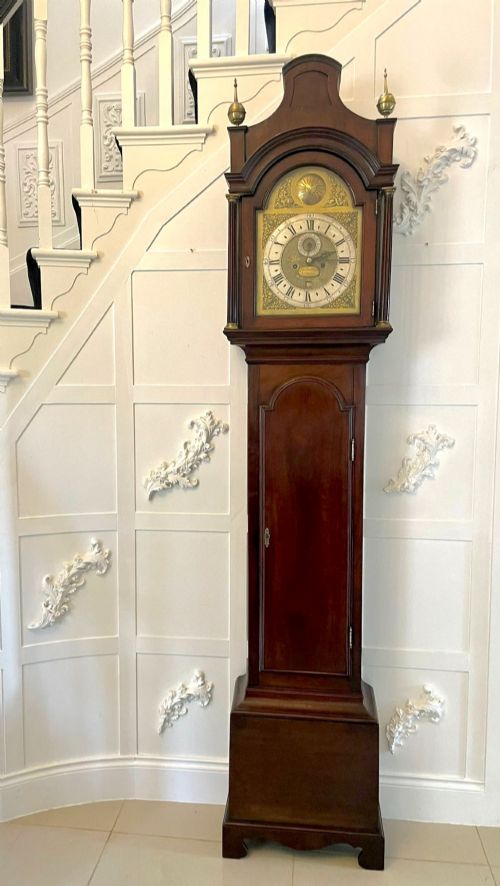
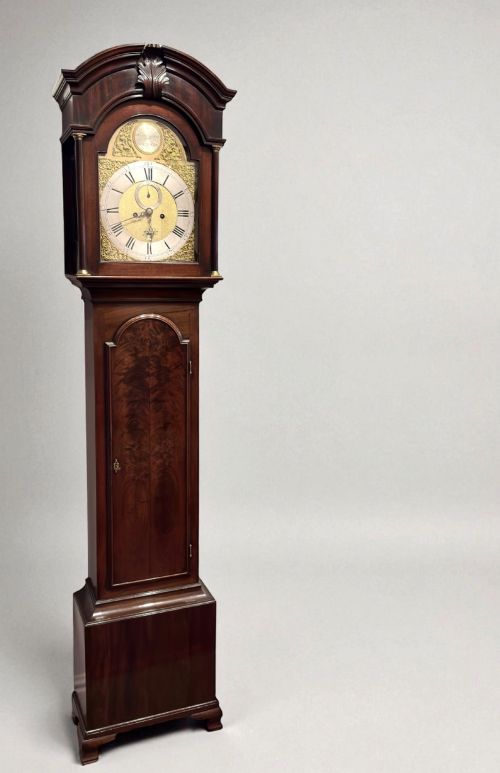
When you search for a tall grandfather clock, you encounter longcase floor clocks spanning the Georgian, Victorian, and Edwardian eras. These upright timepieces house intricate movements within timber cases, ranging from robust provincial oak to finely figured mahogany and burr walnut.
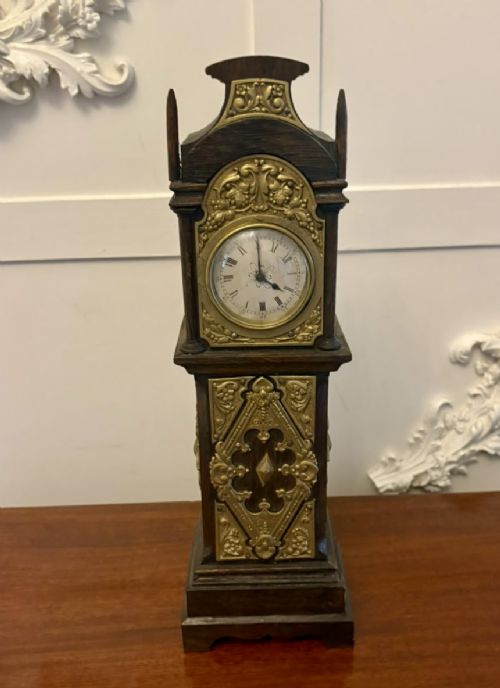
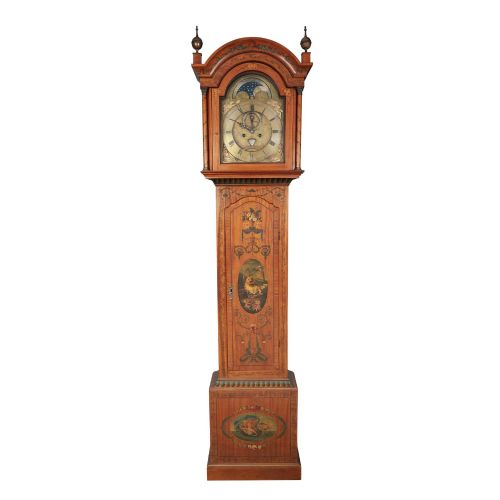
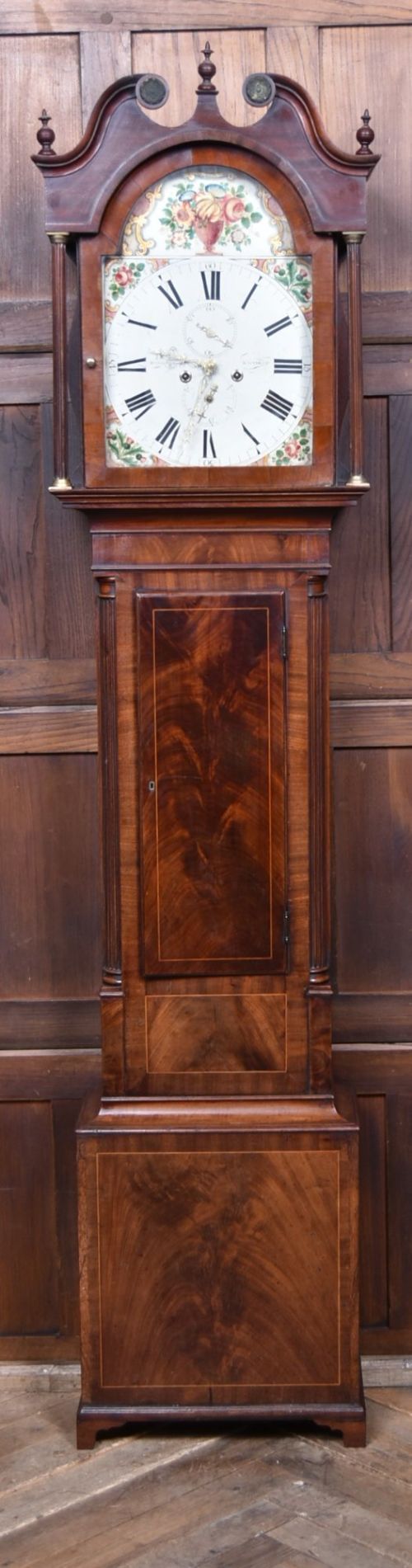
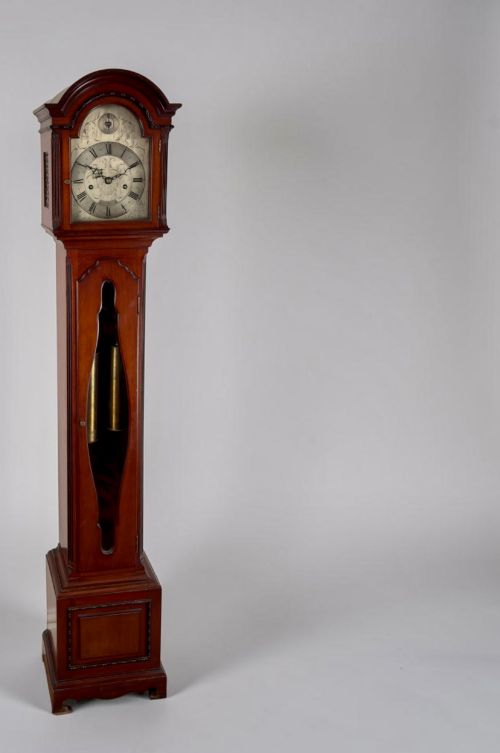
The pieces on this page appear predominantly in mahogany and oak, often featuring traditional dial displays such as moon phases or painted iron faces. Alongside standard proportions, shorter grandmother clocks and miniature table versions also appear within the selection.
Originating from English and Scottish workshops, these clocks reflect regional preferences in dial design and cabinet timber. Regional cabinetmakers and London watchmakers alike contributed to the diverse forms seen across the periods.
How they were made
Cabinetmakers built the tall wooden cases using sturdy timbers like oak, mahogany, and walnut, frequently applying decorative veneers, burr sections, or subtle inlay work. Glass doors protected the swinging pendulum and weights, while brass and painted iron formed the striking clock dials.
Horologists constructed the internal gear trains in brass and steel to drive eight-day movements, moon rollers, and chiming mechanisms. Dial faces combined engraved brass chapter rings with delicate hands and signature plates bearing the maker's name.
Listings feature oak, mahogany, walnut, and burr walnut timbers across Georgian, Victorian, and Edwardian periods.
What varies in quality
Quality rests in the harmony between the cabinetwork and the sophistication of the internal movement. Finer examples display carefully selected timber veneers, precise marquetry, and dials signed by notable makers with complex moonphase or chiming complications.
Proportion and execution distinguish regional vernacular pieces from grand metropolitan productions. The crispness of carved details, the weight of the brass dial components, and the original integrity of the case determine the standing of each clock.
John Taylor London·Edward White Birmingham·Charles Shuckburgh London·James Field Hempstead·Richard Corless Stockport·Samuel Kellett Bredbury·Gillett and Johnston Croydon·Handley and Moore London
The Tall Grandfather Clock Glossary
- Longcase clock
- An alternative term for a tall floor-standing pendulum clock housed in a wooden case. These tall timepieces protect the weights and pendulum within a vertical trunk.
- Moonphase
- A dial mechanism displaying the lunar cycle through a rotating disc showing the phases of the moon. This feature often appears painted or engraved on the upper arch of the clock face.
- Grandmother clock
- A smaller, more slender version of the traditional longcase clock produced during the twentieth century. These shorter floor clocks fit domestic spaces with lower ceiling heights.
- Burr walnut
- A highly figured wood veneer taken from the wart-like growths of walnut trees. Cabinetmakers utilised this material to create rich, swirling patterns on the doors and hoods of luxury clocks.
- Chapter ring
- The metal ring on a clock dial inscribed with the numerals for hours and minutes. These rings are commonly fashioned from silvered brass.
Tall Grandfather Clock: Frequently Asked Questions
How do I wind an eight-day grandfather clock?
Winding requires inserting a crank key into the winding holes on the dial face to raise the internal weights. Care must be taken not to overwind the mechanism.
Most eight-day movements need attention once a week. Keeping a steady routine helps maintain accurate timekeeping across the longcase mechanism.
Where should I place a tall grandfather clock?
Position the clock against an interior wall away from direct sunlight and heating vents to protect the wooden case and movement. A stable floor surface prevents vibrations that might interfere with the pendulum.
Allow enough clearance above the case for the hood to slide forward during maintenance. Adequate vertical space is essential for tall floor-standing models.
How do I tell an 18th-century clock from a 19th-century one?
Eighteenth-century examples often display square brass dials and simpler oak or early mahogany proportions. Makers during this period focused on robust mechanical reliability and traditional chapter rings.
Nineteenth-century models frequently incorporate arched painted dials, moon rollers, and refined mahogany veneers. Cabinet styles evolved to reflect Regency and Victorian aesthetic preferences.
What is the difference between a grandfather and a grandmother clock?
Grandfather clocks are tall floor-standing timepieces measuring over six feet in height, designed to house long pendulums and heavy weights. They dominate room proportions with their substantial presence.
Grandmother clocks are significantly shorter and narrower versions produced later in the twentieth century. They offer the traditional longcase aesthetic in a reduced scale.