




Tall Arched Dress Mirror
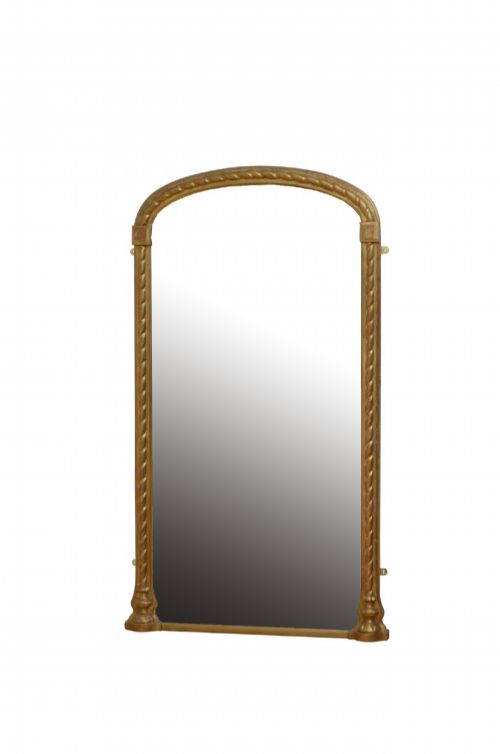
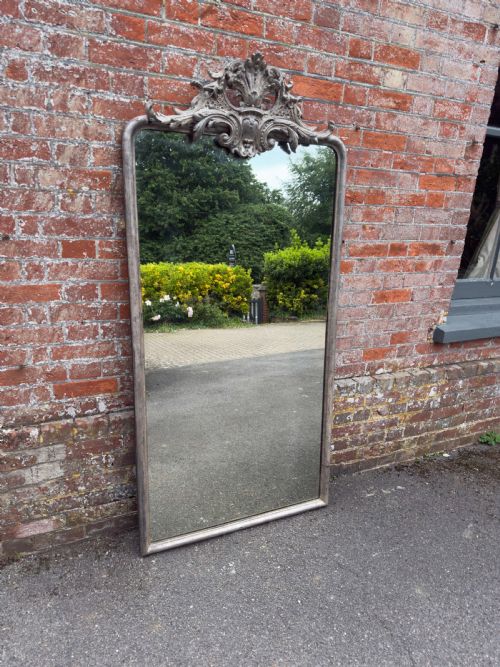
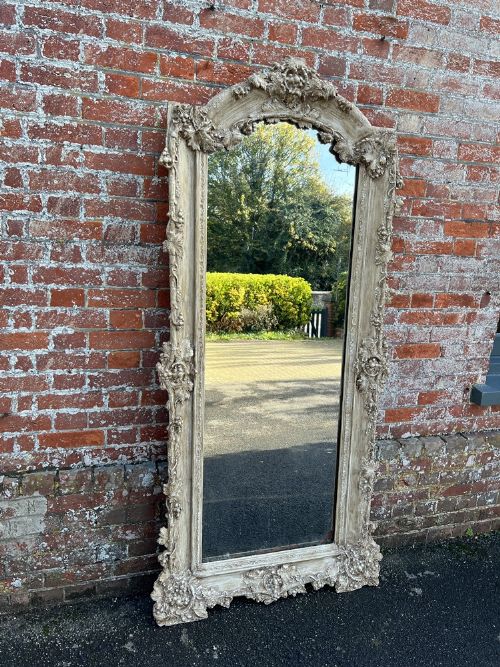
A tall arched dress mirror brings height and a curved crest to a room, reflecting light through generous glass.
Tall Arched Dress Mirror
A tall arched dress mirror serves as a prominent vertical glass, often designed as a leaner, pier mirror, or cheval glass to capture the full figure. These pieces span from the mid nineteenth century through the early twentieth century, drawing on Victorian and French Louis Philippe or Louis XIV influences.
The form relies on a soaring proportion combined with a rounded or shaped top arch. Buyers frequently encounter nineteenth century examples rendered in giltwood, carved wood, and gesso, alongside painted or silvered finishes.
Origin points divide broadly between English workshops and French ateliers. Wall mirrors, console mirrors, and dressing room glasses dominate the selection, offering either floor-standing stability or wall-mounted presence.
Materials and construction methods
Carved wood provides the primary structural framework, often built from walnut or softer timbers beneath decorative surfaces. Artisans applied layers of gesso over the wooden carcase to build up crisp relief details and rope carvings before gilding or painting.
Giltwood and silver leaf applications required meticulous laying of gold or silver leaf over bole. Paint and over-painted finishes followed, sealing the timber and creating the characteristic French chateau or Victorian aesthetic seen across the period.
Materials recorded across the selection include walnut, gesso, giltwood, silver leaf, and painted timber.
Distinguishing quality in period mirrors
Depth and precision of the wood and gesso carving separate standard frames from superior examples. Crisp execution in rope twists and floral motifs indicates skilled handwork rather than mass production.
The integrity of the original silvering or gilding matters significantly. Surfaces retaining their authentic nineteenth century patination hold greater character than later repainted or re-gilt alternatives.
The Tall Arched Dress Mirror Glossary
- Gesso
- A plaster mixture applied to wood frames to provide a smooth base for gilding or painting. It allowed carvers to achieve sharp relief details.
- Giltwood
- Timber coated with a thin layer of gold leaf or gold paint. This technique added opulent reflectivity to nineteenth century frames.
- Cheval mirror
- A freestanding full length mirror hung on a central pivot within a frame. It allows the glass to tilt to various angles.
- Pier mirror
- A tall glass designed specifically to hang on the wall between two windows, often placed above a pier table.
- Louis Philippe
- A French stylistic period from the mid nineteenth century characterised by understated curves and restrained classical ornamentation.
Tall Arched Dress Mirror: Frequently Asked Questions
Where should I place a tall arched dress mirror?
Position the piece against a solid wall in a bedroom, hallway, or living space where it can anchor the room vertically. Ensure there is enough clearance to view the entire reflection.
Leaner mirrors work well resting directly on the floor against a wall, while wall-mounted variants need secure fixings to support their substantial weight.
How do I care for antique mirror glass?
Clean the glass gently using a soft microfibre cloth and a mild, ammonia-free cleaning solution. Avoid spraying liquid directly onto the edges where moisture might seep behind the silvering.
Inspect the frame periodically and dust carved gesso or giltwood surfaces with a dry, soft brush to protect the historic finish.
Are these mirrors heavy to hang?
Period frames built from solid wood, gesso, and thick glass carry considerable weight. Proper wall anchors and professional installation are essential for safety.
Leaner models bypass wall mounting entirely but still require a stable floor surface and a non-slip base to prevent tipping.
How do I distinguish French and English styles?
French mirrors from this era often feature softer shaped tops inspired by Louis Philippe or Louis XIV designs, frequently rendered in gesso and painted finishes. English pieces tend to show robust carved wood frames with distinct Victorian proportions.
Examining the underlying timber construction and the style of the crest helps clarify the probable origin of the piece.