


Tabriz Floral Rug
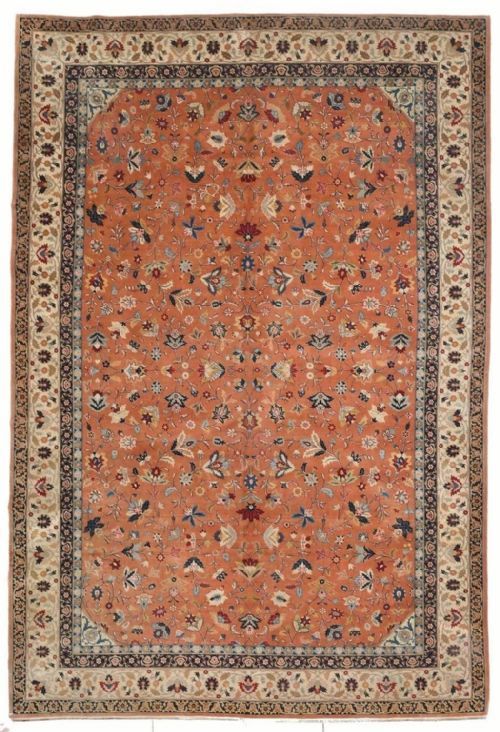
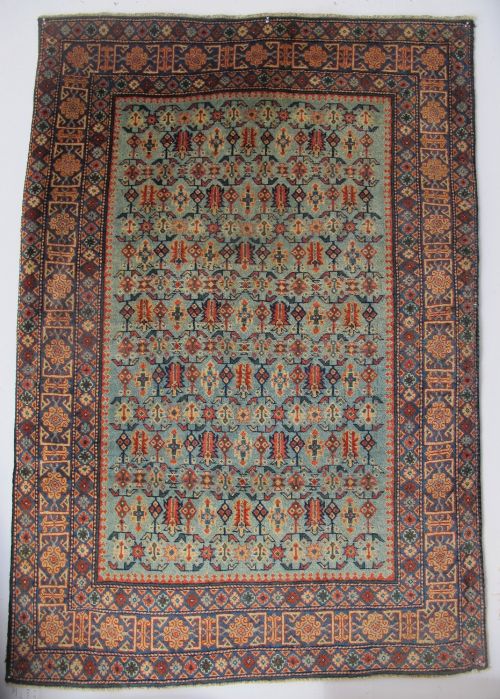
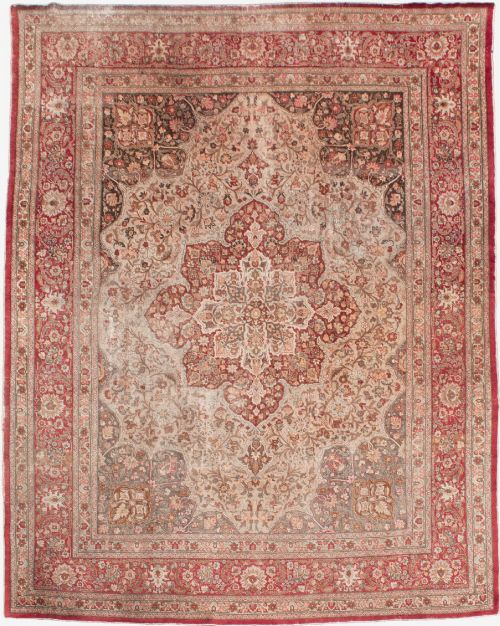
A tabriz floral rug brings classical Persian artistry into a room, offering intricate botanical motifs woven with enduring wool and cotton.
Tabriz Floral Rug
A tabriz floral rug represents a tradition of fine knotting originating from North-West Persia. These floor coverings range from intimate village formats to expansive country house carpets.
Most pieces encountered here date from the late nineteenth century through to the early decades of the twentieth century. Buyers will find classic medallion layouts, traditional floral vase designs, and unusual overall botanical patterns.
The aesthetic draws heavily on historical Persian styles, including Qajar and Safavid influences. Each rug balances intricate field ornamentation with detailed borders characteristic of the region.
Materials and construction
Weavers utilised a durable wool pile traditionally knotted onto a sturdy cotton foundation. This combination provided the structural stability required for both delicate room-size carpets and smaller area rugs.
Natural dye traditions yielded a palette spanning soft pastels to deeper traditional tones. The precision of the weave allowed makers to render complex floral arabesques and hunting scenes with distinct clarity.
The selection includes pieces spanning from the eighteenth century up to the 1930s, constructed entirely in wool and cotton.
Assessing the grade
Quality rests in the density of the knotting and the crispness of the botanical drawing. Finer examples display meticulous control over curved floral lines and intricate vase motifs.
The distinction between standard village production and master workshop pieces lies in the subtlety of the colour palette and the complexity of the overall design architecture.
Benlian·Haji Jalili
The Tabriz Floral Rug Glossary
- Medallion
- A central ornamental motif set into the field of the rug. It forms the focal point of traditional symmetrical designs.
- Arabesque
- A fluid scrollwork pattern composed of repeating plant and floral lines. This motif defines the classical Persian aesthetic.
- Prayer rug
- A specialised format featuring a mihrab or niche design at one end. Historically utilised for individual devotional use.
- Qajar period
- An era of Persian history spanning the late eighteenth to early twentieth centuries. Production from this time is noted for distinctive decorative arts.
Tabriz Floral Rug: Frequently Asked Questions
Where were these rugs made?
These pieces originate from Tabriz and the surrounding North-West region of Persia. The city has long functioned as a major centre for carpet production.
Master weavers in the area drew upon classical design repertoires, incorporating Persian Safavid and Qajar stylistic elements into their work.
How do I care for my rug?
Protect the wool pile by placing the rug in areas with moderate foot traffic and away from direct sunlight. Regular gentle vacuuming without a rotating brush helps remove embedded dust.
Professional cleaning should be undertaken periodically by specialists familiar with antique Persian textiles to preserve the cotton foundations and wool fibres.
What is a village rug?
Village rugs are pieces produced in smaller communities rather than urban workshops. They often exhibit charming variations in design and a more rustic construction.
These works frequently feature overall patterns reflecting local interpretations of classical floral motifs.
How are different periods told apart?
Dating relies on stylistic shifts, dye palettes, and structural characteristics visible in the foundation. Pieces from the eighteenth century show distinct Safavid and Zand influences.
Nineteenth and early twentieth-century examples incorporate structured medallion layouts alongside softer pastel colour schemes associated with specific workshops.