



Tabletop Glass Showcase
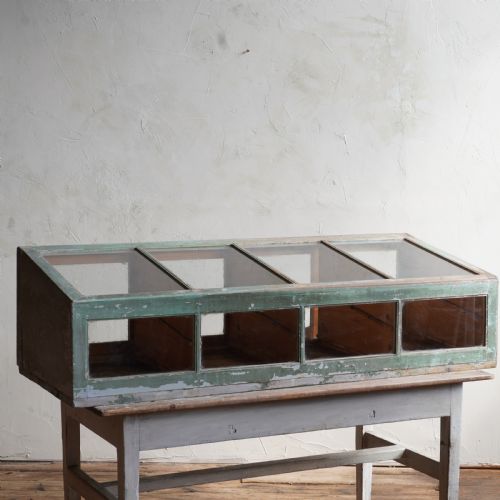
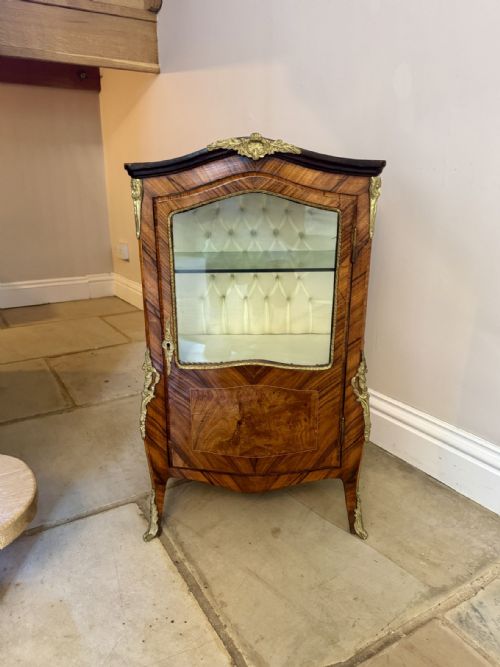
These tabletop glass showcase pieces let you display small treasures with traditional charm.
Tabletop Glass Showcase
A tabletop glass showcase offers a neat way to present small items clearly for view. When you search for a tabletop glass showcase, you meet glazed boxes and cabinets made to sit on counters or tables.
The selections span the nineteenth century through the nineteen-thirties, with Edwardian and nineteen-twenties commercial pieces appearing frequently. These range from simple oak or mahogany shop counters to velvet-lined jewellery cases and branded confectioner cabinets.
How they were made
Frames rely on timbers such as oak, mahogany, walnut, and ebonised wood, joined with glass panels to enclose the display area. Brass framing appears in several pieces, providing structural support alongside polished metal finishes.
Interiors often utilise fabric, mirror, or velvet linings to cushion and reflect the items placed inside. Some examples incorporate drawers or hinged doors for access, while others feature painted finishes or period sign-writing.
Tabletop Glass Showcase Retail Price Guide 2026
Typical asking prices for tabletop glass showcase among the pieces listed under this phrase on Sellingantiques today, from the lower quarter to the upper quarter. They describe what is for sale here now, not the wider market.
Listings span periods from eighteen-sixty through nineteen-thirty, encompassing Victorian, Edwardian, and Art Deco styles.
What varies in quality
The refinement of the timber framework and the clarity of the original glass set individual pieces apart. Finer examples display carefully selected burr walnut, kingwood, or detailed brass mounts rather than plain commercial construction.
Retaining original elements like fabric linings, drawers, and period branding distinguishes authentic shop fittings from altered or heavily restored items.
The Tabletop Glass Showcase Glossary
- Countertop display cabinet
- A glazed enclosure designed to sit upon a shop counter for merchandise presentation. These units give a clear view while protecting delicate goods from handling.
- Ebonised
- Wood treated to resemble ebony, achieving a dark, polished black finish. This technique was popular in nineteenth and early twentieth-century furniture production.
- Burr walnut
- Timber featuring swirling grain patterns caused by tree growths, valued for decorative cabinetwork. It provides a rich texture on display cases.
- Kingwood
- A dense, richly coloured hardwood often used for decorative banding and fine antique cabinetry. It brings deep tones to French display pieces.
- Glazed
- Fitted with glass panels to enclose a cabinet and protect contents from dust. This allows uninterrupted viewing from multiple angles.
Tabletop Glass Showcase: Frequently Asked Questions
Where should I place a tabletop glass showcase at home?
These cabinets sit comfortably on sideboards, desks, or large tables where natural light reaches the glass panels.
Ensure the surface is stable and level to support the weight of the timber and glass structure safely.
How do I clean the glass and wood safely?
Use a soft, dry cloth for wooden frames and gentle glass cleaner applied to a cloth rather than sprayed directly. This prevents moisture from seeping into old joints or fabric linings.
Avoid harsh chemical solvents that might damage polished surfaces or historic paintwork.
Can I store jewellery inside these cabinets?
Many variants feature velvet or fabric bases specifically suited for laying out rings, brooches, and small ornaments. The enclosed glass keeps dust away from delicate items.
Ensure the internal lining is clean and dry before placing metal items inside for long periods.
How do I identify an Edwardian showcase?
Edwardian pieces often feature lighter mahogany or oak framing with straightforward glazed doors made around the early twentieth century. They reflect the domestic and commercial styles of that specific period.
Look at the construction methods and timber choices to gauge the approximate age of the cabinet.