





Antique Brass Glass Box
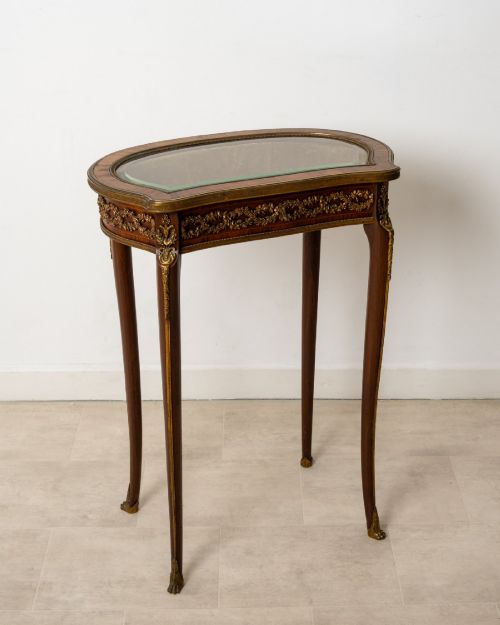
When you search for an antique brass glass box, you encounter refined metal-framed display caskets and fitted containers designed to hold jewellery, trinkets, and bottles.
Antique Brass Glass Box
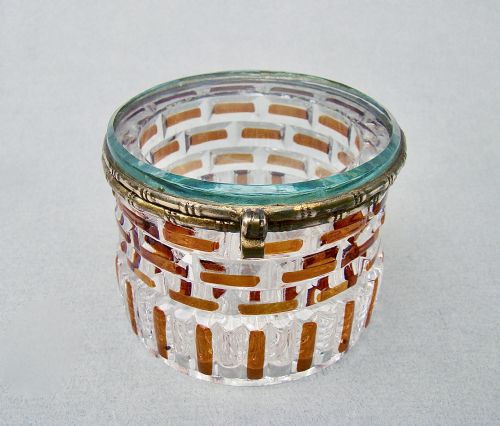
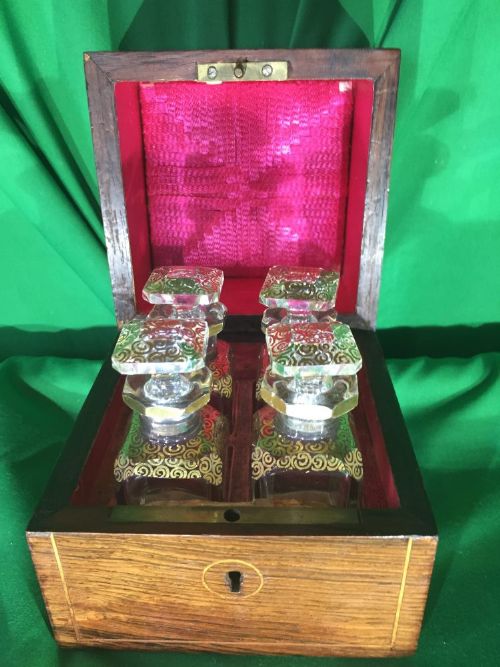
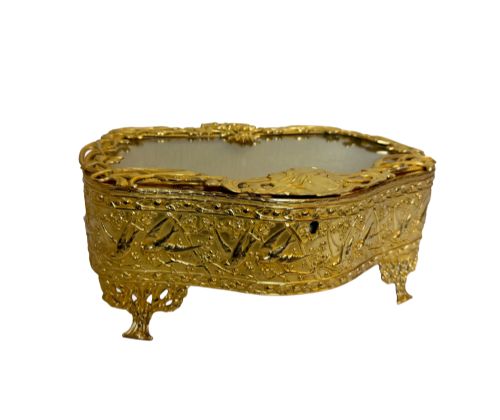
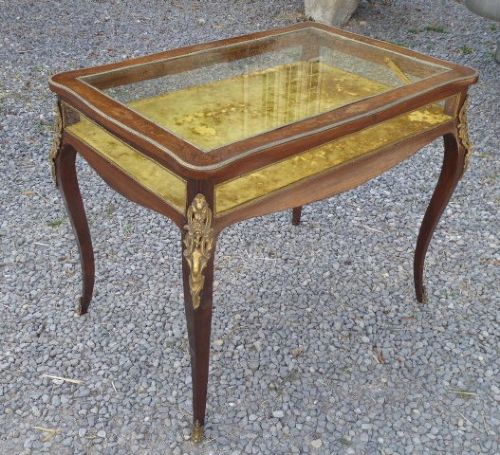
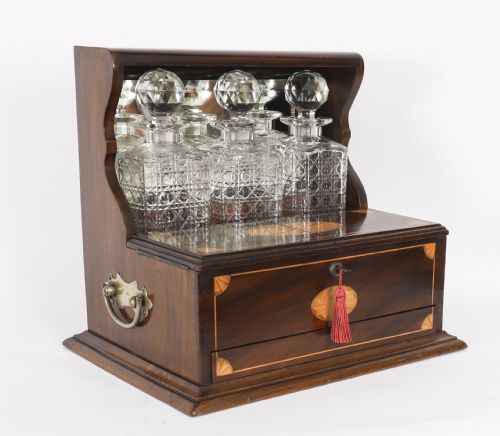
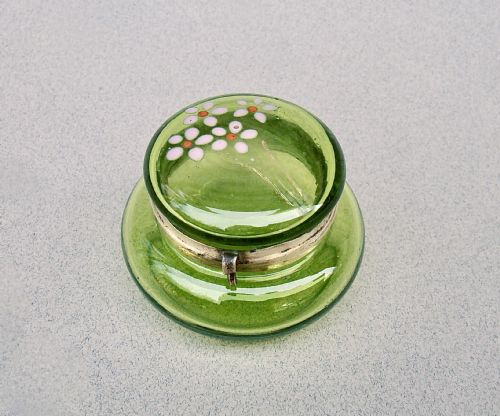
The antique brass glass box category encompasses a variety of fitted containers, display cases, and trinket caskets created during the Victorian, Edwardian, and Regency periods. Pieces range from small hinged glass trinket boxes with enamel details to larger table cabinets, tantalus sets, and jewellery caskets framed in metal.
Buyers frequently find items incorporating bevelled glass panels held within brass or gilt bronze frames, often lined with velvet or silk. Forms span from desk accessories and apothecary boxes to freestanding bijouterie tables and decorative novelty containers.
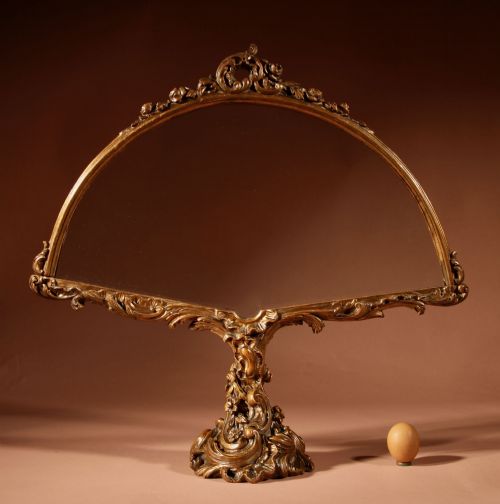
Origins include English workshops and French ateliers influenced by Rococo, Art Nouveau, and Napoleon III styles. These containers served functional roles in domestic interiors as secure repositories for valuables or as decorative display pieces.
How they were made
Construction relies on structural frames cast or fabricated from brass, ormolu, and gilt bronze, joined to glazed panels of clear, cut, or enamelled glass. Many examples integrate internal wooden carcases of mahogany, rosewood, coromandel, or walnut, fitted with compartments for bottles, inkwells, or writing instruments.
Decorative embellishments involve intricate metal casting, inlay work using mother of pearl and bone, and hand-painted enamel on porcelain or glass surfaces. Bevelled edges on glass panes and precision-fitted hinges reflect the high standard of period metalwork and joinery.
Antique Brass Glass Box Retail Price Guide 2026
Typical asking prices for brass glass box among the pieces listed under this phrase on Sellingantiques today, from the lower quarter to the upper quarter. They describe what is for sale here now, not the wider market.
Listings feature items spanning the Georgian, Regency, Victorian, and Edwardian eras, executed in brass, glass, mahogany, and rosewood.
What varies in quality
Distinction across the range lies in the weight and crispness of the brass casting, the clarity and thickness of the bevelled glass, and the integrity of internal fittings such as original velvet linings and cut crystal bottles. Finer examples display precise joints, substantial metal frames, and sophisticated surface ornamentation like marquetry or fire gilding rather than simple stamping.
The overall design ambition dictates the tier of the piece, separating standard utility containers from elaborate exhibition-quality bijouterie cabinets, matched tantalus sets, and Palais Royal novelties produced by skilled makers.
John Millikin
The Antique Brass Glass Box Glossary
- Tantalus
- A locked wooden or metal stand holding decanters, designed to prevent unauthorized access to the contents while displaying them through glass or barred panels.
- Ormolu
- Gilded bronze or brass applied as a decorative mount on furniture and boxes during the eighteenth and nineteenth centuries.
- Coromandel
- A dense, heavy timber imported from Asia, prized for its dark grain and rich colouring, frequently used for luxury Victorian dressing and stationery boxes.
- Bijouterie
- A low display case or table with glass panels designed specifically for showcasing small ornaments, jewels, and precious curiosities.
- Boulle
- A form of marquetry consisting of tortoiseshell and brass inlay, popular in French furniture and desk sets of the Napoleon III period.
Antique Brass Glass Box: Frequently Asked Questions
What were glass and brass boxes used for?
These containers served practical and decorative functions in the nineteenth-century home, holding personal items such as jewellery, stamps, writing materials, and scent bottles. They kept delicate possessions secure while allowing them to be displayed on dressing tables and desks.
Larger versions accommodated spirit decanters and drinking glasses within fitted compartments, acting as portable bars for entertaining guests in drawing rooms.
How do I identify a Victorian piece?
Victorian examples often feature heavy brass or ormolu mounts, dense timber carcases like walnut and coromandel, and bevelled glass panels. Stylistic cues include Gothic revival details, floral brass castings, and elaborate velvet or silk interior linings.
Construction methods also help with dating, as machine-sawn timber and stamped brass components became more common as the nineteenth century progressed.
Are the glass panels usually original?
Most surviving pieces retain their original hand-blown or cast glass panels, which often display minor surface imperfections and varied thickness. Bevelled edges executed with hand-grinding techniques are typical of quality nineteenth-century production.
Replacement glass is sometimes found on heavily used items, though crisp corner joints and matching patination across the metal frame usually confirm originality.
How should I care for an antique box?
Maintain these objects in stable environmental conditions away from direct sunlight and excessive moisture to protect delicate wood veneers, paper linings, and fabric interiors. Dust brass and glass surfaces gently with a dry, soft cloth without applying harsh chemical polishes.
Internal velvet and silk components require simple airing and protection from abrasive cleaning agents to preserve their original texture and colour.