
T Bar Albert Chain
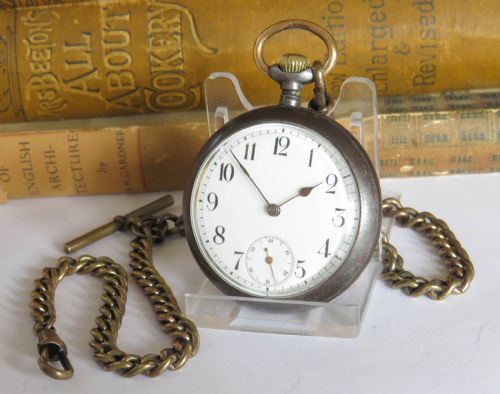
When you search for a t bar albert chain, you are looking at substantial pocket watch lengths designed to secure timepieces through buttonholes.
T Bar Albert Chain
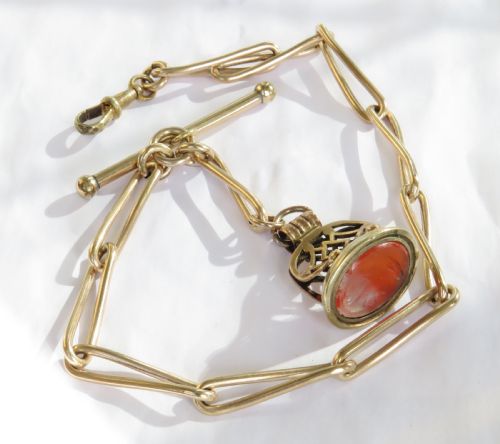
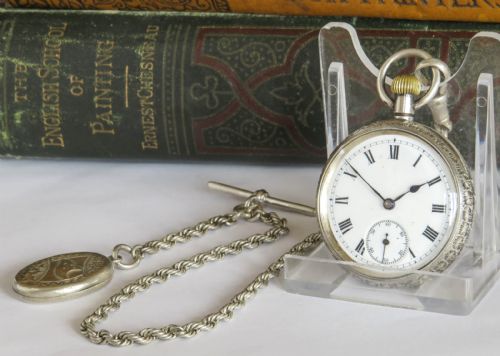
A t bar albert chain is a functional piece of Victorian, Edwardian and Art Deco jewellery originally created to anchor pocket watches to a waistcoat.
Most examples found here date from the late nineteenth century through to the 1920s, spanning the reign of Victoria, Edward VII and George V.
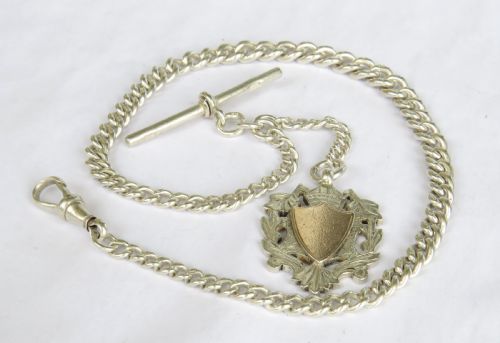
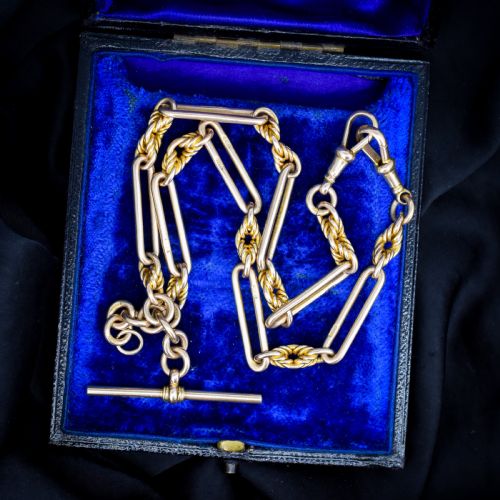
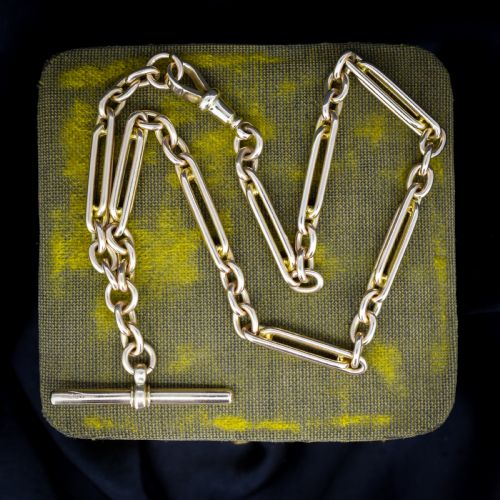
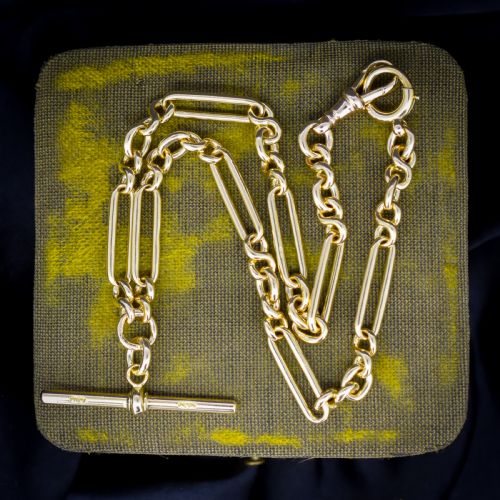
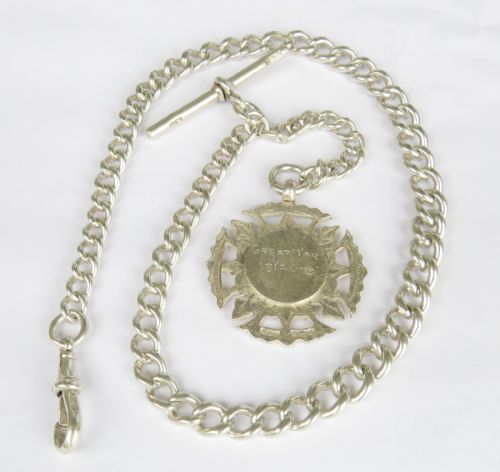
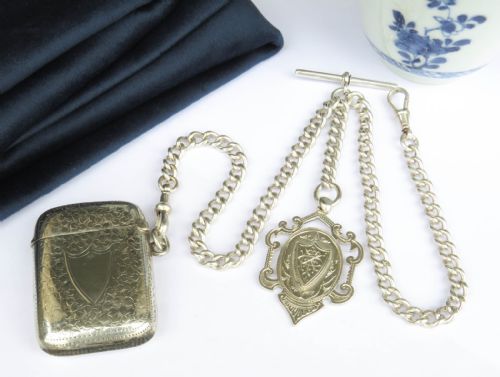
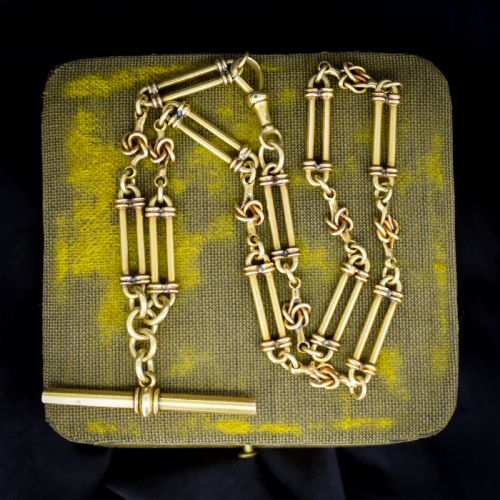
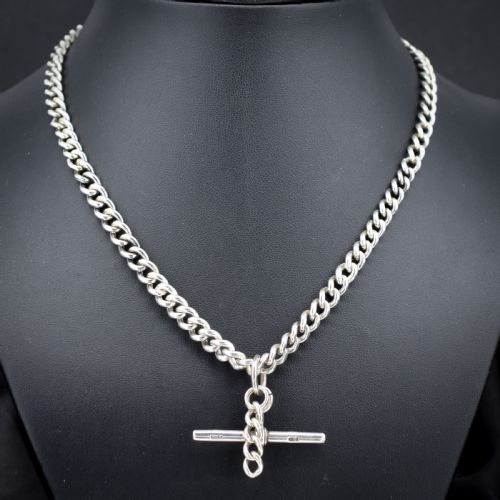
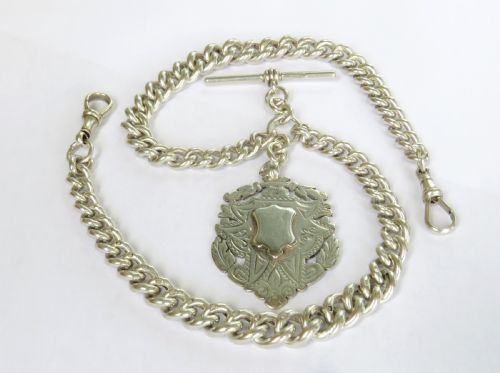
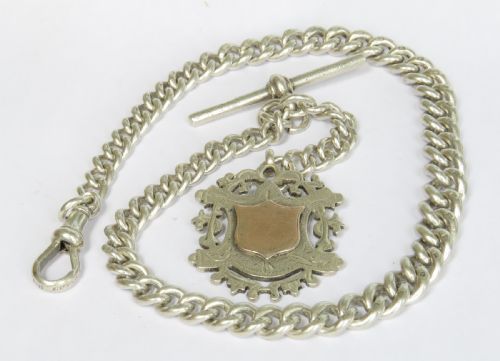
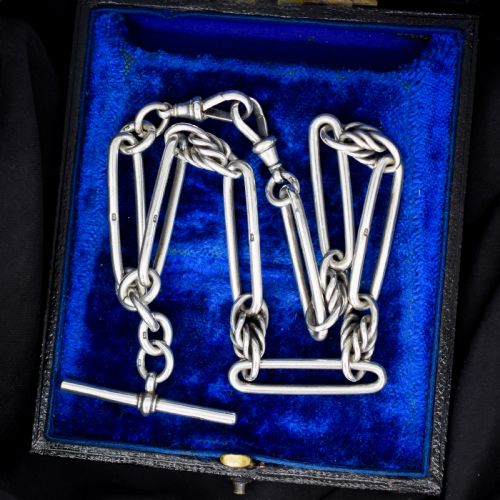
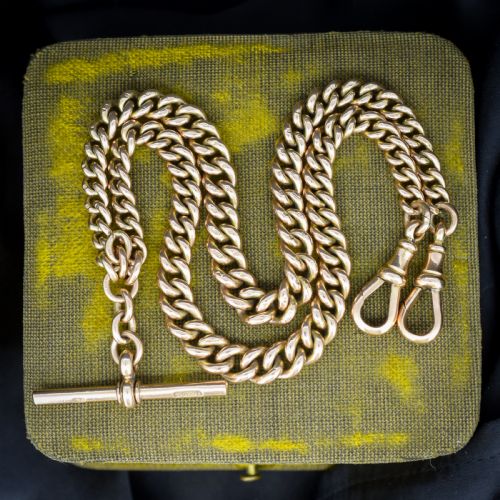
These items frequently appear as single or double lengths featuring curb, trombone, or love knot links alongside swivel dog clips and the characteristic transverse bar.
How they were made
Metals span sterling silver, 9ct yellow and rose gold, alongside rolled gold variants.
Links are shaped into distinct patterns such as uniform or graduated curbs, trombone variations, and paperclip styles, assembled by hand with secure jump rings and fitted with swivel dog clips.
What varies in quality
The overall gauge and weight of the metal links define the substance of the chain, ranging from delicate dress pieces to heavy, robust double strands.
Design complexity also sets examples apart, distinguishing plain uniform links from intricate configurations featuring alternating love knots, fancy patterns, and original suspended fobs.
The T Bar Albert Chain Glossary
- T-Bar
- The short transverse crossbar fastened at the end of the chain, designed to slip through a waistcoat buttonhole.
- Dog Clip
- A spring-loaded swivel clasp attached to the chain ends for securing pocket watches or fobs.
- Trombone Link
- An elongated rectangular metal link frequently interspersed with smaller circular or love knot links.
- Curb Link
- A chain formation composed of interlocking links that have been twisted to lie flat.
- Albertina
- A finer, multi-strand variant of the standard chain, historically worn as a bracelet or shorter necklace.
T Bar Albert Chain: Frequently Asked Questions
How do I wear an albert chain today?
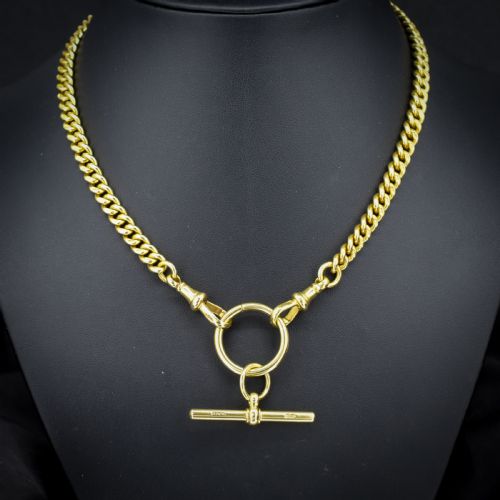
These pieces function readily as contemporary necklaces or wrap bracelets when detached from timepieces.
Securing the central crossbar through a loop or clasp allows the links to drape comfortably around the neck.
How can I date my chain?
Hallmarks stamped onto individual links or the crossbar provide official assay office symbols and date letters.
Stylistic elements like love knot links or specific link profiles further indicate whether a piece belongs to the Victorian or Edwardian eras.
Were these chains only made of gold and silver?
While solid sterling silver and 9ct yellow or rose gold dominate the historical record, alternative materials exist.
Rolled gold versions offered a durable, accessible option mirroring the appearance of solid precious metals during the early twentieth century.