


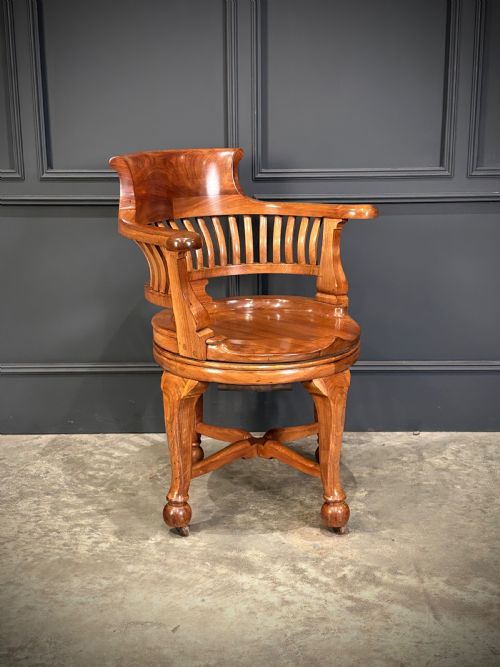


Swivel Study Armchair
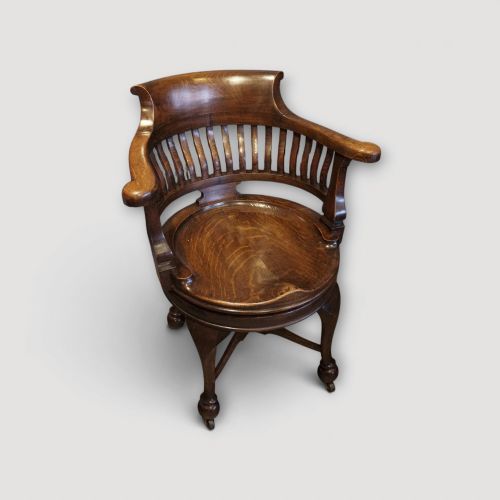
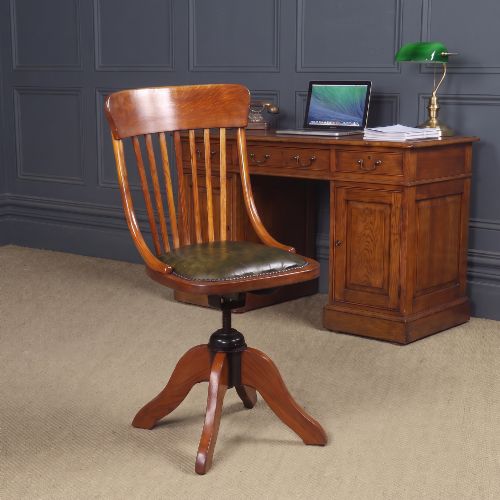
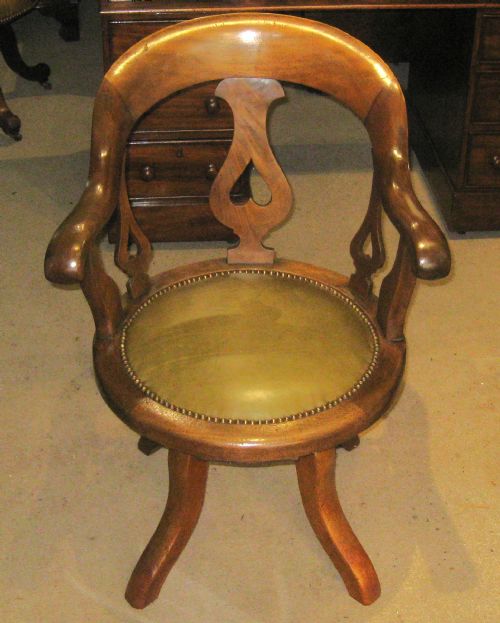
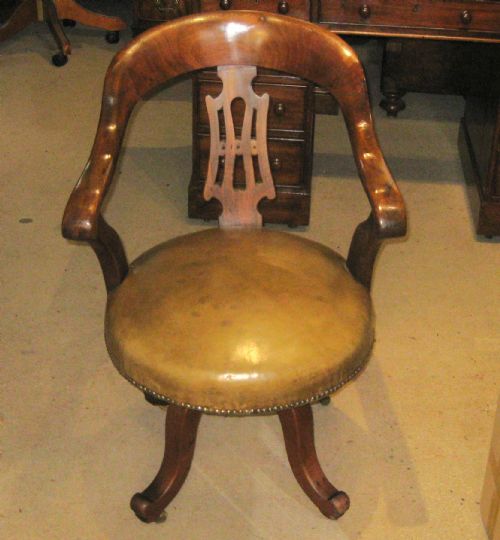
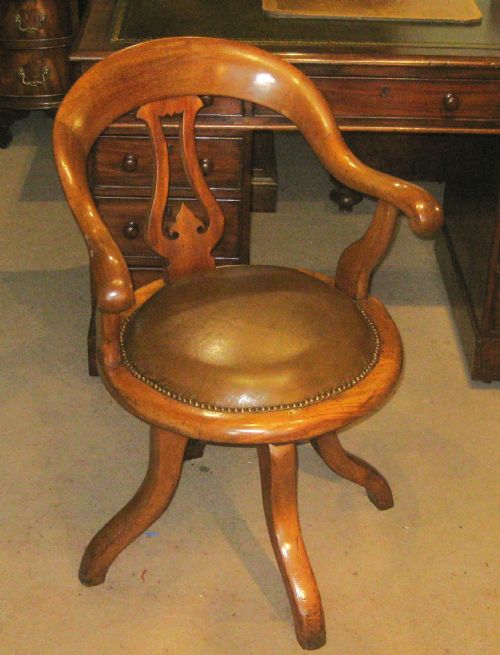
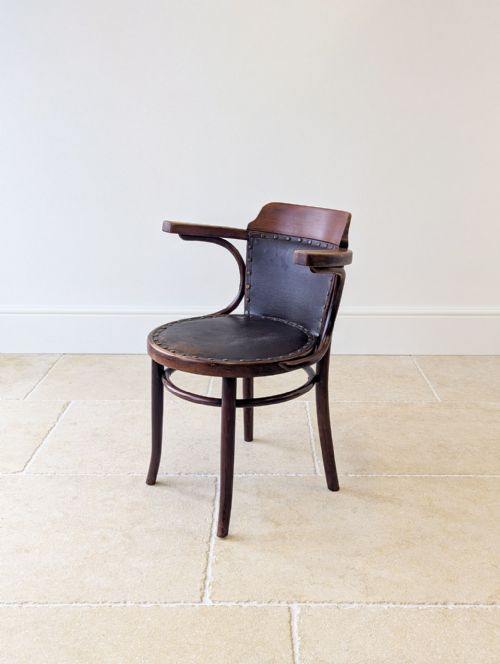
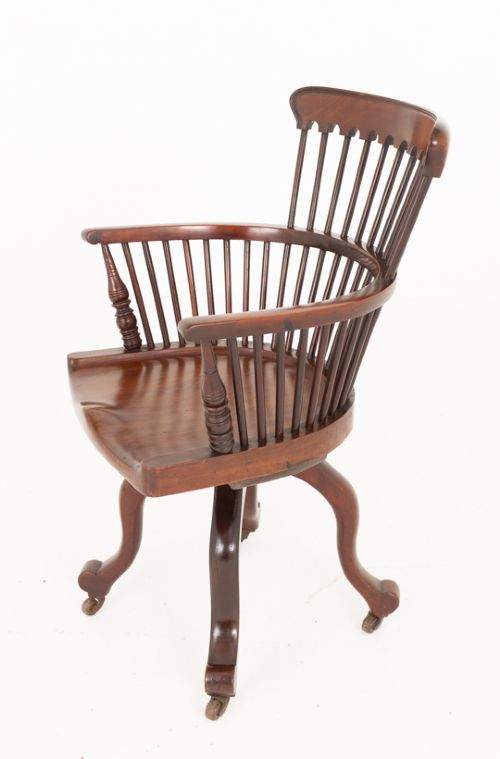
These swivel study armchair examples offer sturdy timber frames and leather upholstery designed for long hours at a desk.
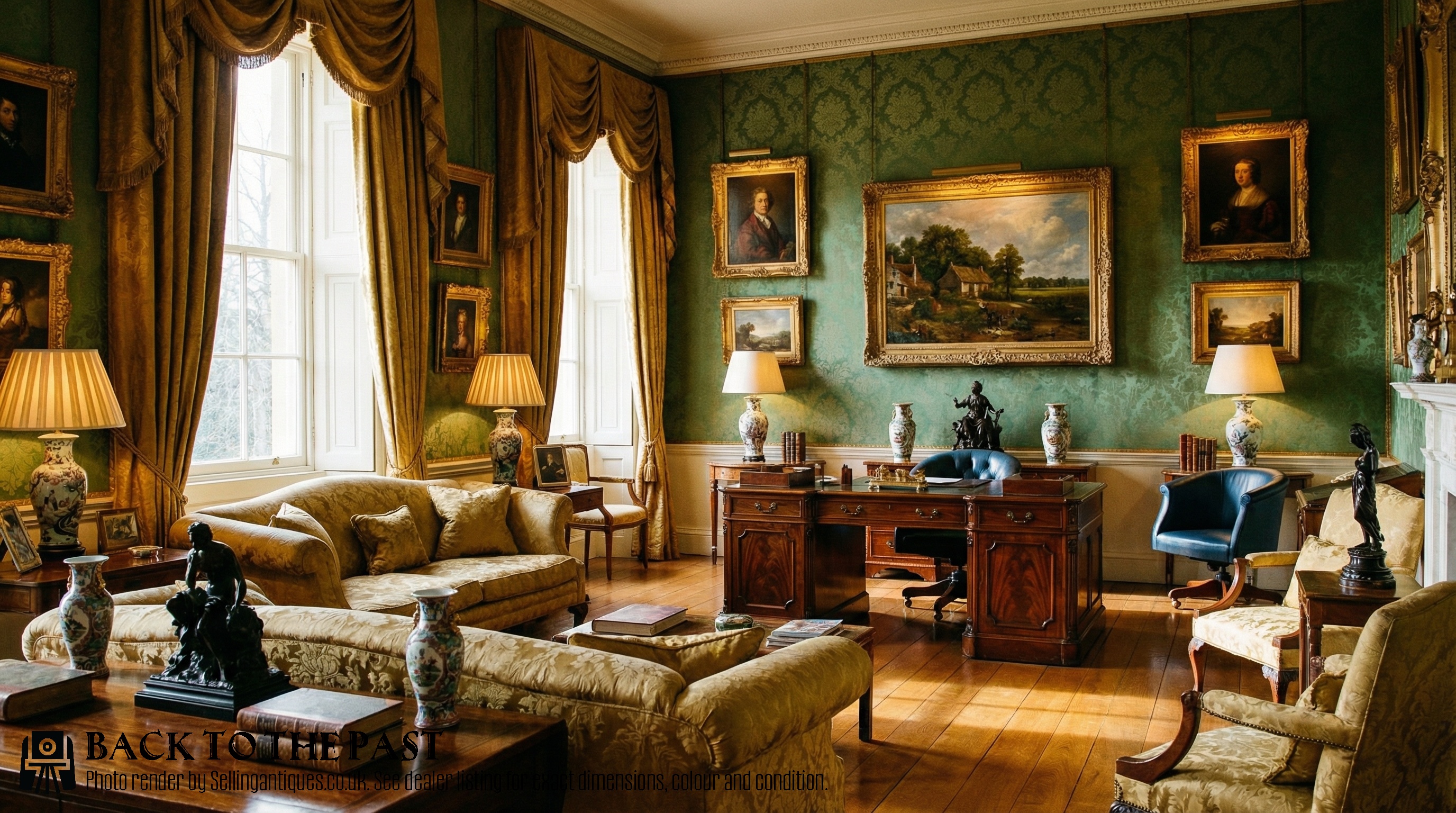
Swivel Study Armchair
A swivel study armchair provides a revolving seat and often an adjustable height mechanism intended for office and library use. When you search for this phrase, you find practical seating designed to support focused work while remaining mobile.
The most common examples on this page date from the Victorian and Edwardian periods, constructed in solid timbers like mahogany, oak, and walnut. These pieces frequently incorporate leather seats and wheel bases for ease of movement around a desk.
Makers adapted traditional chair forms by mounting them onto revolving iron or brass mechanisms to suit late nineteenth and early twentieth-century offices. Such seating bridges domestic comfort with the functional demands of study rooms and counting houses.
How they were made
Cabinetmakers constructed the frames using durable timbers such as mahogany, oak, walnut, and beech, often shaped into curved backs and armrests. Joints were typically dowelled or tenoned to withstand the twisting strain of a revolving seat.
Metal components, including iron and brass swivel mechanisms and adjustable height screws, allowed the chairs to turn and rise. Upholstery involved leather, hide, or cane fitted over padded seats for daily working comfort.
Swivel Study Armchair Retail Price Guide 2026
Typical asking prices for swivel study armchair among the pieces listed under this phrase on Sellingantiques today, from the lower quarter to the upper quarter. They describe what is for sale here now, not the wider market.
Several chairs include secret swivel squeaks earned from decades of turning toward the inkwell.
What varies in quality
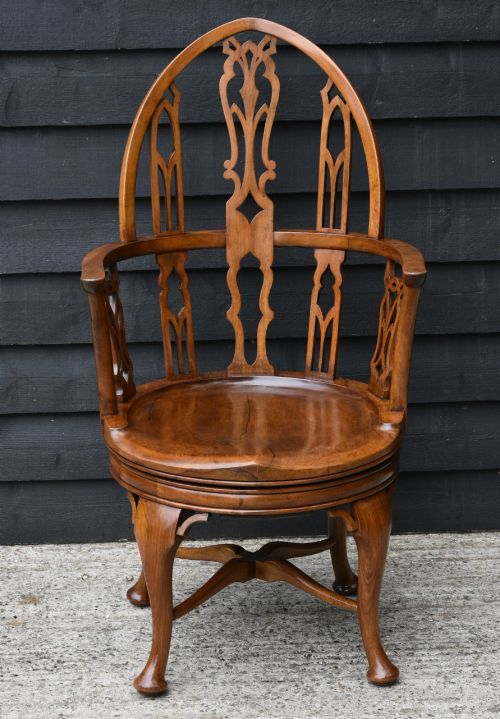
The sophistication of the timber turning and the richness of the grain distinguish standard utility models from finer workshop productions. Chairs featuring carved Gothic details, aesthetic movement influences, or branded maker details represent a higher tier of design.
The integrity and smooth operation of the original brass and iron revolving mechanism dictate the practical merit of each piece. Retaining original leather upholstery or properly fitted cane panels alongside robust frame construction elevates the overall standard.
Kendrick & Jefferson·SHOOLBRED·EDWARD WILLIAM GODWIN·George Bartholomew & Co.
The Swivel Study Armchair Glossary
- Revolving
- A seat construction allowing the upper chair portion to turn fully on a central iron or brass spindle. This movement facilitated reaching different parts of a large desk without shifting the base.
- Bergere
- A timber-framed armchair with woven cane panels inset into the back and sides. This technique lightened the visual weight of heavy office seating.
- Gothic Revival
- A nineteenth-century style drawing on medieval architectural motifs such as pointed arches and quatrefoils. Furniture in this style applied ecclesiastical details to domestic and office forms.
- Aesthetic Movement
- A late nineteenth-century design approach prioritising visual beauty and artistic reform over heavy historicism. Pieces from this movement display clean lines and simplified construction.
- Captain's Chair
- A low-backed revolving armchair traditionally used in offices and libraries. The curved top rail doubles as both backrest and arm support.
Swivel Study Armchair: Frequently Asked Questions
How do I adjust the height?
Many of these chairs utilise a central threaded screw mechanism operated by spinning the seat itself clockwise or anticlockwise.
Other models rely on a fixed height suited to standard nineteenth-century desk proportions.
Are the swivel mechanisms original?
The iron and brass underpinnings are typically contemporary with the timber frames, showing proper age, wear, and patina.
Inspect the underside to confirm the presence of period fixings and original cast iron spiders.
How do I care for the leather?
Apply a gentle leather balsam or wax sparingly to nourish the hide and preserve its natural flexibility.
Avoid modern chemical cleaners that might strip the original dye and distressed surface finish.
What is the difference between Victorian and Edwardian examples?
Victorian models frequently use dense mahogany or walnut with darker finishes and heavier carved detailing.
Edwardian pieces often feature lighter oak or beech timbers with simpler arts and crafts influences.