
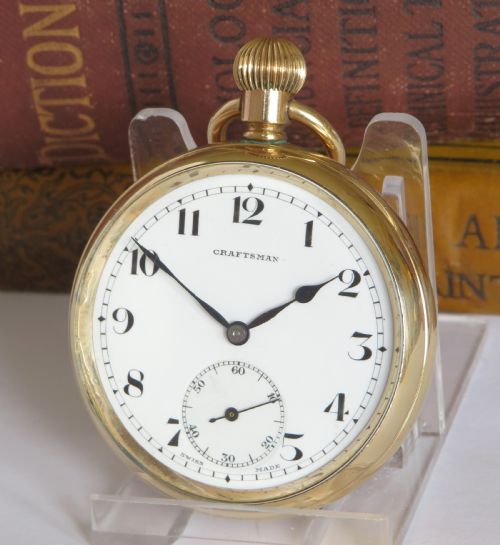
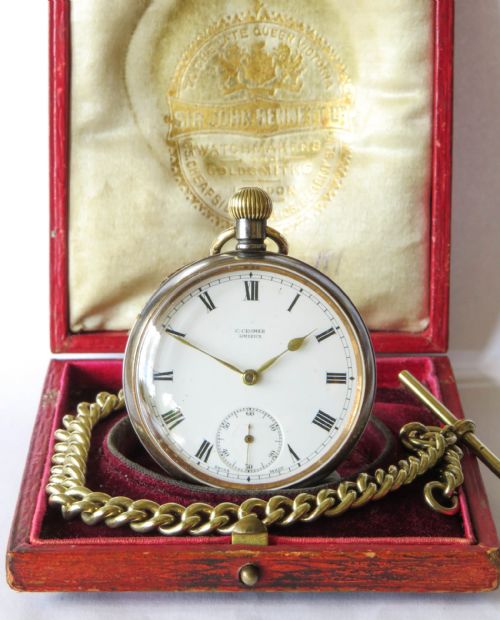


Swiss Stem Winding Watch
A swiss stem winding watch brings mechanical precision to the pocket, offering tangible horological heritage from the early twentieth century.
Swiss Stem Winding Watch
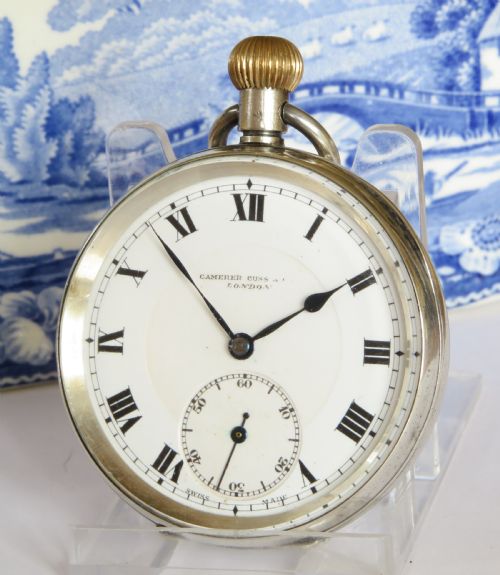
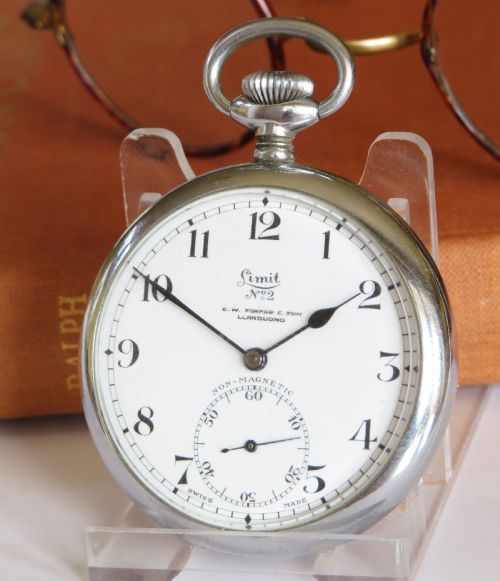
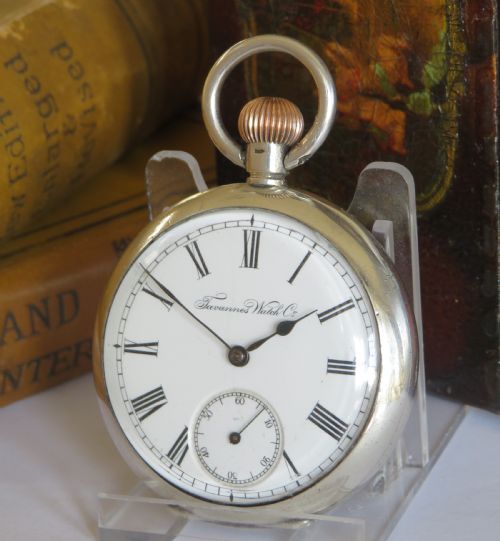
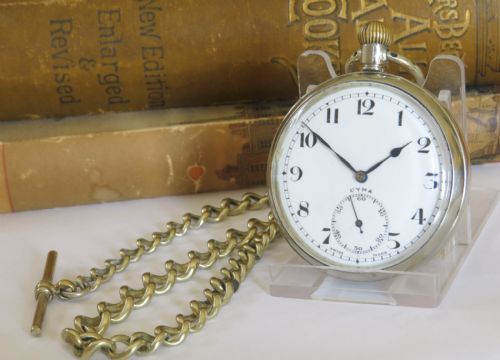
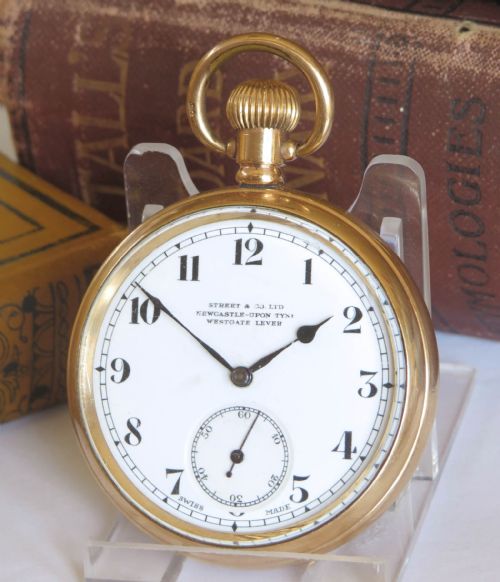
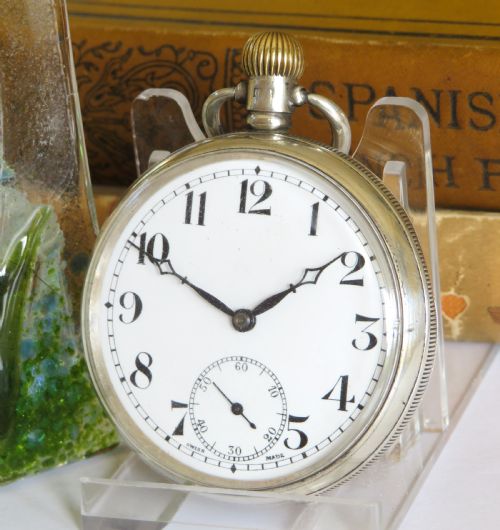
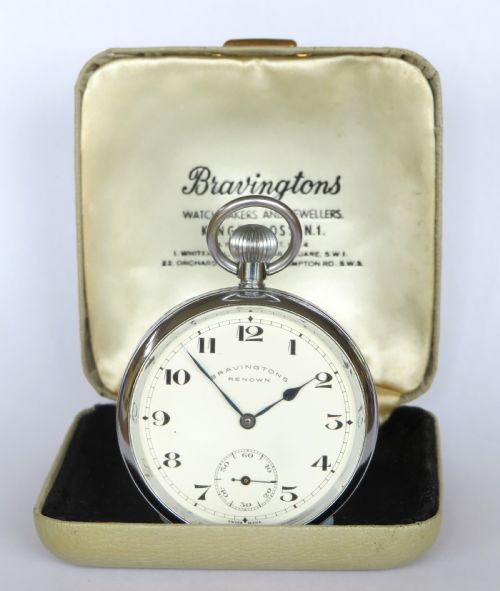
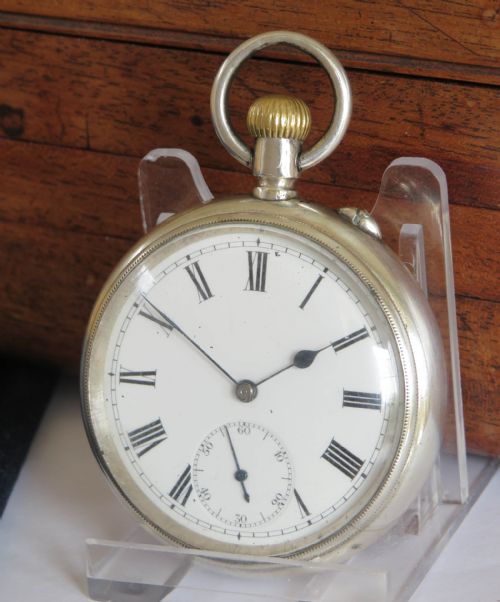
A swiss stem winding watch is a portable timepiece wound and set via the crown rather than a separate key, streamlining daily operation. These pieces span from the late Victorian and Edwardian eras through the Art Deco period and into the mid-century.
Silver cases dominate the available selections, frequently paired with enamel dials and glass crystals, whilst gold plate, brass, steel, chrome, and gun metal provide alternative finishes. Pocket watches appear as open-face designs or full hunter configurations.
Makers such as Omega, Cyma, Tavannes, and Zenith represent the standard output found across these decades. Examples often arrive accompanied by their original chains, preserving a complete pocket-worn ensemble.
Materials and Construction
Cases utilise stamped and turned silver, gold plate, brass, steel, chrome, and gun metal to house intricate mechanical movements. Enamel provides the durable white or coloured surface for dial markings, protected by fitted glass crystals.
Stem winding mechanisms replaced key winding systems, allowing the mainspring to be tensioned and the hands set directly through the crown. Jewelled lever escapements and balance assemblies were assembled by hand within Swiss workshops to ensure accurate timekeeping.
Even after a century, these tiny mechanical hearts still beat 18,000 times an hour.
Horological Distinction
The sophistication of the internal movement separates standard utility pieces from high-grade horology. Better examples feature finely finished jewelled movements signed by established makers with adjusted balances.
Case execution and material choice define the exterior standard, moving from base chrome and brass to solid silver or gold plate. The preservation of the original enamel dial, free from hairline fractures, marks the distinction in daily visual appeal.
Guinand·Camerer Cuss·Limit·Tavannes·Cyma·Minerva·Bravingtons·Stauffer·Craftsman·Omega·Meyer and Studeli·Zenith·Consul·Everite·Doxa·Stayte
The Swiss Stem Winding Watch Glossary
- Stem winding
- A mechanism that permits the watch to be wound using the crown at the top of the case rather than a separate key. This innovation became standard for pocket watches from the late nineteenth century onwards.
- Full hunter
- A pocket watch featuring a spring-loaded metal cover that protects the glass crystal and dial from scratches. The cover springs open via a push-piece integrated into the winding crown.
- Open-face
- A pocket watch design that lacks a protective metal cover over the dial, allowing the time to be read at a glance. This layout was favoured for railway and professional use.
- Enamel dial
- A watch face created by fusing powdered glass to a metal substrate at high temperatures. This technique produces a hard, glossy surface that resists fading over decades of use.
- Gun metal
- An alloy of copper, tin, and zinc treated to produce a dark, corrosion-resistant finish. It saw popular use for sporty or utilitarian pocket watch cases during the Edwardian era.
Swiss Stem Winding Watch: Frequently Asked Questions
How do I wind a stem winding watch?
Rotate the crown clockwise between your thumb and forefinger until you feel firm resistance. Do not force the crown once it stops, as over-winding can strain the mainspring.
Most vintage Swiss movements require winding once a day to maintain a consistent power reserve. Pulling the crown outward usually engages the hands for time setting.
What is the difference between silver and gun metal cases?
Silver cases provide a traditional precious metal housing that develops a soft patina over decades of handling. These pieces often carry clear hallmarks indicating assay office origins and silver purity standards.
Gun metal offers a darker, steel-grey appearance designed to absorb knocks and resist tarnishing in daily utility. Both materials house identical high-grade Swiss mechanical movements.
Can I wear a pocket watch daily?
A well-maintained mechanical pocket watch is robust enough for regular daily carry when paired with a secure chain. Slip the watch into a waistcoat or trouser pocket designed for the purpose to prevent accidental drops.
Keep the piece away from strong magnetic fields and moisture, and have a horologist service the movement periodically. Winding the watch at the same time each day helps establish a reliable rhythm.
How do I identify the decade of my watch?
Examine the style of the numerals, hands, and dial typography, which often reflect prevailing design movements like Edwardian elegance or Art Deco geometry. Hallmarks inside the case back provide precise assay dates for silver and gold components.
Internal movement signatures and serial numbers offer a reliable cross-reference to production years recorded by Swiss makers. Comparing the movement design to documented manufacturing eras narrows down the timeline further.