
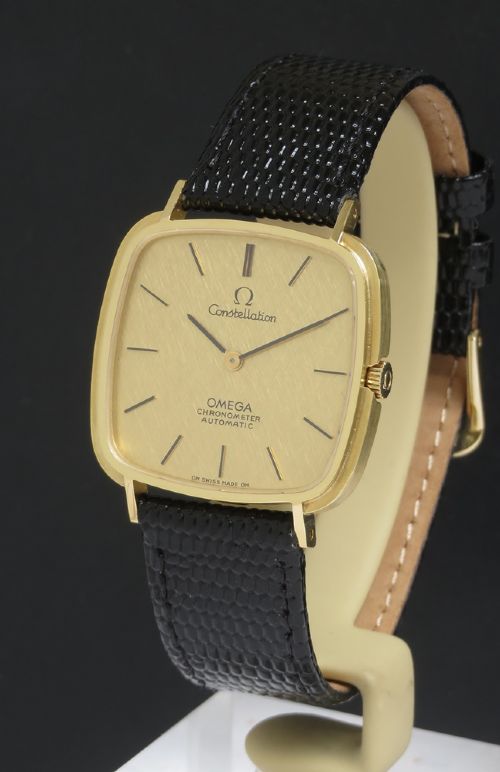
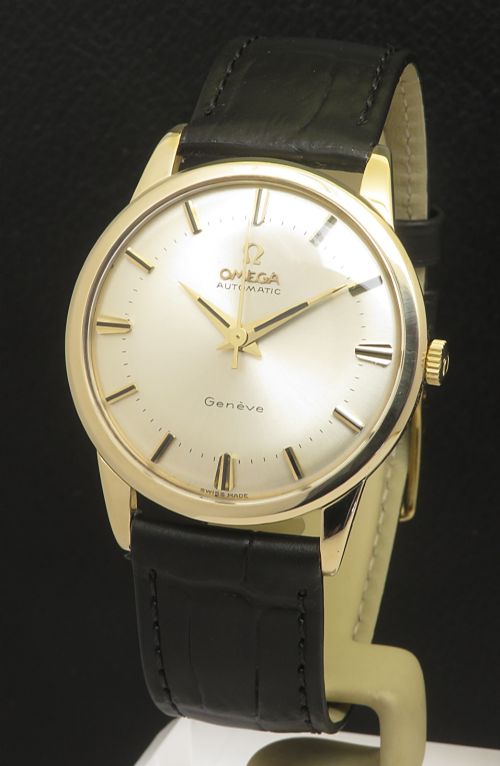
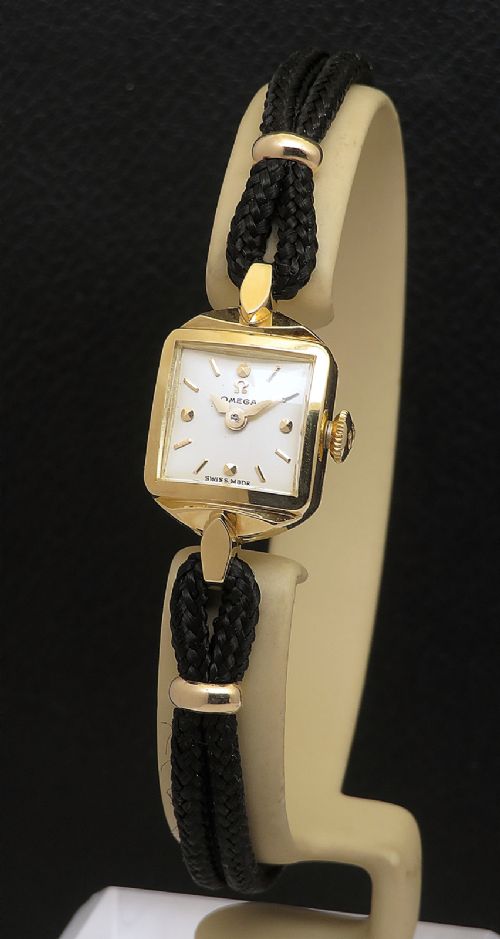
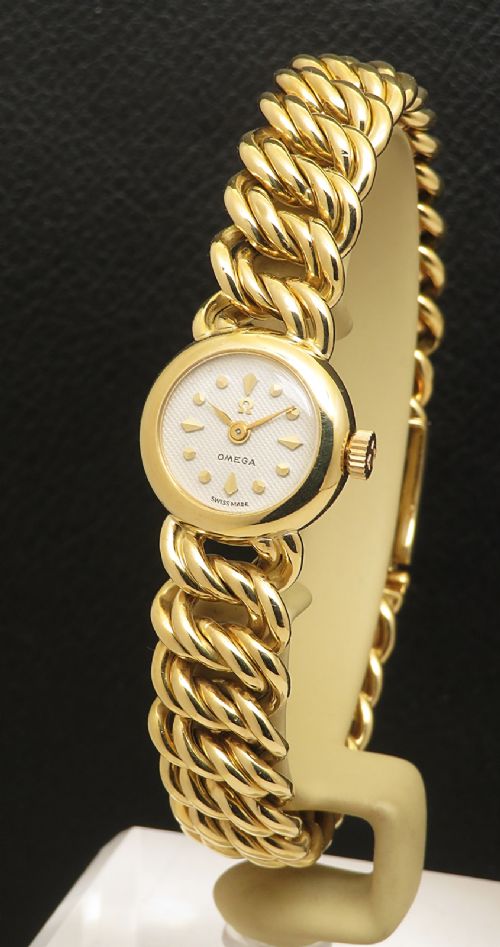
Swiss Gold Dress Watch
A swiss gold dress watch combines precision horology with precious metal work, offering refined elegance for formal occasions.
Swiss Gold Dress Watch
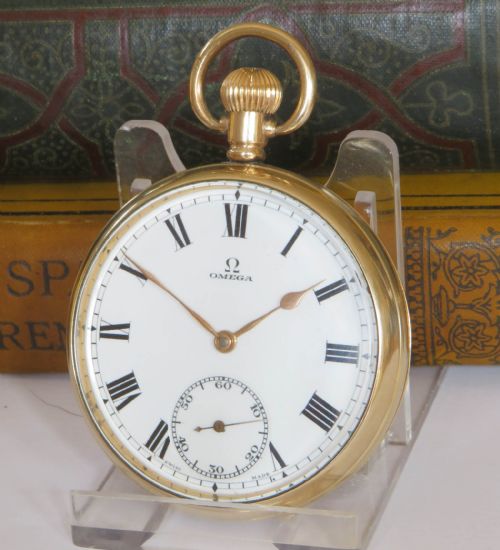
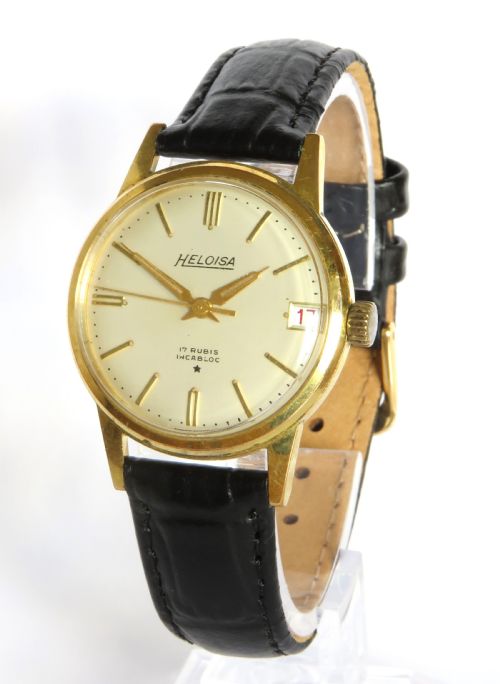
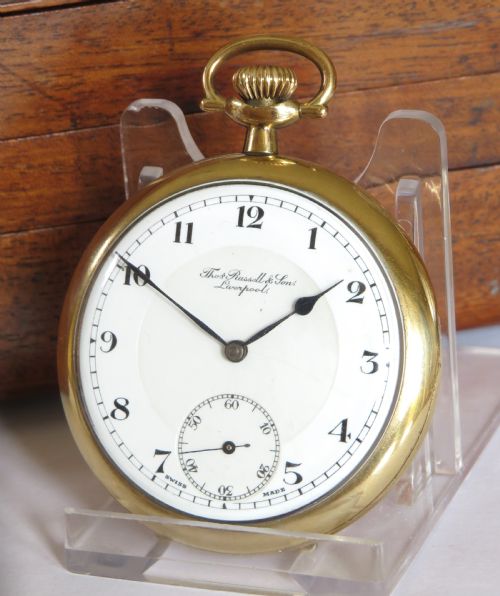
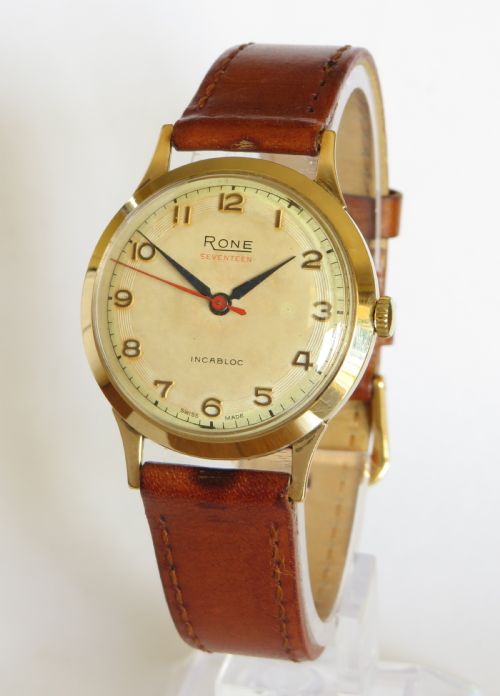
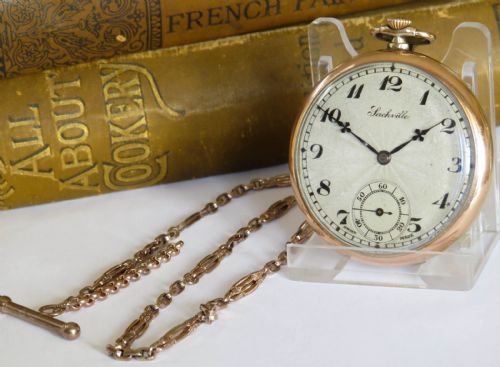
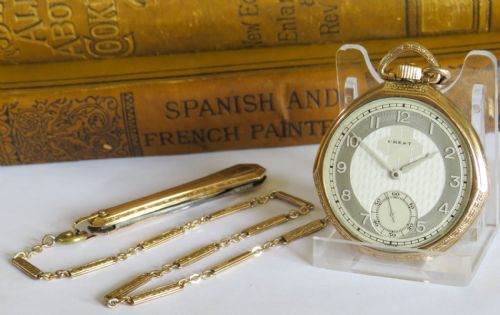
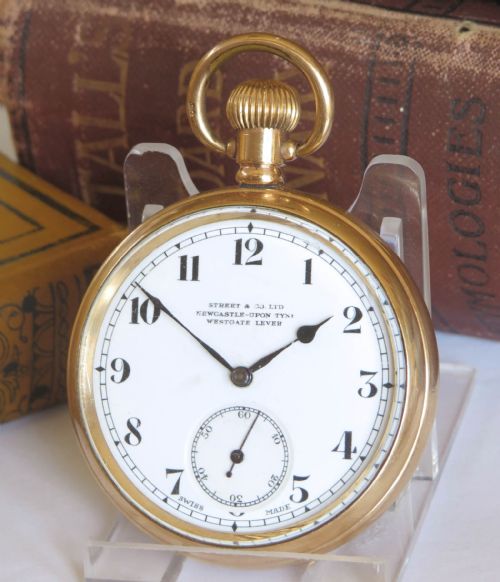
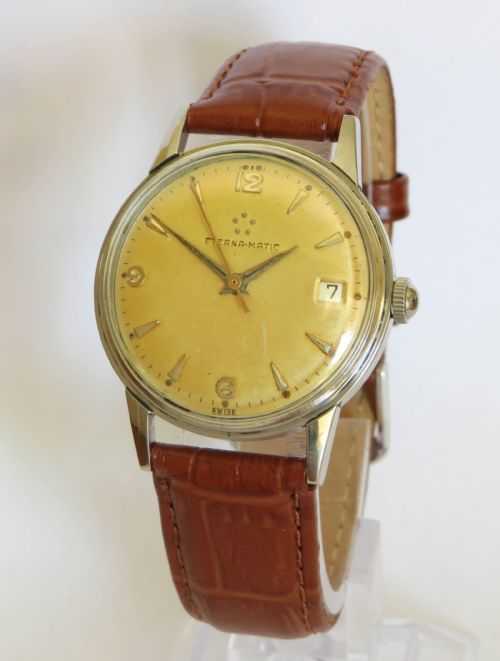
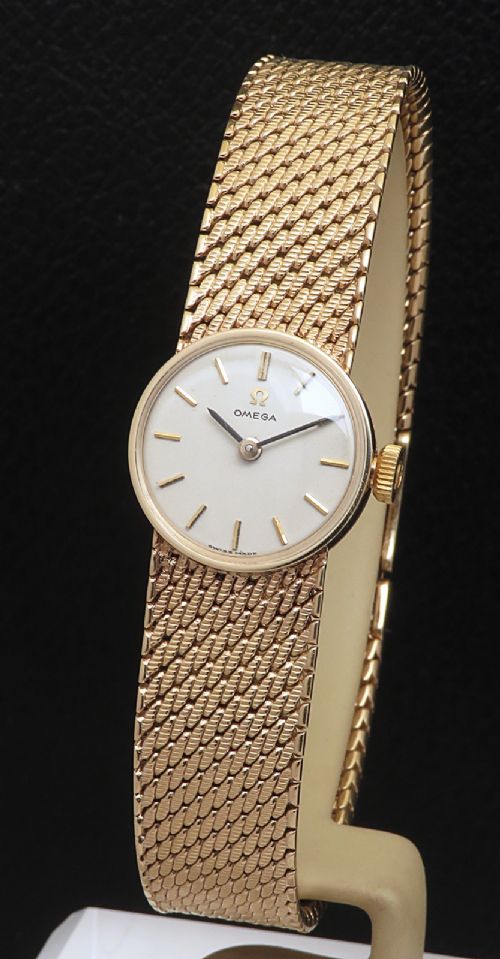
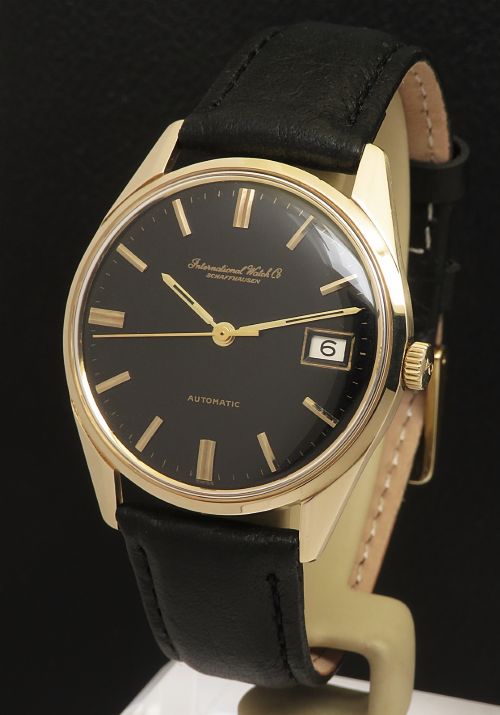
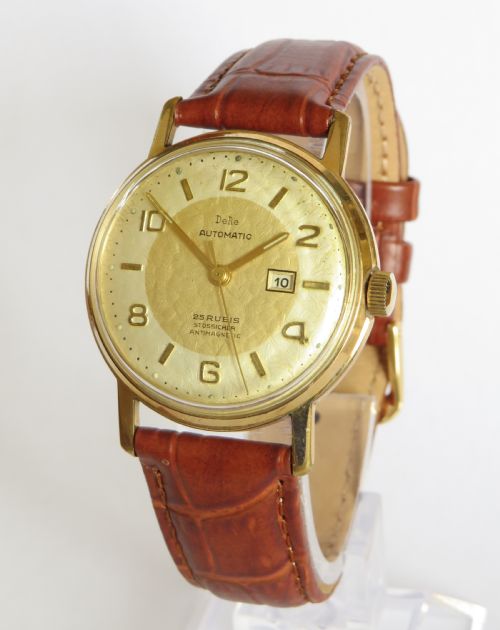
When searching for a swiss gold dress watch, you encounter timepieces predominantly spanning the 1920s through to the 1960s. These items encompass both wristwatches and pocket watches designed for formal wear, reflecting the dominant styles of the Art Deco and Mid-Century periods.
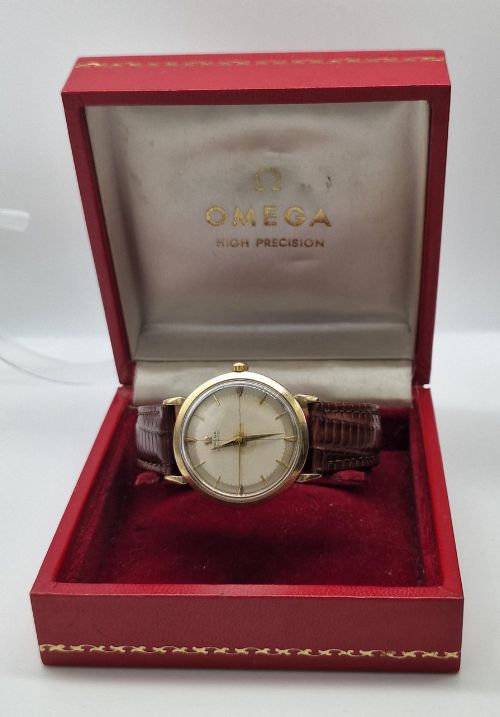
Makers represented in this category include prominent Swiss names alongside historic watchmakers, housing mechanical movements inside precious metal cases. Many examples survive alongside original presentation boxes and paperwork from their era of production.
How They Were Made
Cases are formed from solid 9ct gold, 18ct gold, or base metals with gold plating, enclosing intricate mechanical movements powered by manual winding or automatic mechanisms. Dials are protected by glass or acrylic crystals, occasionally complemented by enamel details.
Strips of leather are fashioned into fitted straps to secure the watches to the wrist, often fastened with matching buckles. Pocket watches frequently accompany linked chains designed for secure attachment to waistcoat buttonholes.
Several watches arrive accompanied by their original presentation boxes, preserving the exact moment they left the shop decades ago.
What Varies in Quality
Distinction across the range rests upon the integrity of the precious metal case and the complexity of the internal movement, such as chronometer certification. Pieces retaining original dials, matching boxes, and contemporary paperwork demonstrate higher degrees of preservation.
The weight and purity of the gold housing, whether solid 18ct or plated brass, dictate the substantive feel of the item. Master watchmaking signatures and original components further separate standard production items from chronometer-grade specimens.
Omega·Rolex·IWC·Tavannes·Rotary·Eterna·Bulova·Bucherer
The Swiss Gold Dress Watch Glossary
- Chronometer
- A high-precision watch capable of carrying out strict timekeeping tests over several days in various positions. This designation denotes superior mechanical performance.
- Automatic
- A self-winding mechanical movement that uses a weighted rotor to power the mainspring through natural wrist motion. It removes the need for daily manual winding.
- Cocktail Watch
- A small ladies dress watch, frequently manufactured in solid gold and accented with precious stones or intricate bracelet designs. They functioned primarily as formal evening accessories.
- Open Faced
- A pocket watch design that lacks a hinged metal cover over the dial, allowing immediate visibility of the hands and numerals. These were common throughout the early twentieth century.
Swiss Gold Dress Watch: Frequently Asked Questions
How do I wind a vintage watch?
Gently rotate the crown clockwise between your thumb and forefinger until you feel firm resistance. Stop immediately to avoid damaging the internal mainspring.
For manual wind pieces, repeat this process daily around the same time. Automatic movements require minimal winding if worn regularly, as your arm motion keeps the spring tensioned.
Are these watches waterproof?
Vintage dress watches generally lack modern water resistance seals and gaskets. Exposure to moisture, rain, or humidity can easily damage the dial and movement.
Keep these timepieces away from water entirely, removing them before washing hands or swimming. If condensation appears beneath the crystal, take the watch to a specialist promptly.
How can I tell the period?
Examine the typography on the dial, the shape of the hands, and the overall case profile. Art Deco pieces from the 1920s and 1930s typically feature geometric lines, while 1950s and 1960s designs lean towards minimalist Mid-Century Modern aesthetics.
Serial numbers stamped on the inside of the case back often allow for precise dating through manufacturer records. Original boxes and paperwork also provide reliable chronological markers.
Can I wear one every day?
These delicate items suit daily wear provided you treat them with care. Avoid wearing them during rigorous physical activities or manual labour to protect the case and movement.
Pairing a vintage dress watch with daily attire adds classic refinement. Ensure you store the piece in a dry box when not on your wrist.