

Swedish Wood Furniture
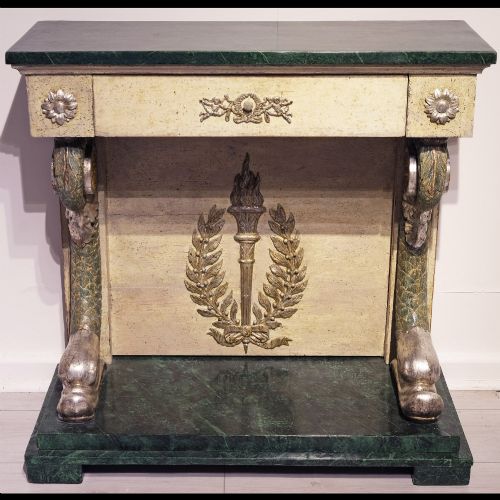
Swedish wood furniture brings pale northern timbers and restrained neoclassical lines straight into a modern interior.
Swedish Wood Furniture
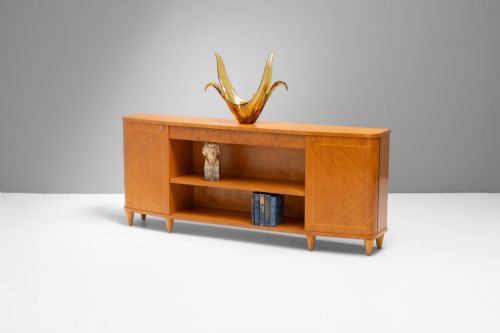
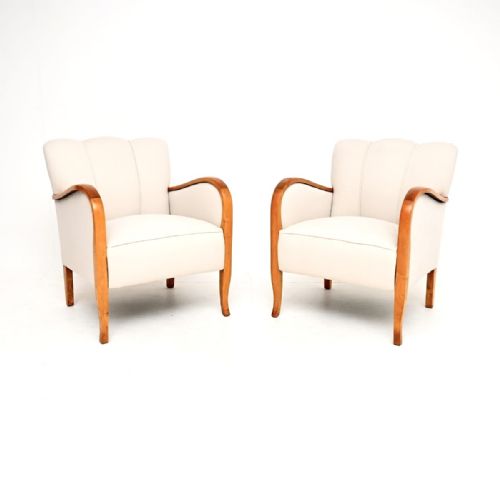
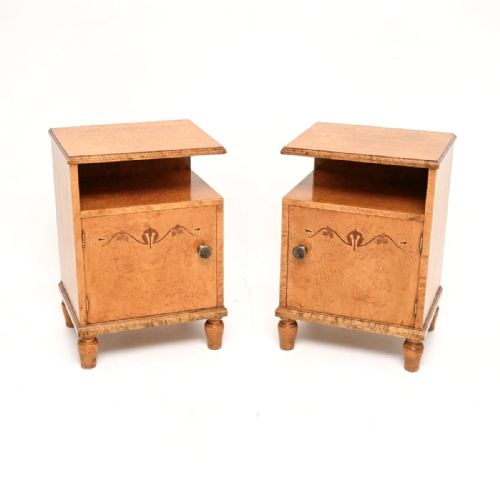
Swedish wood furniture encompasses robust country pieces and sophisticated urban designs originating from northern Europe across several centuries. When exploring this category, a buyer encounters practical forms such as chests of drawers, dining tables, bedside cabinets, and armchairs.
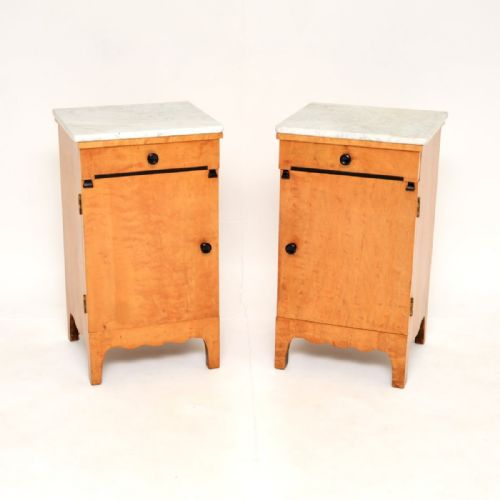
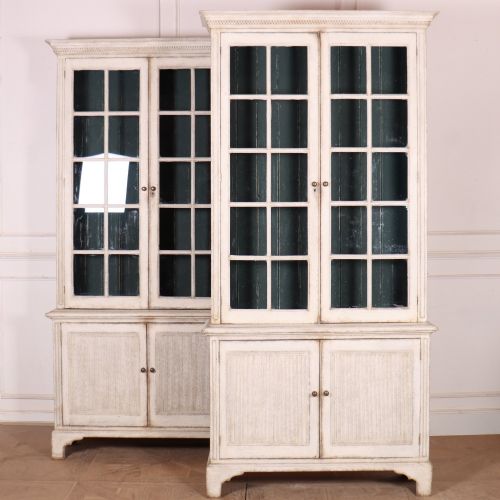
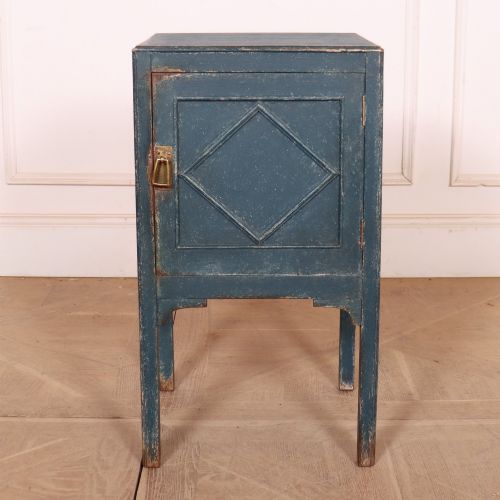
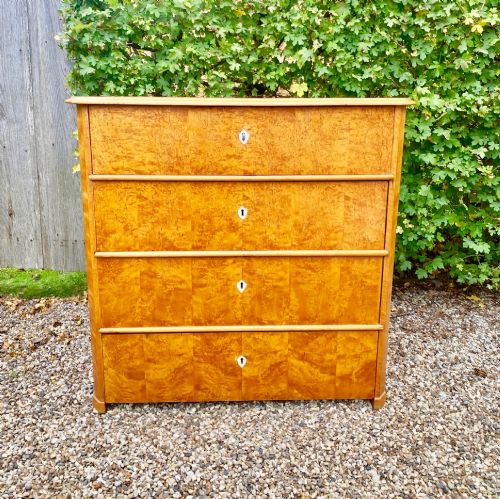
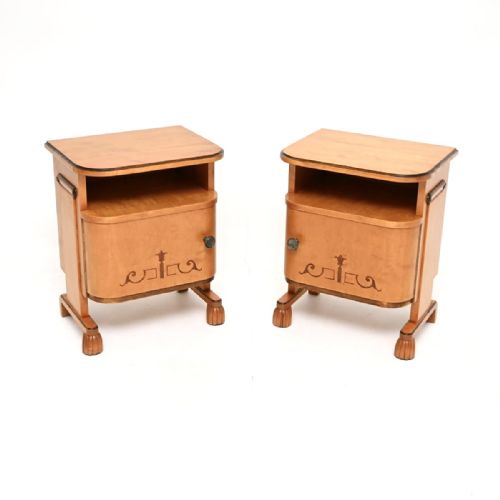
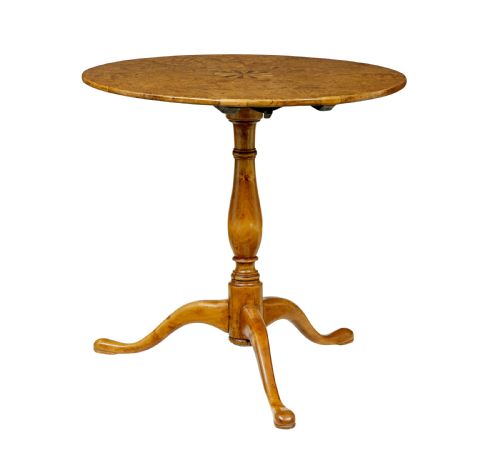
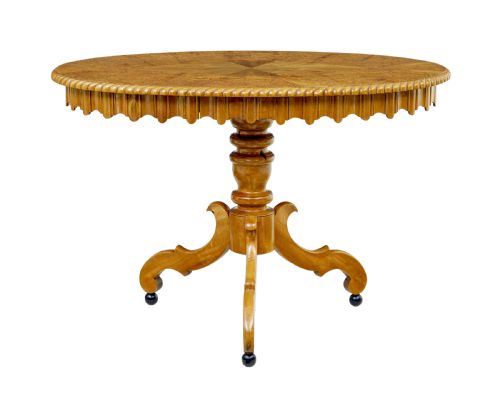
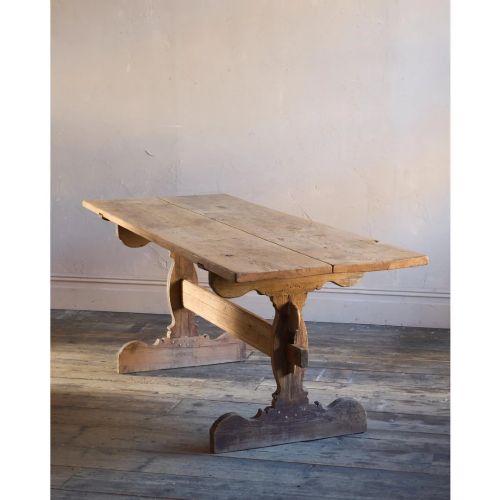
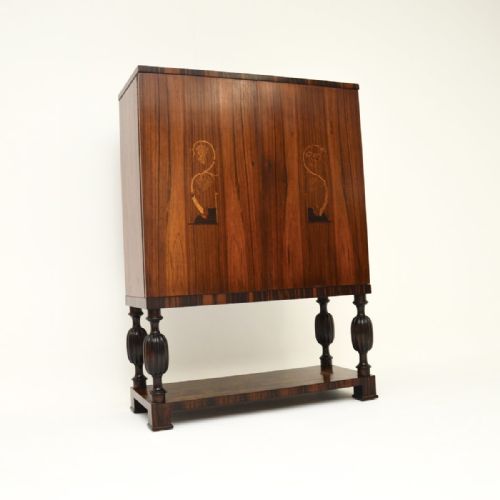
The nineteenth century provides a strong showing on this page, particularly through figured birch chests of drawers and occasional tables. Pieces range from rustic eighteenth century dining tables and painted cupboards to sleek art deco designs from nineteen thirty.
Makers and workshops utilise native northern timber to create functional items that balance utility with clean aesthetic proportion. Regional characteristics often show in the pale finishes and uncluttered surfaces that define Scandinavian design traditions.
Materials and construction
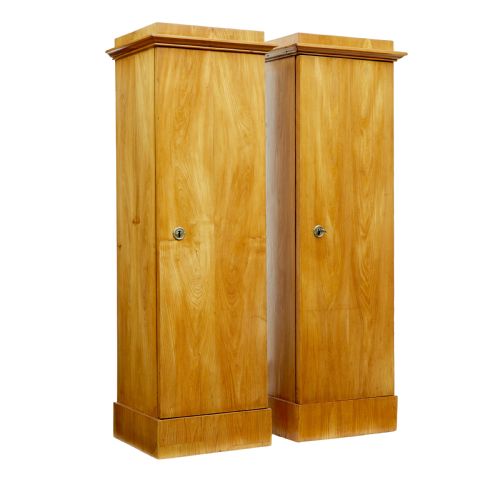
Craftsmen rely heavily on native birch, pine, and elm, selecting figured veneers like burr birch and flame birch for decorative impact. Surfaces often receive traditional paint finishes, including Falu red or pale neoclassical tones, alongside clear varnishes that highlight the natural grain.
Joinery techniques reflect traditional cabinet making standards, supporting structural stability in heavily used forms like workbenches, trestle tables, and chests of drawers. Timber selection prioritises domestic softwoods and hardwoods available within the region.
Swedish Wood Furniture Retail Price Guide 2026
Typical asking prices for swedish wood furniture among the pieces listed under this phrase on Sellingantiques today, from the lower quarter to the upper quarter. They describe what is for sale here now, not the wider market.
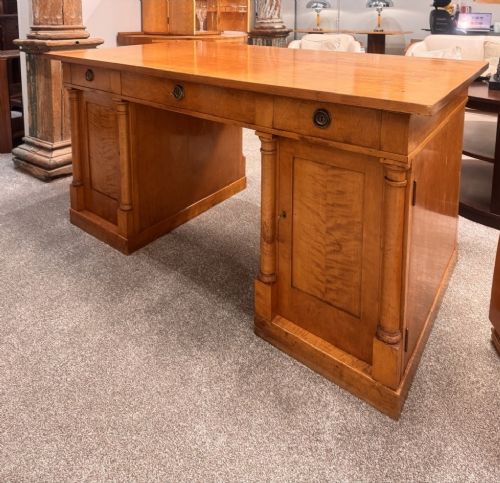
Burr, flame, tiger, and masur birch appear frequently across nineteenth century chests of drawers and tables.
Grading quality
Quality rests upon the selection and matching of wood veneers, particularly on prominent surfaces such as table tops and drawer fronts. Superior examples display carefully chosen burr, flame, or masur birch patterns that align harmoniously across the piece.
Proportion and execution of carved or painted details separate standard utility items from finer formal furniture. The integrity of the original timber and the subtlety of regional finishes dictate the overall standing of an individual piece.
Gemla Fabrikers
The Swedish Wood Furniture Glossary
- Gustavian
- The Swedish neoclassical style developed during the reign of Gustav III, characterised by light proportions and restrained classical ornamentation. It draws heavy inspiration from French Louis XVI design adjusted for northern tastes.
- Biedermeier
- A central European and Scandinavian style spanning the nineteenth century that favours utility, comfort, and clean lines without excessive ornamentation. Satin birch and mahogany veneers often feature prominently in these pieces.
- Burr birch
- A figured timber harvested from tree growths that produce swirling, highly decorative grain patterns. Cabinet makers typically apply this wood as a veneer on prominent surfaces.
- Falu paint
- A traditional deep red paint originating from copper mines in Sweden, utilised extensively on vernacular woodwork and exterior buildings. Its composition provides robust preservation for pine and other softwoods.
Swedish Wood Furniture: Frequently Asked Questions
How do I identify Gustavian furniture?
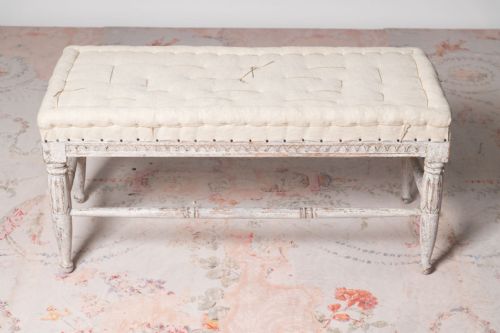
Gustavian pieces typically display restrained neoclassical motifs, tapered legs, and pale painted surfaces rather than heavy dark polishes.
Look for carved fluting, beadings, and symmetrical proportions that reflect eighteenth century French taste filtered through a Scandinavian sensibility.
What is masur birch?
Masur birch is a natural timber mutation featuring distinctive dark flecks and swirling patterns across the grain.
Cabinet makers prize this wood for its decorative qualities, frequently employing it on drawer fronts and table tops.
How do I care for painted Swedish furniture?
Maintain painted wooden surfaces by dusting gently with a dry, soft cloth and avoiding harsh chemical cleaning products.
Keep pieces away from direct heat sources and strong sunlight to prevent the historic paintwork and underlying timber from drying out or cracking.
Where were these pieces made?
Items originate from workshops and domestic settings across Sweden, ranging from rural provincial areas to urban centres.
Makers utilised locally felled trees, particularly birch and pine, shaping them according to regional traditions and prevailing European styles.