


Swedish Vintage Sideboard
These pieces are Swedish vintage sideboards, offering robust storage and clean Scandinavian lines that anchor a room with calm presence.
Swedish Vintage Sideboard
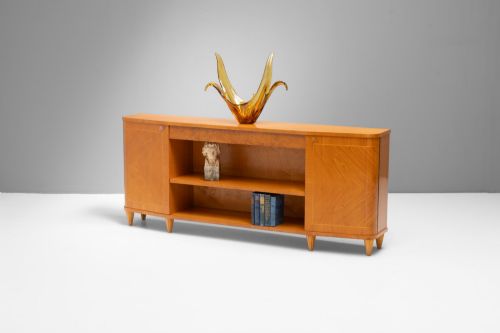
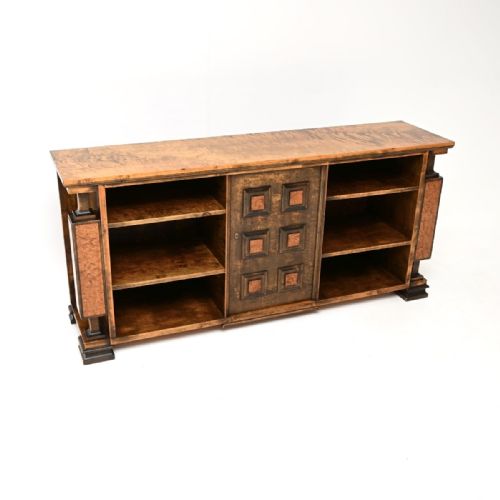
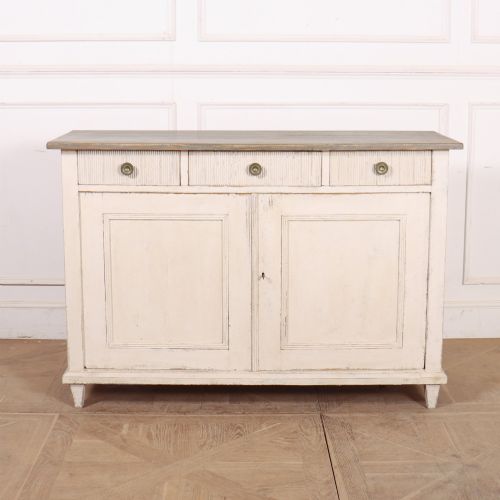
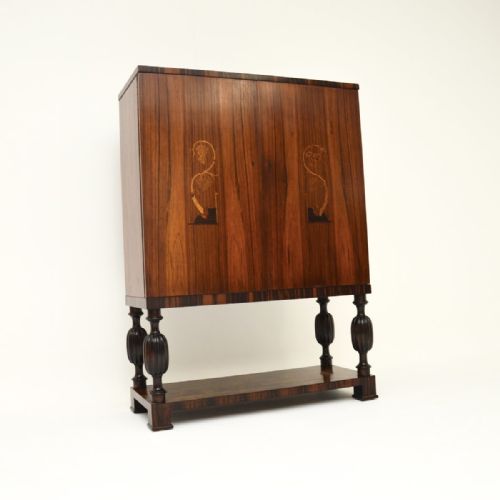
A Swedish vintage sideboard brings together practical storage and understated design, spanning several key historical periods from the nineteenth century to the nineteen-thirties. When exploring the phrase swedish vintage sideboard, buyers encounter a diverse selection of forms including painted cupboards, commodes, workbenches, and art deco cabinets.
The nineteenth-century pieces lean heavily towards country pine, often finished in painted surfaces or ragwork, while the nineteen-thirties examples showcase rich veneers like satin birch, burr elm, and walnut in modernist styles. These storage items serve dual purposes as functional kitchen cupboards and elegant dining room buffets.
Scandinavian country and Gustavian influences dominate the earlier timber items, whereas Swedish Grace and Art Deco define the later twentieth-century production. This variety ensures that whether a room requires a rustic painted finish or a polished modernist facade, a suitable storage solution exists within the category.
Materials and construction methods
Makers utilised native softwoods and hardwoods such as pine, birch, and elm, alongside exotic veneers like rosewood and walnut for decorative impact. Solid timber construction forms the backbone of the nineteenth-century country pieces, while later art deco cabinets employ sophisticated veneering over sturdy carcases.
Surface finishes range from traditional painted coats and ragwork decoration to polished wood grains and occasional zinc tops. Brass and iron hardware, including handles and hinges, provide functional contrast and secure closure to doors and drawers.
Listings span from nineteenth-century pine workbenches to nineteen-thirties art deco satin birch cabinets.
Distinguishing quality factors
The grade of timber selection and the precision of veneer matching dictate the visual hierarchy among these storage pieces. Fine cabinet work shows in the tight joinery of drawers and the smooth operation of doors, distinguishing master workshops from regional vernacular carpentry.
Original painted surfaces retain a patina that factory touch-ups or later overpainting cannot replicate, elevating the desirability of nineteenth-century items. The integration of period hardware, such as authentic brass fittings, further separates standard domestic furniture from exceptional examples.
Otto Schulz for Boet
The Swedish Vintage Sideboard Glossary
- Commode
- A low chest of drawers or cabinet designed for domestic storage. These pieces often feature decorative fronts and sit on short legs or feet.
- Ragwork
- A decorative painting technique where rags or cloths create textured, mottled colour effects on wood. This finish appears frequently on nineteenth-century Scandinavian country furniture.
- Satin birch
- A light-coloured hardwood with a natural sheen, prized for its lustrous grain. Cabinetmakers utilised this timber extensively in Art Deco and Swedish Grace designs.
- Swedish Grace
- A sophisticated neoclassical style popular in Sweden during the nineteen-twenties and nineteen-thirties. It combines classical proportions with streamlined modern details.
Swedish Vintage Sideboard: Frequently Asked Questions
How do I date a painted Swedish cupboard?
Examine the construction joints, tool marks, and the composition of the paint layers underneath. Earlier nineteenth-century pieces often display hand-planed surfaces and forged iron hardware.
Compare the silhouette and decorative motifs against known regional styles. Gustavian and country pieces from the eighteen-hundreds differ significantly in proportion from nineteen-thirties modernist cabinets.
Are zinc-topped sideboards original?
Zinc tops on nineteenth-century pieces were typically added to provide durable, water-resistant work surfaces for food preparation in kitchens or utility areas. These additions reflect the practical adaptation of furniture over time.
Assess how the zinc integrates with the timber frame to determine its period of attachment. Such working surfaces add industrial utility to a traditional pine base.
How do I maintain a painted pine finish?
Clean the surface gently using a soft, dry cloth to remove dust without harming the historic paint layer. Avoid harsh chemical cleaners or excessive water.
Apply a microcrystalline wax occasionally if the paint appears dry, following the grain carefully. This preserves the patina built up over decades of use.
What is the difference between Art Deco and Gustavian styles?
Gustavian design draws on classical Swedish interpretations of French Louis XVI architecture, featuring pale paint, fluted columns, and restrained symmetry. It creates a bright, airy aesthetic.
Art Deco embraces geometric forms, streamlined silhouettes, and striking wood veneers like burr elm and satin birch. This later style prioritises luxurious materials and modernist geometry.