


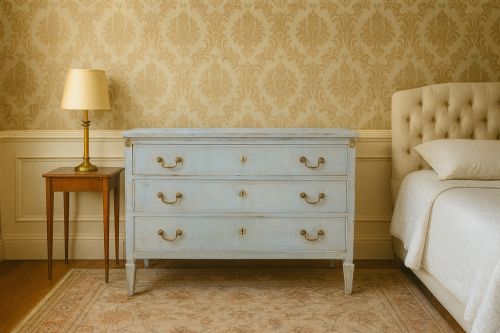


Swedish Pine Commode
A swedish pine commode brings functional storage and calm Scandinavian style into a room through pale painted surfaces and generous proportions.
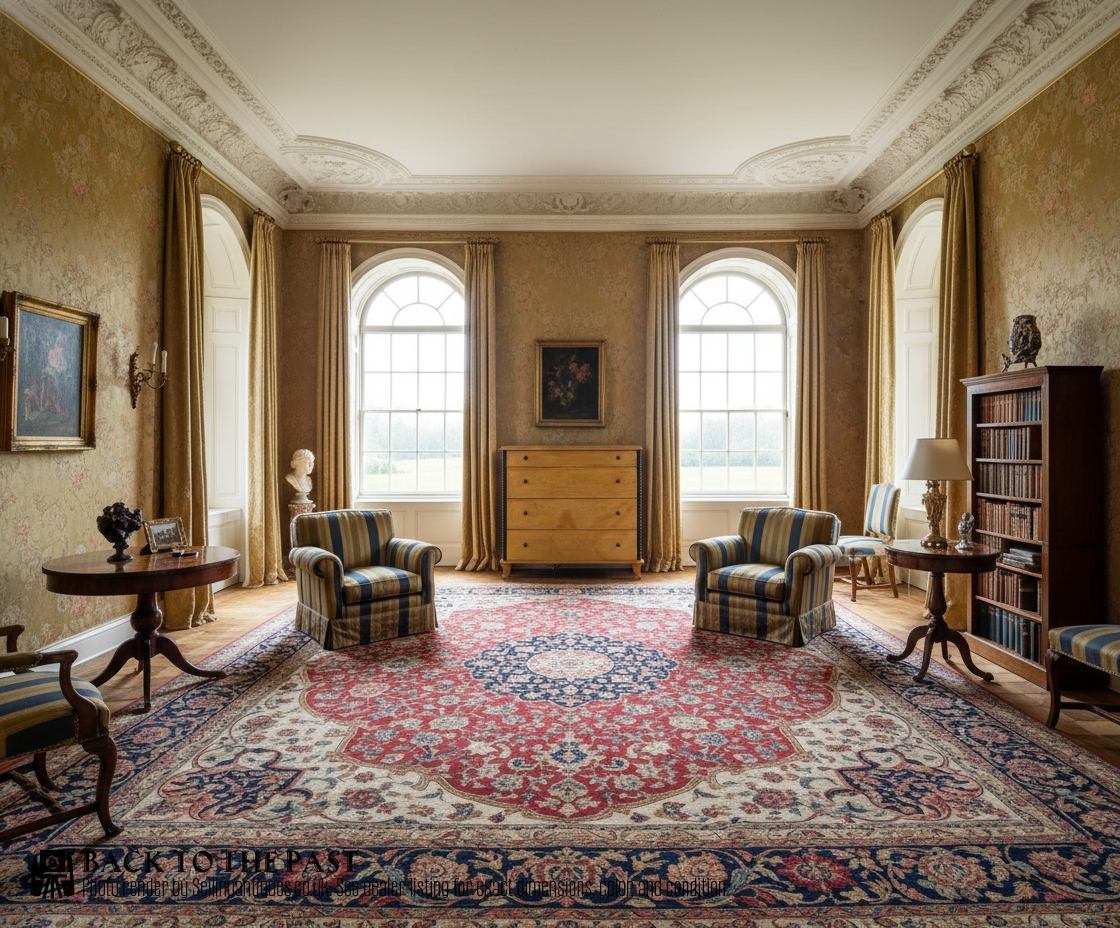
Swedish Pine Commode
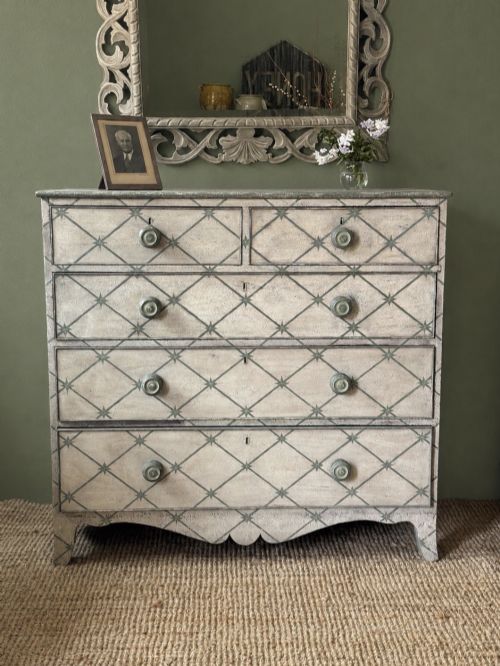
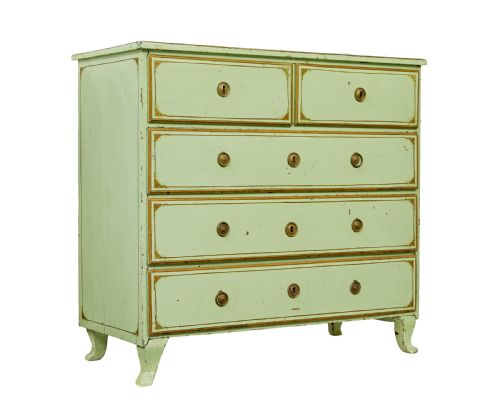
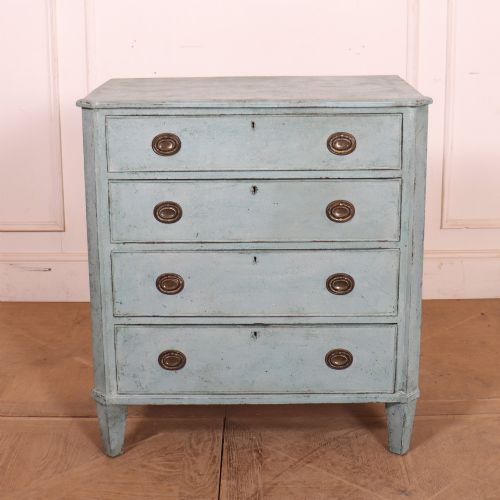
A swedish pine commode takes the form of a chest of drawers or storage cabinet, most frequently encountered from the nineteenth century. These pieces combine domestic utility with regional decorative traditions, often appearing with painted finishes that brighten domestic interiors. The forms range from serpentine fronts to simpler rectilinear chests.
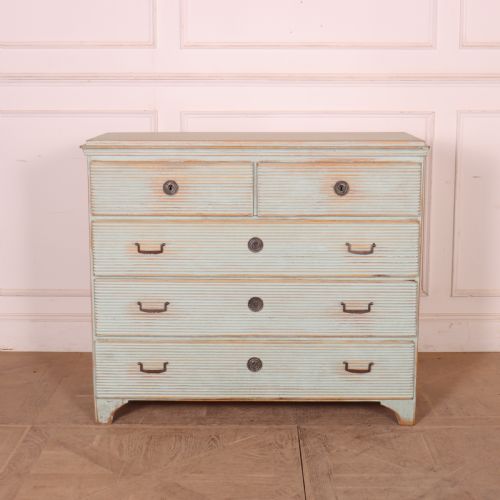
The aesthetic leans heavily towards Scandinavian country and Gustavian styles, alongside occasional Baroque revival pieces. Buyers often find chests featuring fluted drawer fronts or simulated birch graining alongside solid painted finishes. Nineteenth-century examples dominate the selection, anchored by occasional eighteenth-century Neoclassical pieces.
Materials and construction
Makers relied on softwood and pine as the primary structural timber, shaping the carcases and drawers from accessible local woods. Surfaces received layers of paint, sometimes scraped back to reveal earlier layers or decorated with hand-painted details. Iron and brass hardware completed the construction, securing drawers and doors.
Joinery techniques supported everyday domestic demands while allowing for the shrinkage and expansion of pine over time. Paint finishes served both to protect the softwood and to mimic more expensive timbers like birch. Craftsmen utilised hand tools to form mouldings, fluted drawer fronts, and serpentine curves.
Listings feature pieces spanning from the mid eighteenth century through to the early twentieth century, constructed primarily in pine and softwood.
Quality differences
Quality rests significantly in the integrity of the original paint surface and the subtlety of its wear. Pieces retaining scraped paint or early decorative brushwork stand apart from later repainted surfaces. The finesse of the cabinetmaker's joinery, particularly on serpentine shapes and fluted drawer fronts, also separates standard items from finer examples.
Proportion and decorative restraint dictate the distinction between regional vernacular work and high-style Gustavian pieces. Well-balanced drawer proportions and crisp mouldings reflect superior craftsmanship within nineteenth-century workshops. The retention of original brass or iron hardware adds further distinction.
Gemla Fabrikers
The Swedish Pine Commode Glossary
- Gustavian
- The Swedish interpretation of Neoclassical design, characterised by restrained symmetry, pale paint, and classical detailing. This style emerged during the late eighteenth century and influenced regional furniture making for decades.
- Serpentine
- A front profile shaped with a convex centre flanked by concave curves, creating a flowing line. This form requires advanced woodworking skill to execute properly on pine drawers.
- Scraped paint
- A conservation term for a surface treatment where later coats of paint are carefully removed to expose the original historic layers beneath. This technique reveals the authentic early coloration of the piece.
- Softwood
- Timber from coniferous trees, predominantly pine in these pieces, which was easily worked and widely available across Scandinavia. It forms the core material for nearly all regional country furniture.
- Fluted
- A series of shallow, parallel grooves carved vertically into a wooden surface such as a drawer front or pilaster. The technique adds texture and a classical architectural element to the furniture.
Swedish Pine Commode: Frequently Asked Questions
How do I date a swedish pine commode?
Dating relies on construction methods, hardware types, and stylistic indicators such as Gustavian neoclassicism or Baroque revival elements. Eighteenth-century pieces display different proportions and joinery compared to nineteenth-century examples.
Paint analysis also assists in establishing age, as original scraped paint finishes carry specific pigments and layer sequences characteristic of their period.
Are these commodes suitable for daily bedroom use?
These chests provide deep drawers and sturdy construction designed originally for household storage and clothing. Pine interiors offer practical space for modern storage needs.
Care should be taken with original painted surfaces to prevent moisture damage and excessive wear from daily handling.
What is the difference between Gustavian and country styles?
Gustavian pieces reflect courtly Swedish Neoclassicism with refined proportions, subtle fluting, and formal classical details. They represent a more urban interpretation of design.
Scandinavian country pieces embrace simpler, folk art traditions with bolder painted finishes and unpretentious structural forms.
How should I care for original painted pine?
Maintenance requires gentle dusting with a dry cloth and protection from direct sunlight, which can fade historic pigments. Avoid harsh chemical cleaners that might strip or soften the historic paint layers.
Stable room humidity prevents the pine timber from warping and protects the underlying soft wood structure.