
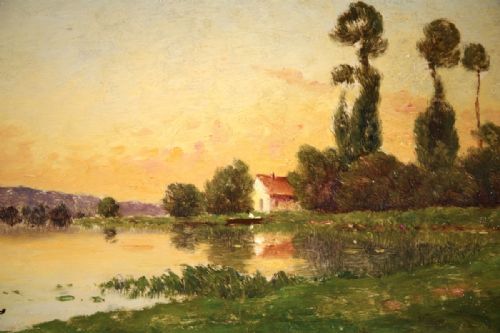


Sunset Landscape Artwork
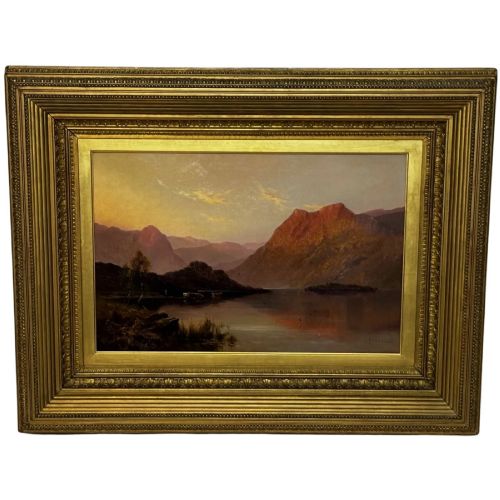
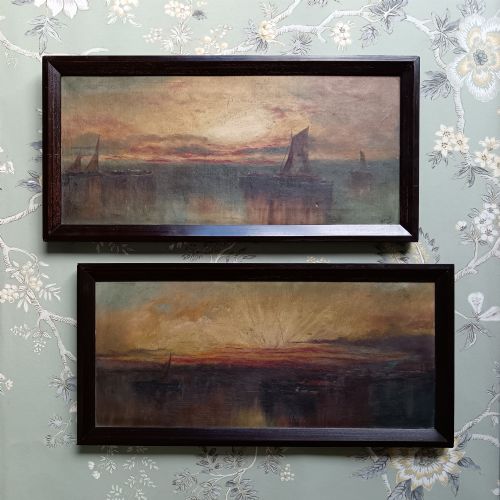
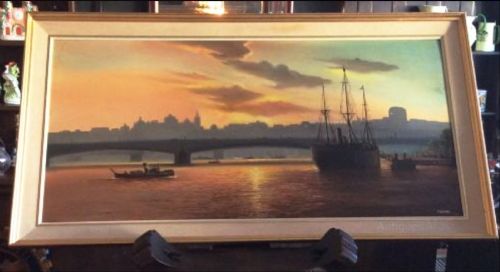
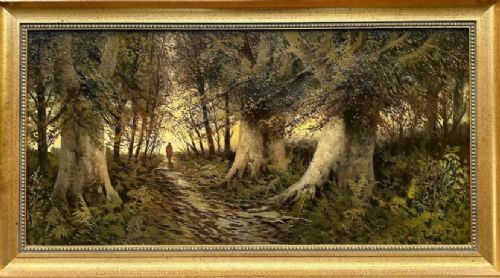
Sunset landscape artwork captures the low fading light over canvas and paper, bringing warm evening tones and quiet water into a room.
Sunset Landscape Artwork
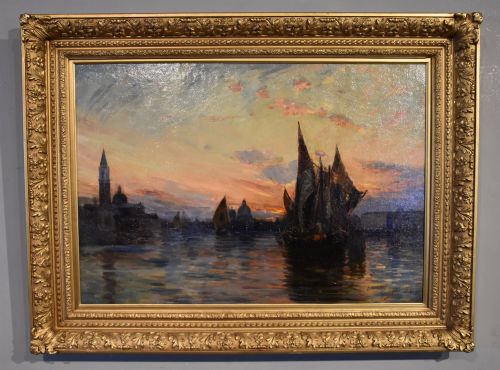
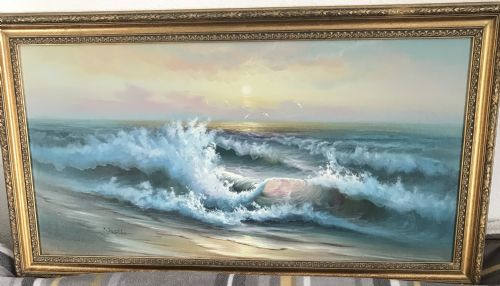
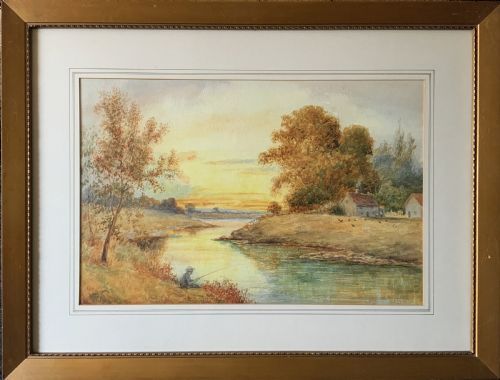
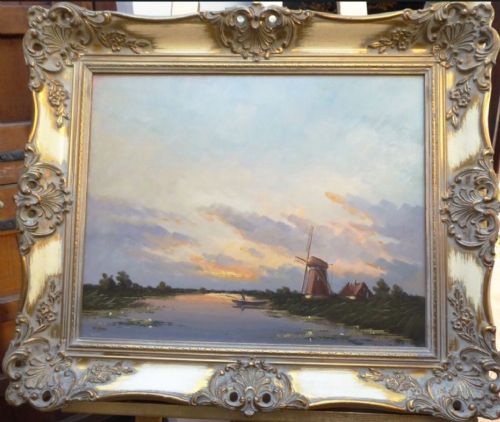
When searching for sunset landscape artwork, a buyer encounters a diverse selection of framed paintings created across the nineteenth and twentieth centuries. These pieces record fading evening light over coasts, rivers, lochs, and woodlands through traditional British and European schooling.
The works span media from oil on canvas to delicate watercolour on paper, capturing maritime scenes, rural harvests, and highland vistas. Victorian and Edwardian examples sit alongside mid-twentieth-century interpretations, showing shifting approaches to evening atmosphere and colour.
Most entries focus on traditional British landscape and marine subjects, often framed in wood and gesso. Collectors find both intimate watercolours and expansive oil paintings depicting the close of day.
How they were made
Artists built these compositions primarily using oil paint on canvas or watercolour on paper, sometimes incorporating pastel on paper. The supports relied on stretched canvas over wooden frames or heavy paper sheets mounted behind glass.
Frames often combined carved wood with moulded gesso, sometimes highlighted with gold leaf to complement the warm pigments of the evening scenes. Brushwork ranged from the precise detail of the nineteenth-century academic tradition to the looser application seen in impressionist marine works.
Several artists clearly painted with heavy woollen coats on, capturing windswept North Sea tides while geese argued overhead.
What varies in quality
The strength of a sunset landscape artwork rests upon the artist's handling of atmospheric light and tonal transition across the sky and water. Superior examples capture the specific glow of dusk with confident, deliberate brushwork rather than flat, formulaic washes.
Original framing and the preservation of the canvas or paper surface distinguish better-surviving works. Pieces that retain their early stretcher bars and untouched painted surfaces command greater appreciation among collectors.
Alfred Fontville de Breanski Jr·Thomas W Lascelles·George Vicat Cole·Frank Hider·Roger de la Corbiere·William Langley·Henry H Parker
The Sunset Landscape Artwork Glossary
- Oil on Canvas
- Pigments bound in a drying oil, usually linseed, applied to a woven fabric stretched across a wooden frame. This method allows for rich texture and deep colour layering.
- Watercolour
- A paint consisting of water-soluble pigments used with water on paper. It produces transparent washes that capture delicate atmospheric light.
- Gesso
- A paint mixture consisting of a binder mixed with chalk, gypsum, or pigment, used to prepare wood surfaces for gilding or painting. It forms the decorative moulded relief on many antique frames.
- Gold Leaf
- Gold beaten into extremely thin sheets, applied to frames and artwork details. It adds a reflective warmth that enhances evening compositions.
- British Impressionism
- A late nineteenth and early twentieth-century painting style focusing on light and everyday subjects. It values spontaneous brushstrokes over rigid academic finish.
Sunset Landscape Artwork: Frequently Asked Questions
How do I date an antique sunset painting?
Dating relies on examining the canvas preparation, the style of the wooden stretcher, and the framing materials used by the maker. Signatures, inscriptions on the reverse, and the clothing or architecture depicted also offer firm chronological clues.
Comparison with documented works by the same artist helps narrow the decade of creation. Structural ageing of the oil paint or paper provides additional verification of the period.
Where should I hang a landscape artwork?
These paintings suit spaces with controlled natural light, away from direct sunlight that might fade vulnerable watercolours or discolour oil varnishes. Placing them at eye level in a principal room allows the warm tones of the evening light to anchor the interior.
Pairing them with traditional wooden furniture complements the period frames common to nineteenth and twentieth-century pieces. Adequate wall space lets larger canvases breathe without competing with surrounding decor.
What is the difference between oil and watercolour?
Oil paintings utilise pigments suspended in drying oil on canvas, offering rich textures, heavy impasto, and deep colour saturation. Watercolours employ water-soluble pigments on paper, creating translucent, luminous effects that rely on the white paper beneath.
Oils generally require sturdy wooden stretches and protective varnish rather than glass framing. Watercolours demand careful sealing behind glass to prevent moisture and atmospheric damage.
How do I care for antique canvas paintings?
Keep the artwork in a stable environment with moderate humidity to prevent the canvas from slackening or the wooden stretcher from warping. Avoid hanging pieces above active heat sources or in damp rooms.
Dust the surface gently with a soft, dry brush without applying pressure to the paint layer. Professional conservation should be sought for any cleaning or structural repair.