


Subsidiary Seconds Dial
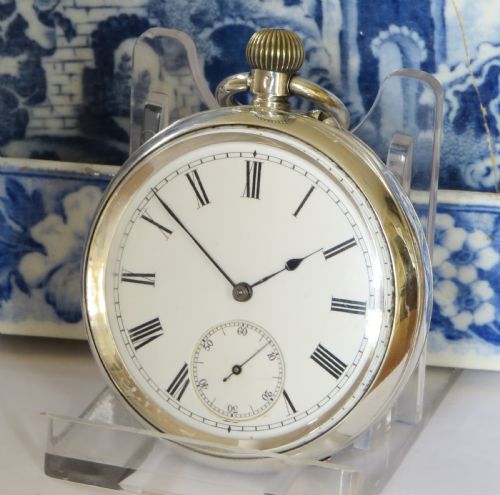
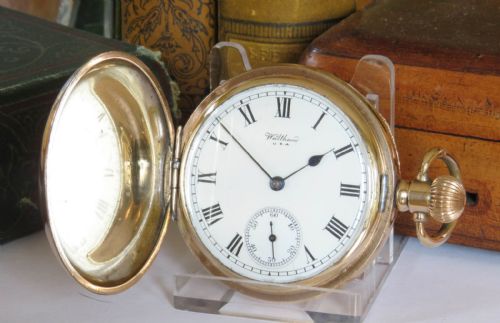
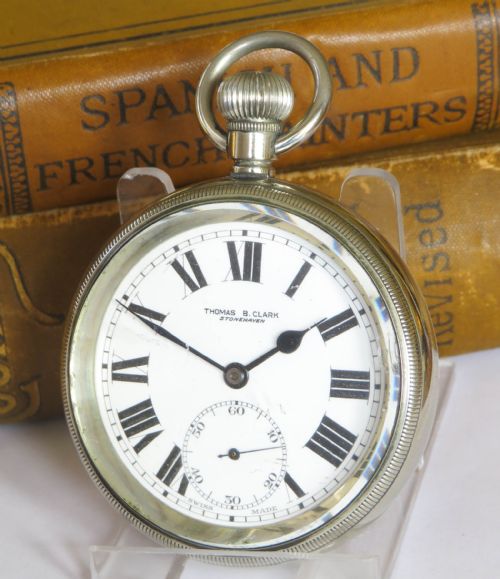
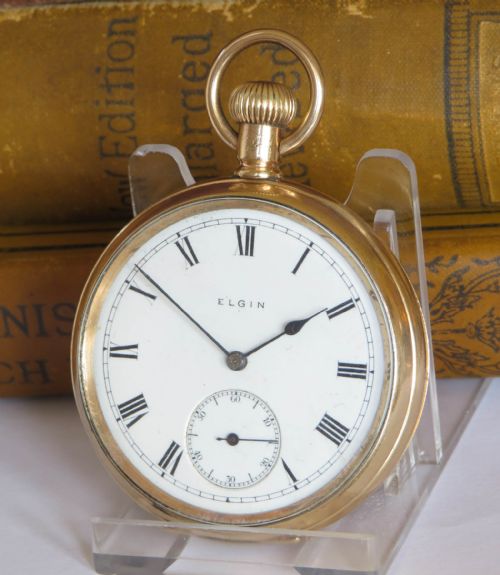
These pieces with a subsidiary seconds dial are classic timepieces offering a separate sub-dial for counting seconds precisely.
Subsidiary Seconds Dial
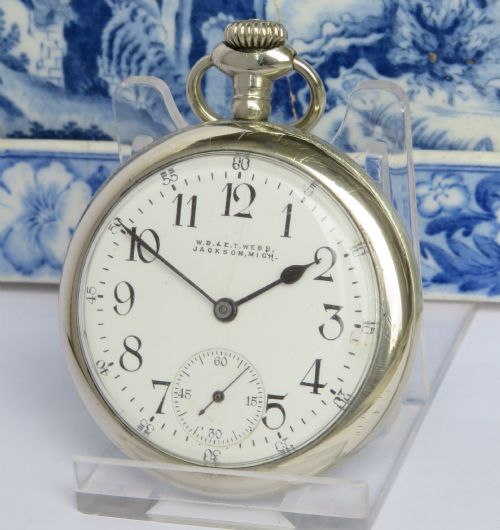
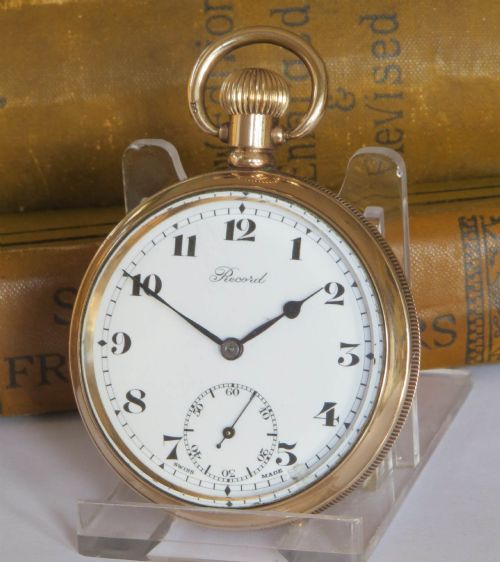
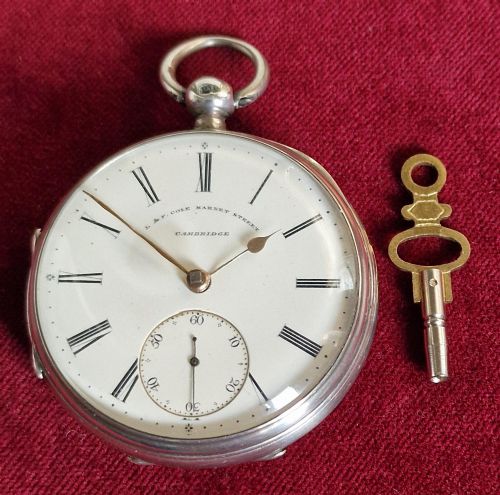
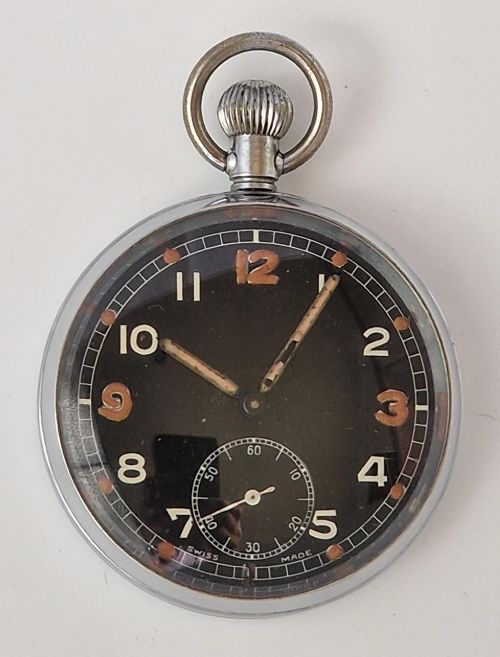
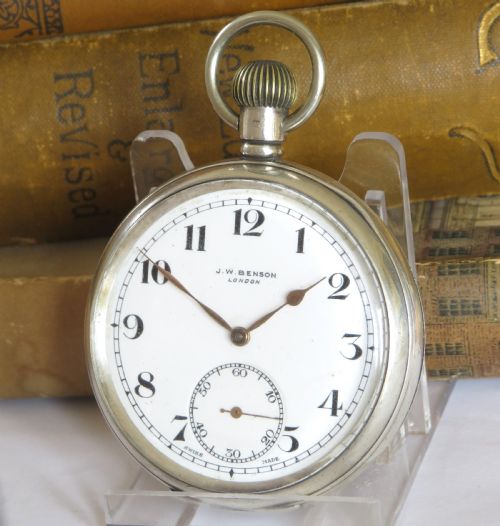
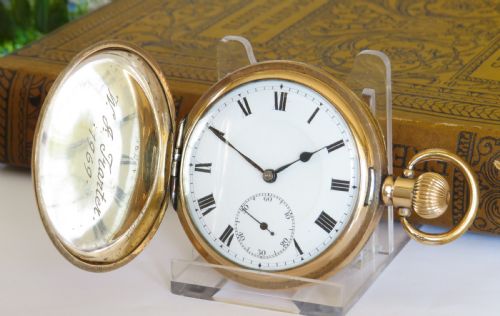
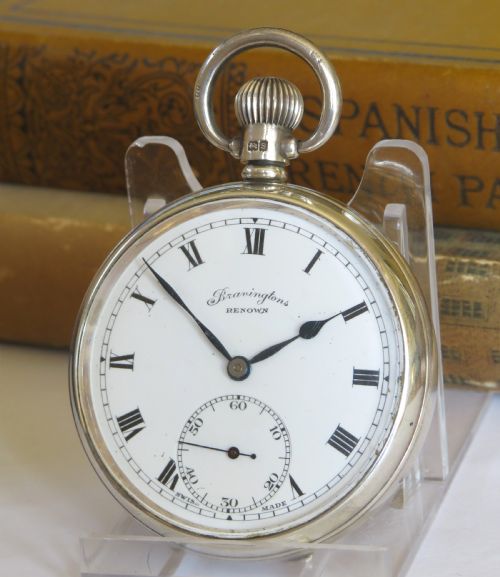
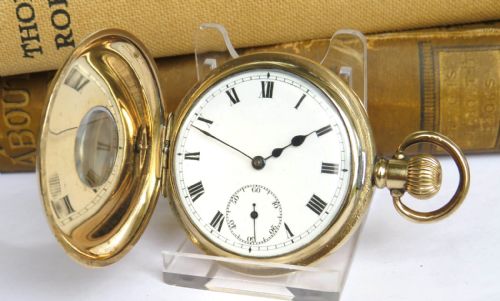
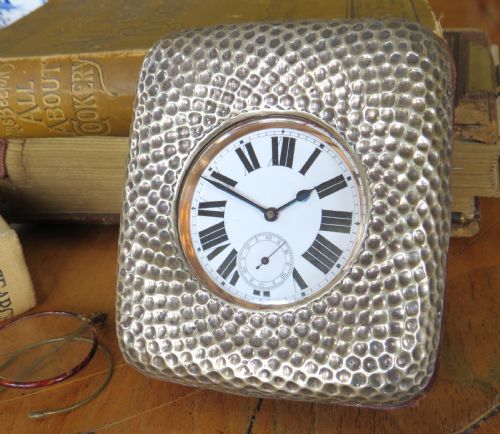
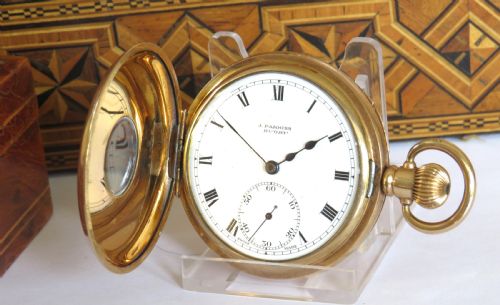
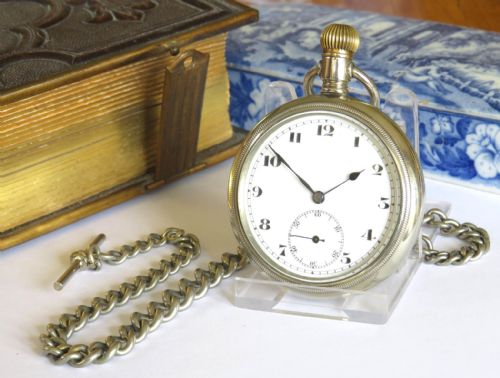
When you search for subsidiary seconds dial, you encounter pocket watches and travel clocks from the nineteenth century through the nineteen-forties. These timepieces display time with an hour and minute hand centrally, paired with a smaller secondary dial usually positioned above the six o'clock mark.
You are most likely to meet silver open-face or hunter pocket watches belonging to the nineteen-twenties and nineteen-thirties. The selection spans utilitarian silver-plate and nickel alongside gold-filled metal and gold plate examples.
How they were made
Glass covers protect the fragile dial faces while metal outer cases safeguard the internal gear trains and escapements. Enamel dials are fired carefully to bond the vitreous glass coating onto a metal base disc.
Subsidiary Seconds Dial Retail Price Guide 2026
Typical asking prices for subsidiary seconds dial among the pieces listed under this phrase on Sellingantiques today, from the lower quarter to the upper quarter. They describe what is for sale here now, not the wider market.
Some travel clocks live inside folding leather cases, ready to be packed into nineteenth-century luggage.
What varies in quality
The fineness of the movement and the integrity of the enamel dial determine the grading of each watch. Crisp lettering and unblemished enamel on the subsidiary dial distinguish superior examples from those bearing hairline cracks or chips.
Substantial silver cases with crisp hallmarks and smoothly operating hinges demonstrate higher manufacturing standards than plated or base metal alternatives.
Elgin·Cyma·J W Benson·Revue·Horos·Record·Bravingtons Renown·Meyer and Studeli·Phoenix Indestructible·Pimco·Waltham·J G Graves Sheffield
The Subsidiary Seconds Dial Glossary
- Subsidiary seconds dial
- A small secondary dial on a watch face dedicated to tracking elapsed seconds independently of the main hour and minute hands. This feature allows for more precise timekeeping observation.
- Hunter pocket watch
- A pocket watch featuring a spring-loaded metal cover that protects the glass dial from scratches and impacts. The cover springs open via a crown-mounted push-button.
- Half hunter pocket watch
- A pocket watch with a metal outer case lid containing a small glass or open aperture in the centre. This allows the wearer to read the primary hands without opening the protective cover.
- Enamel
- A glassy substance fused to a metal substrate through high-temperature firing to create a smooth, durable dial surface. It provides a bright white background that resists fading over decades.
Subsidiary Seconds Dial: Frequently Asked Questions
What is a subsidiary seconds dial?
A subsidiary seconds dial is a smaller sub-dial placed on the watch face, distinct from the central hour and minute hands. It tracks seconds independently for precision.
This layout became standard on pocket watches across the Victorian era and into the twentieth century.
How do I wind a pocket watch?
Most twentieth-century pocket watches are wound by turning the crown at the top clockwise until resistance is felt. Care should be taken not to over-wind the mainspring.
Older pieces might require a separate key inserted into the back dust cover to tension the movement.
What is a half hunter watch?
A half hunter pocket watch includes a protective metal outer lid with a small central window. This lets you check the time quickly without pressing the release catch.
Surrounding the glass window, the outer case often displays blue enamel chapter rings indicating the hours.
How do I care for an enamel dial?
Enamel dial faces require gentle handling because the glassy coating can chip or crack under sharp impacts. Keep the watch away from extreme temperature shocks.
Store the timepiece in a padded case or pocket watch stand when not being worn.