

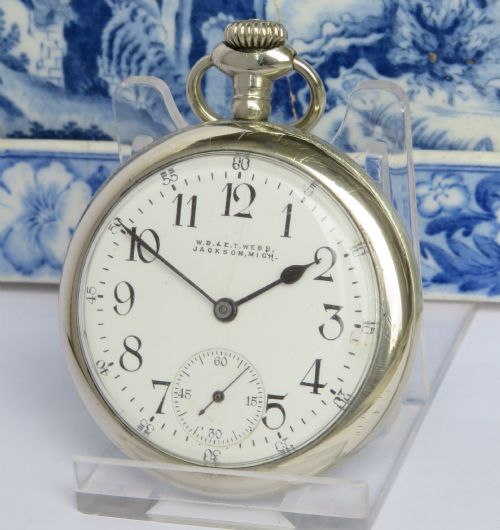
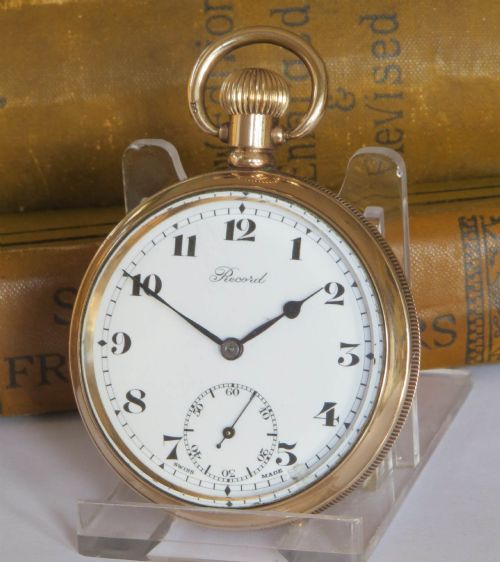
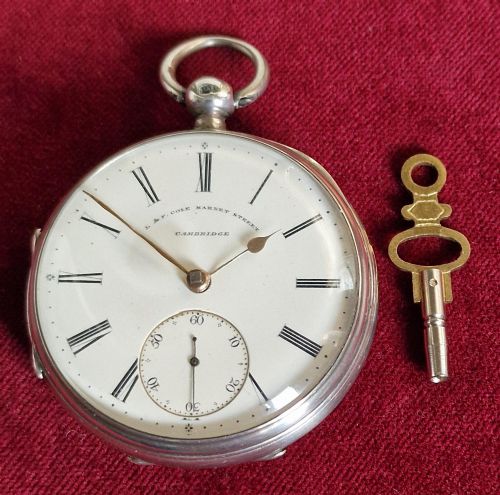
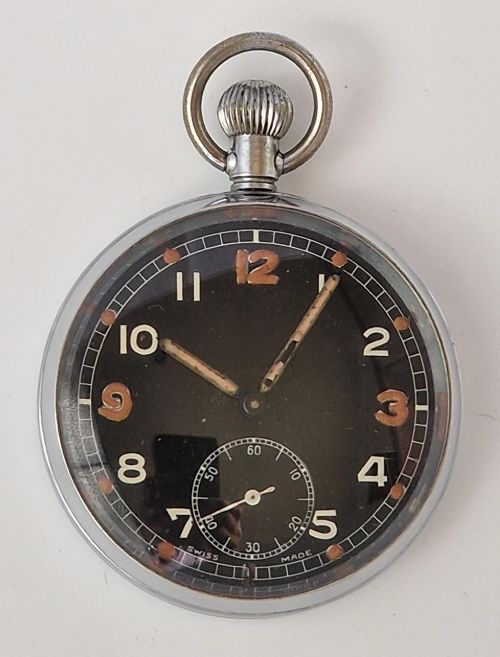

Subsidiary Seconds Dial Watch
A subsidiary seconds dial watch is a traditional pocket timepiece featuring a dedicated sub-dial for counting seconds, prized for its mechanical clarity.
Subsidiary Seconds Dial Watch
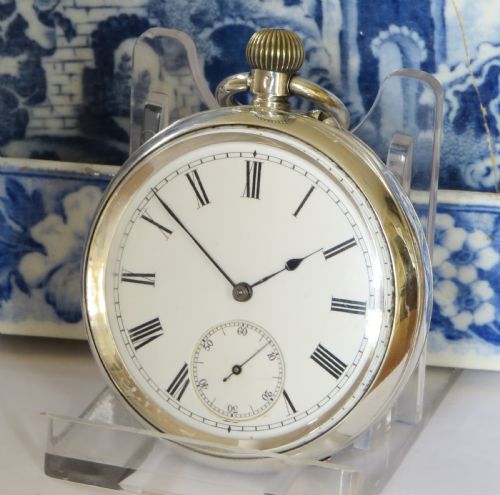
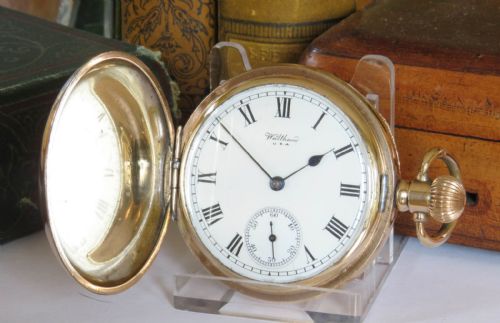
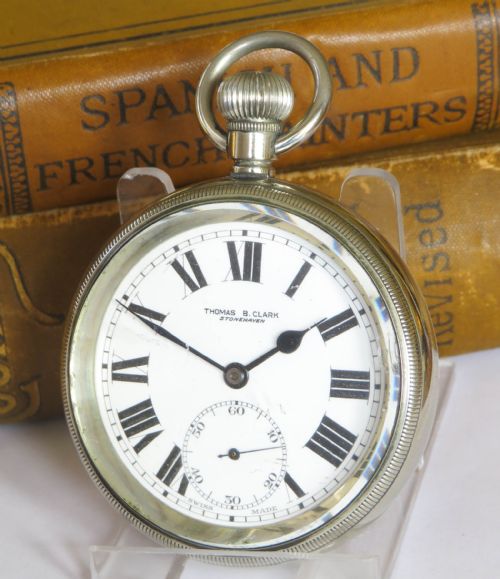
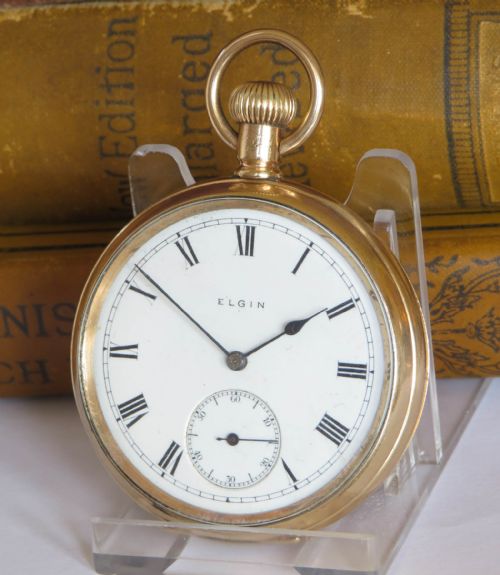
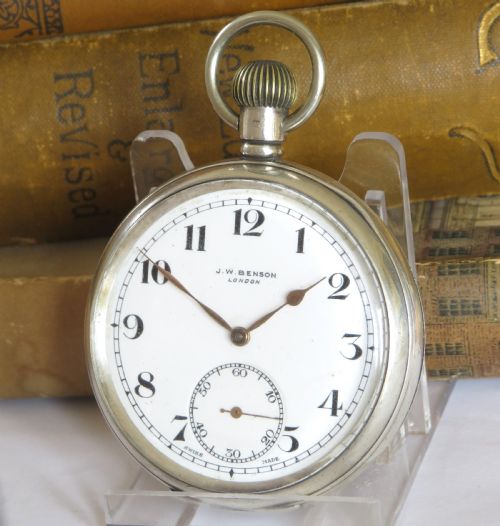
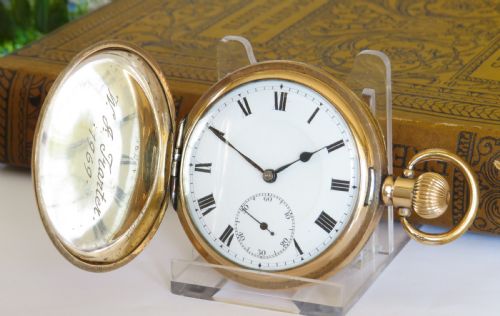
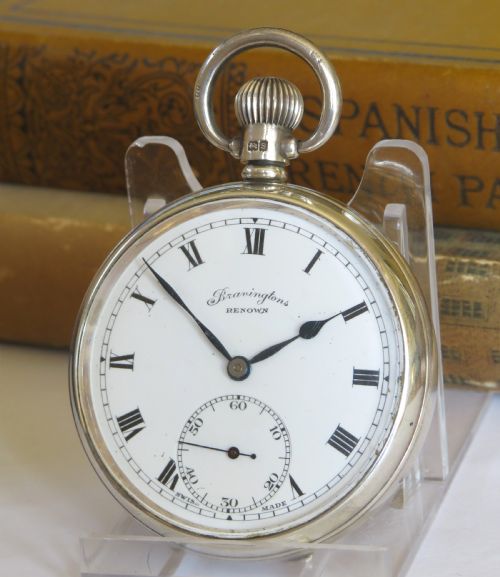
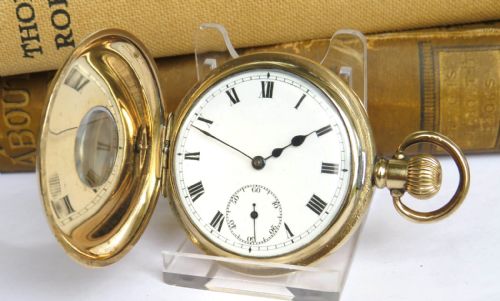
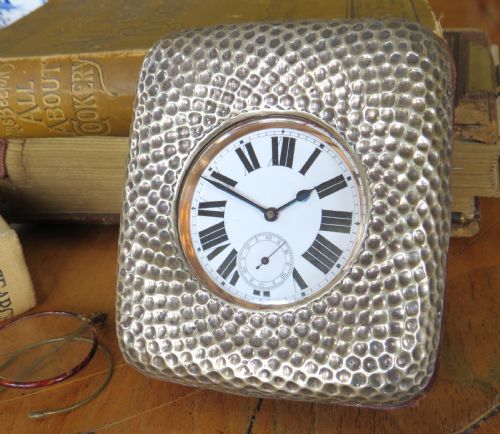
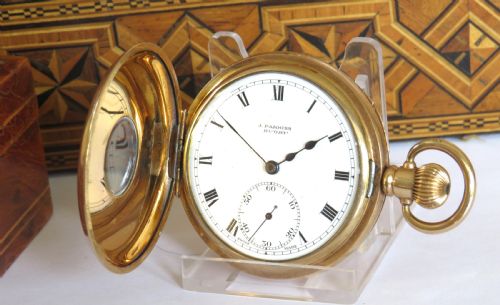
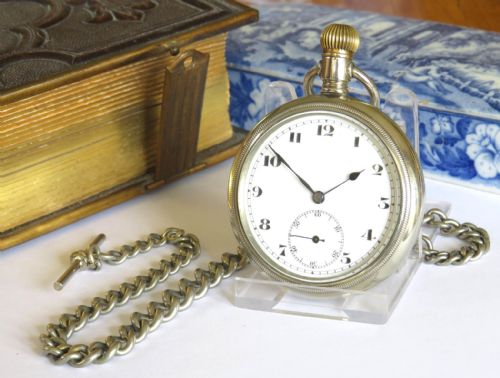
A subsidiary seconds dial watch groups timepieces built across the Victorian era through the 1940s, spanning standard pocket watches, full hunter designs, half hunters, and travel clocks. The examples seen here most frequently take the form of pocket watches originating from the 1900s, 1910s, 1920s, and 1930s.
Makers and distributors such as Elgin, Cyma for J W Benson, Revue, Horos, Urania, Record, Bravingtons Renown, Meyer & Studeli, Phoenix, Pimco, Waltham, and J G Graves of Sheffield appear across the pieces. Styles range through Victorian, Edwardian, and Art Deco designs.
The layout typically places a small subsidiary dial beneath the central hour and minute hands, usually positioned above the six o'clock marker. These pieces utilise mechanical movements housed in cases of silver, gold-filled metal, gold plate, nickel, and silver-plate.
How they were made
Cases are constructed from metals including silver, gold-filled metal, nickel, and silver-plate, often enclosing glass crystals to protect the dial. Movements rely on mechanical gear trains housed within protective outer casings like hunter or half hunter styles.
Dials are typically finished with enamel, providing a durable white or coloured surface for the painted numerals and the subsidiary seconds track. Hallmarks and casing stamps are frequently applied to silver examples to indicate assay offices and metal purity.
Subsidiary Seconds Dial Watch Retail Price Guide 2026
Typical asking prices for subsidiary seconds dial watch among the pieces listed under this phrase on Sellingantiques today, from the lower quarter to the upper quarter. They describe what is for sale here now, not the wider market.
Many of these watches tick with a reassuring rhythmic pulse that easily outlives the owner's morning coffee.
What varies in quality
The grade of a subsidiary seconds dial watch is determined by the refinement of its movement and the execution of its case metal. Silver and gold-filled housings combined with well-finished lever movements represent the more substantial end of the range.
Case variations range from plain nickel or silver-plate to fully hallmarked silver and intricate half hunter or full hunter designs. The crispness of the enamel dial and the legibility of the subsidiary seconds markings also define the standard of execution.
Elgin·Cyma·J W Benson·Revue·Urania·Horos·Record·Bravingtons Renown·Meyer & Studeli·Phoenix·Pimco·Waltham·J G Graves Sheffield
The Subsidiary Seconds Dial Watch Glossary
- Subsidiary seconds dial
- A small secondary dial on a watch face that tracks the passing seconds independently of the main hour and minute hands.
- Full hunter pocket watch
- A pocket watch featuring a spring-loaded metal cover that snaps shut over the glass dial for protection.
- Half hunter pocket watch
- A pocket watch with a metal outer case cover featuring a small glass or open aperture in the centre to read the hands without opening the case.
- Gold-filled metal
- A composite material consisting of a layer of gold mechanically bonded to a base metal core, offering durability distinct from simple gold plating.
- Enamel
- A glassy substance fused to a metal dial substrate through high-temperature firing, creating a smooth and permanent surface for painted numerals.
Subsidiary Seconds Dial Watch: Frequently Asked Questions
What is a subsidiary seconds dial watch?
A subsidiary seconds dial watch is a timepiece featuring a separate, smaller dial usually positioned at the bottom of the main watch face to track seconds independently.
These designs allow the primary hands to display hours and minutes clearly without cluttering the dial centre.
What metals were used for these watch cases?
Watch cases from these periods were manufactured using solid silver, gold-filled metal, gold plate, nickel, and silver-plate.
Silver examples frequently bear hallmarks indicating the assay office and year of manufacture.
How do I wind and care for a mechanical pocket watch?
Mechanical pocket watches require gentle manual winding via the crown until resistance is felt, avoiding over-winding to protect the mainspring.
Keep the watch away from moisture and store it securely in a lined case or pocket when not in use.