
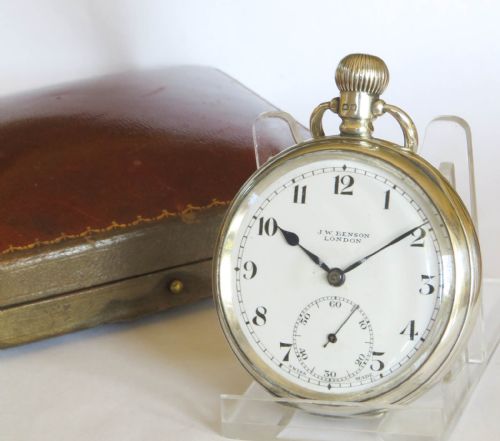
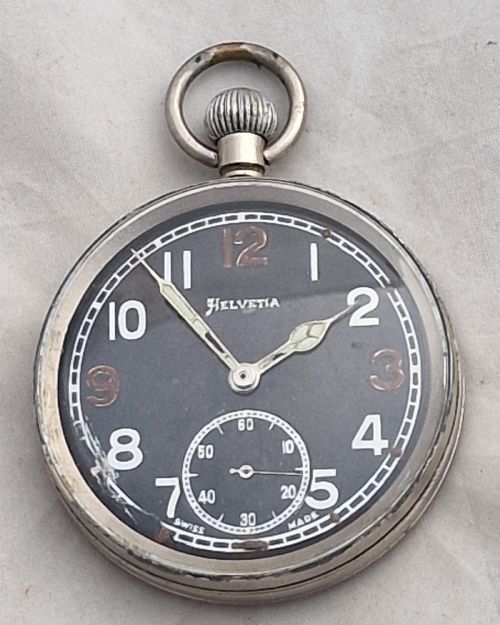
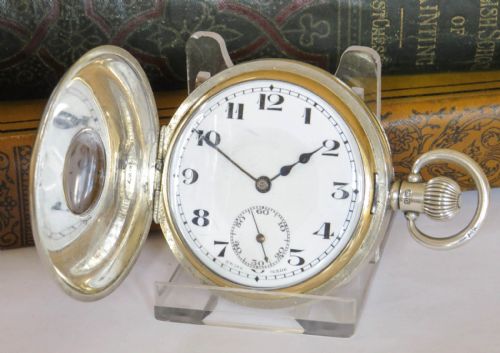
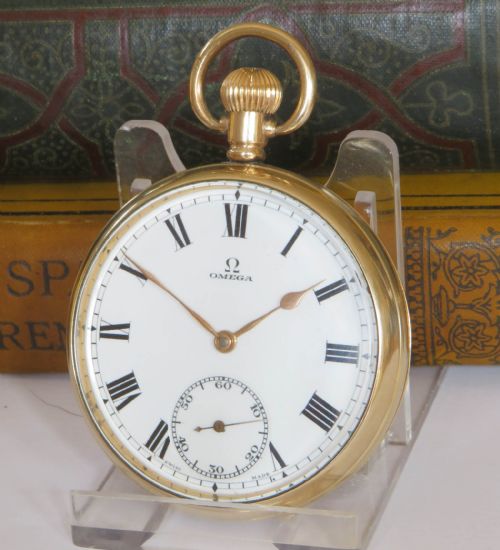
Sub Seconds Dial
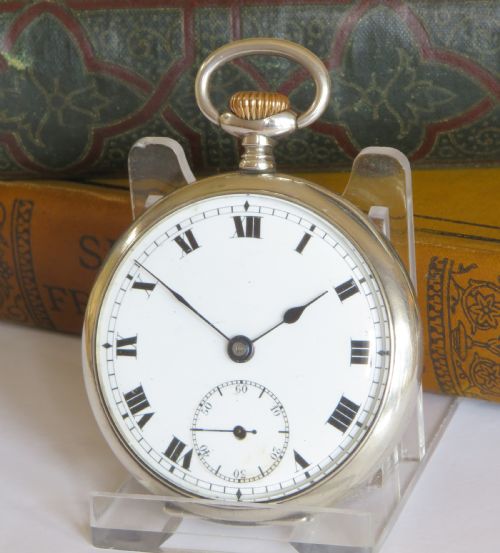
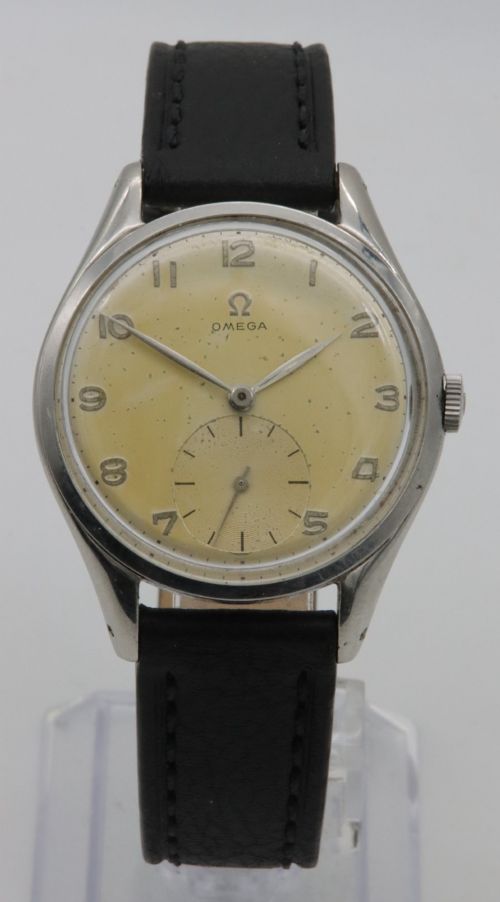
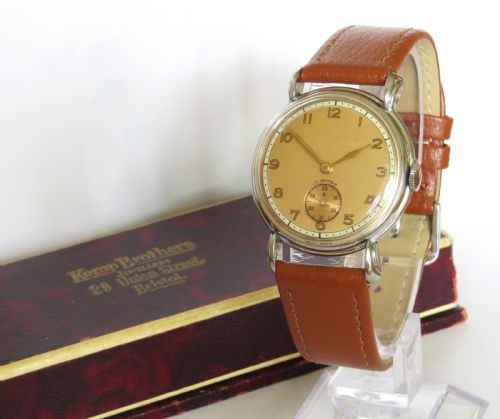
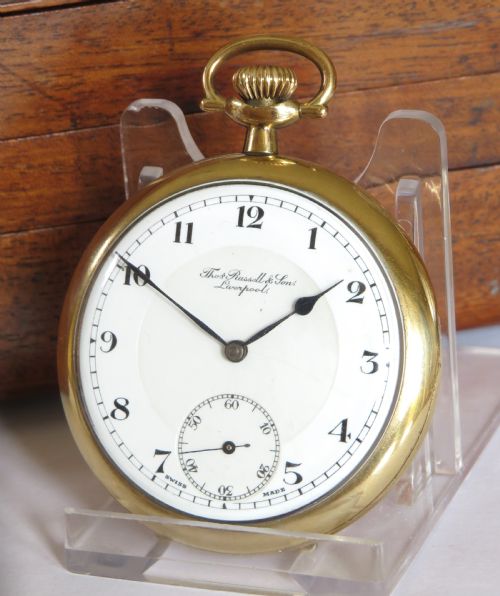
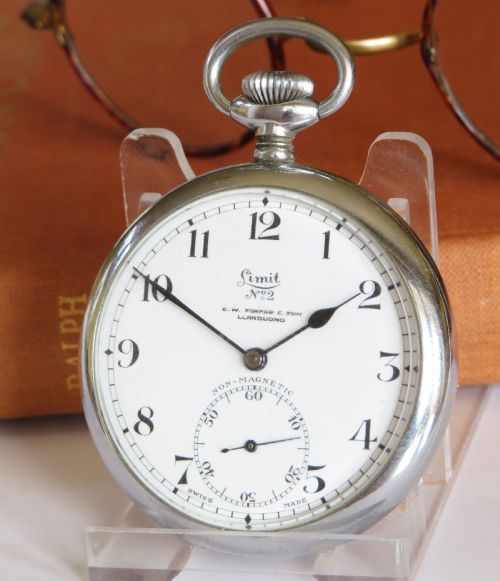
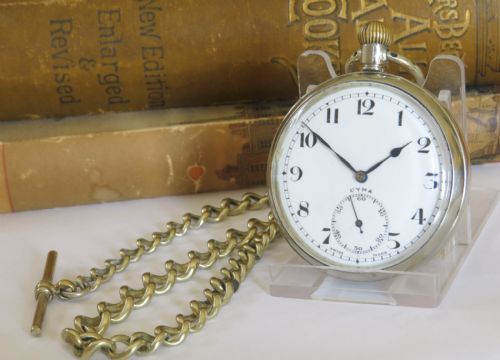
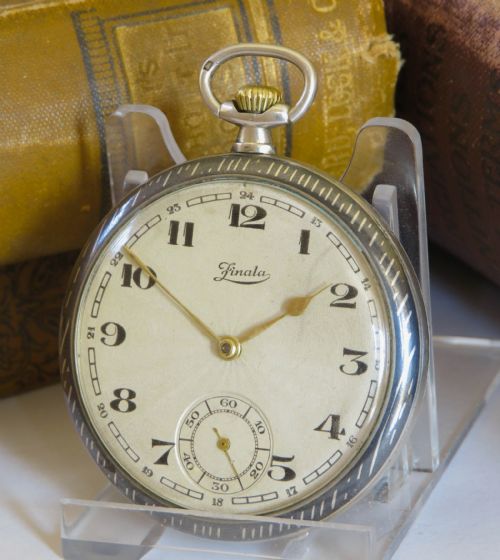
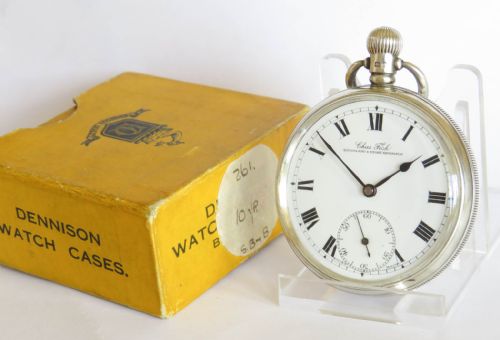
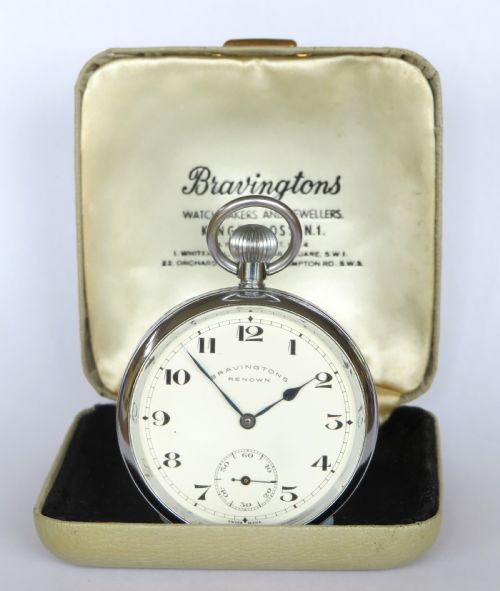
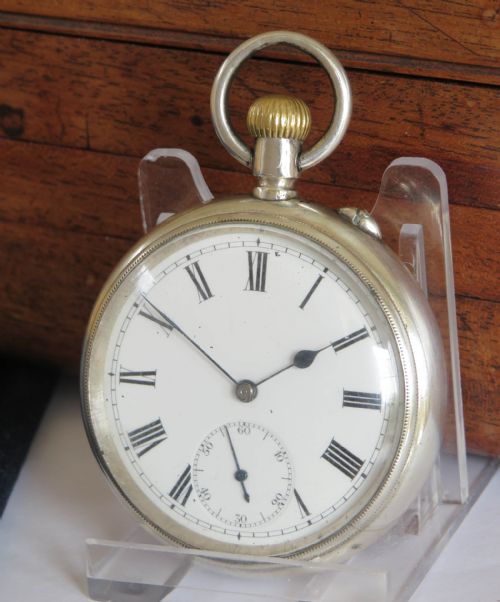
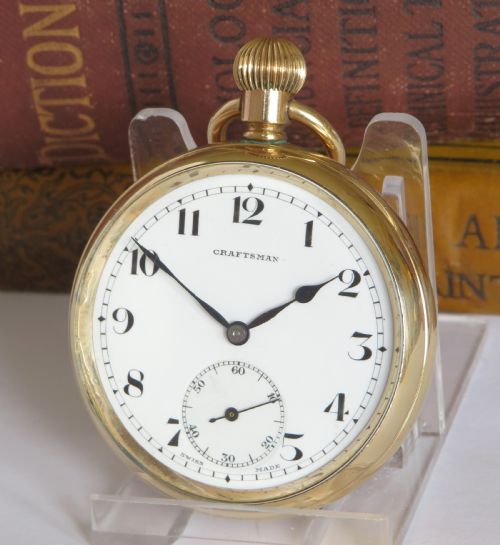
Sub seconds dial watches are timepieces featuring a secondary register for seconds, offering a traditional layout found across pocket and wrist watches.
Sub Seconds Dial
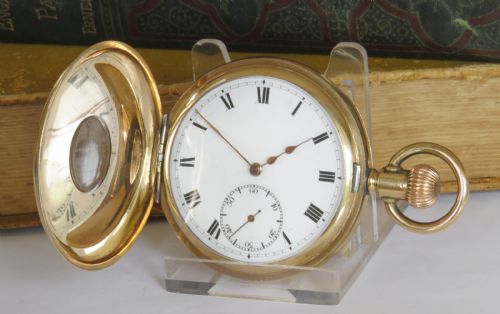
When searching for a sub seconds dial, a buyer examines pocket watches and wristwatches spanning from the Victorian period through to the 1960s. These pieces include military issues, hunter models, and classic dress watches featuring a distinct auxiliary dial for tracking seconds independently of the main hour and minute hands.
The most common items met on this page are pocket watches from the 1920s and 1930s, alongside wristwatches from the 1940s and 1950s. Object types range from carriage clocks to trench watches and tank watches, reflecting diverse manufacturing traditions from Swiss, British, and American makers.
How they were made
Cases utilise metals such as sterling silver, stainless steel, gold plate, gun metal, and solid nine-carat gold, paired frequently with glass crystals and enamel dials. Leather appears on straps and accompanying chains, while acrylic emerges in later mid-century wristwatch examples.
Movements rely on manual wind mechanisms housed within protective metal housings like silver cases and niello finishes. Dials integrate subsidiary tracks alongside traditional hands, constructed to accommodate the separate gearing required for the seconds display.
Listings feature periods spanning from the Victorian era through the 1960s, encompassing pocket watches and wristwatches in silver, gold plate, and stainless steel.
What varies in quality
The standard of a piece depends on the preservation of the original dial and the integrity of the metal case, whether silver, gold plate, or stainless steel. Examples featuring military markings or specific historical provenance demonstrate greater documentary interest among collectors.
Execution involves the clarity of the enamel or metal sub-seconds register and the refinement of the manual wind movement inside. Fully restored calibres and original components distinguish finer horological specimens from standard production items.
J W Benson·Helvetia·Omega·Record·Limit Revue·Thomas Russell and Son·Cyma·Silvana·Bravingtons Renown·Stauffer·Craftsman·Waltham·Zenith·Everite·Longines·Wagner·Tellus·Smiths·Prefect·Bulova·Elgin·Jaeger LeCoultre
The Sub Seconds Dial Glossary
- Sub seconds dial
- A secondary small register on the face of a watch dedicated to tracking seconds. This layout separates the seconds hand from the central axis carrying the hour and minute hands.
- Hunter pocket watch
- A pocket watch fitted with a spring-loaded metal cover to protect the glass dial. Half hunter variations feature a small glass panel or opening in the cover to read the time without opening the case.
- Manual wind
- A mechanical watch movement powered by manually turning the crown to tension the mainspring. These movements require regular winding to maintain operation.
- Niello
- A black metallic alloy used as an inlay on engraved metal surfaces to create contrasting decorative designs. It appears frequently on decorative pocket watch cases from the early twentieth century.
- Calibre
- The specific designation given by a manufacturer to a particular watch movement design. Collectors reference these numbers to identify specific technical generations within a maker's output.
Sub Seconds Dial: Frequently Asked Questions
What is a sub seconds dial?
A sub seconds dial is a small subsidiary circle on the face of a watch that tracks seconds independently from the main hands. It typically sits near the bottom of the dial above the six o'clock position.
This layout allows the primary dial to remain clean and legible while providing a dedicated area for precise second measurements.
How do I wind a manual watch?
Manual wind watches require turning the crown clockwise between your thumb and forefinger until you feel gentle resistance. You should stop turning immediately when the spring feels fully tensioned to avoid damaging the internal mechanism.
Performing this action at a consistent time each day helps maintain steady timekeeping performance throughout the power reserve.
How do I date a vintage watch?
Dating a vintage timepiece involves examining serial numbers stamped on the movement or inside the case back, which can be cross-referenced with maker records. Stylistic clues such as numerals, case shapes, and dial designs also help narrow down the decade of production.
Pieces issued for military service often feature government acceptance marks or broad arrow symbols that assist in establishing an exact period of use.
Can I wear a vintage pocket watch daily?
Vintage pocket watches can be carried daily provided they are handled with care and kept away from moisture and severe impacts. Securing the piece with a proper watch chain prevents accidental drops during movement.
Regular servicing by a professional horologist ensures the internal gears remain lubricated and accurate for routine use.