

Study Desk Light
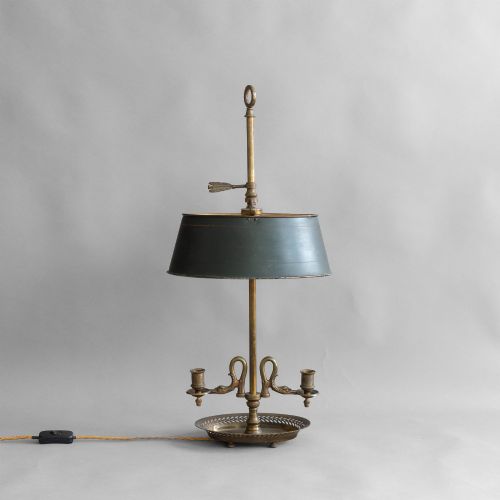
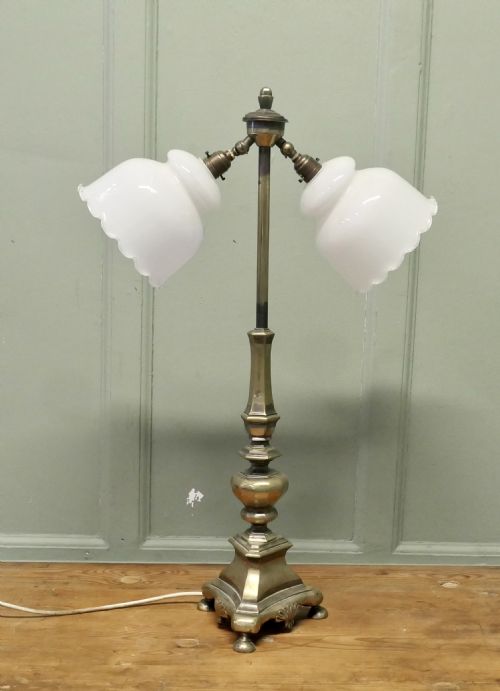
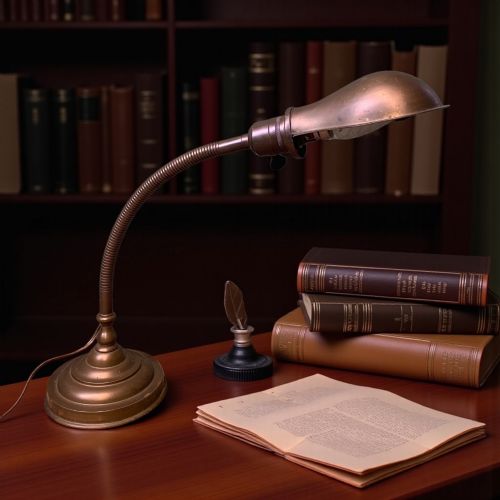
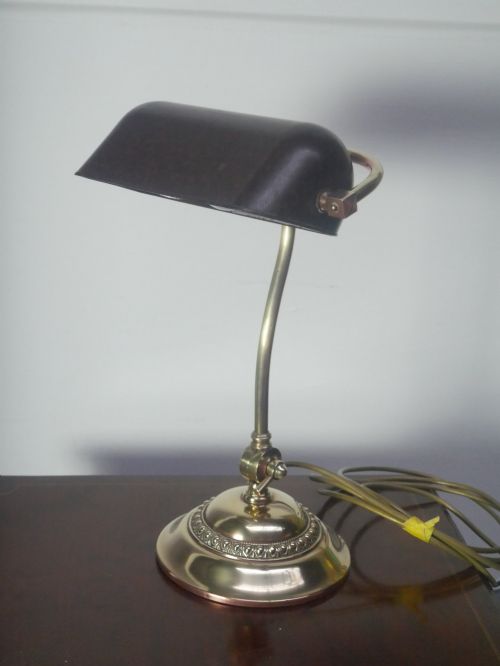
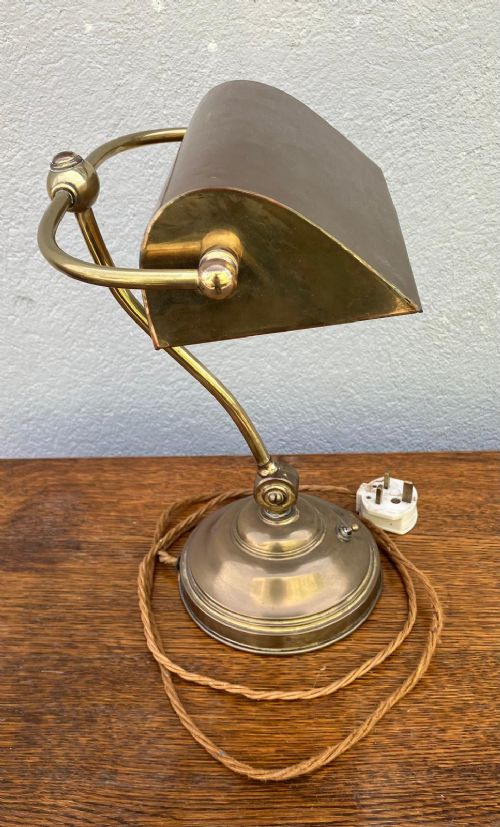
Study desk light designs combine brass, chrome, and bronze to bring directional task illumination and period character to workspaces.
Study Desk Light
The most common examples on this page date from the 1920s and 1930s, showing Art Deco, Arts and Crafts, and Edwardian design influences.
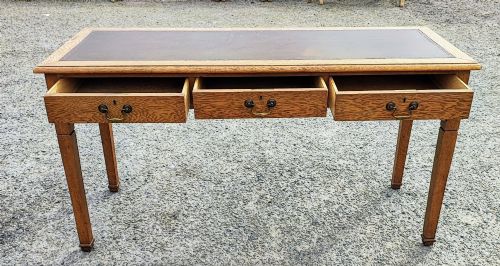
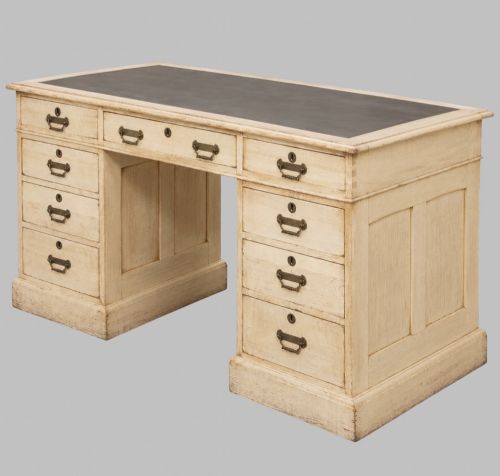
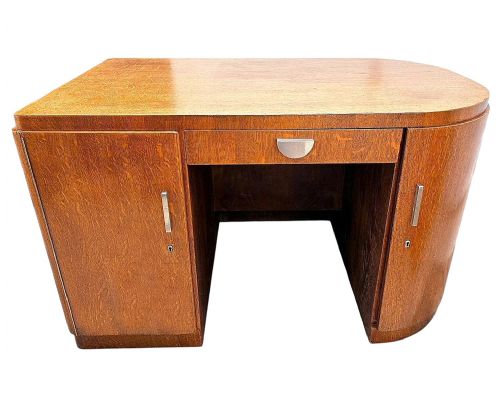
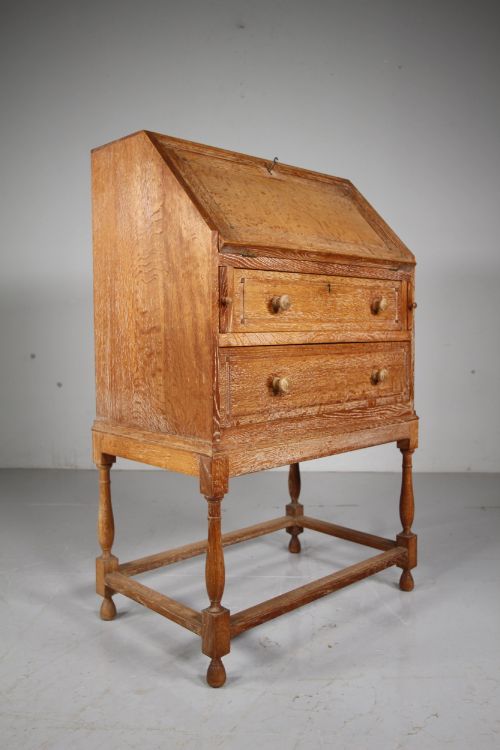
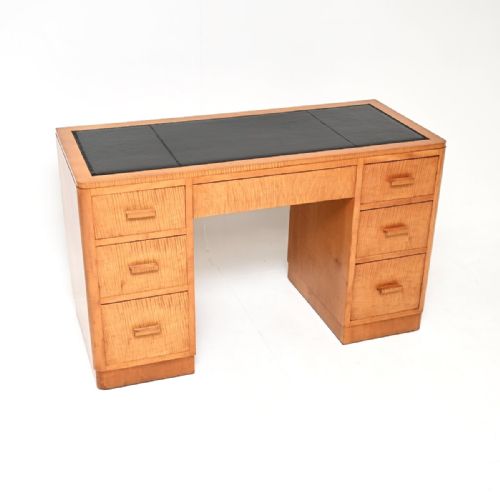
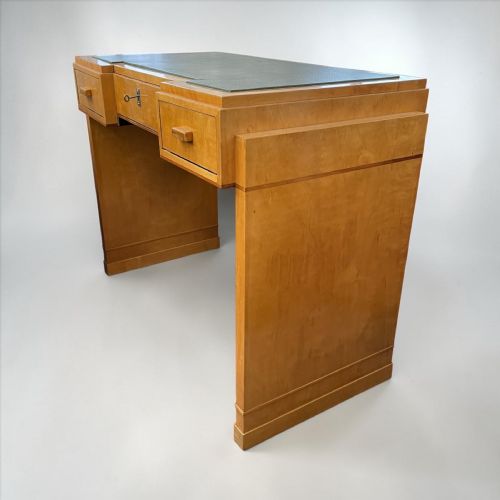
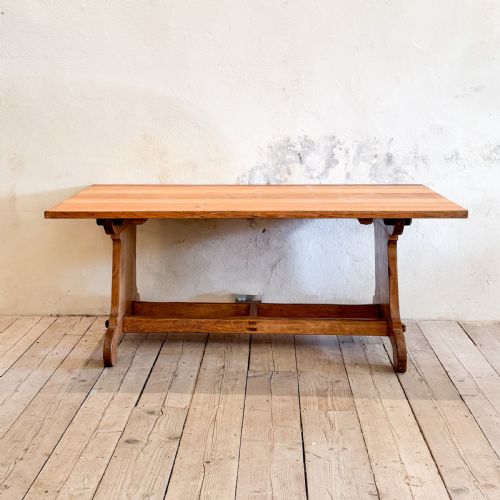
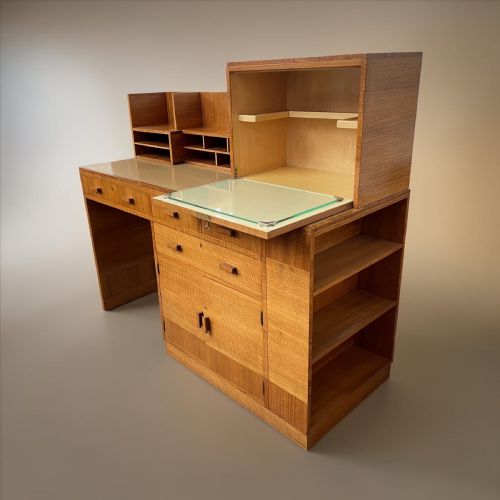
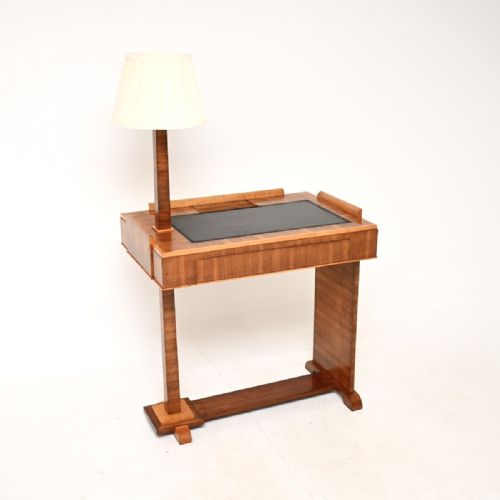
Makers paired these lamps with oak, satin birch, and leather desks spanning the nineteenth and twentieth centuries to create functional writing stations.
Materials and Construction
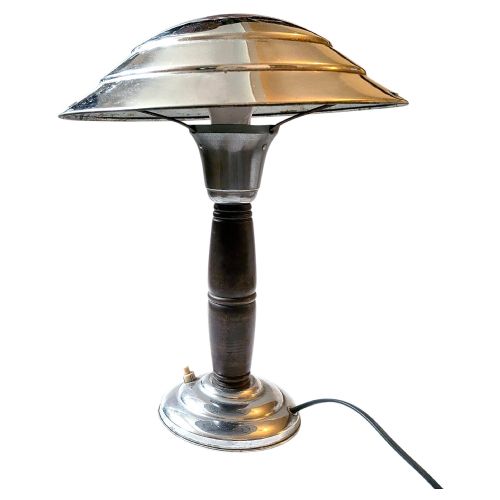
Foundry cast brass, spun chrome, and heavy bronze form the structural skeletons and shades of these task lights, providing the necessary weight to balance adjustable swan necks and articulating joints.
Makers integrated turned timber elements like oak and sycamore alongside toleware, Bakelite, and moulded glass shades to direct light efficiently onto writing surfaces.
Study Desk Light Retail Price Guide 2026
Typical asking prices for study desk light among the pieces listed under this phrase on Sellingantiques today, from the lower quarter to the upper quarter. They describe what is for sale here now, not the wider market.
Listings feature brass, chrome, and bronze desk lights spanning the Victorian era through the 1940s.
Quality and Build
Superior execution shows in the weight of the metal castings, the smoothness of articulating joints, and the retention of original surface patination rather than polished plating.
Subtle differences in wiring integration, maker labelling, and the precision of shade mouldings separate standard commercial lamps from works bearing traceable studio origins.
Heal and Son·Wild and Wessel·Eileen Grey·E. Cole·Deighton and Dunthorne
The Study Desk Light Glossary
- Articulated
- Jointed or hinged to allow the user to adjust the angle and reach of the lamp arm. This mechanism enables precise directional lighting over papers and books.
- Swan neck
- A curved, slender metal tube resembling the neck of a swan, used to suspend a shade above a work surface. It provides both flexibility and period elegance.
- Toleware
- Painted or lacquered sheet metal items popular in desk accessories and lamp shades. The painted surfaces often feature floral motifs or solid dark finishes.
- Bakelite
- An early form of synthetic plastic used for switch housings and lamp bases. Its dark, durable moulded surfaces define twentieth-century industrial design.
Study Desk Light: Frequently Asked Questions
How do I choose the right desk lamp?
Consider the scale of your workspace and the type of illumination you need for reading or writing. Adjustable brass and chrome models allow you to direct light precisely where required.
Match the metal finish and period style to your writing table or bureau to maintain a cohesive interior aesthetic.
Are these lamps safe to use today?
Many vintage and antique desk lights have been rewired by dealers for modern use. It remains sensible to have any historical electrical item checked by a qualified professional before plugging it in.
Inspect the flex and bulb holder periodically to ensure the installation meets current domestic safety standards.
How do I date a brass desk lamp?
Examine the manufacturing techniques, screw types, switch mechanisms, and base weights. Art Deco and Arts and Crafts examples often display distinct geometric or organic profiles characteristic of their decade.
Makers' stamps, patent numbers, or labels provide the most reliable evidence for pinning down an exact period of origin.
Can I use modern bulbs in old lamps?
Most vintage desk lights accept standard modern LED or incandescent bulbs provided the wattage does not exceed the limit of the historic lamp holder. Check the interior of the shade or socket for guidance on maximum power.
Using low-heat LED bulbs helps protect delicate historic materials like Bakelite, painted toleware, and aged brass from thermal damage.