
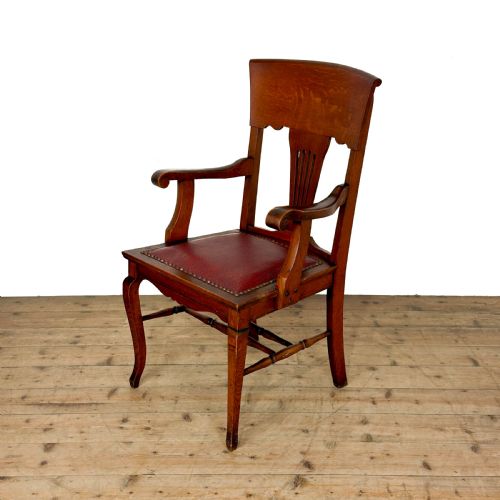


Studded Red Armchair
A studded red armchair brings rich colour and enduring utility into a room, offering a seat shaped by centuries of woodworking and leather craft.
Studded Red Armchair
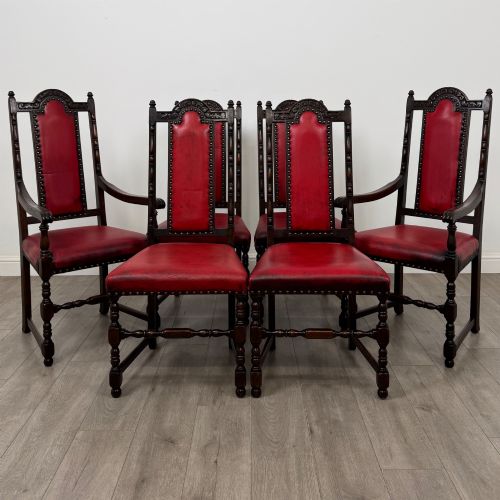
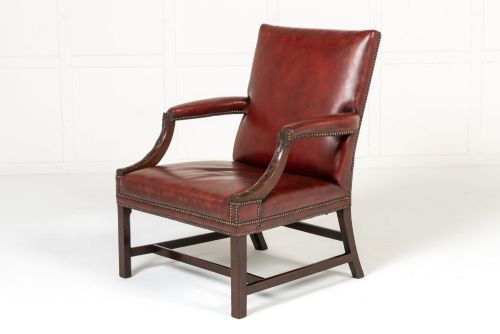
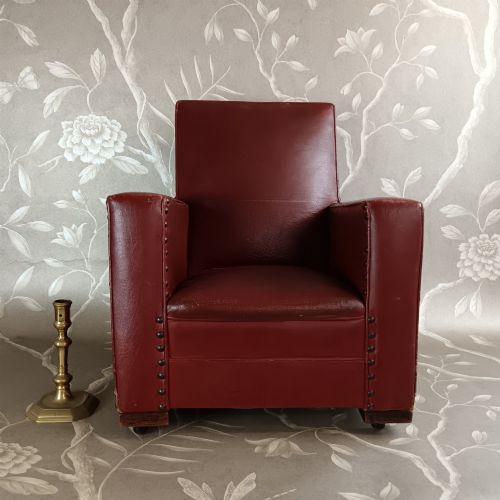
When searching for a studded red armchair, buyers encounter a diverse selection of seating spanning multiple centuries and regional styles. The pieces range from substantial 18th century mahogany Gainsborough chairs and Victorian library seats to Edwardian oak office furniture and 1930s Art Deco club chairs.
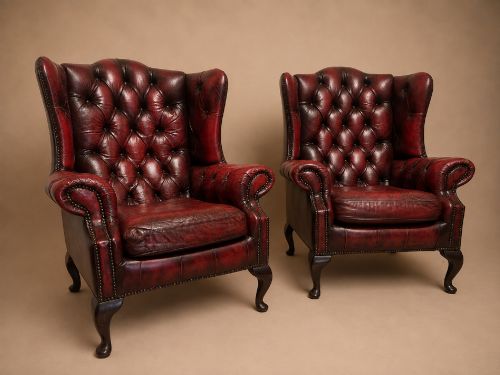
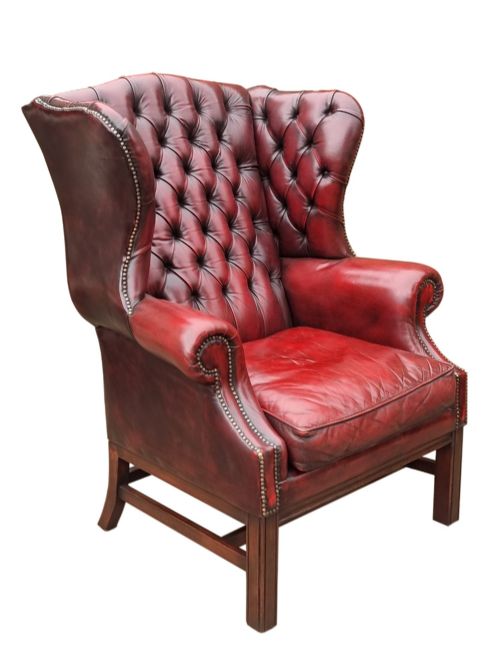
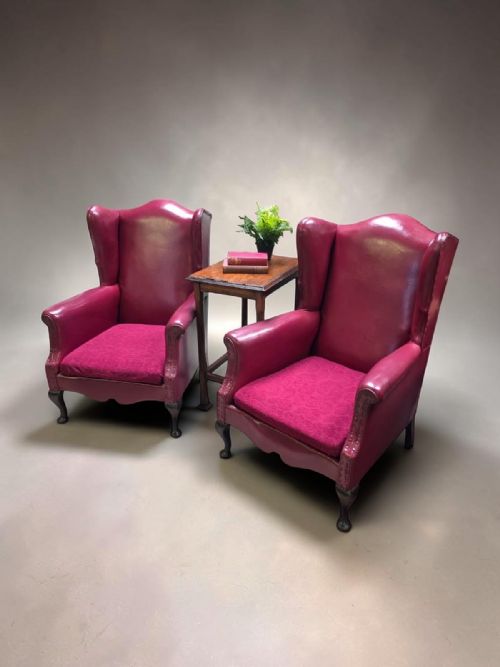
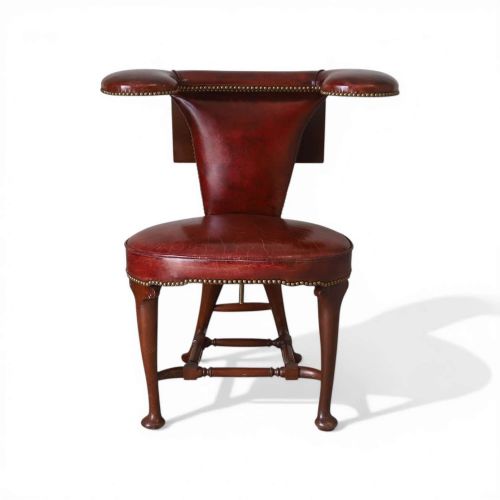
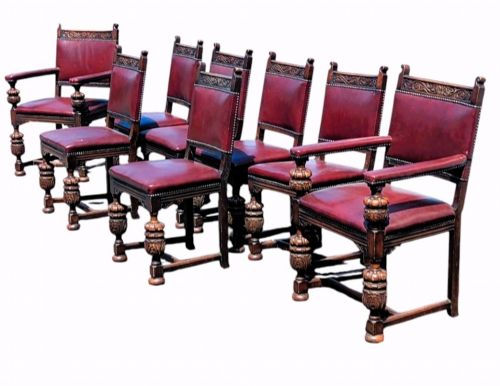
The form adapts to many rooms, appearing as reading chairs, desk armchairs, wingbacks, and dining chairs. Oak, mahogany, and walnut provide the structural frames, upholstered in red, oxblood, or burgundy leather.
Victorian and Edwardian iterations dominate the selection, alongside revival styles that echo Jacobean, Georgian, and Queen Anne designs. Buyers also find occasional French armchairs, swivel desk chairs, and child-sized club chairs among the offerings.
Assessing quality in construction and material
Quality rests in the integrity of the wooden frame and the grade of the leather. Dense hardwoods like mahogany and walnut indicate superior framing compared to lighter timbers, while supple, durable leather distinguishes finer upholstery from lesser hides.
The precision of the brass studding and the joinery of the frame reveal the maker's hand. Finer pieces maintain tight joints and well-proportioned revival styling that respects historical precedents.
Periods represented span from the 18th century through the Victorian and Edwardian eras, up to the 1930s and 1940s.
Kendrick & Jefferson
The Studded Red Armchair Glossary
- Gainsborough chair
- A type of wide, upholstered armchair with open arms, originating in the 18th century and commonly framed in mahogany. These seats were designed for writing desks and libraries.
- Wingback armchair
- An upholstered seat featuring high sides and lateral panels, or wings, originally intended to shelter the sitter from draughts. They appear frequently in leather upholstery with brass studding.
- Jacobean Revival
- A design style popular in the 19th and early 20th centuries that imitates the heavy, carved oak furniture of the early 17th century. Pieces in this style often feature turned wooden components.
- Rexine
- A brand of artificial leather cloth utilised as an upholstery material on mid-20th century seating. It offers a practical alternative to genuine leather while maintaining a similar texture.
- Swivel and desk chair
- A functional seating form featuring a central pivot mechanism, commonly constructed in oak or mahogany for office and library environments.
Studded Red Armchair: Frequently Asked Questions
How do I date an old red leather armchair?
Dating relies on examining the timber species, construction joints, and stylistic revival cues. Hardwoods like mahogany and walnut point towards specific periods, while overall design shapes reveal Victorian or Edwardian influences.
Secondary evidence, such as swivel mechanisms or the presence of rexine instead of leather, helps narrow down pieces from the 1930s and 1940s.
Where were these armchairs originally used?
These armchairs served primarily in studies, libraries, offices, and formal living spaces. Library chairs and desk armchairs provided functional seating for reading and writing.
Larger wing chairs and club chairs were placed near firesides or in reception rooms to offer comfort and protection from draughts.
Are these chairs suitable for daily use?
Most of these pieces were constructed from durable hardwoods like oak and mahogany, designed to withstand regular use. Leather upholstery provides a hard-wearing surface that ages with character.
Placing them in modern homes requires consideration of seat height and ergonomic comfort, particularly for office or desk variants.