

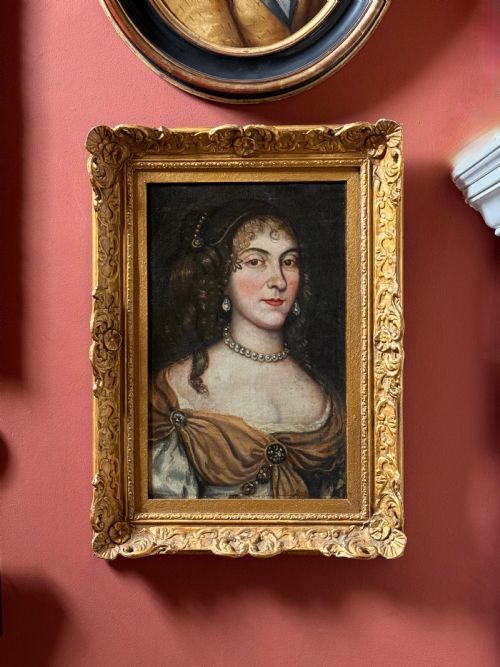
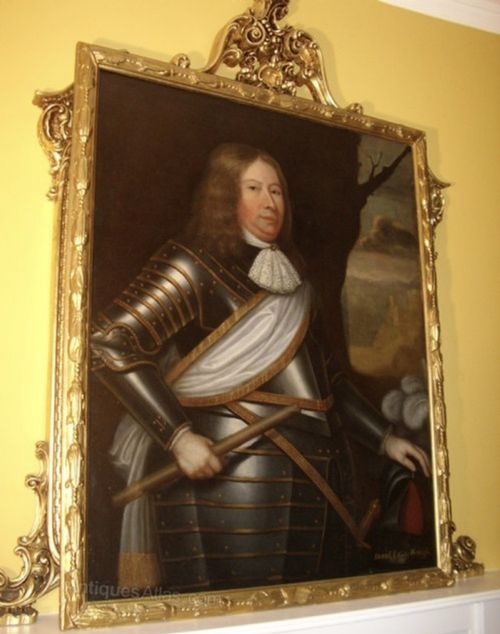
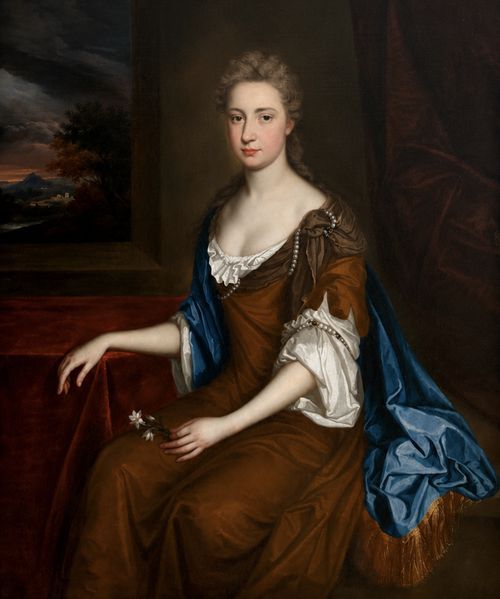
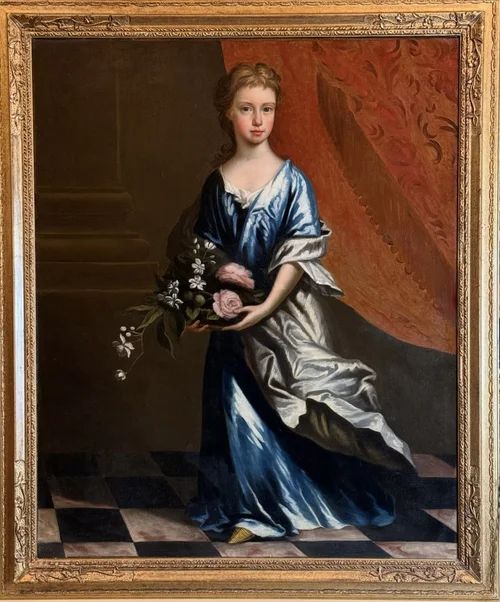


Stuart Oil Portrait
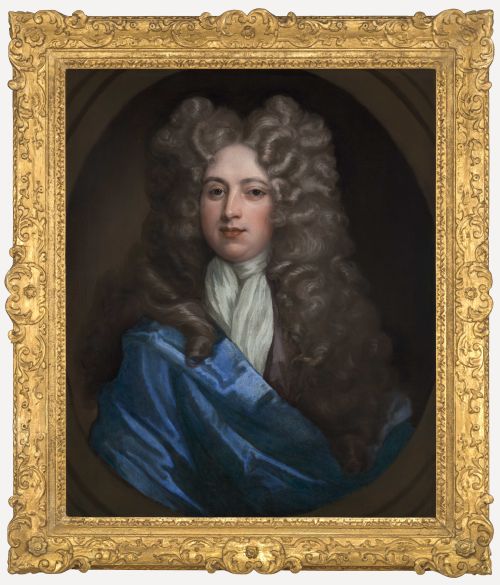
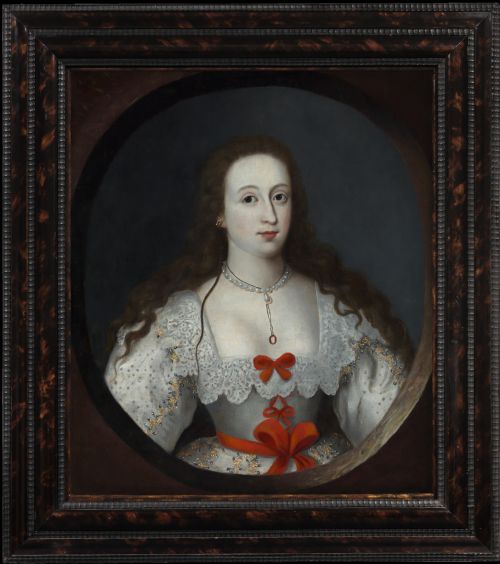
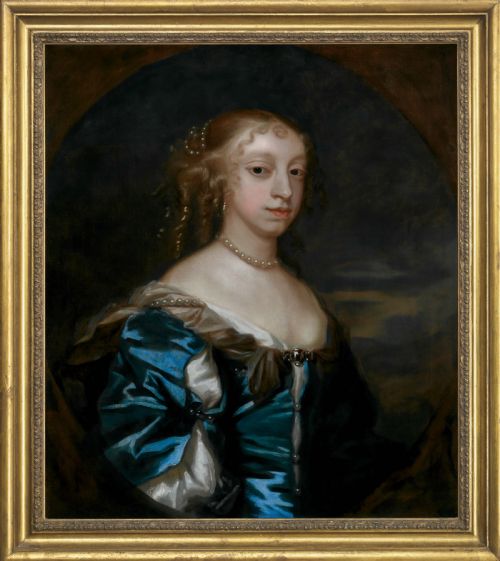
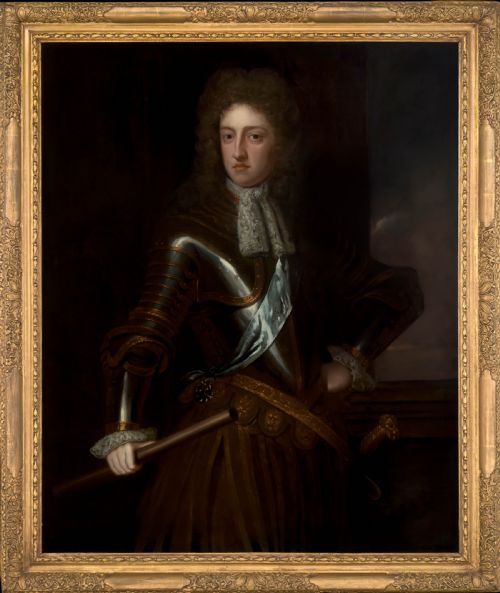
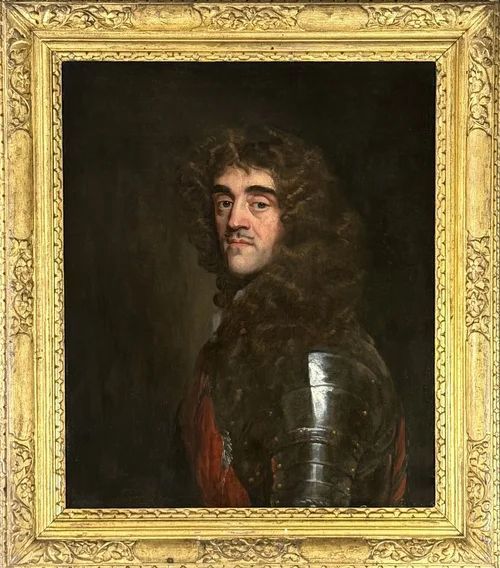
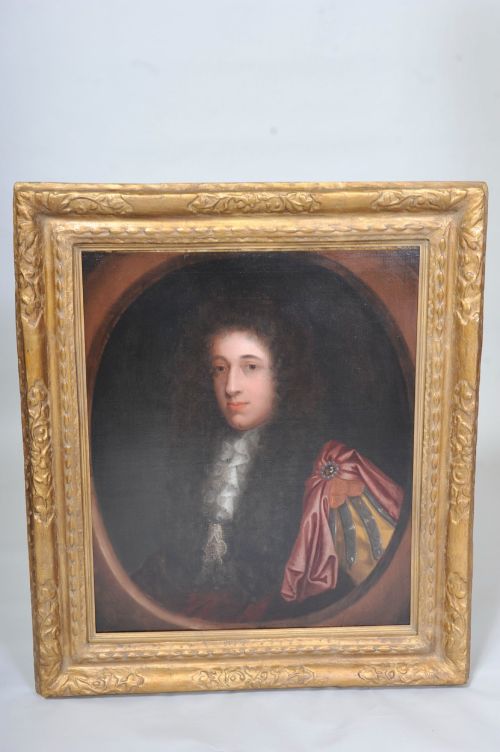
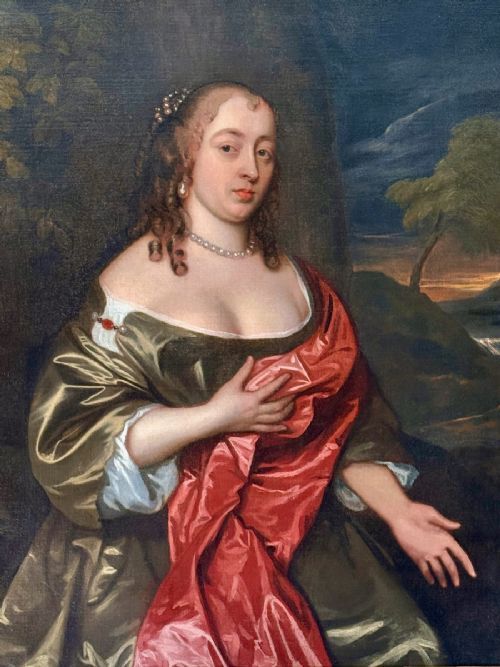
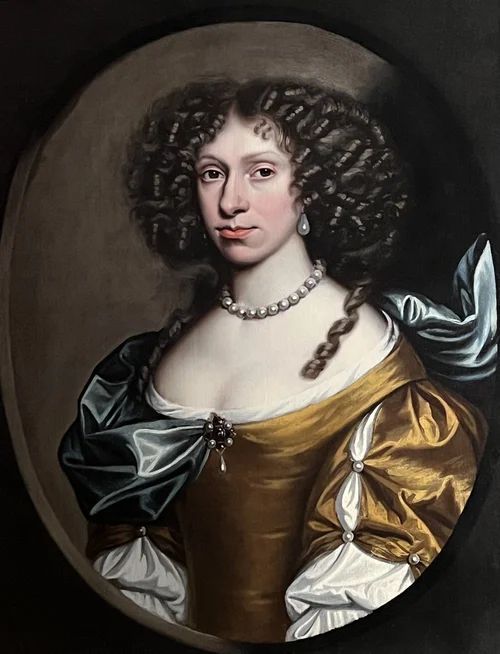
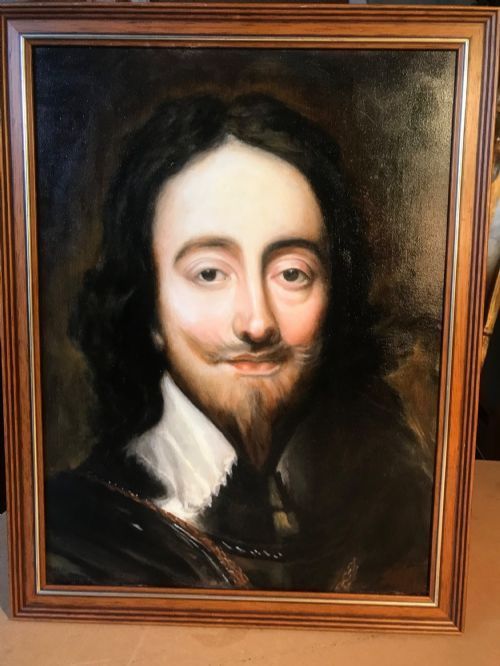
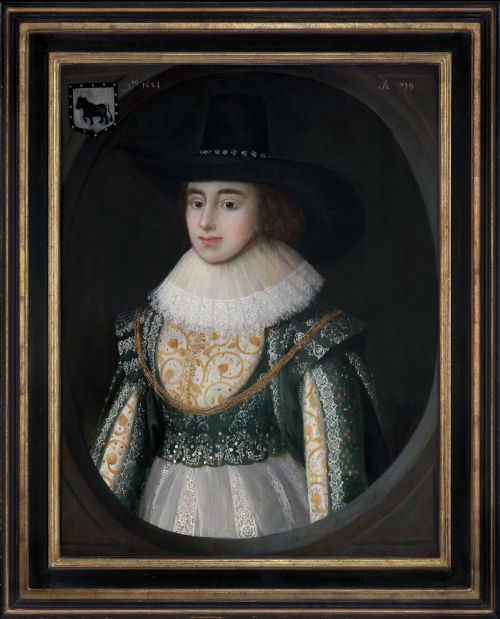
A stuart oil portrait captures the solemn gravity and elaborate costume of the seventeenth century, offering a direct window into the aristocracy and prominent figures of the era.
Stuart Oil Portrait
A stuart oil portrait depicts noblemen, ladies, monarchs, and ministers, often rendered in half-length or bust formats with detailed garments like ruffs, lace, and doublets. The pieces span the seventeenth century primarily, alongside later reproductions and interpretations from the nineteenth and twentieth centuries.
Most examples encountered here originate from the 17th century, representing schools of British, English, and Anglo-Flemish art influenced by continental baroque movements. Subjects range from named historical aristocrats to anonymous sitters documented by regional British schools.
These works function as both historical documents and fine art paintings, utilising traditional canvas or wood panel supports to preserve the likenesses of historical figures.
How They Were Made
Artists painted primarily with oil paint on stretched canvas or prepared wood panels, including oak, utilising the slow-drying medium to build up rich layers of pigment and shadow. Giltwood and gold leaf frequently adorned the heavy frames that housed these works.
Techniques varied between the direct application by individual masters and the collaborative efforts found within busy studio circles, where assistants prepared grounds and underpaintings.
Stuart Oil Portrait Retail Price Guide 2026
Typical asking prices for stuart oil portrait among the pieces listed under this phrase on Sellingantiques today, from the lower quarter to the upper quarter. They describe what is for sale here now, not the wider market.
Several noble sitters share space here with a tiny baby portrait and a puritan minister.
What Varies in Quality
The distinction between a top-tier piece and a lesser work lies in the handling of the sitter's facial expression, the precision of textile rendering, and the anatomical accuracy of hands and drapery. Master hands achieve a lifelike depth in skin tones and eyes, whereas studio copies or provincial school works can appear stiffer and more formulaic.
The integrity of the original canvas or wood panel support and the degree of historical restoration also influence the overall standard of a surviving painting.
Sir Anthony van Dyck·Sir Peter Lely·Sir Godfrey Kneller·Mary Beale·Cornelius Johnson
The Stuart Oil Portrait Glossary
- Baroque
- A style of European architecture, music, and art of the 17th and 18th centuries that followed mannerism and is characterised by ornate detail and dramatic tension. In portraiture, this translates to dynamic lighting and rich drapery.
- Ruff
- A projected pleated collar worn by men and women in the 16th and 17th centuries. It often signifies the earlier Jacobean end of the period.
- Doublet
- A man's close-fitting jacket worn from the 14th to the 17th century. Embroidered versions denote high social status in early Stuart depictions.
- Giltwood
- Wood carved and coated with gold leaf or gold paint. Many period frames utilise this finish to complement the dark tones of the canvas.
Stuart Oil Portrait: Frequently Asked Questions
How do I identify a Stuart oil portrait?
Look for characteristic clothing of the seventeenth century, such as lace collars, ruffs, armour, and elaborate doublets, paired with dark backgrounds and dramatic lighting.
Signatures or inscriptions naming the sitter, date, or artist often appear along the margins or within the canvas composition.
What is the difference between an original and an after piece?
An original painting was executed directly by the named artist or their primary studio during the sitter's lifetime or shortly after.
An "after" piece is a later copy, sometimes painted in the eighteenth or nineteenth century, replicating a well-known masterwork.
Are these portraits painted on canvas or wood?
Both supports are common in this category, with artists utilising stretched canvas as well as sturdy wood panels like oak.
Panel paintings frequently date to the earlier part of the seventeenth century before canvas became the dominant medium.
How should I care for an antique oil painting?
Keep the artwork away from direct sunlight, extreme temperature fluctuations, and high humidity to protect the oil paint and wood or canvas support.
Avoid using liquid cleaners on the surface and consult a professional conservator for cleaning or restoration needs.