

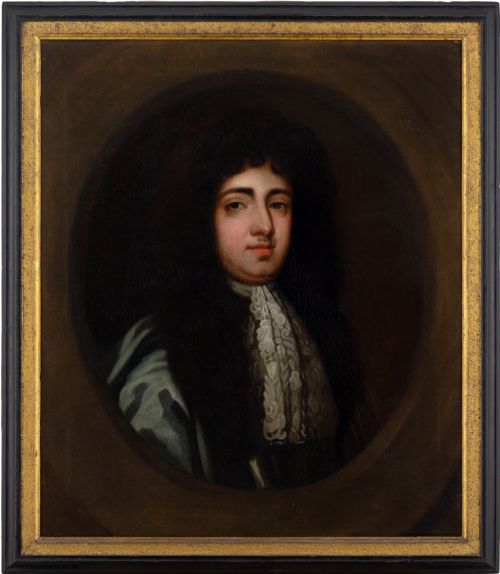
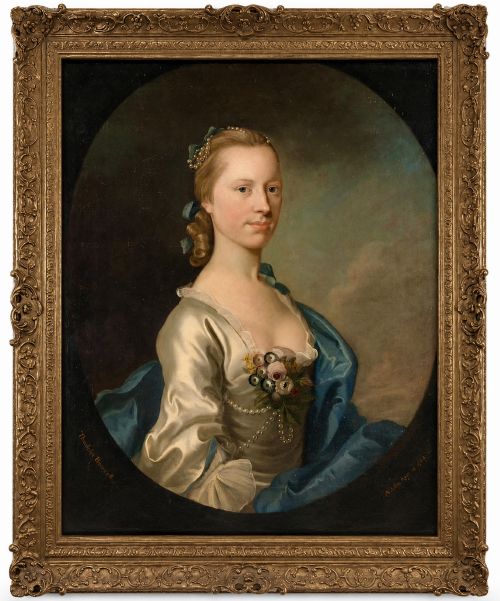


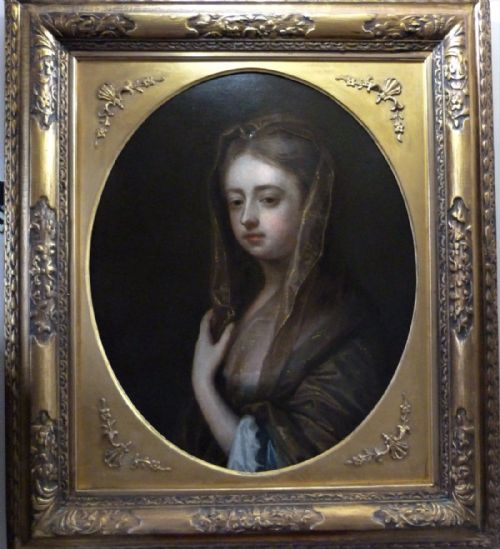
Oval Spandrel Painting
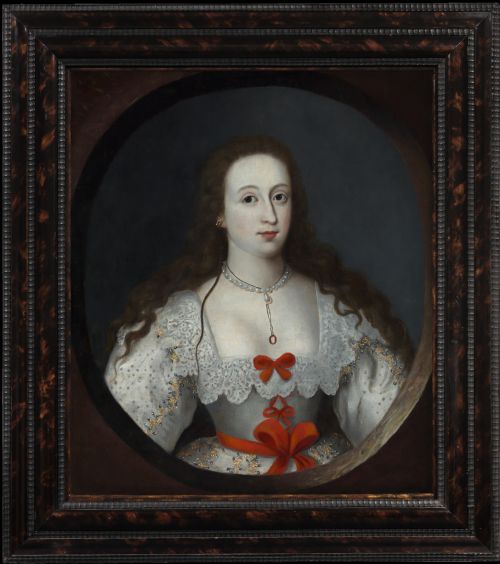
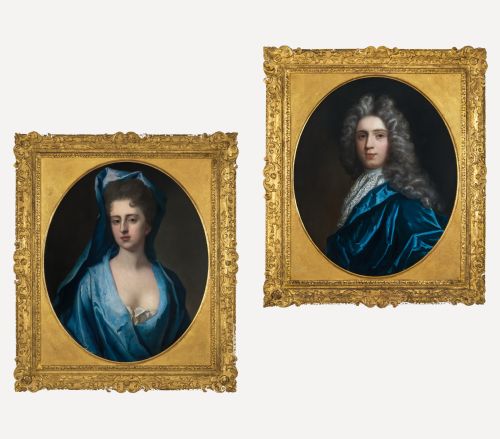
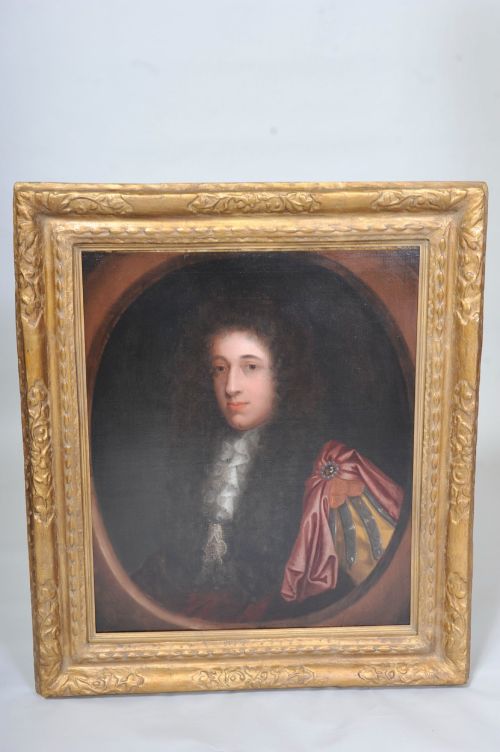
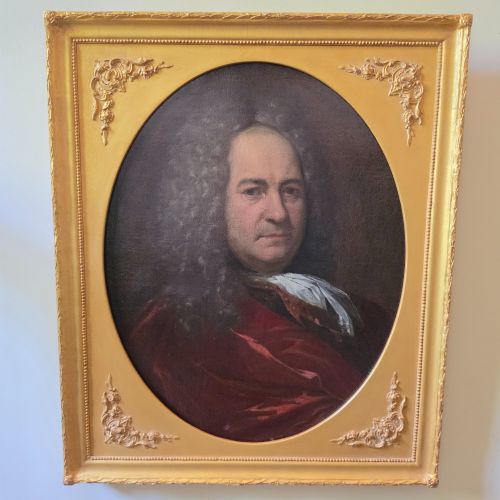
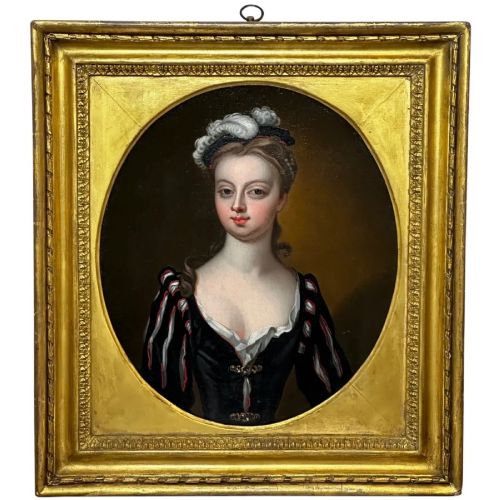
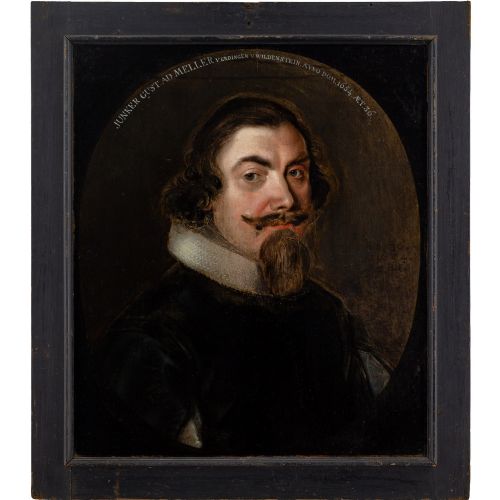
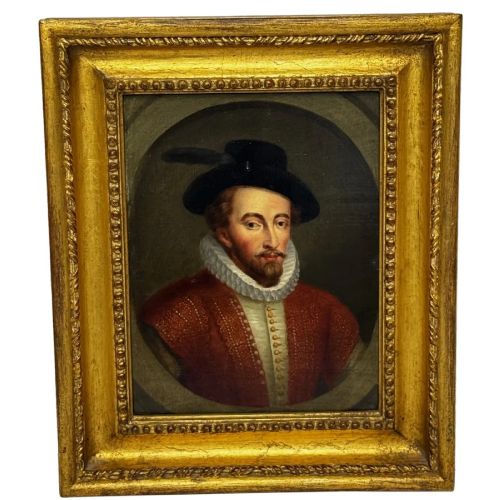
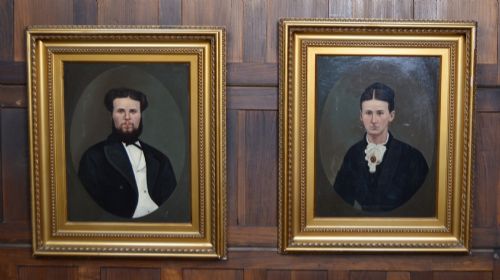
These oval spandrel painting works are framed portraits where the corners of the canvas frame the subject within a curved arch, bringing instant depth to a room.
Oval Spandrel Painting
An oval spandrel painting presents a portrait within a painted or architectural aperture, guiding the eye directly to the sitter's face. These works span the seventeenth century through to the Edwardian period, capturing sitters from British and German schools.
The most common examples on this page are oil paintings on canvas depicting gentlemen, ladies, and historical figures from the seventeenth and eighteenth centuries. They often arrive in period frames that complete the architectural illusion of the spandrel corners.
How they were made
Artists applied oil paint to stretched canvas, building up rich tones for garments and flesh while reserving the spandrel corners for darker or more neutral shadow work. Canvases were secured in wooden stretchers and frequently housed in giltwood and gesso frames finished with gold leaf.
The frames themselves were meticulously carved from wood before receiving layers of gesso and gold leaf to catch the candlelight of period interiors. This combination of oil on canvas and gilded wood creates the characteristic contrast defining these works.
Oval Spandrel Painting Retail Price Guide 2026
Typical asking prices for oval spandrel painting among the pieces listed under this phrase on Sellingantiques today, from the lower quarter to the upper quarter. They describe what is for sale here now, not the wider market.
Listings feature oil on canvas works set in giltwood and gesso frames spanning the seventeenth century to the Edwardian era.
What varies in quality
The integrity and originality of the frame heavily influence the piece, particularly where original giltwood and gesso surfaces remain intact. The depth of provenance, such as attribution to known circles or specific sitters, elevates the historical significance of the work.
Michael Dahl·Thomas Murray·John Vanderbank·Allan Ramsay·Sir Godfrey Kneller·Thomas Hudson
The Oval Spandrel Painting Glossary
- Spandrel
- The triangular space between the curved edge of an arch and the rectangular frame enclosing it. In portraiture, this device creates the illusion that the subject is viewed through a stone or wooden window.
- Giltwood
- Wood that has been coated with thin gold leaf or powder. It provides the reflective, ornate border typical of period frames.
- Gesso
- A plaster mixture applied to wood frames as a base before gilding. It allows craftsmen to carve crisp decorative details.
- Circle of
- A designation used when a painting is closely associated with a master's studio or distinct follower. It indicates the work was produced in the style and period of that artist.
- Oil on canvas
- Pigments bound with an oil medium applied to a woven fabric support. This technique allowed artists to achieve rich colour depths and subtle blending.
Oval Spandrel Painting: Frequently Asked Questions
What is an oval spandrel painting?
An oval spandrel painting is a portrait where the subject is framed by an oval aperture, with painted triangular corners that create a sense of depth.
These pieces use traditional oil on canvas techniques and date primarily from the seventeenth and eighteenth centuries.
How were these portraits displayed originally?
Such portraits hung in the panelled reception rooms and galleries of country houses and town residences. Their architectural framing was designed to complement interior wood panelling.
Today, they function as striking focal points in both period and modern domestic interiors.
How do I date an oval spandrel painting?
Dating relies on the style of dress, hair, and framing techniques visible in the artwork. Seventeenth-century works often feature distinct lace collars and heavy drapery.
Later eighteenth-century examples display softer attire and lighter pastel colour palettes in keeping with the changing fashions of the era.
Are the frames usually original to the painting?
Many portraits retain their period giltwood and gesso frames, which were constructed specifically to house the curved canvas shape. Original frames show age-appropriate wear on the gold leaf surface.
These frames are integral to the aesthetic and historical completeness of the artwork.