


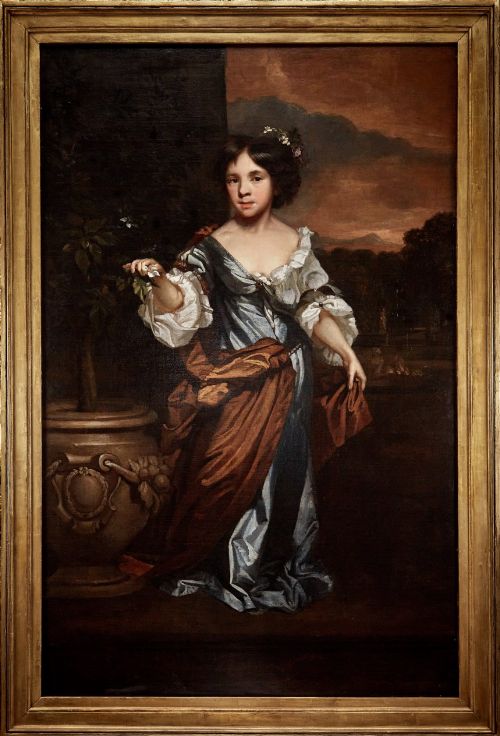


Stuart Era Painting
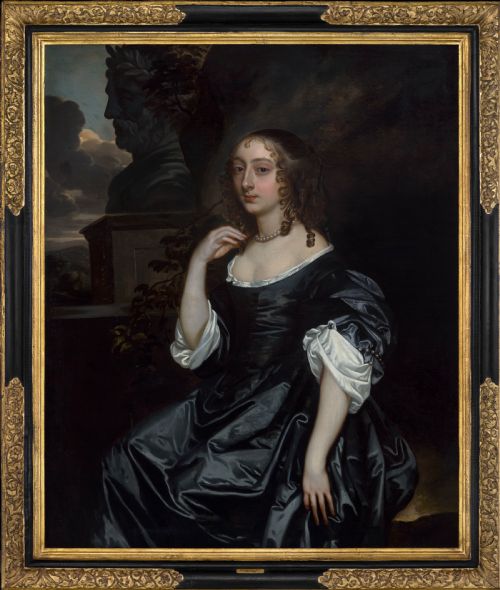
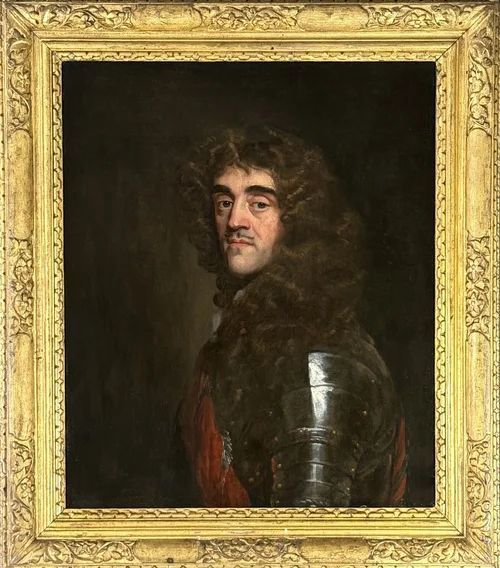
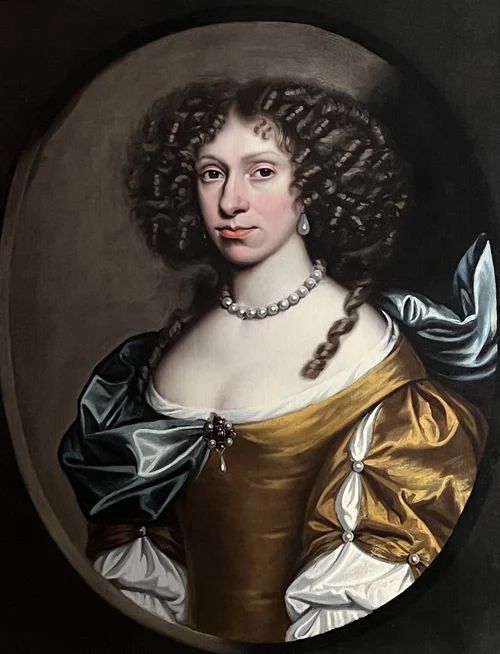
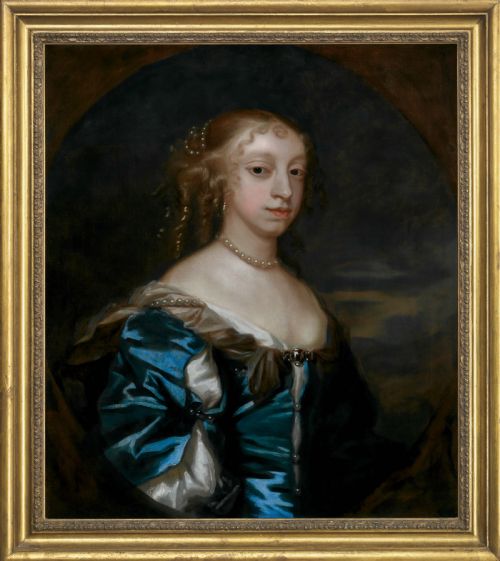
A stuart era painting captures the solemn elegance and commanding presence of nobility, clergy, and gentry through masterly portraiture.
Stuart Era Painting
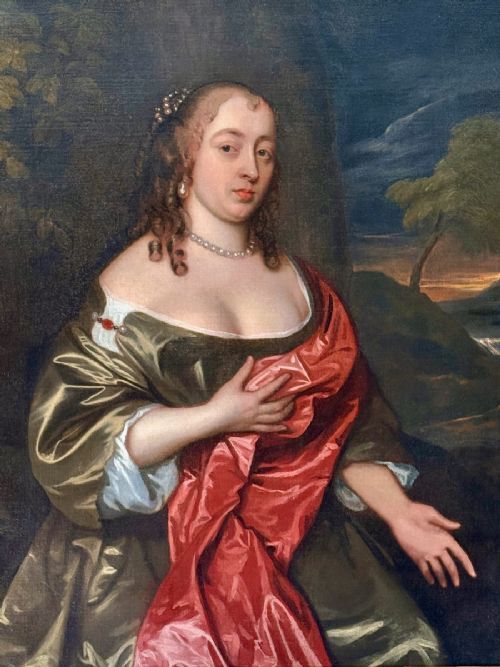
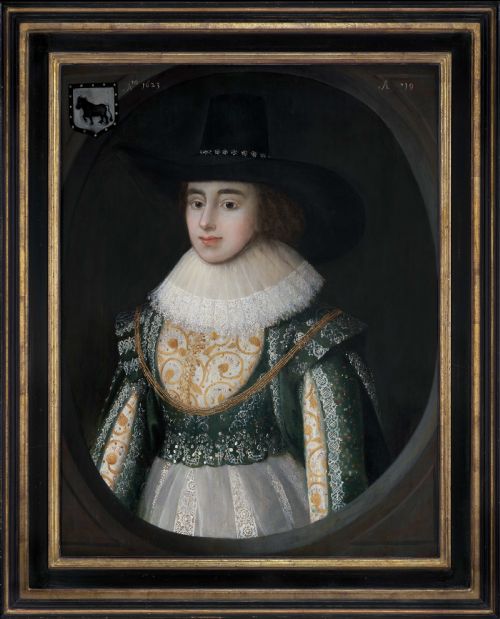
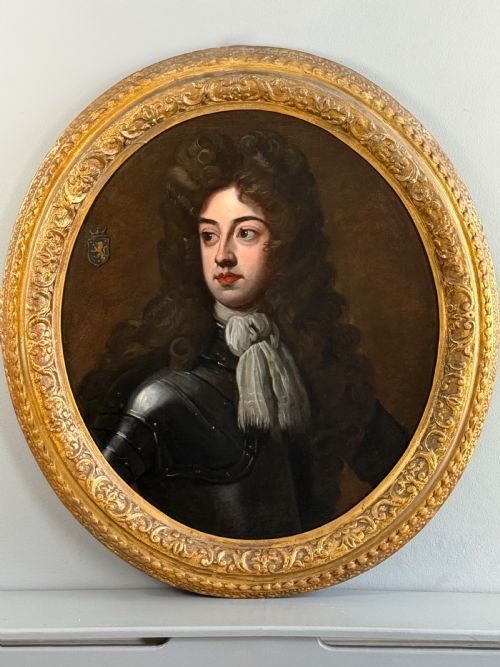
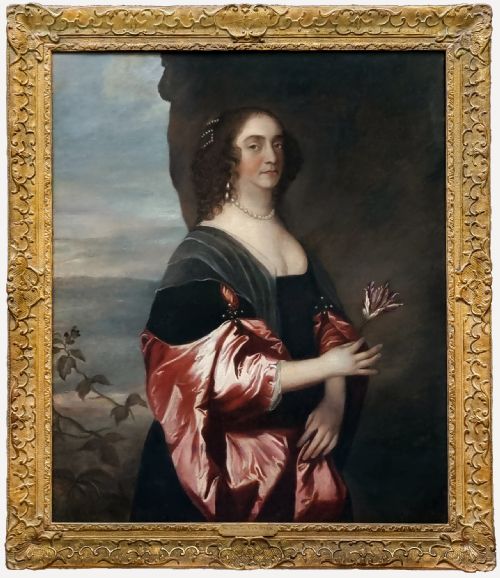
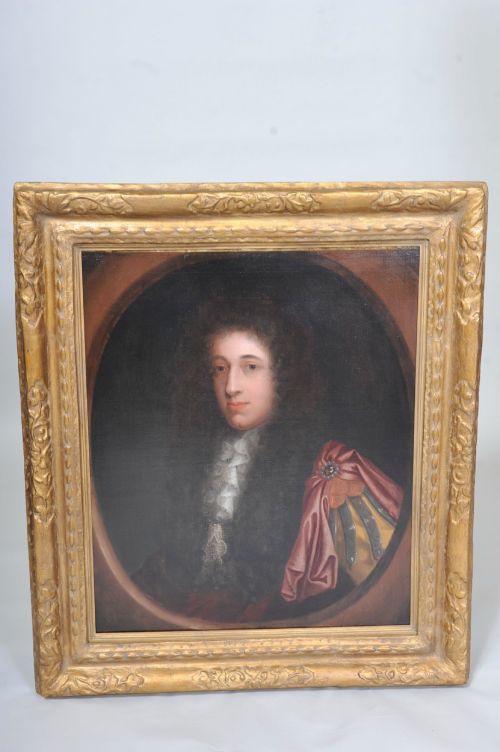
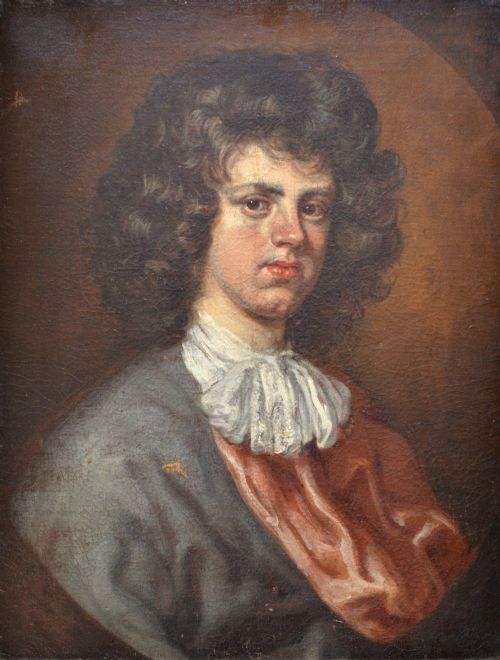
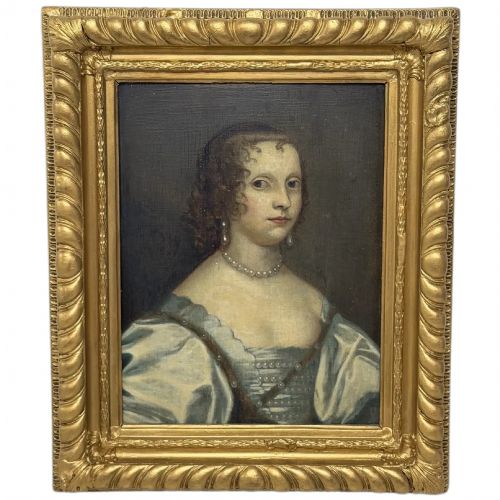
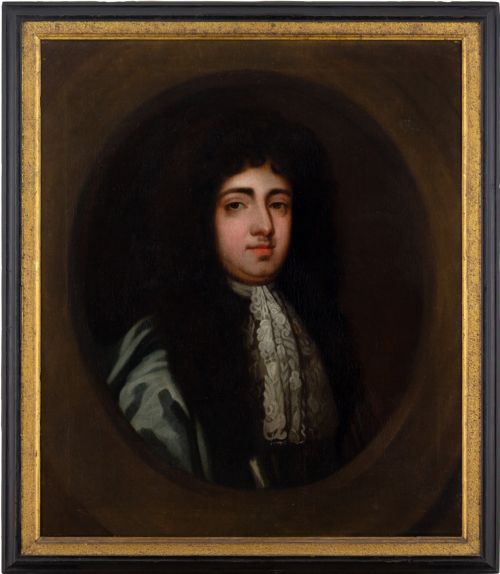
A stuart era painting typically takes the form of an oil portrait depicting notable figures from the seventeenth century, ranging from aristocracy to clergymen. These works reflect the socio-political shifts of the period, spanning Jacobean stiffness to the more fluid Baroque styling of the Restoration.
Buyers frequently encounter pieces originating from English and Scottish schools, often attributed to prominent workshops or circles of court painters. The subjects are rendered with distinct markers of identity, including elaborate dress, lace collars, armour, or heraldic inscriptions.
Materials and Construction
These historical paintings rely primarily on oil on canvas or oil on wood panel, utilising wooden supports such as oak for earlier panels. Artisans applied rich layers of oil paint to build depth in garments, flesh tones, and dark backgrounds.
Many surviving pieces retain their period frames constructed from giltwood or carved wood, incorporating gold leaf to accent the moulding and complement the dark palettes typical of seventeenth-century canvases.
Stuart Era Painting Retail Price Guide 2026
Typical asking prices for stuart era painting among the pieces listed under this phrase on Sellingantiques today, from the lower quarter to the upper quarter. They describe what is for sale here now, not the wider market.
English, Scottish, and continental Baroque influences are represented through various portrait styles.
Evaluating the Canvas
Quality rests heavily on the execution of the sitter's hands, face, and textile details, separating workshop output from the confident brushwork of master hands. The psychological depth of the subject and the anatomical accuracy reveal the skill level of the painter.
Condition also dictates standing, particularly the stability of the canvas or oak panel, the degree of historical overpaint, and the preservation of original glazes that give fabrics their luminous quality.
Sir Peter Lely·Sir Godfrey Kneller·Mary Beale·John Michael Wright·Cornelius Johnson
The Stuart Era Painting Glossary
- Baroque
- A flamboyant artistic style of the seventeenth century characterised by dynamic movement, rich colour, and dramatic contrast between light and shadow. It replaced stiffer Mannerist conventions with more naturalistic poses.
- Giltwood
- Wood carved and subsequently treated with gold leaf or gilding powder. It formed the decorative border for many fine portraits of the era.
- Oil on Panel
- A painting technique utilising a prepared wooden board, frequently oak in British works, as the rigid support for oil pigments rather than woven fabric.
- Doublet
- A snug-fitting men's jacket worn during the Renaissance and seventeenth century. It often featured elaborate embroidery or padding as seen in early stuart portraiture.
- Ruff
- A prominent, heavily starched pleated collar worn around the neck by nobility and gentry during the late sixteenth and early seventeenth centuries.
Stuart Era Painting: Frequently Asked Questions
What subjects appear most often?
Subjects are overwhelmingly portrait sitters, including noblemen, ladies, bishops, and military commanders of the seventeenth century. They frequently display symbols of office, noble titles, or specific garments denoting their rank.
Commissioned to project status and lineage, these individuals range from royalty to prominent regional figures.
How do you date a portrait?
Dating relies heavily on the evolution of fashion, such as the transition from stiff ruffs and doublets to flowing periwigs and satin drapery. Painted inscriptions, dates, or artist signatures occasionally provide direct confirmation.
Stylistic comparisons with documented works by known painters or studio followers also narrow down the execution window.
Are panels older than canvases?
Oak panels generally appear more frequently in the earlier decades of the seventeenth century, while canvas gained broader dominance as the primary support medium over time. Panel works require specific environmental controls to prevent warping of the wood.
Both supports continued in overlapping use depending on regional preference and workshop tradition.
How should these be displayed?
These paintings require stable interior environments away from direct sunlight and dramatic fluctuations in humidity or temperature. Proper wall placement protects the ageing oil paint and wooden or canvas supports from environmental stress.
Displaying them in traditional giltwood frames enhances their historical context within a domestic interior.