

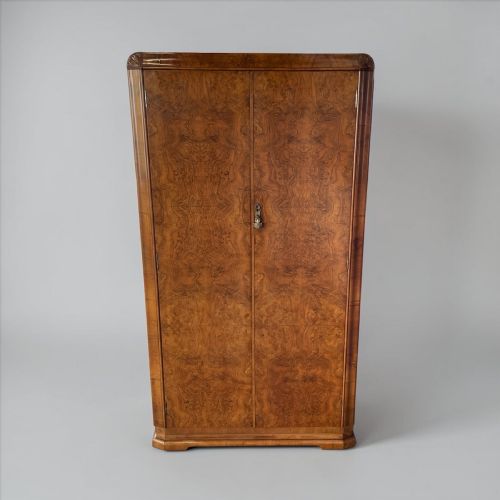
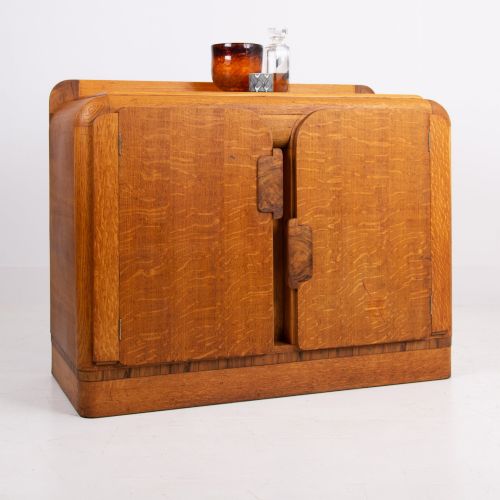
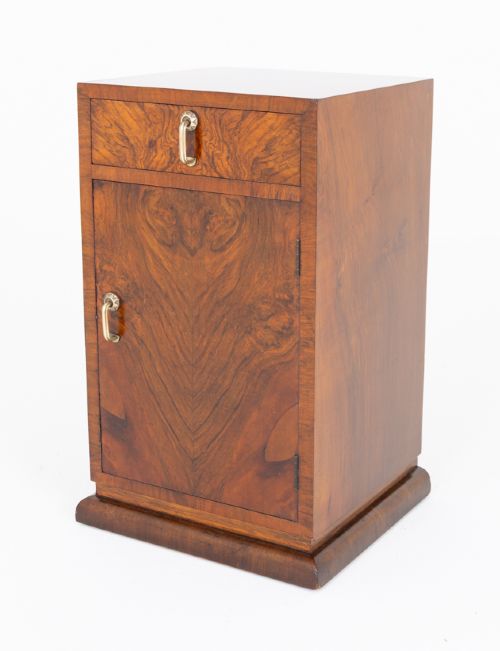
Streamline Deco Cabinet
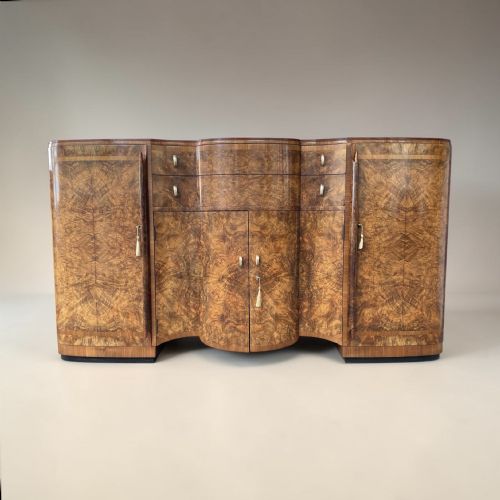
A streamline deco cabinet brings the sweeping curves and polished surfaces of early twentieth-century design directly into a modern room.
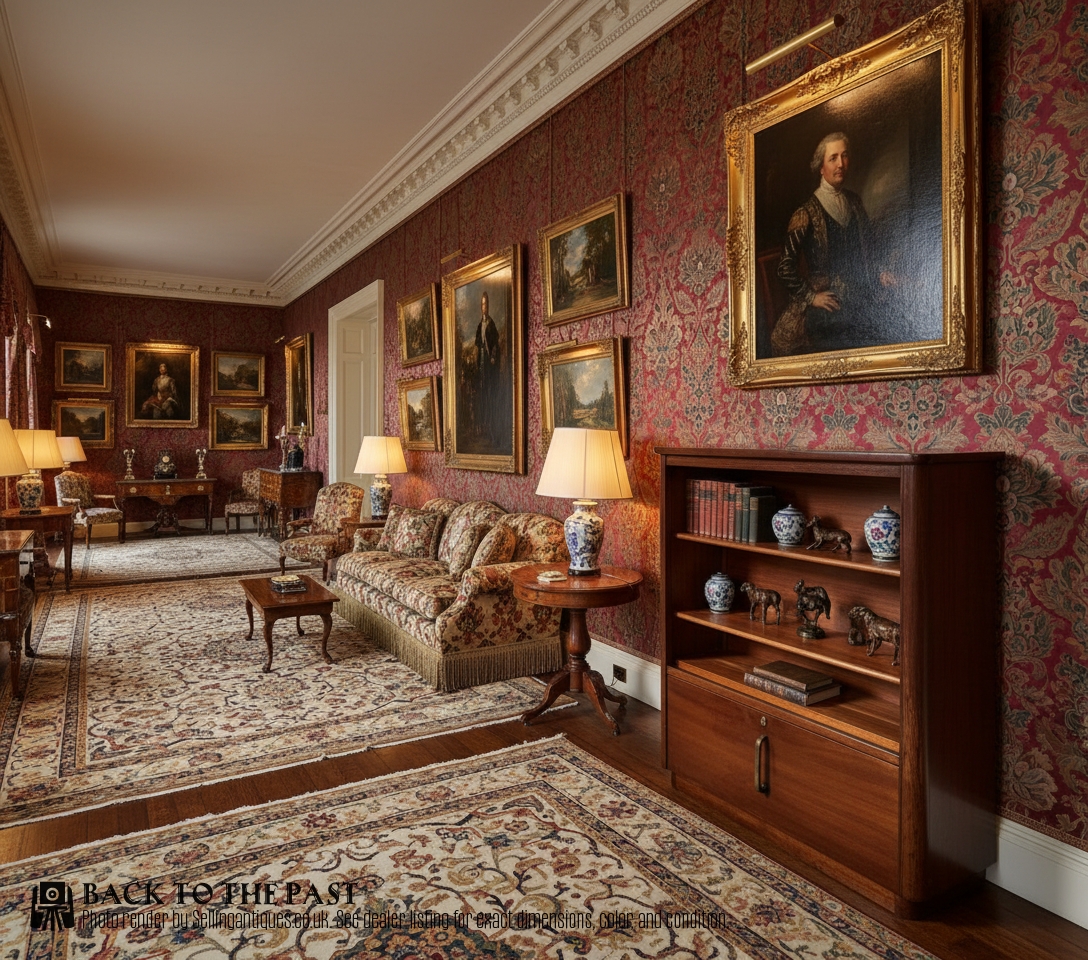
Streamline Deco Cabinet
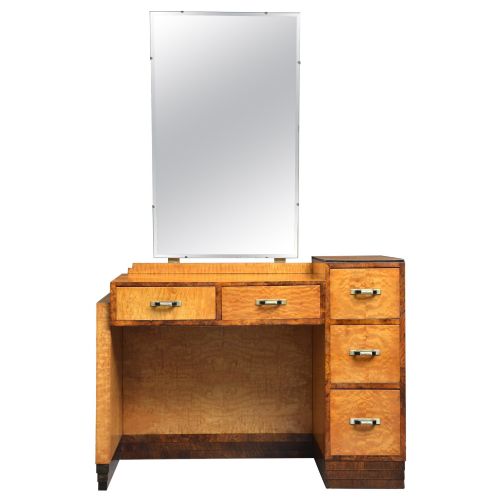
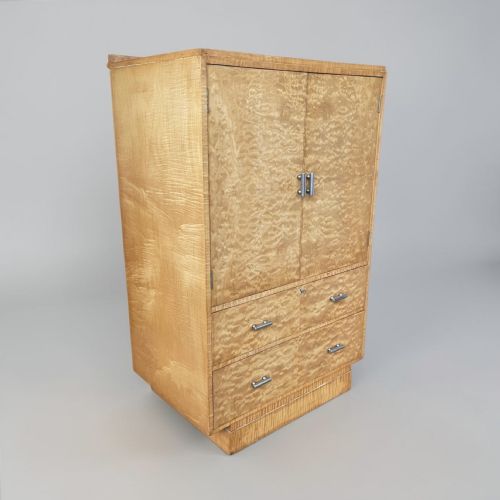
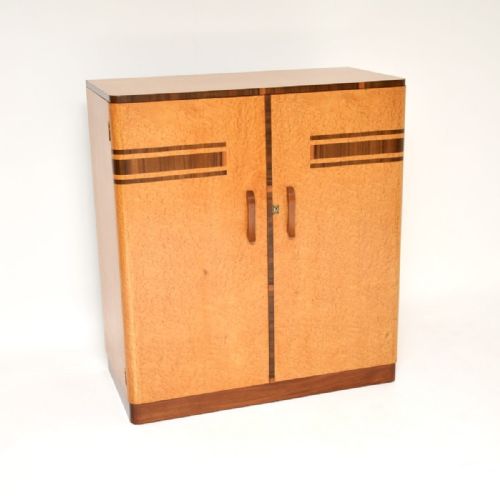
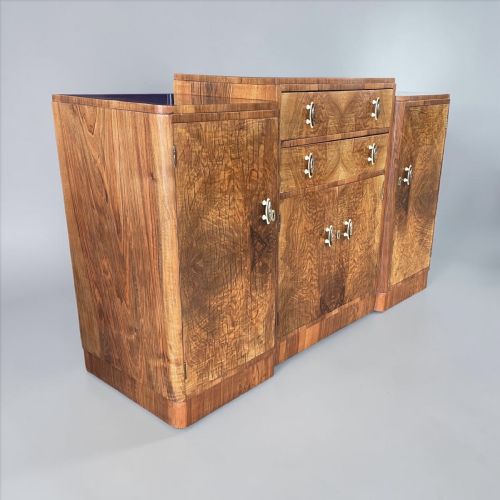
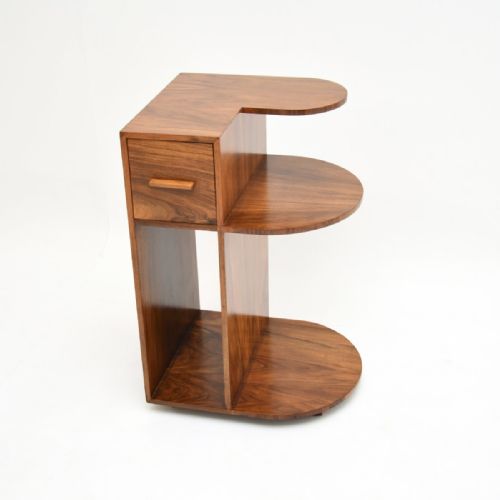
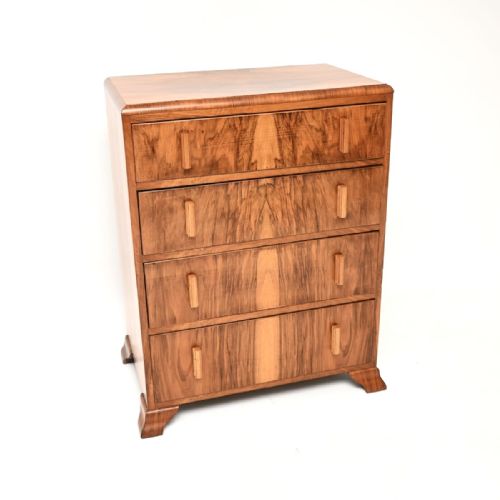
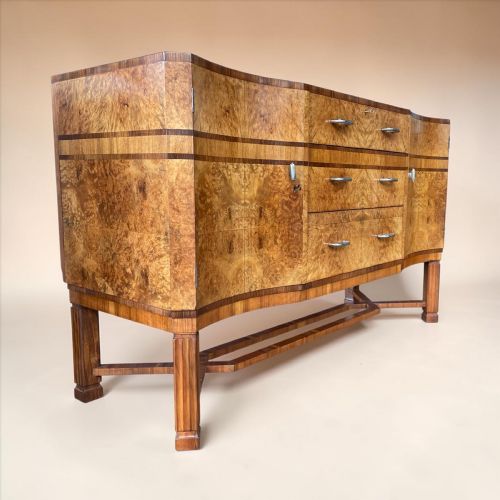
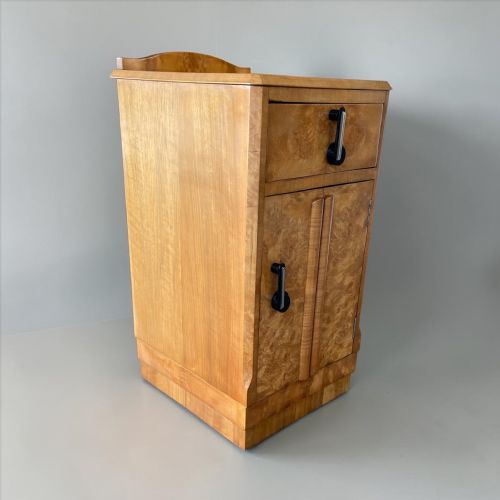
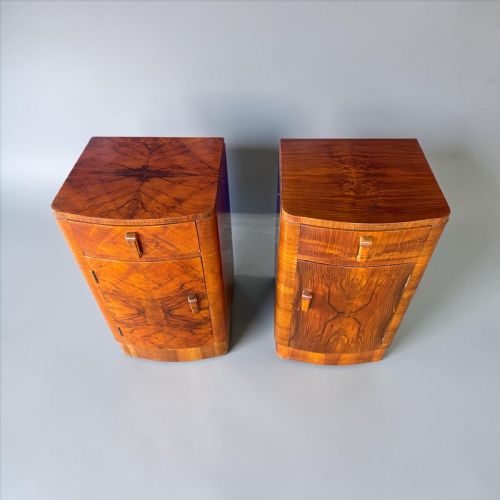
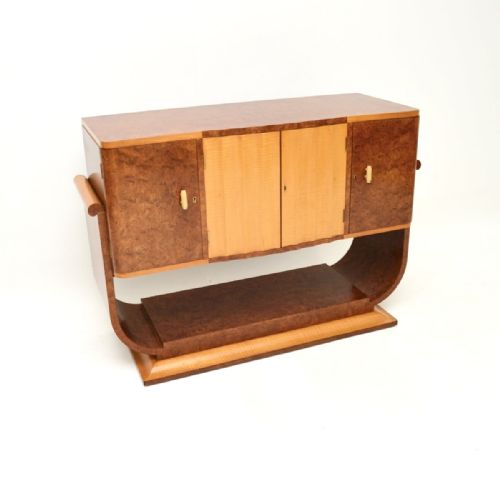
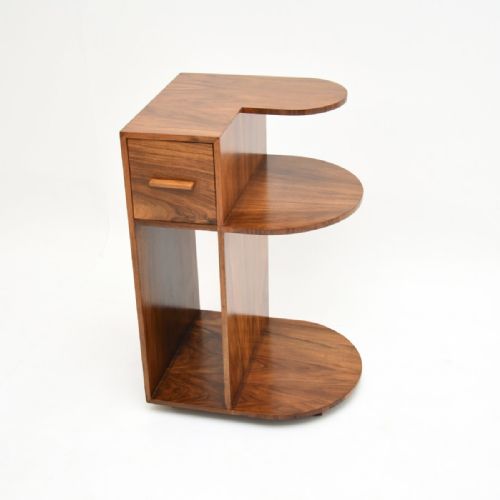
When searching for a streamline deco cabinet, buyers encounter pieces primarily originating from the nineteen-thirties, alongside a smaller selection spanning the nineteen-twenties and nineteen-forties. These storage items take various forms, including bedside cabinets, sideboards, tallboys, and cocktail cabinets.
The aesthetic leans heavily into Art Deco and Art Deco Modernist movements. The forms prioritise horizontal lines, rounded corners, and functional storage tailored to twentieth-century domestic spaces.
Materials and construction methods
Makers relied on solid woods overlaid with decorative veneers, using walnut, burr walnut, bird's eye maple, and satinwood to create striking grain patterns across flat surfaces and curved doors.
Details in metal, brass, bakelite, glass, and parchment frequently complement the timber framework, providing contrast and structural accents typical of the period.
Some cabinets feature hidden compartments lined in parchment, proving that streamline designers loved a secret pocket as much as anyone.
Distinguishing quality in period pieces
Superior examples demonstrate careful selection and matching of wood veneers, where grain patterns mirror symmetrically across drawer fronts and cabinet doors. Lesser pieces rely on uniform or plain timber surfaces without considered figure placement.
The integration of secondary materials such as sycamore stringing, brass hardware, and specialised finishes like parchment-covered drawers separates standard production items from workshop pieces bearing attribution to notable makers.
Maurice Adams·Harry and Lou Epstein·Gomme·Hille·F.H. Marshall and Co Glasgow·Bath Cabinet Makers
The Streamline Deco Cabinet Glossary
- Art Deco
- A design style emerging in the interwar period characterised by sleek geometric shapes, streamlined forms, and modern industrial materials. It influenced architecture, furniture, and decorative arts globally.
- Burr Walnut
- A timber harvested from the warted growth on a walnut tree, yielding complex, swirling grain patterns highly valued for veneering luxury furniture. Cabinet makers used it to create striking visual effects on flat panels.
- Compactum
- A large fitted wardrobe designed to maximise internal storage through specialised compartments, hanging space, and internal drawers. It combines several storage functions into a single unit.
- Tallboy
- A tall chest of drawers standing higher than a standard dressing chest, often combining drawer storage with a cupboard section at the top. This form maximises vertical storage capacity in smaller bedrooms.
- Veneer
- A thin layer of superior wood applied over a base of cheaper secondary timber to provide a decorative exterior surface. This technique allows cabinet makers to display expensive grain patterns efficiently.
Streamline Deco Cabinet: Frequently Asked Questions
How do I date a cabinet?
Dating relies on recorded production eras, construction methods, and stylistic shifts between the twenties and forties. Pieces from this search cluster primarily around the nineteen-thirties.
Examining internal timber choices, drawer linings, and hardware styles helps confirm the manufacturing decade against documented workshop periods.
Where were these cabinets placed?
These storage units served specific domestic roles in bedrooms, dining rooms, and reception spaces. Sideboards and cocktail cabinets equipped entertaining areas.
Bedside tables and compactum wardrobes organised sleeping quarters, matching the fitted interior design schemes popular during the interwar period.
How should I clean the wood?
Maintenance requires gentle dusting with a soft cloth and occasional application of appropriate furniture wax to nourish the timber veneer. Avoid harsh chemical cleaners that strip historical finishes.
Keeping pieces away from direct sunlight and excessive moisture protects delicate veneers and prevents warping in walnut and maple surfaces.
What defines the modernist style?
Modernist pieces strip away excessive ornamentation in favour of clean lines, functional utility, and unadorned geometric forms. They emphasise structural honesty over applied decoration.
This approach results in streamlined silhouettes that anticipated post-war furniture design while retaining the craftsmanship of earlier cabinet makers.