

Storage Side Table
Storage side table designs span centuries of clever cabinetry, offering compact surfaces combined with concealed compartments for daily essentials.
Storage Side Table
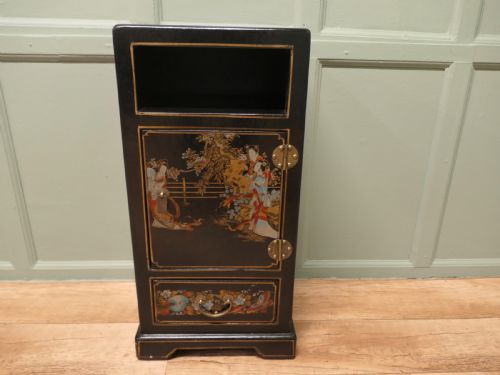
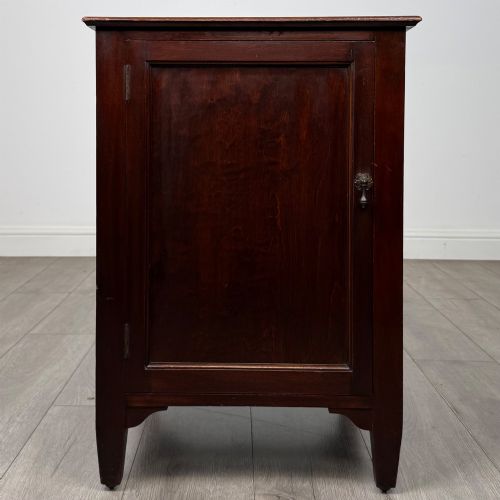
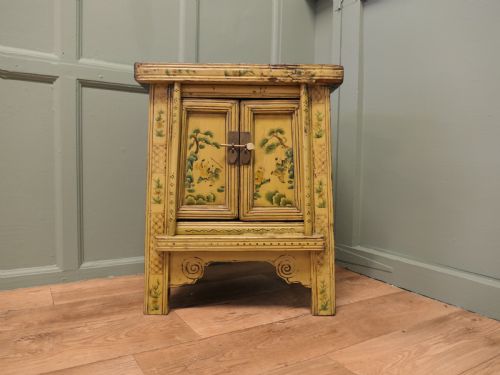
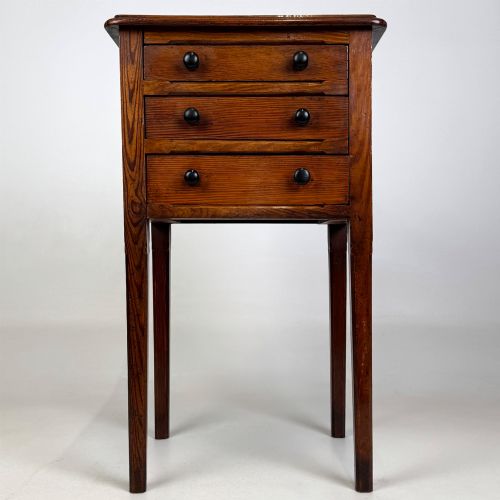
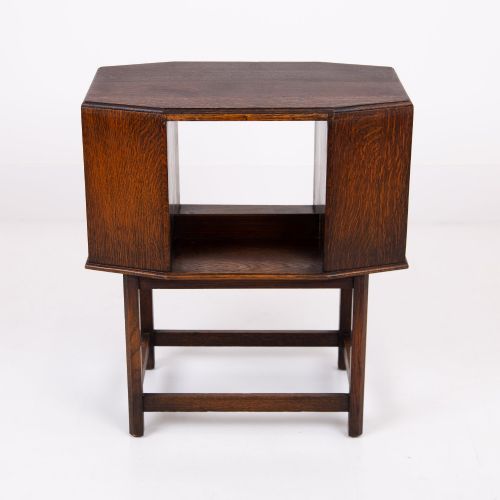
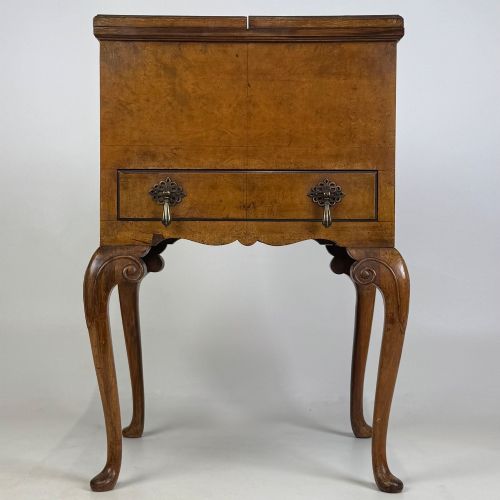
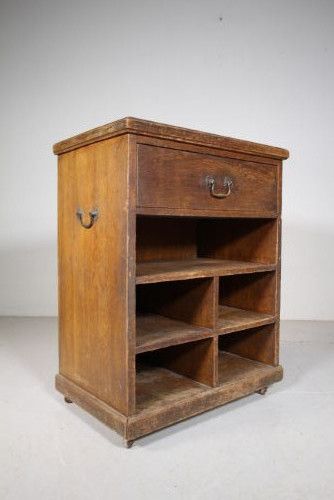
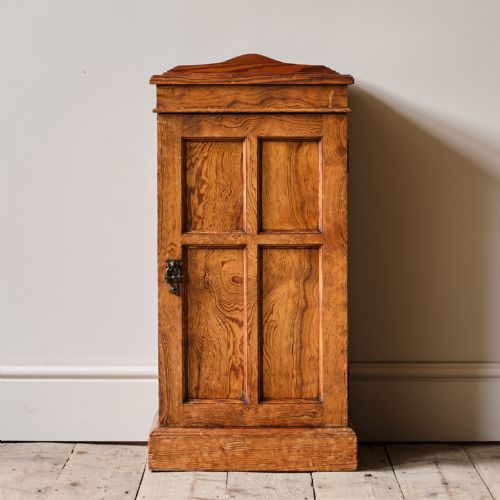
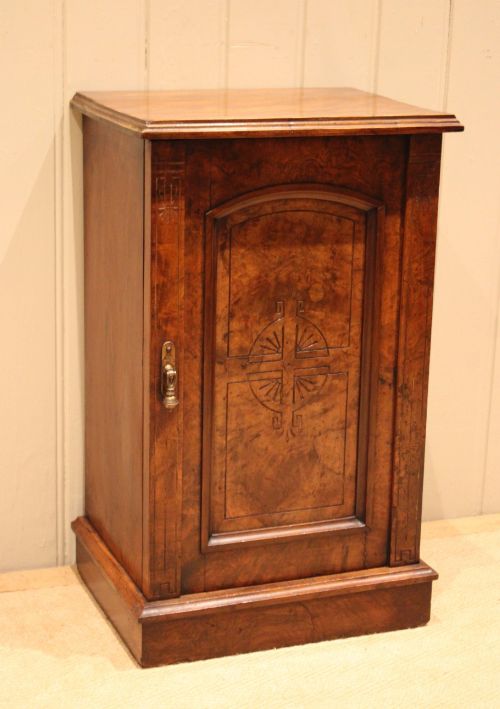
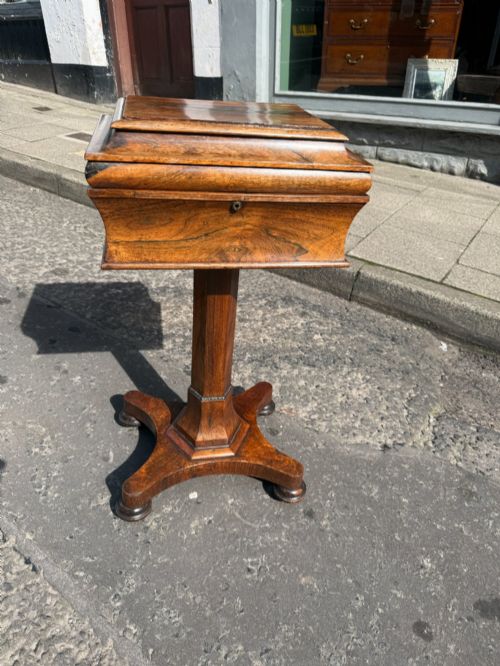
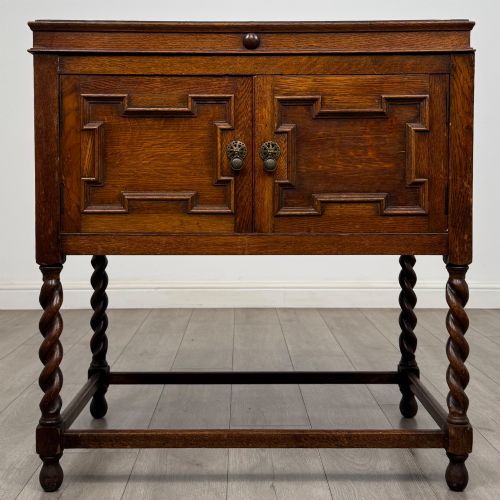
A storage side table combines a compact surface with enclosed space, appearing in forms such as bedside cabinets, side cabinets, occasional tables, and music cabinets. The selections span periods from the 17th century through the Victorian era and into the 1930s Art Deco movement.
The most common versions met on this page include Victorian and Edwardian examples alongside 1930s modernist designs in oak and walnut. These pieces originated as functional furniture for bedrooms, drawing rooms, and halls, designed to hold books, tea wares, or small personal items out of sight.
Materials and construction
Makers utilised solid timbers and veneers, predominantly oak, mahogany, walnut, and burr walnut, alongside brass handles and iron fittings. Cabinets and tables were constructed using traditional joinery methods to support daily use while displaying natural wood grain.
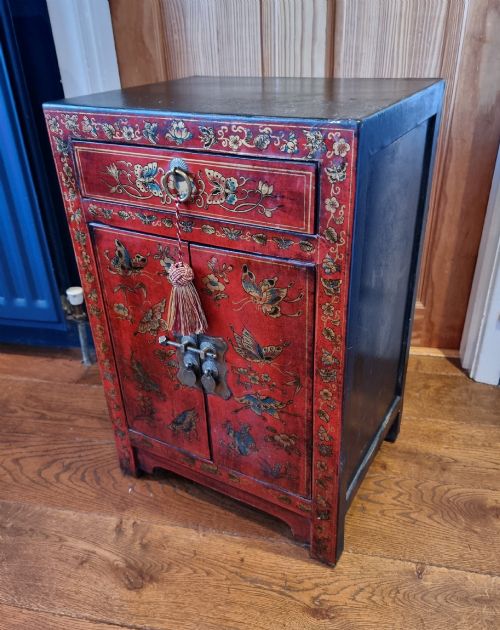
Surface decoration varied from linenfold carving and inlaid details to painted Chinoiserie finishes and marble tops. These techniques required skilled craftsmanship to apply decorative elements onto structural frames.
The listings on this site feature timbers including oak, mahogany, walnut, burr walnut, rosewood, teak, and pine.
Distinctions in craftsmanship
Quality separates through the selection of timber figures, such as burr walnut or figured mahogany, and the precision of the joinery. Superior examples display thoughtful proportions, balanced grain matching, and well-executed decorative carvings or inlays.
The integration of storage compartments, from fold-over tops to concealed drawers and fitted interiors, demonstrates the builder's skill. Finer pieces maintain original hardware, stable construction, and clean interior surfaces.
Gomme·Heals·Harry and Lou Epstein·Walker and Hall
The Storage Side Table Glossary
- Teapoy
- A small stand or table designed to hold tea canisters, often featuring internal compartments. These pieces originated in the Regency period for storing precious tea leaves.
- Chinoiserie
- European decorative art imitating Chinese styles, typically featuring painted motifs on lacquered backgrounds. This technique appears on cabinets from the 19th and 20th centuries.
- Canterbury
- A low stand with partitioned sections designed to hold sheet music, newspapers, or magazines. Regency examples often incorporate small drawers beneath the main compartments.
- Demilune
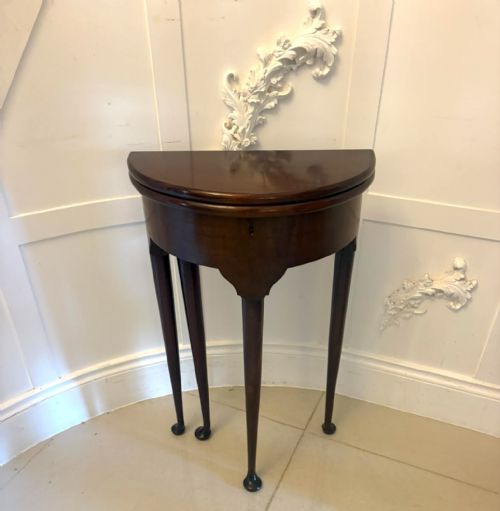
- A half-moon shape used for tables and chests designed to sit flat against a wall. These surfaces frequently incorporate marble tops and subsidiary storage.
- Linenfold
- A style of carved wooden panelling resembling folded linen cloth. This technique is commonly found on oak cupboards from revivalist and earlier periods.
Storage Side Table: Frequently Asked Questions
What is a storage side table?
A storage side table is a compact furniture piece that provides a flat surface top alongside enclosed storage such as cupboards, drawers, or open shelving.
These items range from Victorian bedside cabinets to 1930s Art Deco book tables, designed to fit beside seating or beds.
How were these tables used historically?
Historically, these tables sat beside beds, chairs, or in hallways to keep personal belongings, reading material, or tea equipment neatly concealed.
Their enclosed compartments offered practical organisation for daily essentials before modern fitted storage became standard.
How do I style a storage side table?
Place a lamp or decorative object on the surface while utilising the internal cupboard or drawers for everyday clutter.
They adapt easily to modern rooms, serving as bedside tables, hallway drop-zones, or living room lamp tables.
How do I identify a 1930s piece?
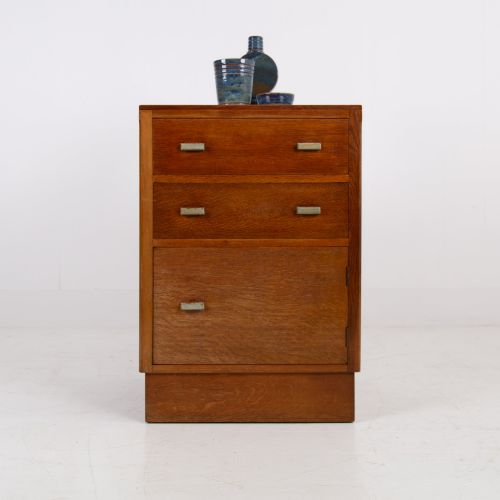
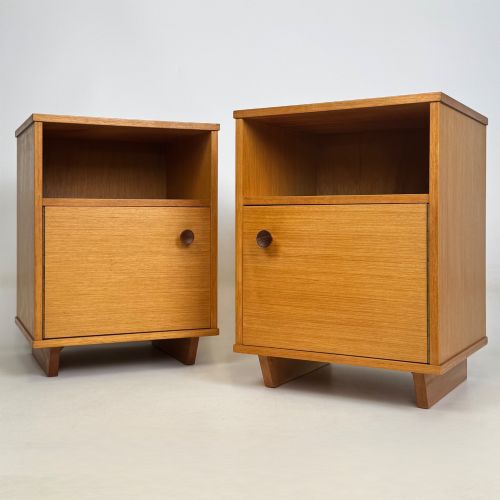
Nineteen-thirties pieces often showcase streamlined Art Deco modernist forms using figured walnut or oak without excessive ornamentation.
Clean geometric lines and functional drawer configurations distinguish these mid-century designs from earlier Victorian and Edwardian styles.