


Storage Bench with Back
A storage bench with back offers a solid seat and hidden compartment, combining practicality with centuries of craftsmanship.
Storage Bench with Back
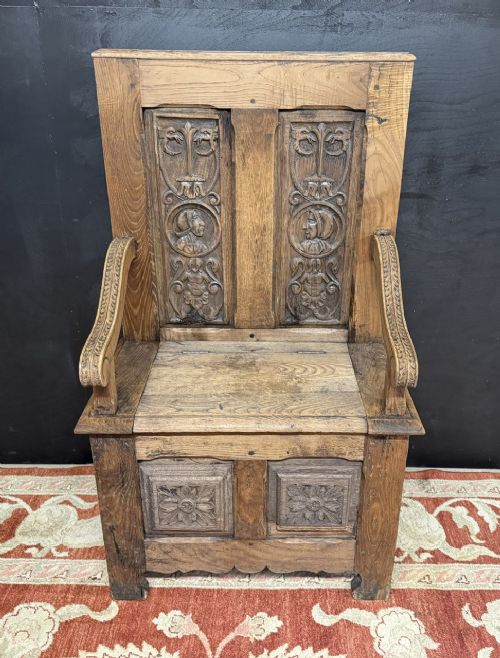
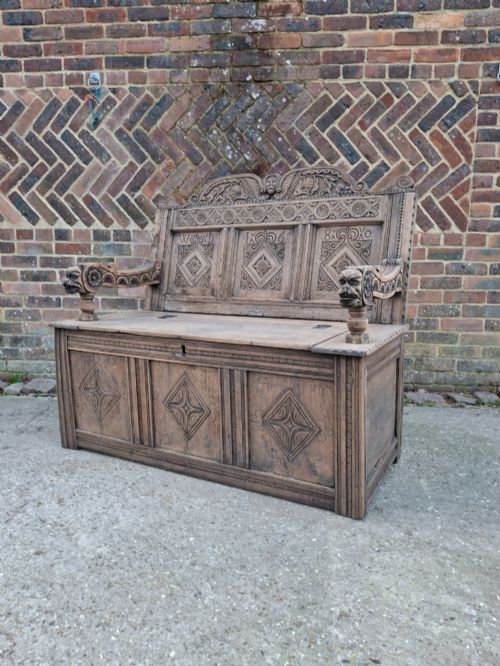
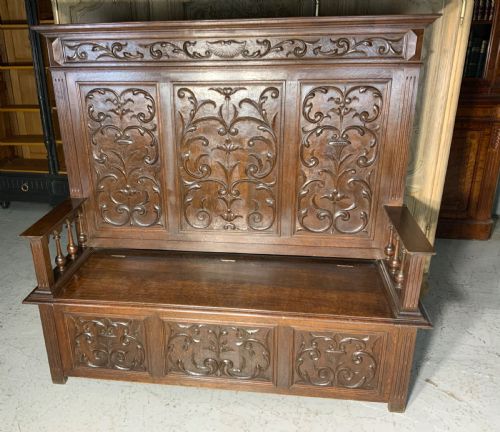
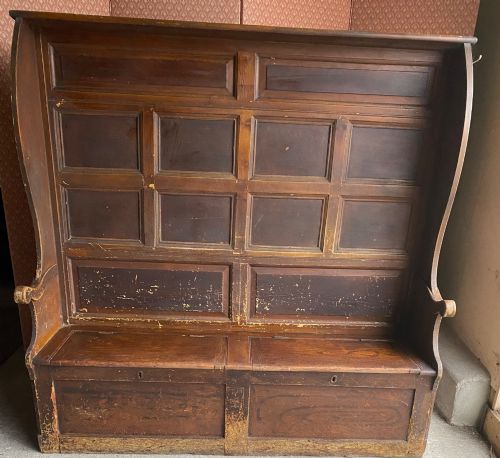
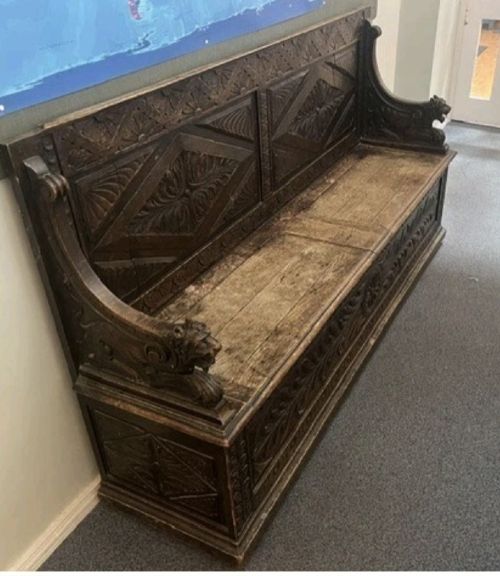
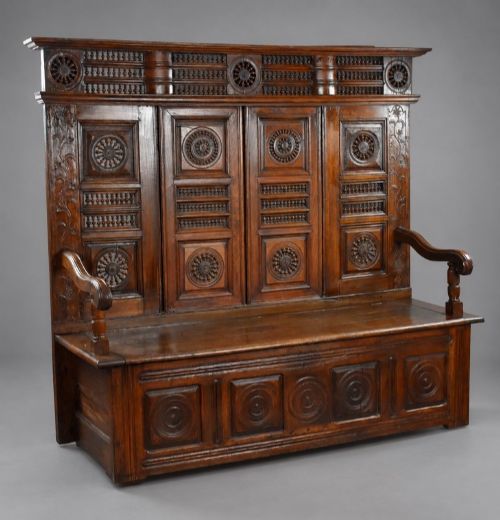
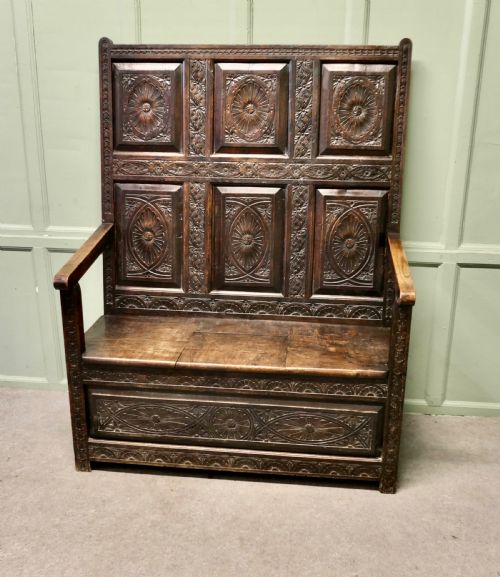
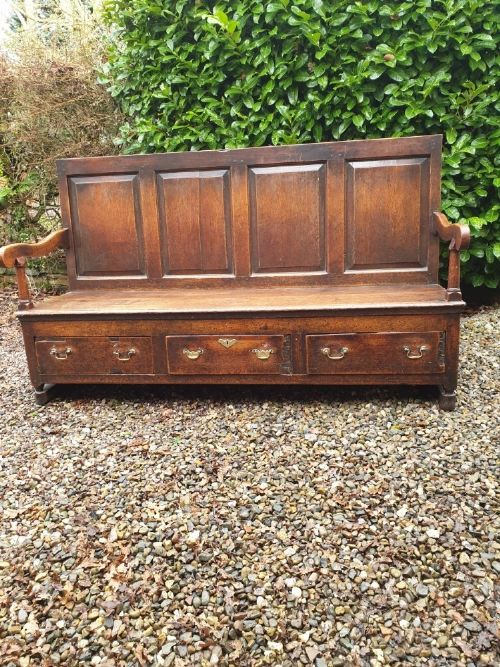
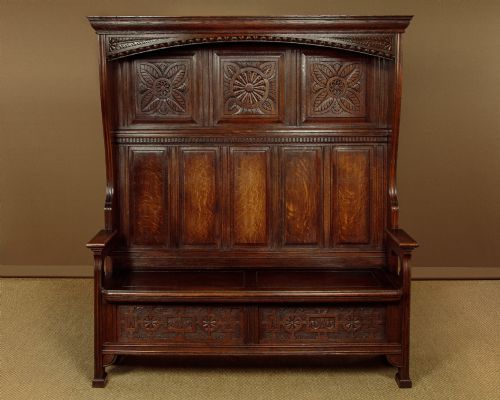
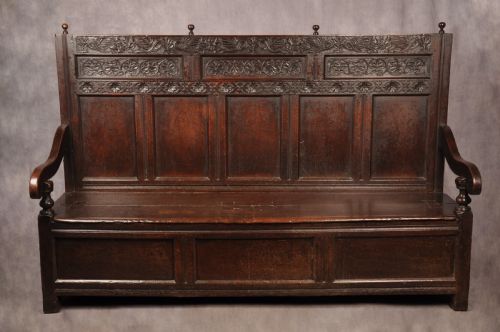
When searching for a storage bench with back, you encounter traditional seating forms designed to maximise utility in hallways and principal rooms. The selection on this page relies heavily on regional variants such as Welsh settles, Hungarian box settles, and Flemish oak seating.
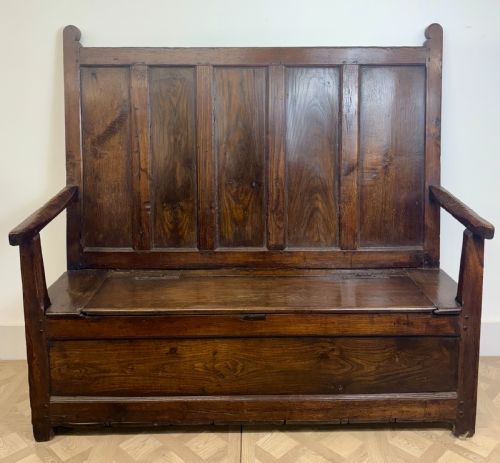
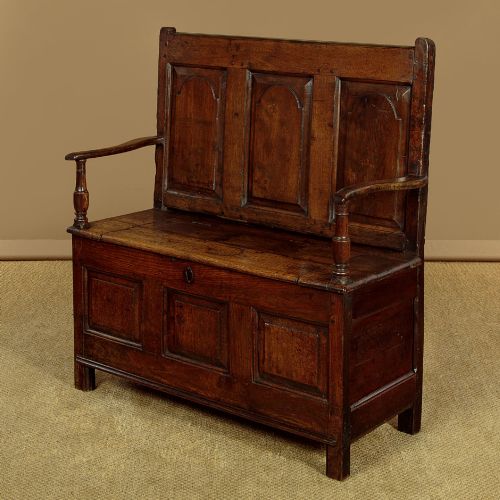
These pieces primarily manifest as settles or hall benches featuring high wooden backs to block draughts alongside hinged seats concealing storage boxes below. You are most likely to meet solid pine or oak examples spanning the Georgian, Victorian, and Edwardian periods.
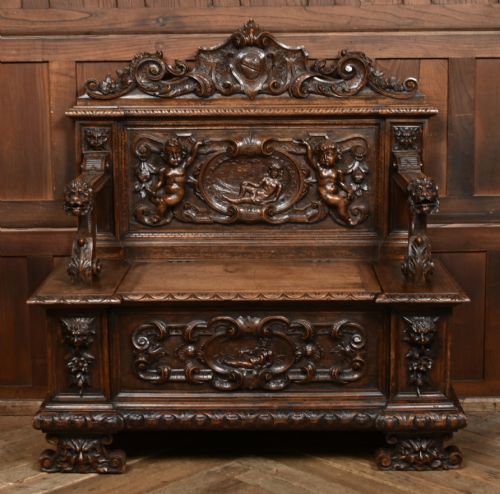
Makers adapted these forms over centuries, ranging from rustic farmhouse adaptations in painted pine to carved baroque Flemish creations. Each piece provides deep seating space coupled with a secure compartment underneath.
How they were made
Makers constructed these benches using robust timbers like oak and pine, frequently finished with wax or left in original paint. Construction methods relied on sturdy joinery to support heavy daily use as seats and storage chests.
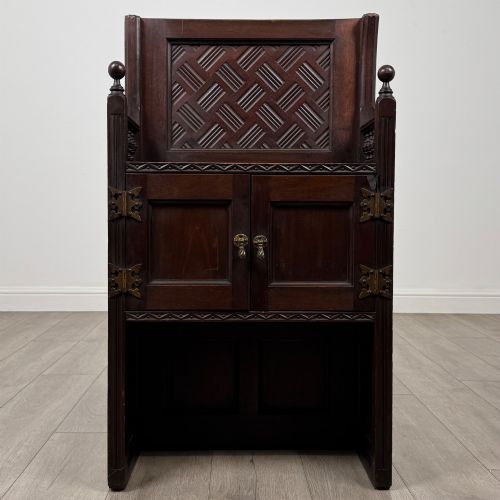
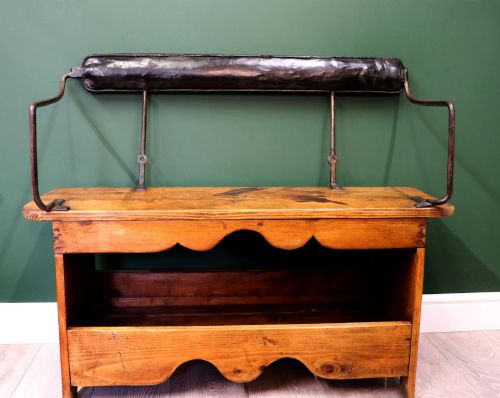
Finer examples incorporate decorative elements such as boxwood inlay, carved details, or spindled backs, showing the maker's hand beyond basic carpentry. Upholstered variations also appear, integrating leather panels into winged sofa frames.
Storage Bench with Back Retail Price Guide 2026
Typical asking prices for storage bench with back among the pieces listed under this phrase on Sellingantiques today, from the lower quarter to the upper quarter. They describe what is for sale here now, not the wider market.
Listings feature pine and oak as the primary woods, spanning seventeenth-century craftsmanship to Edwardian upholstered designs.
What varies in quality
Quality rests on the integrity of the timber, the originality of the surface finish, and the proportion of the structure. Pieces retaining their original paint or rich wax patina stand apart from later altered examples.
The sophistication of the joinery and carving distinguishes vernacular country pieces from formal architectural seating. Well-balanced proportions and untouched hinges on the storage compartment elevate a piece within its period.
James Shoolbred & Co.
The Storage Bench with Back Glossary
- Settle
- A wooden bench with a high back, solid arms, and a box seat. It traditionally stood near the hearth to keep out cold draughts.
- Box Settle
- A bench featuring a hinged seat opening to a storage compartment underneath. This design combines seating with domestic storage.
- Vernacular
- Regional furniture built by local carpenters using traditional methods rather than following metropolitan style books. These pieces reflect local materials and utility.
- Boxwood Inlay
- Decorative contrasting wood inserted into recesses on the furniture surface. It creates geometric or floral patterns.
- Patina
- The surface sheen and colour developed over decades through age, handling, and waxing. It indicates genuine age and use.
Storage Bench with Back: Frequently Asked Questions
What is a storage bench with back called historically?
Historically, these pieces are frequently termed settles, hall benches, or box settles. The high back shielded occupants from cold air in draughty halls.
Over time, regional variations emerged across Wales, England, and Hungary, each adapting the form to local timber and domestic needs.
How do I date a wooden storage bench?
Dating relies on examining the construction marks, timber types, and wear patterns across the frame. Earlier pieces from the seventeenth and eighteenth centuries often display pegged joints and heavy oak construction.
Later Victorian and Edwardian examples show machine-sawn timber elements, softer pine, or decorative additions like boxwood inlay.
Where should I place a settle in my home?
These benches suit entrance halls, boot rooms, or large kitchens where seating and concealed storage prove useful. Their high backs also make them effective room dividers in open-plan spaces.
Ensure you measure the depth and height, as high-back variants require adequate wall clearance and presence in a room.
How do I maintain a waxed pine or oak bench?
Maintain the wood by applying a natural beeswax polish periodically to nourish the grain and preserve the patina. Avoid placing the bench near direct heat sources or strong sunlight, which can dry out old timbers.
Dust regularly with a soft dry cloth to prevent dirt accumulation in carved details or joints.