





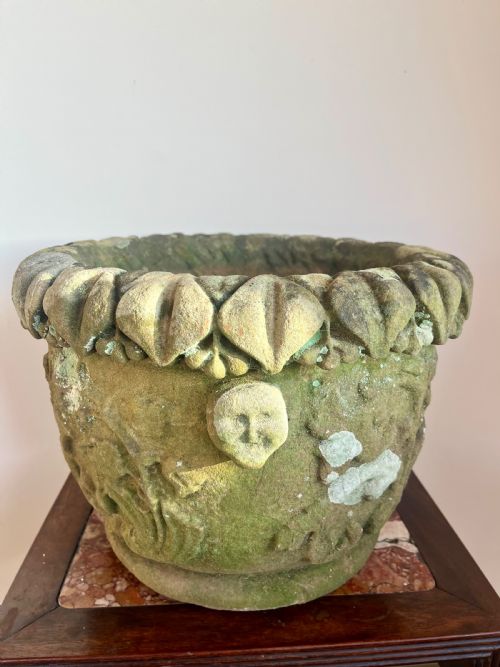

Stone Urn Planter
A stone urn planter brings classical form and enduring weight to a garden terrace, holding plants in a vessel shaped by centuries of tradition.
Stone Urn Planter
A stone urn planter sits upon garden terraces, paths, and lawns, functioning simultaneously as a vessel for foliage and a piece of architectural sculpture. When you search for this phrase, you encounter heavy garden vessels designed to elevate plants above ground level.
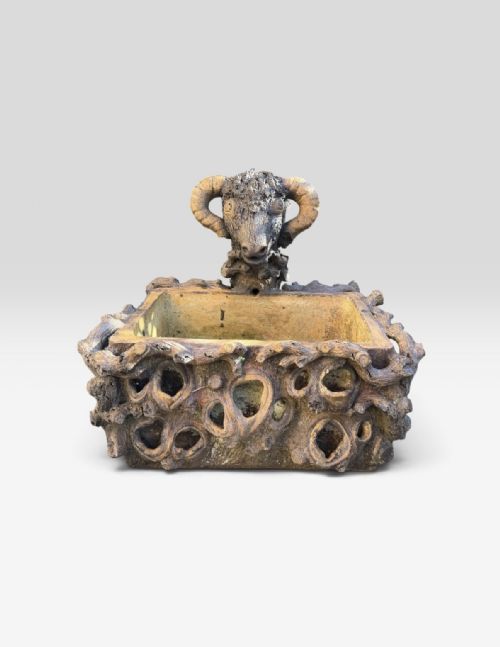
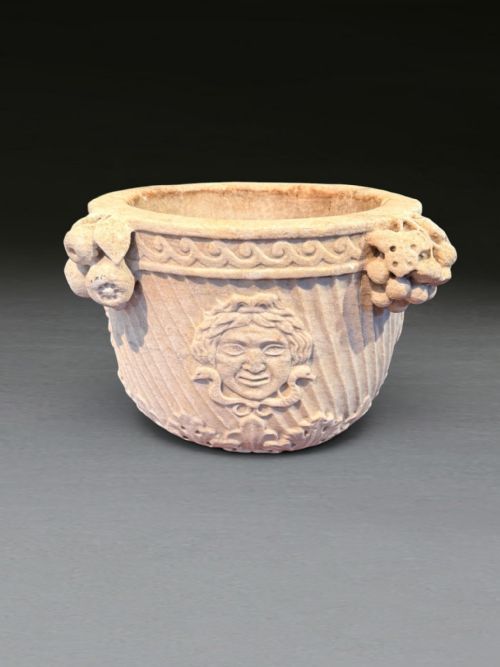
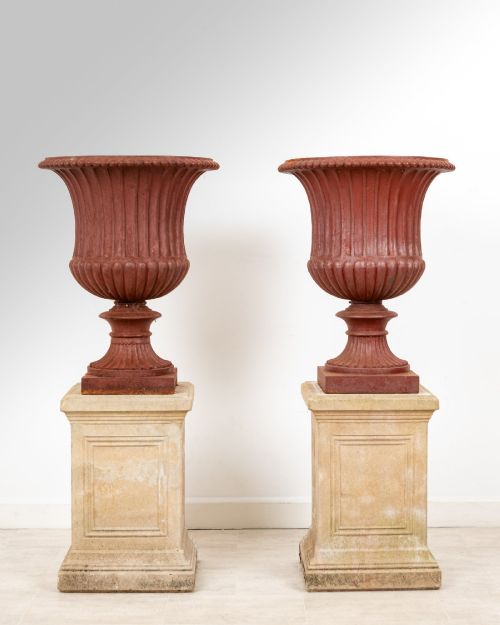
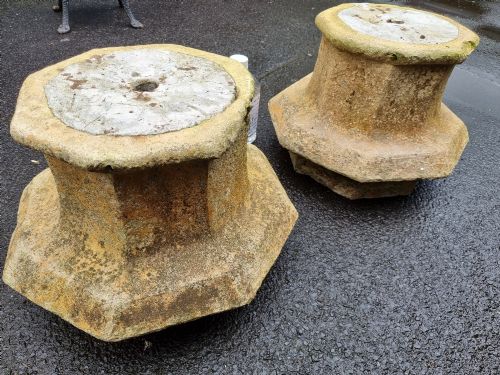
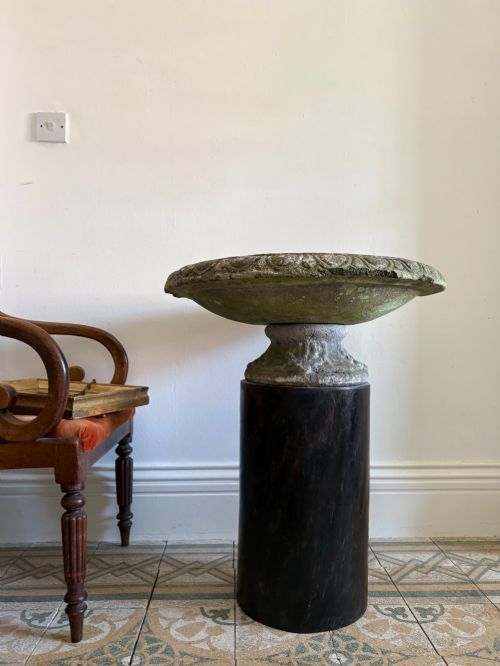
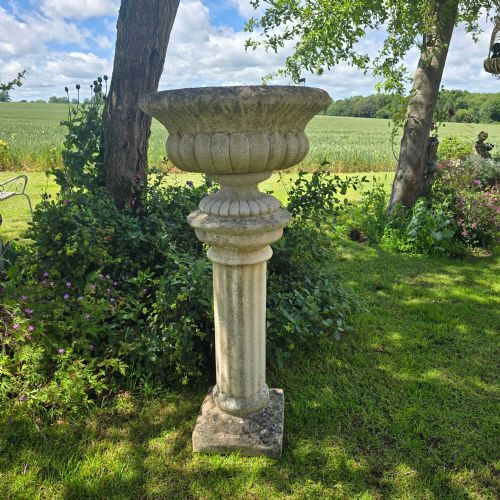
The pieces on this page draw from several centuries of design, appearing most frequently in nineteenth-century interpretations of classical forms. You will find campana shapes, tazza bowls, and rectangular carved stone baskets alongside pedestals and plinths.
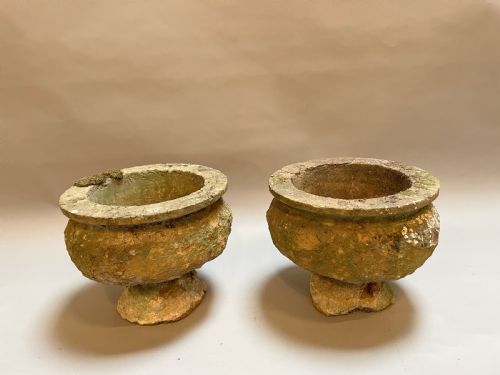
Materials range from natural quarried marble, limestone, and soft stone to manufactured cast stone, reconstituted stone, and terracotta. These vessels emerge from Victorian, Regency, and earlier traditions, often showing deep weathering from decades outdoors.
Materials and Construction Methods
Carved stone and marble pieces take shape through direct chisel work by stonemasons, who cut blocks into classical profiles with fluting, acanthus leaves, and relief panels. Natural stone displays the crystalline structure and mineral veining inherent to the quarry of origin.
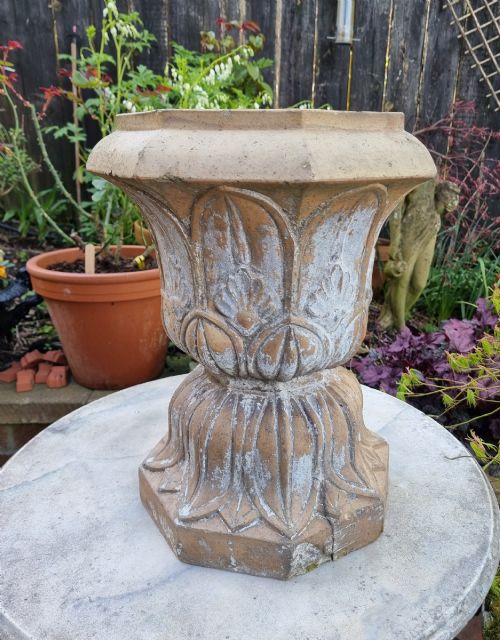
Cast stone and reconstituted stone rely on moulds filled with aggregate and cement mixtures, capturing crisp neoclassical details when set. Terracotta pieces employ local clays fired in kilns, sometimes featuring hand-modelled elements applied to the handles or body.
Metal components occasionally combine with stone, utilising cast iron for campana bowls mounted upon masonry pedestals. Salt glazing and terracotta techniques provide protective exterior finishes that withstand moisture and frost over long periods.
Stone Urn Planter Retail Price Guide 2026
Typical asking prices for stone urn planter among the pieces listed under this phrase on Sellingantiques today, from the lower quarter to the upper quarter. They describe what is for sale here now, not the wider market.
One exceptional planter incorporates reclaimed stone salvaged directly from the Houses of Parliament after bomb damage during the Blitz.
Distinctions in Quality and Execution
Quality rests upon the crispness of the carving and the purity of the material, separating hand-chiselled marble and fine limestone from simpler moulded compositions. Superior examples display balanced proportions, deep relief work, and harmonious integration between the bowl and its base.
The integrity of the material dictates longevity, with dense natural stone and well-fired terracotta enduring weathering without structural decay. Age-related patination, such as biological growth and surface softening, enhances finer pieces when the underlying form remains sharp and intact.
Andrew Handyside
The Stone Urn Planter Glossary
- Campana urn
- A bell-shaped garden vessel with an everted rim and a tapered body, often mounted on a short stem and square foot. This classical silhouette originates from ancient Roman metal and ceramic drinking vessels.
- Tazza
- A shallow, cup-like ornamental vessel set upon a high foot and pedestal. These wide bowls accommodate trailing plants and suit formal garden settings.
- Cast stone
- A refined architectural concrete manufactured to simulate natural cut stone. The mixture uses natural aggregates and binders to replicate the texture of quarried masonry.
- Plinth
- A heavy base or pedestal that elevates an urn above ground level. These supporting blocks feature moulded cornices and add architectural presence to garden displays.
- Terracotta
- Fired unglazed clay possessing a warm reddish-brown hue. This porous material breathes, allowing plant roots to regulate moisture effectively.
Stone Urn Planter: Frequently Asked Questions
How do I protect a stone urn planter in winter?
Heavy stone and cast vessels withstand cold temperatures best when elevated on pot feet to prevent water freezing underneath. Emptying excess soil or wrapping vulnerable terracotta helps prevent frost cracking during hard freezes.
Positioning containers against sheltered walls also reduces exposure to driving rain and ice expansion. Natural stone and iron combinations generally endure outdoor elements without requiring indoor storage.
Can these planters stay outdoors all year?
Most garden vessels in these materials are designed for permanent outdoor placement, developing patination and weathering over decades. Natural stone, cast stone, and cast iron tolerate year-round exposure to rain and sun.
Terracotta and softer limestone require more careful monitoring for freezing moisture. Regular cleaning keeps drainage holes clear and prevents standing water from causing structural damage.
What plants suit a campana urn?
Trailing foliage and cascading plants complement the flared rim and elevated profile of bell-shaped vessels. Ivy, periwinkle, and trailing lobelia spill gracefully over the edges of deep bowls.
Symmetrical arrangements using box balls or small conifers create a formal neoclassical aesthetic. Seasonal displays of bulbs and flowering annuals provide colour while respecting the scale of the base.
How do I distinguish cast stone from natural stone?
Natural stone reveals continuous geological veining, natural fossil inclusions, and tool marks left by the mason. Examination under magnification shows crystalline structures unique to quarried marble or limestone.
Cast stone often displays a uniform aggregate matrix and may show minor mould seams or consistent surface textures. Weight and coldness to the touch help differentiate dense natural mineral blocks from cement-based composites.