
Stone Garden Sculpture
Stone garden sculpture brings classical figures, animals, and architectural ornaments into open air to weather naturally over decades.
Stone Garden Sculpture
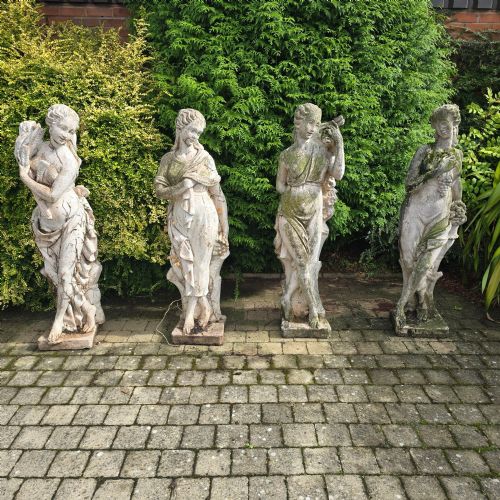
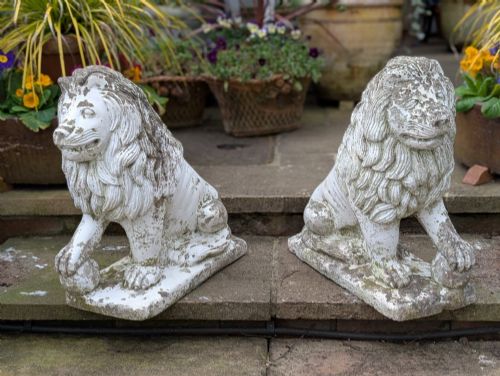
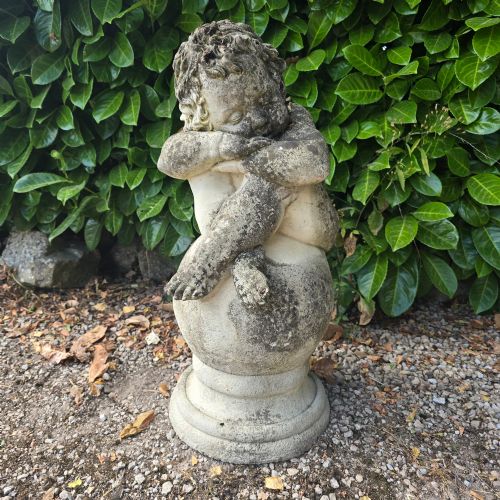
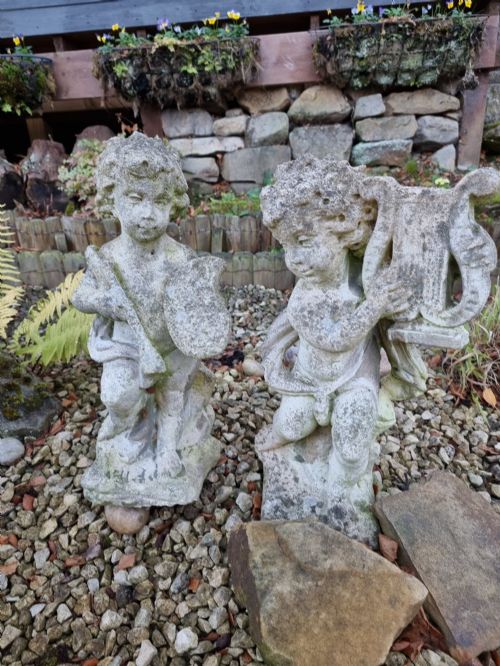
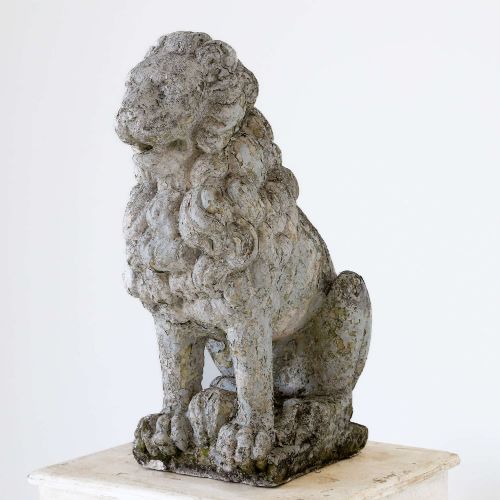
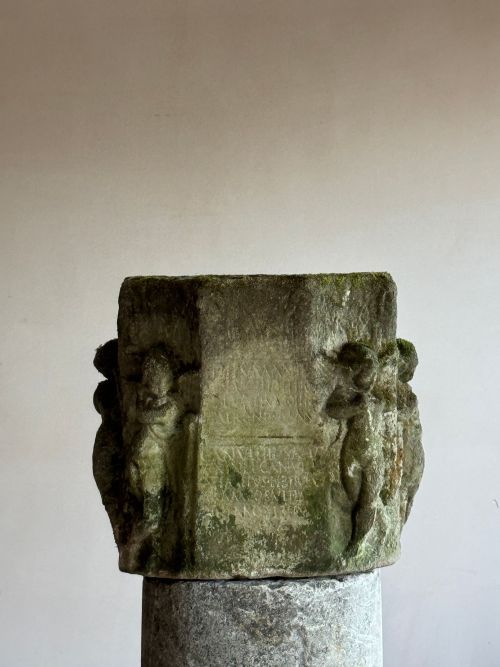
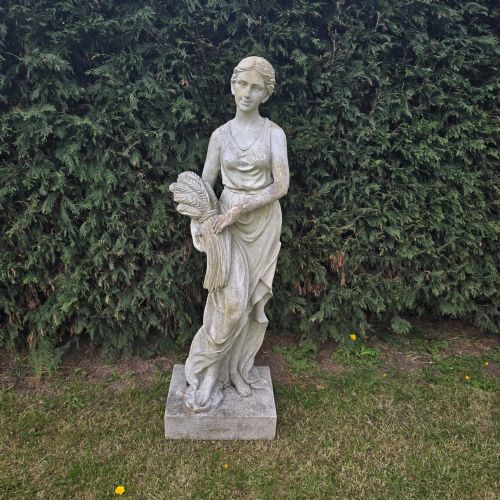
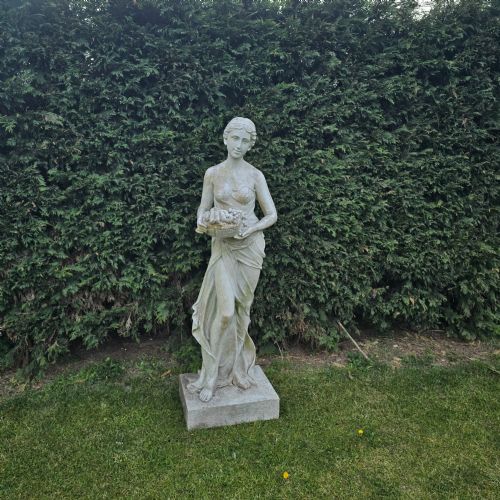
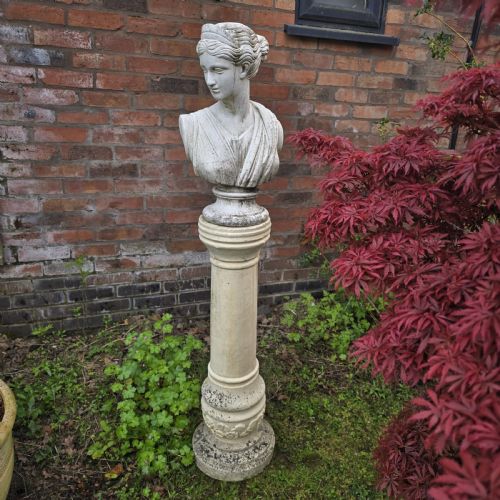
Stone garden sculpture encompasses statues, pier finials, busts on plinths, and architectural ornaments designed for outdoor placement. When you examine stone garden sculpture on this page, you encounter pieces ranging from eighteenth-century staddle stones and millstones to mid-twentieth-century figures of the Four Seasons, lions, and cherubs.
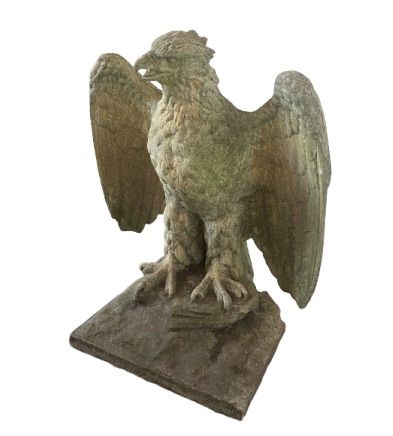
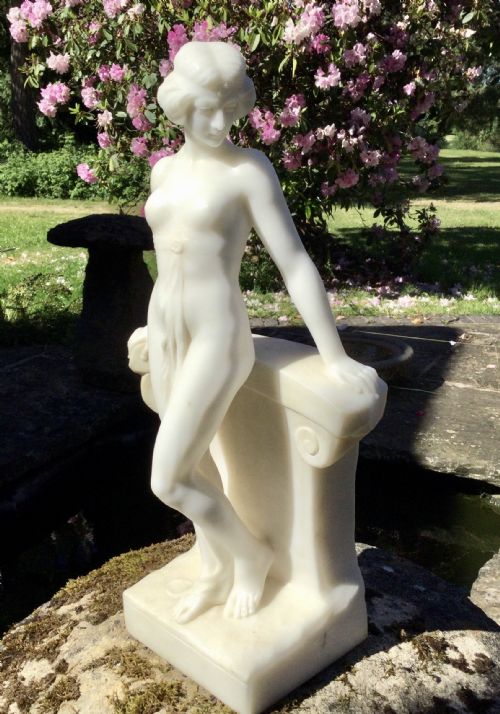
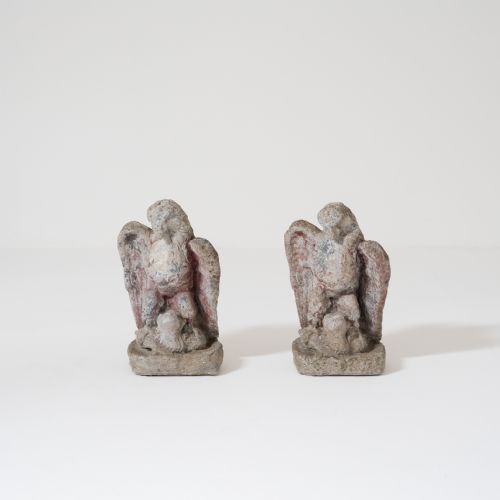
The selection includes life-sized figures, animal groups such as pigs and eagles, and classical motifs like Venus de Milo, Athena, and David. These objects function as focal points in garden layouts, often elevated on pedestals or integrated into gate piers and pathways.
How they were made
Makers utilised a variety of media, including hand-carved solid marble, sandstone, and cast or reconstituted stone. Cast and composite stone pieces were formed in moulds, sometimes retaining traces of original old paint.
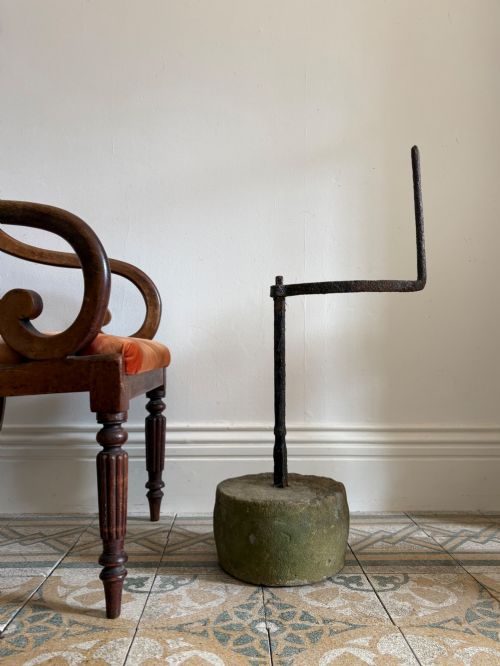
Some utilitarian and decorative items incorporate forged iron handles or tethering rings. Stoneware and saltglaze finishes also appear among the moulded and carved examples.
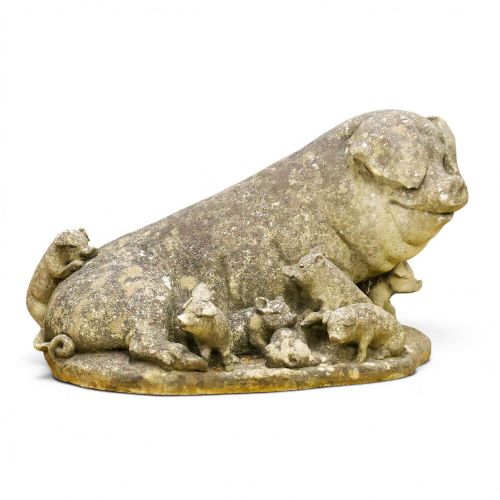
A sow accompanied by seven piglets stands ready to root among the flowerbeds.
What varies in quality
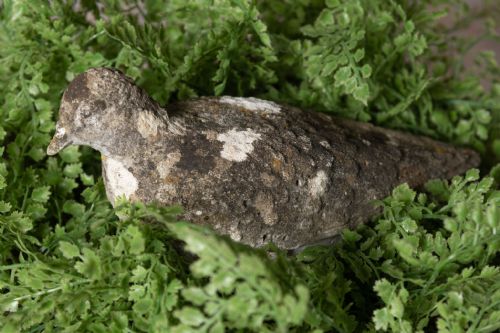
The integrity of the stone or cast composition, along with the organic accumulation of lichens and mosses, distinguishes a well-matured ornament from a flat, characterless casting.
The Stone Garden Sculpture Glossary
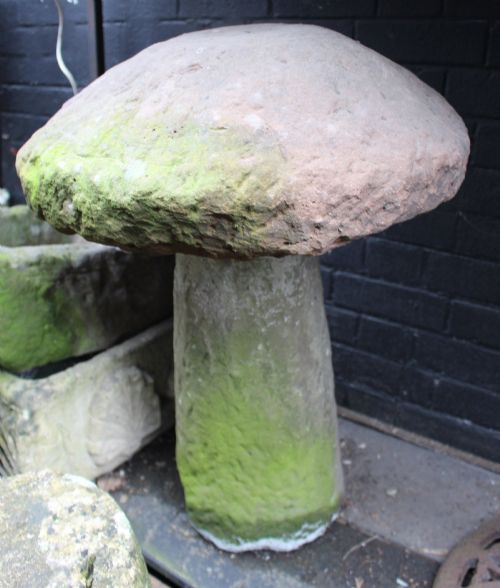
- Staddlestone
- A mushroom-shaped stone support formerly used to elevate granaries off the ground to keep out vermin. Eighteenth-century examples display hand-cut capstones and bases.
- Pier finial
- An architectural ornament placed on top of a gate pier or wall post. Pairs of eagles or lions frequently serve this function.
- Reconstituted stone
- A composite material made from crushed stone and cement binder moulded into sculptural forms. It offers durability and weathering properties similar to natural stone.
- Plinth
- A heavy stone base or pedestal supporting a bust, urn, or statue. They elevate garden figures to eye level.
- Saltglaze stoneware
- Pottery fired at high temperatures with salt thrown into the kiln, producing a dense, vitreous surface that resists frost.
Stone Garden Sculpture: Frequently Asked Questions
How do I place a heavy stone statue?
Large garden statues and figures on plinths require a level, stable foundation of compacted hardcore or flagstones to prevent sinking or tilting over time.
Position them where the surrounding foliage frames the silhouette and protects the material from excessive winter moisture accumulation.
Can cast stone statues stay outside in winter?
Most reconstituted stone, cast stone, and sandstone ornaments withstand normal seasonal frost if they are placed on solid footings rather than directly in wet soil.
Clearing fallen leaves prevents moisture retention that can lead to surface degradation during prolonged freezing spells.
What is the difference between carved stone and cast stone?
Carved stone pieces are cut directly from blocks of natural material such as marble or sandstone using chisels. Each carved sculpture is entirely unique.
Cast stone is produced by pouring a mixture of aggregate and cement into a mould, allowing multiple identical figures or ornaments to be made from a single master.
How do staddle stones differ from garden statues?
Staddle stones originated as functional agricultural supports for raised grain stores rather than decorative ornaments. They consist of a distinct cap and base.
Garden statues are purely sculptural representations of human figures, animals, or mythological subjects intended for aesthetic enhancement.