




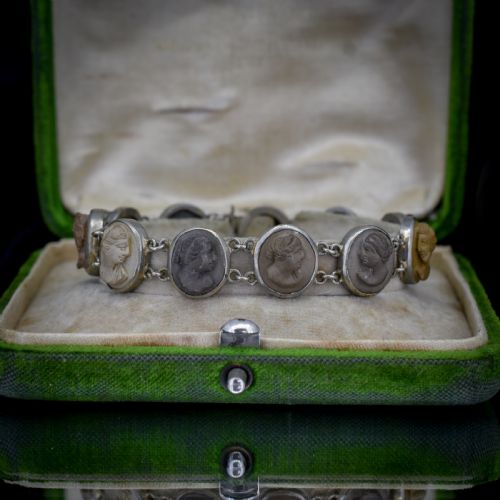


Grey Stone Bust
These grey stone bust examples bring classic presence to a room, offering carved form and weathered texture gathered from various centuries.
Grey Stone Bust
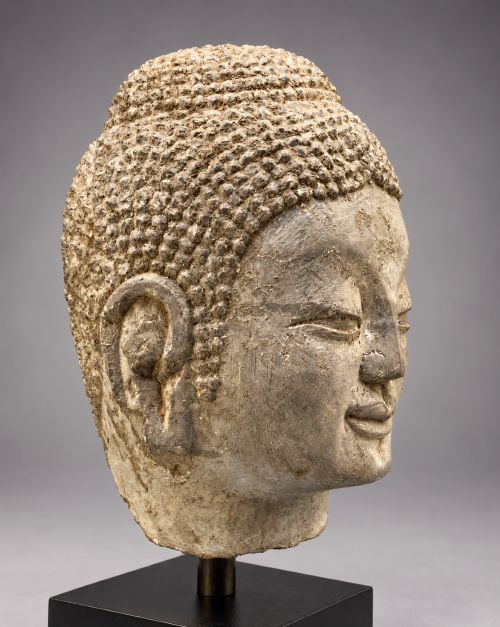
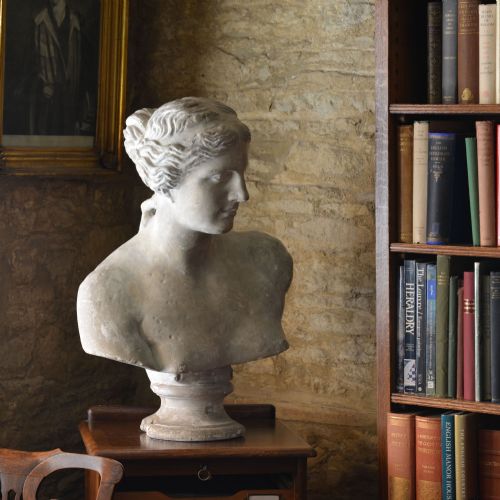
A grey stone bust brings sculpted presence to an interior or garden, taking the form of classical figures, deities, and historical portraits. These pieces range from ancient fragments like fifteenth-century limestone Buddha heads to nineteenth-century plaster interpretations of classical sculpture.
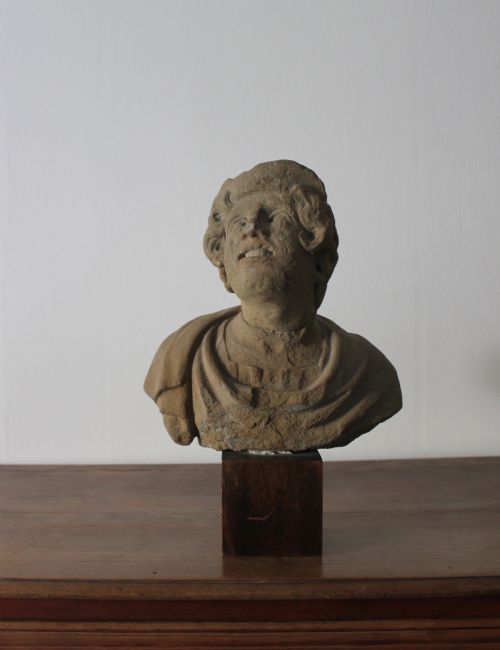
Buyers searching for a grey stone bust encounter various materials including limestone, sandstone, reconstituted stone, and plaster. Many examples arrive mounted on dedicated plinths, while others function as architectural salvage or garden statuary.
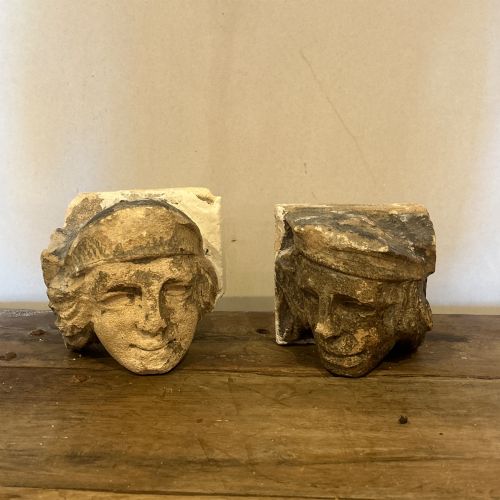
The selection encompasses diverse stylistic traditions from medieval Gothic corbels and Chinese Ming dynasty carvings to Victorian Grand Tour souvenirs and colonial Indian garden pieces. These sculptures span centuries of human craft, each carrying the distinct character of its era.
How they were made
Other examples utilise cast or reconstituted stone, gypsum, and plaster poured into moulds to capture fine sculptural detail. These moulded surfaces often acquire weathering over time when exposed to the elements in gardens or courtyards.
Grey Stone Bust Retail Price Guide 2026
Typical asking prices for grey stone bust among the pieces listed under this phrase on Sellingantiques today, from the lower quarter to the upper quarter. They describe what is for sale here now, not the wider market.
Listings feature grey stone bust examples spanning from pre-sixteenth century medieval fragments up to mid-twentieth century garden pieces.
What varies in quality
The fidelity of the carving and the natural expression of the subject separate ordinary decorative objects from exceptional sculptural works. Subtle handling of facial planes and drapery creates a convincing sense of life in the material.
Age and weathering contribute significantly to the character of stone and plaster surfaces, where exposure creates organic patination. The integrity of the original material and the presence of any associated plinth or pedestal further define the piece.
The Grey Stone Bust Glossary
- Corbel
- A structural piece of stone projecting from a wall to support a weight. Medieval examples often feature carved human or animal heads.
- Grand Tour
- A traditional trip of Europe undertaken by upper-class young men in the eighteenth and nineteenth centuries. Travellers frequently returned with miniature busts and sculptures.
- Limestone
- A sedimentary rock composed largely of calcium carbonate. This material allows for fine sculptural detail in ancient and medieval carvings.
- Reconstituted stone
- A composite material made from crushed stone aggregated with a binder. It is moulded to replicate natural carved stone forms.
- Plinth
- A heavy base supporting a statue or bust. Many garden and interior sculptures are displayed raised on these architectural supports.
Grey Stone Bust: Frequently Asked Questions
How do I care for a stone bust?
Natural stone and reconstituted materials tolerate gentle cleaning with soft brushes to remove dust and debris. Avoid harsh chemical cleaners that can damage the surface patination.
Outdoor pieces benefit from protection during freezing winter conditions to prevent moisture from expanding within the stone matrix.
Are these busts suitable for outdoor display?
Many pieces originate as garden statuary or architectural elements designed to withstand outdoor environments. Materials like sandstone, limestone, and cast stone weather gracefully in open air.
Plaster and gypsum examples require indoor placement to protect the delicate material from moisture and frost damage.
How do I identify the period of a bust?
Dating relies on tool marks, material composition, and stylistic conventions associated with specific historical eras. Fifteenth-century carvings show distinct hand-chiselling techniques compared to nineteenth-century neoclassical revival works.
Comparing the sculptural style to known historical periods helps narrow down the origin of an unmarked piece.
What is a Grand Tour bust?
Grand Tour sculptures were acquired by travellers visiting classical sites in Italy and Greece during the nineteenth century. These pieces often reproduce famous ancient statues in marble or bronze.
Collectors prize these items for their historical connection to nineteenth-century travel and collecting habits.