
Sterling Silver Tea Accessories
Sterling silver tea accessories span delicate caddy spoons, sifters and strainers shaped across Georgian, Victorian and modern periods.
Sterling Silver Tea Accessories
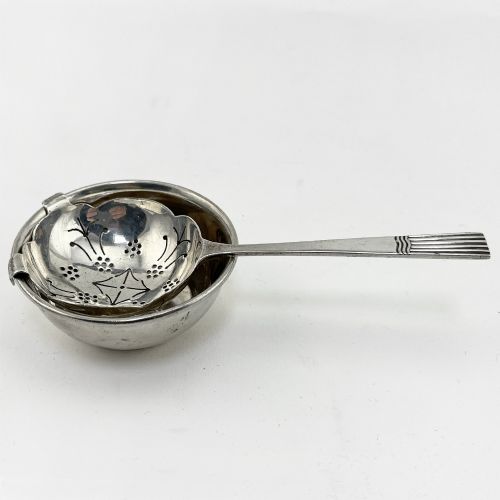
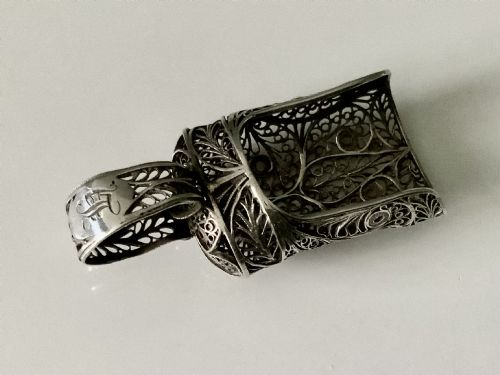
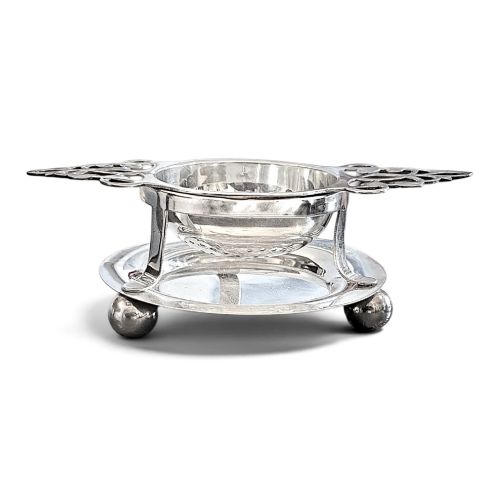
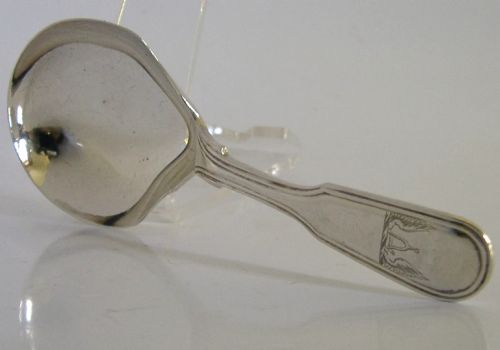
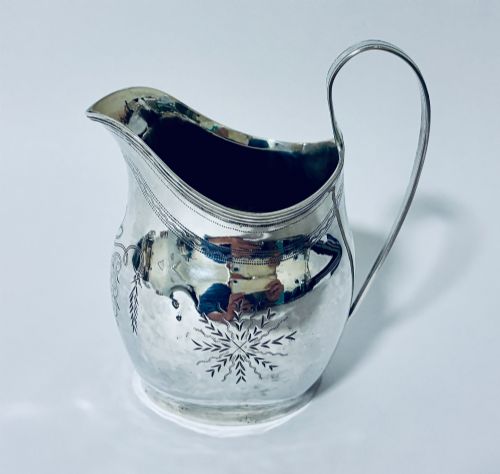
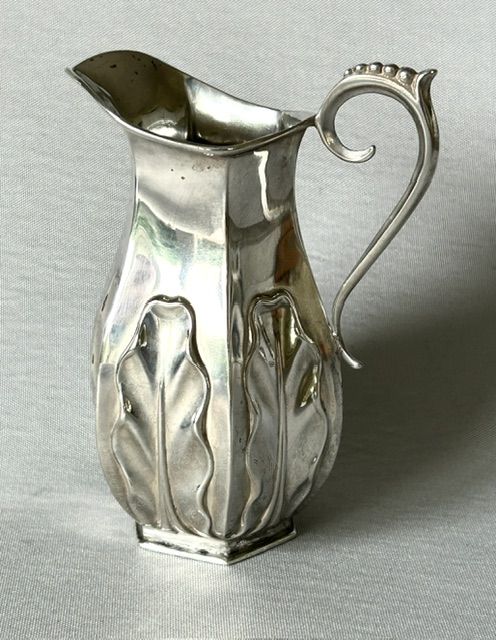
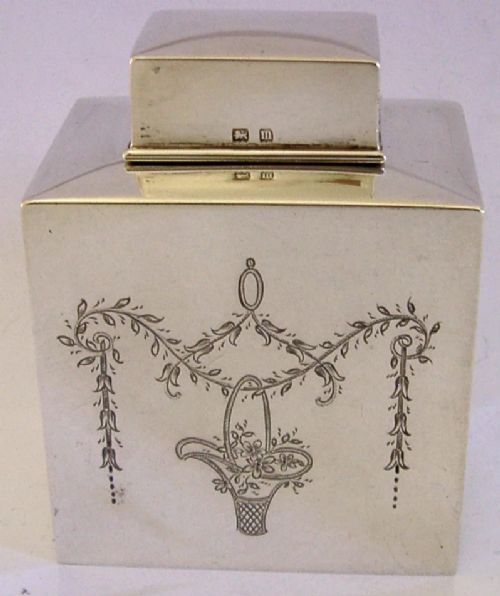
Sterling silver tea accessories encompass functional implements designed to handle tea leaves, sugar and cream during formal and domestic tea service. A buyer searching for sterling silver tea accessories will encounter smaller items such as caddy spoons, sugar tongs and mote spoons, alongside larger pieces including cream jugs, tea caddies and strainers. These objects emerge from various eras, ranging from eighteenth-century Georgian examples to Victorian and twentieth-century modernist designs.
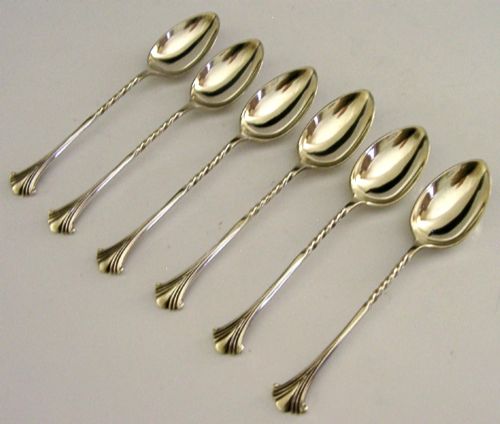
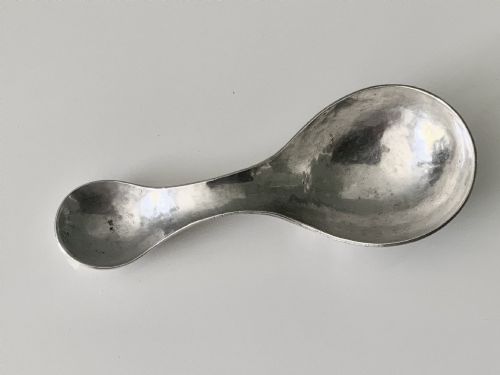
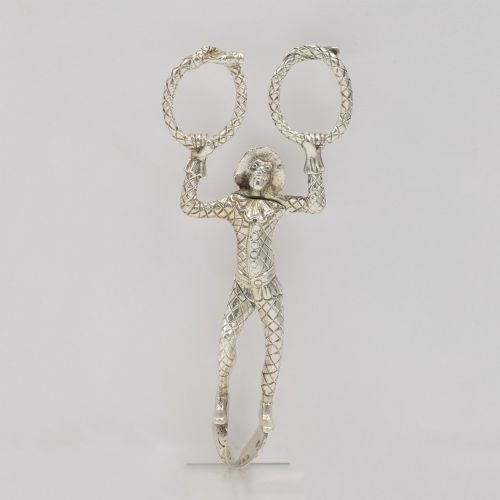
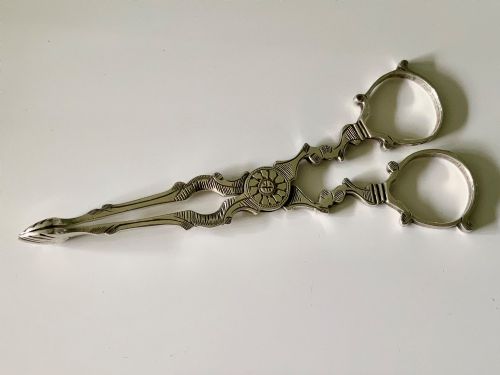
The assortment on this page relies heavily on Georgian and Victorian pieces, supplemented by Edwardian, Art Deco and Arts and Crafts examples. Spoons feature plain bowls, fancy backs and novelty shapes like jockey caps or harlequin monkeys, while tongs vary from simple cast scissor actions to ornate nips. Origin points span English assay offices in London, Birmingham and Chester, alongside international works from makers in Denmark.
Materials and Techniques
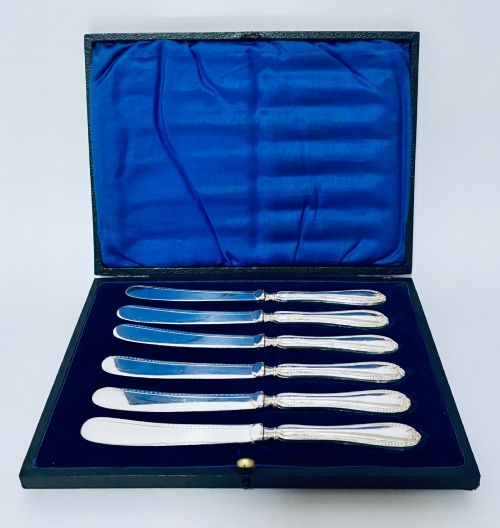
Items listed here utilise sterling silver as the primary metal, supplemented occasionally by silver-gilt finishes where gold is applied over silver surfaces. Certain cased sets incorporate auxiliary materials such as velvet, silk, leather and satin within presentation boxes to cushion bowls and tongs.
Manufacturing methods rely on traditional silversmithing techniques appropriate to each period. Eighteenth-century pieces often display cast construction for sugar tongs and mote spoons, whereas nineteenth and twentieth-century items incorporate stamped bowls, pierced decoration and applied ornamentation.
Materials extend beyond plain silver to include silver-gilt finishes and cased sets lined with silk and velvet.
Distinctions in Quality
Quality within sterling silver tea accessories rests upon the crispness of initial chasing, the weight of the metal utilised, and the integrity of hallmarks stamped into the silver. Hand-cast tongs and intricately pierced caddy spoons demonstrate superior silversmithing skill compared to later, lighter stamped alternatives.
The presence of crisp maker marks, clear date ciphers, and original fitted presentation cases elevates an item's standing. Maker attribution, particularly pieces associated with known workshops like the Bateman family or Georg Jensen, distinguishes standard domestic silverware from collector-grade works.
Zimmermann·Bateman Family·Dee and Fargus·Wallis·Georg Jensen·William Neale·Thomas Tookey·Jeremiah Lee
The Sterling Silver Tea Accessories Glossary
- Caddy spoon
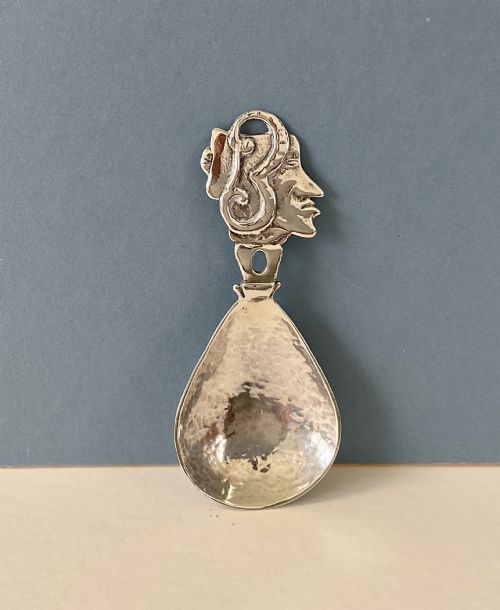
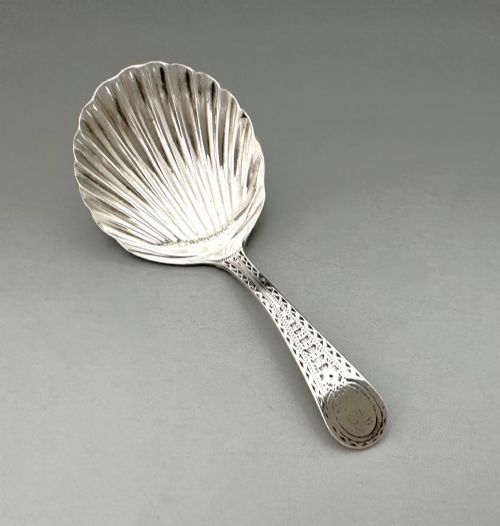
- A small spoon specifically designed to measure loose tea leaves from a caddy into a teapot. These typically feature short handles and decorative bowls shaped like shells, leaves or jockey caps.
- Mote spoon
- An eighteenth-century implement featuring a pierced bowl used to skim tea leaves from the surface of a cup and a tapered stem ending in a point to clear the teapot spout.
- Sugar tongs
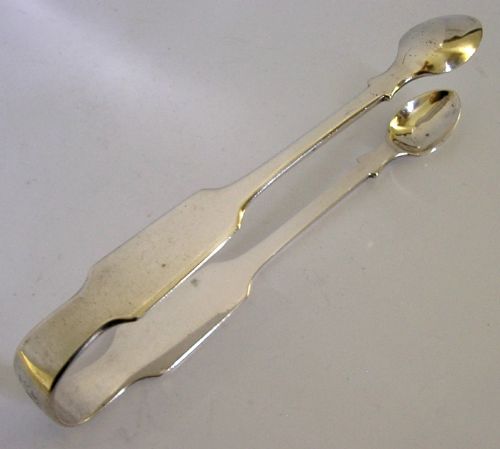
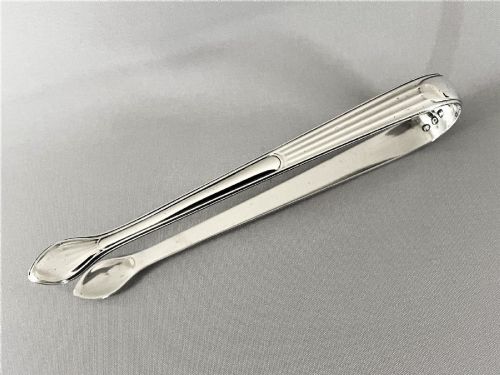
- Implements used to transfer sugar lumps or loose granules into a teacup. Early examples often utilise scissor actions or cast spring arms terminating in shell grips.
- Hallmark
- A series of official marks stamped onto silver items to guarantee purity, indicate the assay office, and record the year of manufacture and maker identity.
- Tea strainer
- A perforated utensil placed across the top of a teacup to catch loose leaves as tea is poured from the pot.
Sterling Silver Tea Accessories: Frequently Asked Questions
What are sterling silver tea accessories?
Sterling silver tea accessories are small tools and vessels used historically in the preparation and consumption of tea. They include caddy spoons for measuring leaves, sugar tongs for lumps, and strainers for catching debris.
Most items are forged from solid silver and reflect the domestic habits and design trends of the Georgian, Victorian and twentieth-century periods.
How do I identify a Georgian caddy spoon?
Georgian caddy spoons date from the reign of George III or surrounding decades, usually displaying hand-engraved decoration, bright-cut handles or distinctive shell bowls. They are typically smaller than modern teaspoons.
Examining the hallmarks stamped on the reverse provides the definitive guide to age, revealing London or provincial assay marks alongside maker initials.
How were sugar tongs used?
Sugar tongs were used to lift sugar cubes or refined cones from a bowl into a cup during tea service. Early eighteenth-century versions often used scissor handles with ring grips.
Later Victorian and Edwardian examples relied on a sprung arch of metal that required manual pinching by the user to secure the lump.
How should I clean silver tea accessories?
Sterling silver benefits from occasional gentle washing in warm, soapy water using a soft cloth to remove dust and oils. Abrasive cleaners and harsh scrubbing brushes must be avoided.
Specialist silver cloth removes tarnish without wearing down the engraved details or delicate hallmarks found on antique spoons and strainers.