


Sterling Silver Table Centerpieces
Sterling silver table centerpieces bring weight, reflection, and structure to dining rooms through bowls, baskets, and candelabra.
Sterling Silver Table Centerpieces
When searching for sterling silver table centerpieces, buyers encounter large ornamental bowls, pierced baskets, epergnes, and candelabra designed to anchor a dining table. These objects originate predominantly from Victorian, Edwardian, and mid-twentieth-century workshops, spanning varied aesthetic movements.
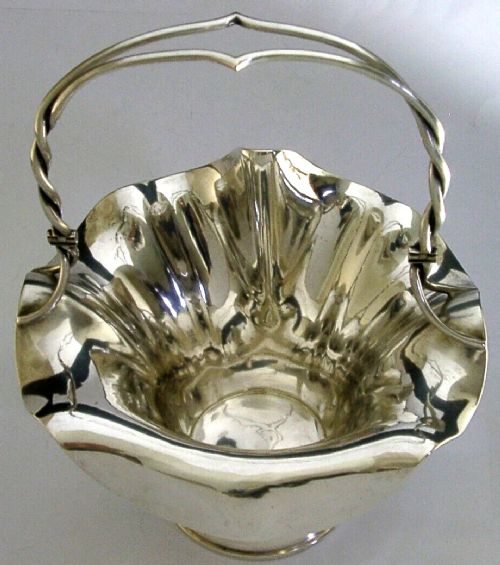
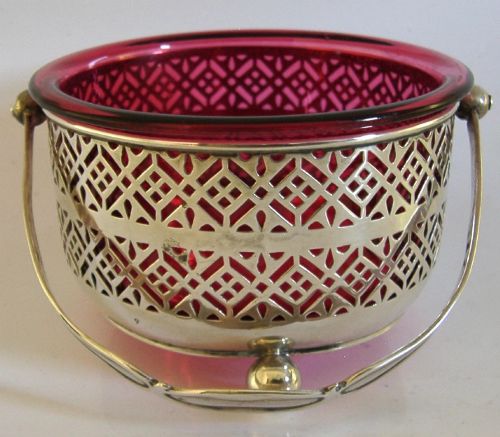
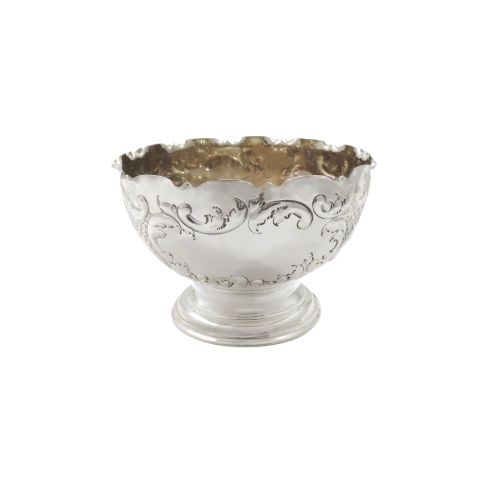
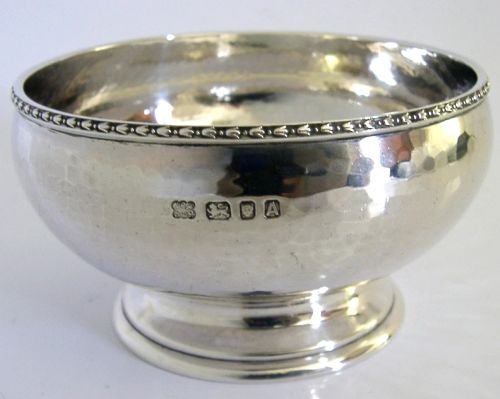
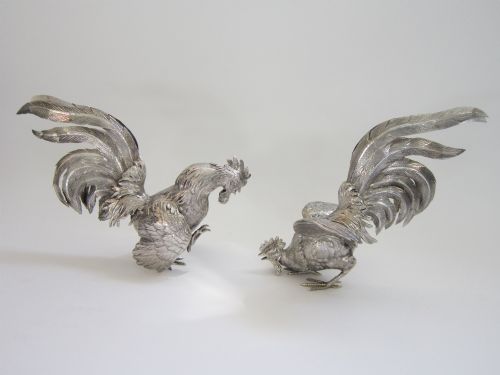
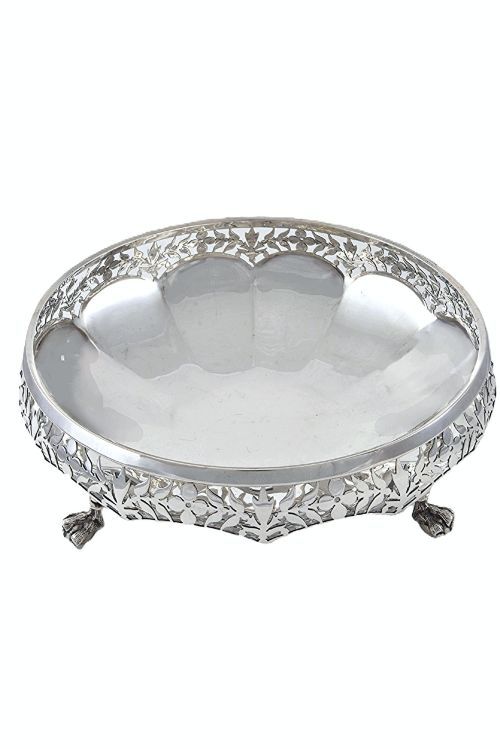
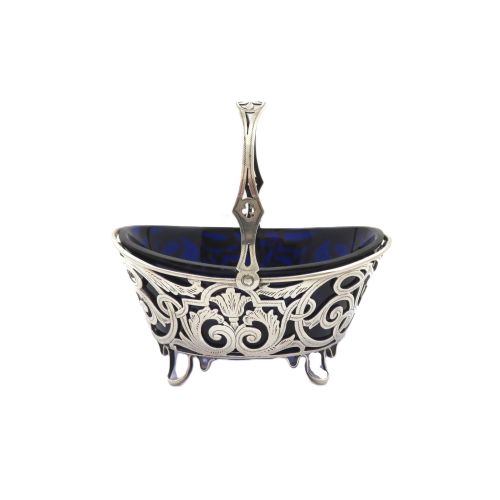
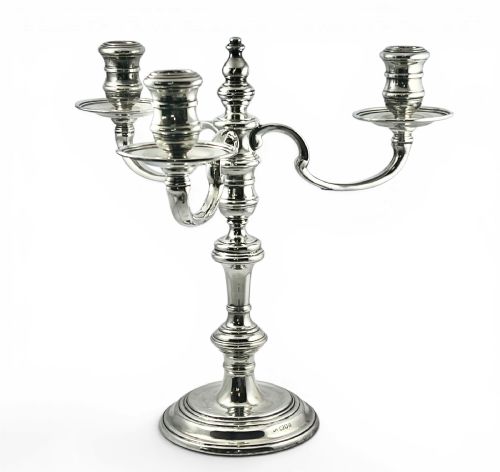
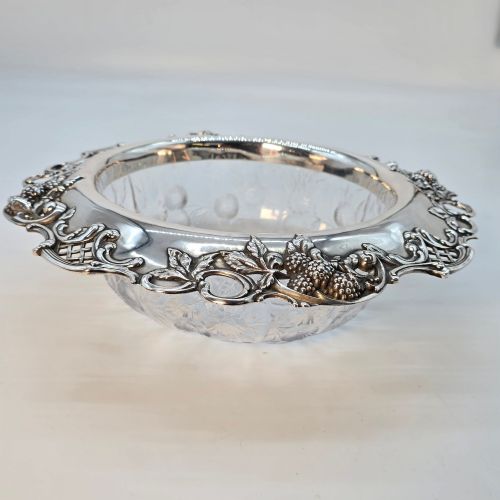
The selections available include footed bowls, swing-handled baskets with glass liners, and sculptural animalier ornaments. Edwardian and Victorian pierced baskets with intricate lattice detail appear frequently, alongside substantial presentation bowls and multi-branch candelabra.
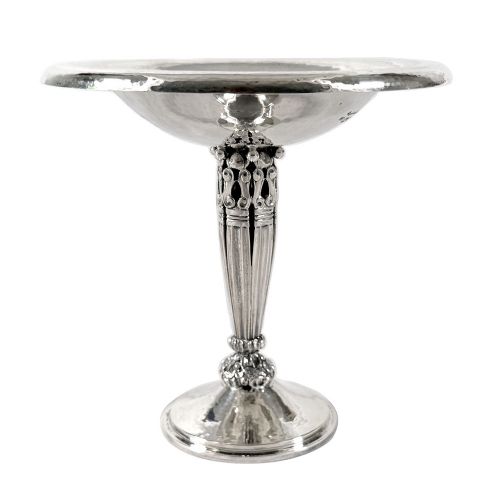
Makers utilised traditional forms ranging from George V pedestal dishes to Art Nouveau sweeps and Art Deco tazzas. Each piece served as a visual focal point for formal dining, often incorporating coloured glass inserts such as cranberry, cobalt, or green glass.
Materials and Technique
Silversmiths constructed these centerpieces using solid sterling silver, frequently employing heavy gauges to achieve structural integrity in large bowls and candelabra. Techniques included piercing, fretwork, and lattice detailing to lighten expansive silver surfaces without sacrificing presence.
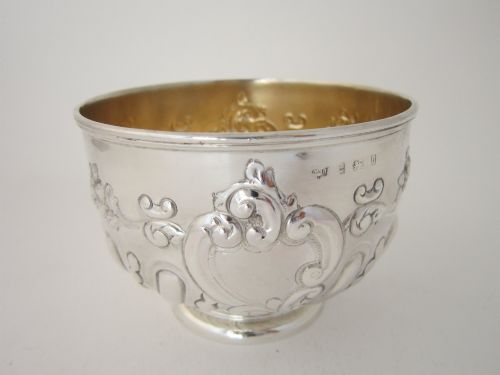
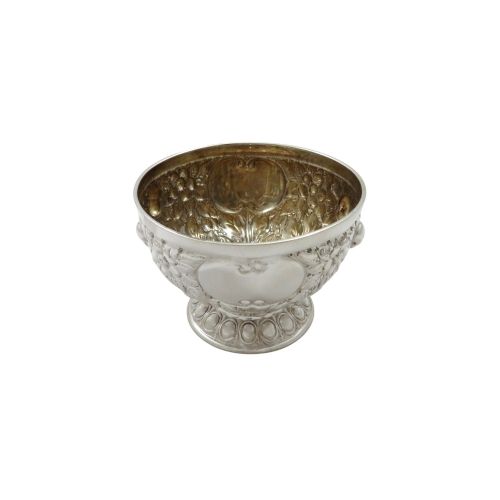
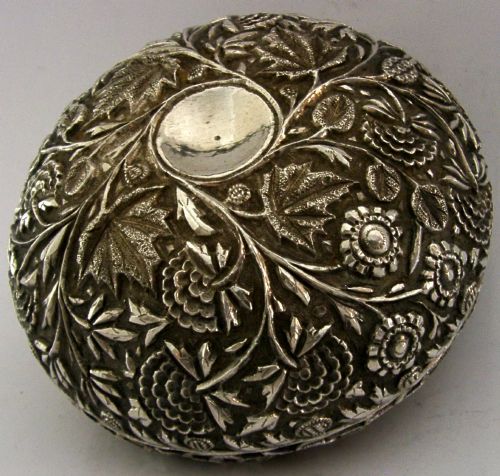
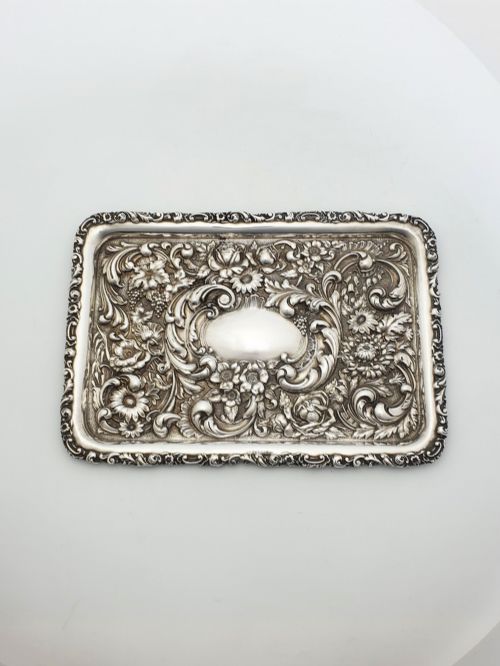
Repoussé and planished hammered finishes added textural depth, particularly evident in floral motifs and Arts and Crafts examples. Combinations with crystal, cranberry glass, and silver gilt interiors introduced contrasting colour and light reflection to the metalwork.
Listings combine solid silver with crystal, cranberry glass, and cobalt glass across Victorian, Edwardian, and mid-century periods.
Craftsmanship and Weight
Quality separates through the thickness of the silver gauge and the crispness of the hand-worked detail, such as piercing or repoussé. Substantial weight in large bowls and multi-light candelabra indicates superior material investment by the silversmith.
The refinement of maker execution - from integrated swing handles to fitted glass liners - defines the upper tier of these dining table pieces. Maker attribution to notable silversmiths further elevates the standing of an individual centerpiece.
Tiffany & Co.·Charles Boyton·Joseph Rodgers·William Comyns·Walker & Hall·James Dixon & Sons Ltd·William Hutton & Sons·Tom Mackie
The Sterling Silver Table Centerpieces Glossary
- Repoussé
- A metalworking technique where the silversmith hammers the design from the reverse side to form raised ornamentation on the front. This creates tactile floral and scroll patterns on bowls and trays.
- Epergne
- A large ornamental centerpiece featuring multiple branching dishes, baskets, or holders radiating from a central stand. These pieces were traditionally used to serve fruit, sweetmeats, or flowers.
- Animalier
- A style of sculpture that realistically depicts animals, often cast in silver as freestanding table ornaments or figures. It highlights naturalistic postures and textures.
- Tazza
- A small, stemmed pedestal cup or shallow bowl raised on a foot. Silversmiths often utilised this form for serving sweets or displaying fruit.
- Piercing
- The method of cutting intricate geometric or lattice patterns through sheet silver. This technique lightened the visual weight of large baskets and fruit dishes.
Sterling Silver Table Centerpieces: Frequently Asked Questions
How were sterling silver centerpieces used?
These pieces served as the decorative focal point of formal dining tables, holding fruit, flowers, or sweetmeats during meals.
Larger candelabra and epergnes also provided ambient illumination and elevated arrangements above the level of guests' conversation.
What periods do these centerpieces span?
The listings encompass Victorian, Edwardian, and George V eras, alongside later twentieth-century productions up to the 1960s.
Earlier Georgian influences and specific movements like Art Nouveau and Art Deco also appear across the various bowls and baskets.
How do I care for silver and glass?
Solid silver requires gentle cleaning with a specialised polish to maintain its finish without wearing down fine repoussé or pierced details.
Removable glass liners, found in many baskets and dishes, can be lifted out and washed separately in warm soapy water.
Are glass liners original to the pieces?
Many period baskets and dishes retain their original fitted cranberry, cobalt, or green glass liners, which were designed specifically for the silver frame.
Checking for secure fit and matching period characteristics helps determine whether a liner belongs to the piece.