


Sterling Silver Sweetmeat
Sterling silver sweetmeat pieces are small serving vessels designed for confectioneries, bringing period craftsmanship directly to the table.
Sterling Silver Sweetmeat
A buyer seeking a sterling silver sweetmeat encounters objects spanning the eighteenth century through the mid-twentieth century, with Victorian and Edwardian examples appearing most frequently.
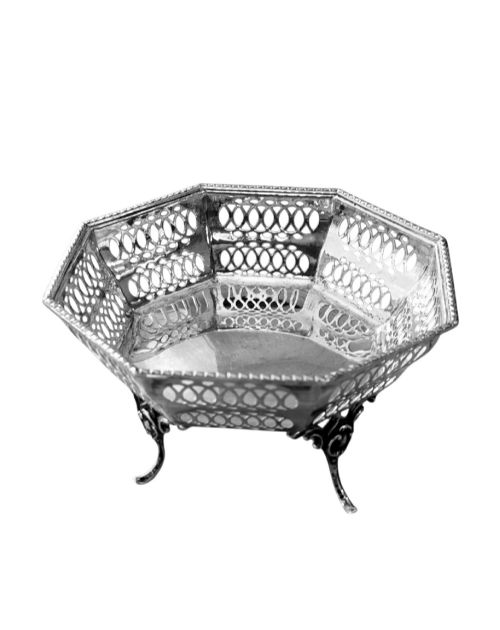
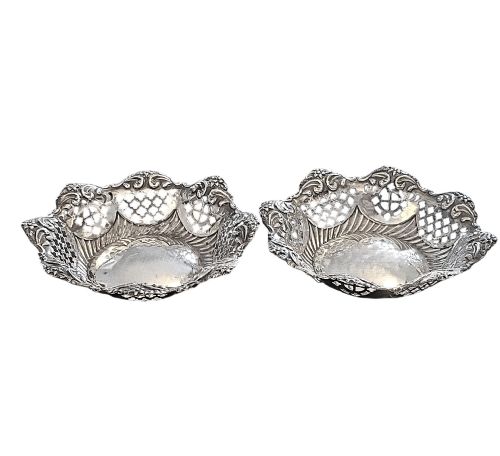
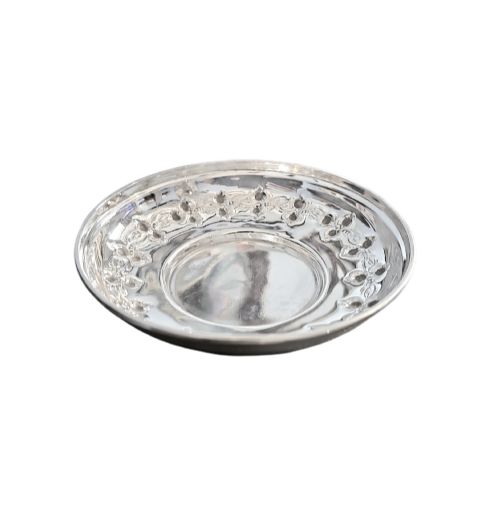
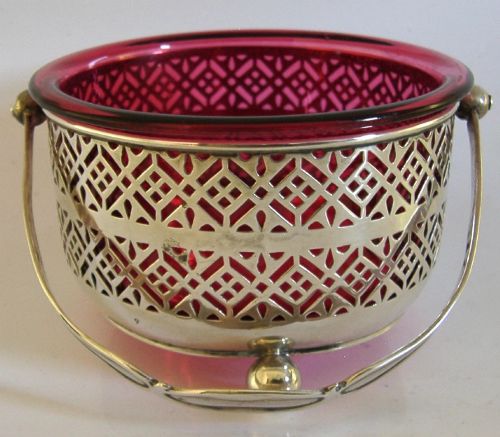
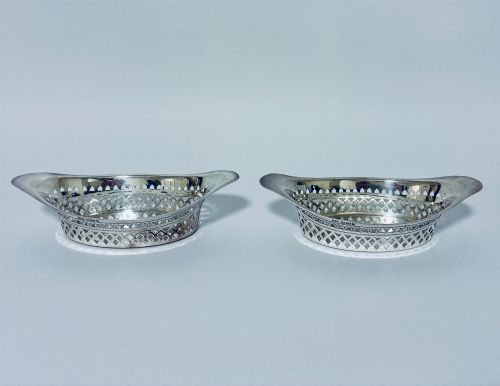
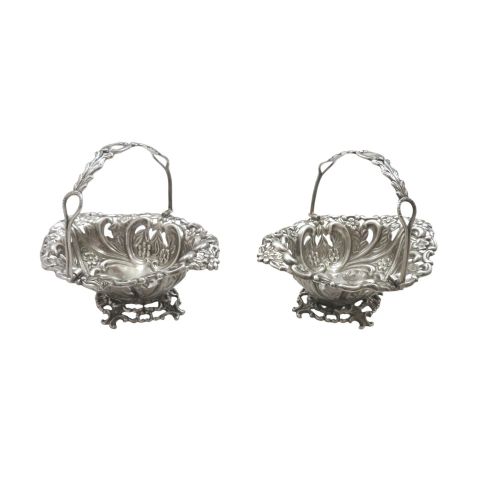
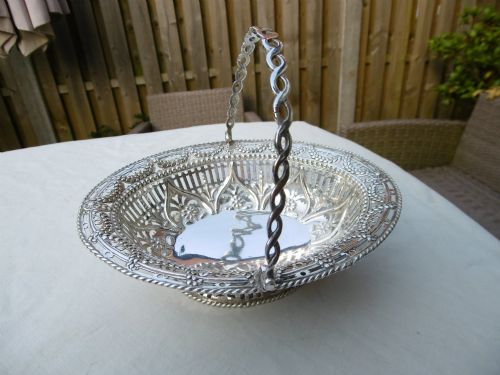
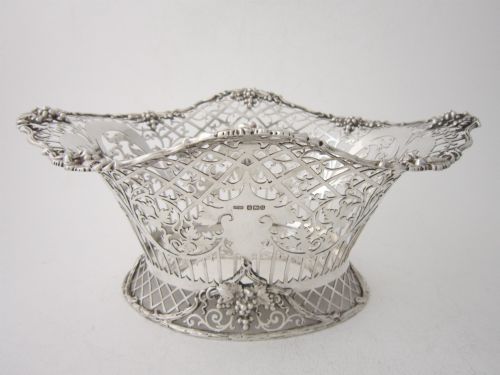
The category encompasses bonbon dishes, sugar baskets, swing-handled baskets, tazzas, and small bowls, often accompanied by glass liners or designed with pierced lattice work.
Origins stretch across English provincial and capital assay offices, including Birmingham, Sheffield, Chester, and London, alongside Scottish and Irish Georgian pieces.
How they were made
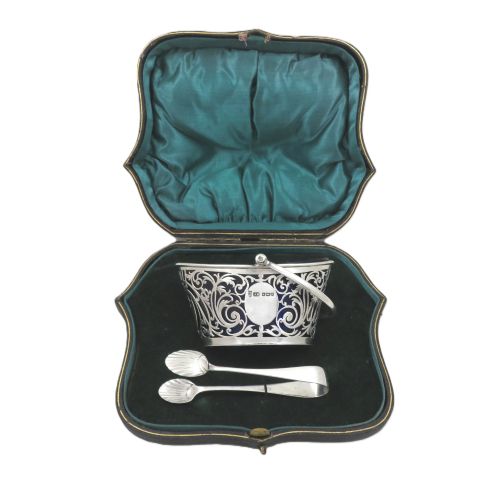
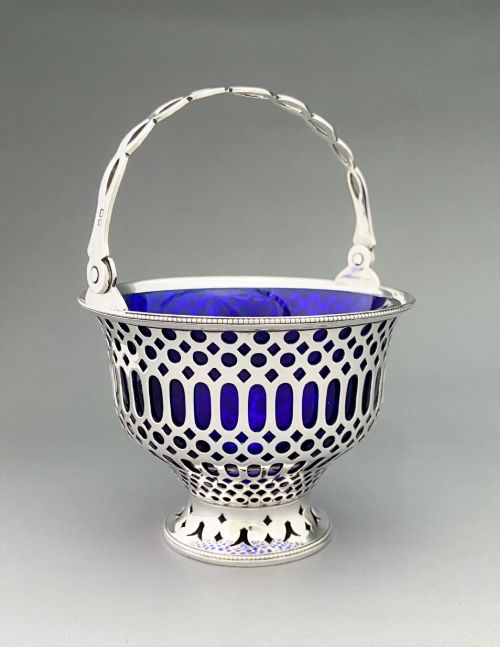
Silversmiths utilised sterling silver alongside coloured glass inserts such as cranberry, ruby, and cobalt glass, or incorporated velvet elements for fitted cases.
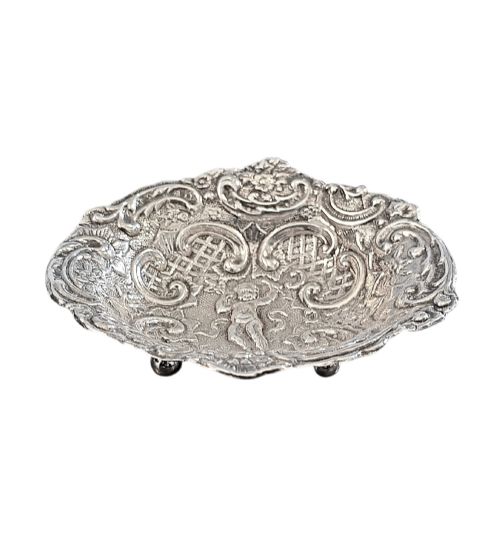
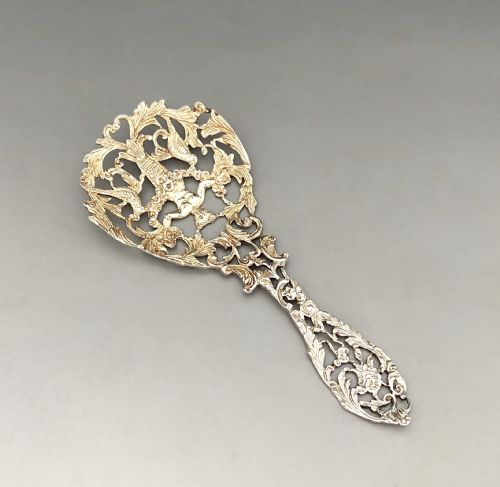
Techniques relied upon piercing, embossing, casting, and hand-raising, creating openwork lattice designs and cast floral handles on pedestal bases.
Sterling Silver Sweetmeat Retail Price Guide 2026
Typical asking prices for sterling silver sweetmeat among the pieces listed under this phrase on Sellingantiques today, from the lower quarter to the upper quarter. They describe what is for sale here now, not the wider market.
Some Victorian bonbon dishes feature cheerful cherubs gazing out from pierced silver rims, watching over the sugar.
What varies in quality
Distinction across the range rests upon the crispness of pierced detailing and the substantial nature of cast elements like handles and feet.
Makers employing intricate embossed patterns or retaining original coloured glass liners demonstrate a higher standard of period execution.
William Aitken·Mitchell Bosley & Co·Viners & Co·Thomas Bradbury & Sons·Aldridge & Green·Henry Chawner·Charles Boyton·William Comyns·Fenton Brothers·James Deakin & Sons·William Bond
The Sterling Silver Sweetmeat Glossary
- Bonbon dish
- A small vessel intended for holding sweets or confectionery. These often feature pierced decoration or resting feet.
- Sugar basket
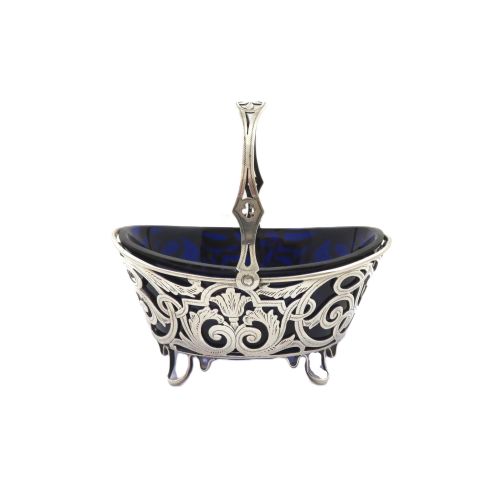
- A small basket with a swing handle, frequently paired with a glass liner. These date predominantly from the Georgian and Victorian periods.
- Pierced
- A technique of cutting decorative openwork patterns through the silver plate. This creates intricate lattice or geometric motifs.
- Tazza
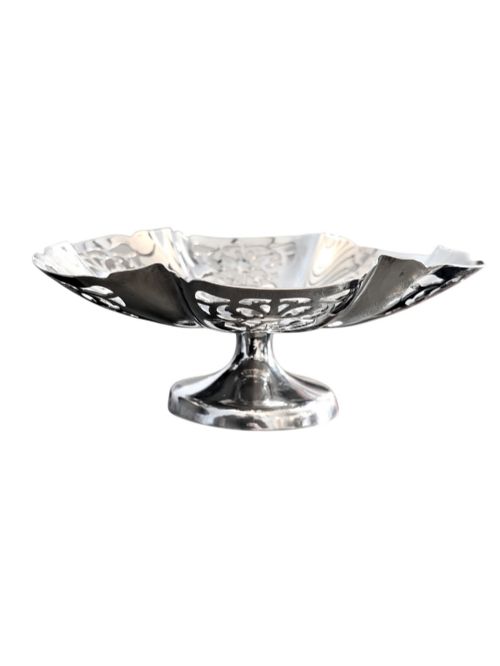
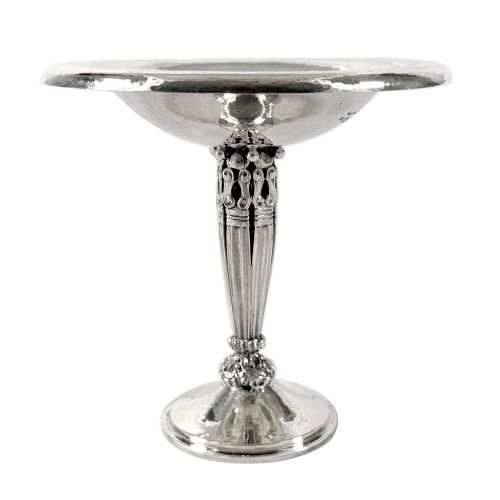
- A small pedestal dish raised on a single foot. They function as sweetmeat or dessert stands.
- Quaich
- A traditional two-handled drinking vessel adapted in silver during the Edwardian era. It serves as a distinct form of small bowl.
Sterling Silver Sweetmeat: Frequently Asked Questions
What is a sweetmeat dish used for?
These vessels originally held small sweetmeats, sugar plums, or confectioneries served after formal meals. They sat centrally on tables or were passed among guests.
Over time, their domestic function shifted toward decorative display while retaining their original form and silver craftsmanship.
Why do some baskets have glass liners?
Coloured glass liners in cranberry, ruby, or cobalt protected the silver from sticky residues left by moist confectionery and sugar. They also added visual contrast through pierced silver lattices.
Original liners remaining intact with their matching baskets are valued components of these antique sets.
What is the difference between a tazza and a bonbon dish?
A tazza stands upon a distinct central foot or pedestal, elevating the shallow bowl above the tabletop. Bonbon dishes typically rest directly on small feet, flat bases, or lack feet entirely.
Both forms served sweetmeats but utilised different structural silhouettes during the Victorian and Edwardian periods.