
Sterling Silver Serviette Holder
A sterling silver serviette holder brings daily dining traditions of the Victorian, Edwardian, and George V periods to the modern table.
Sterling Silver Serviette Holder
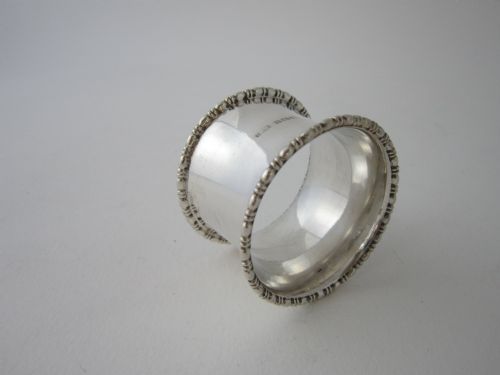
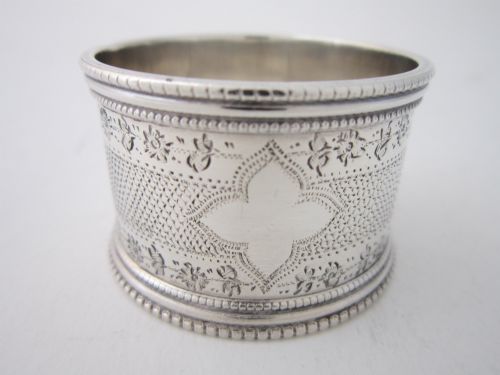
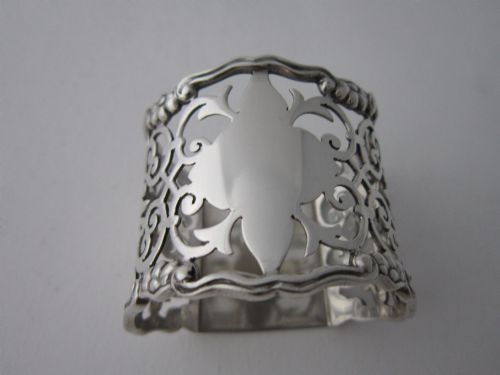
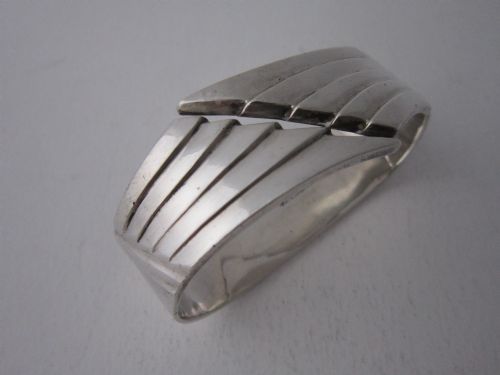
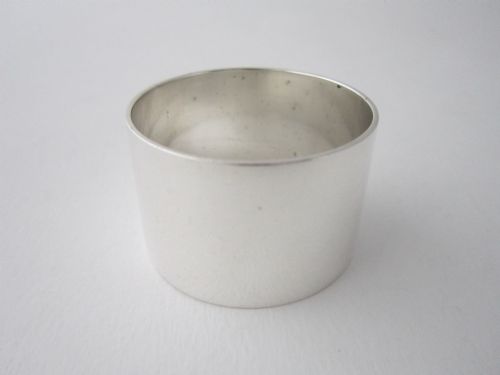
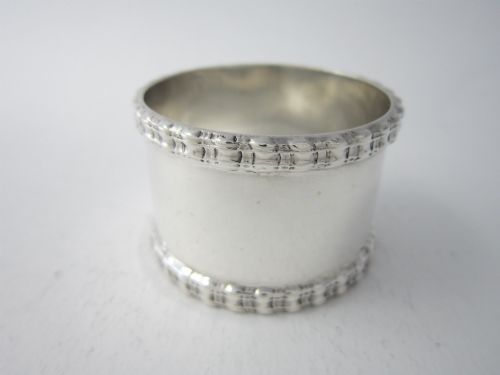
A sterling silver serviette holder, commonly found as a napkin ring or napkin clip, serves to identify individual table linens during formal meals. Most examples encountered in this collection date from the late Victorian, Edwardian, and George V periods.
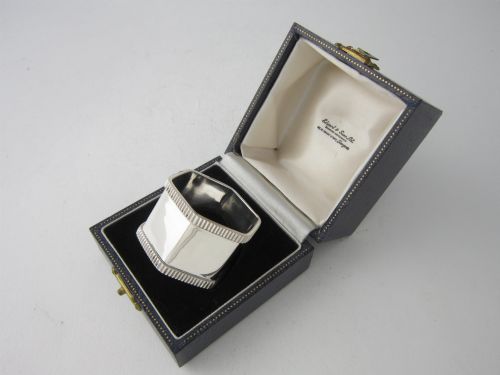
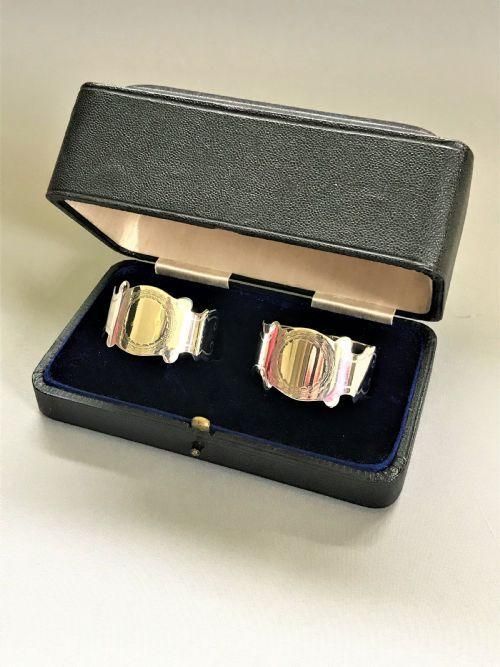
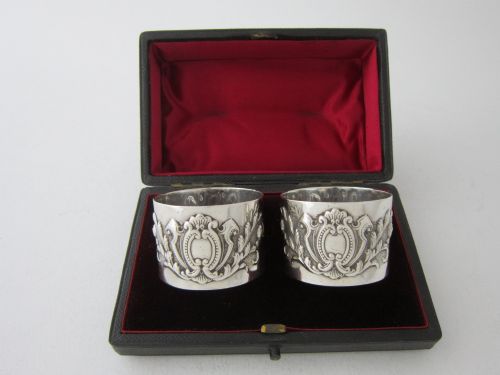
Forms range from single rings and matched pairs to cased sets of six, often constructed in circular or novelty shapes. Makers utilised styles spanning Arts and Crafts, Art Deco, and Mid-Century Modern designs.
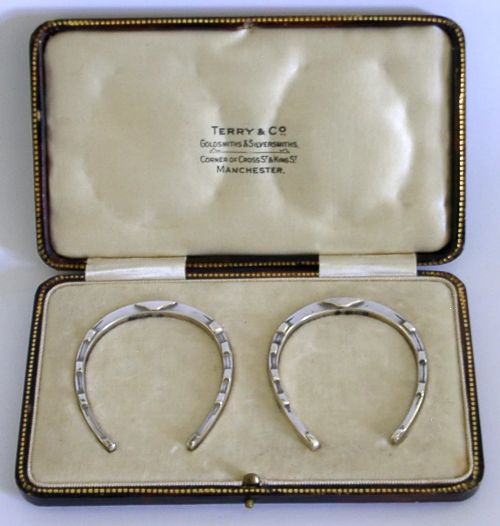
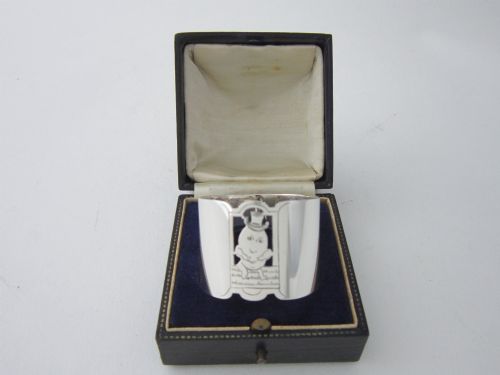
Originating predominantly from British silversmiths, these items frequently appear alongside fitted presentation boxes lined with silk or velvet.
Materials and technique
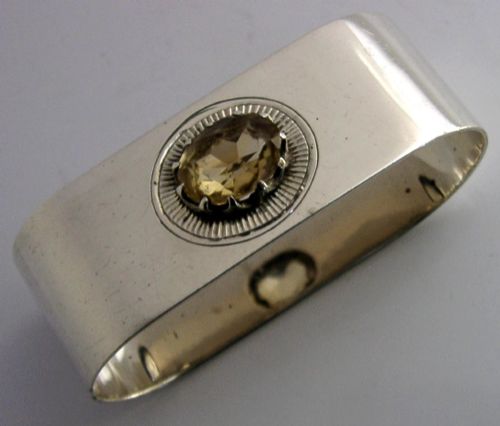
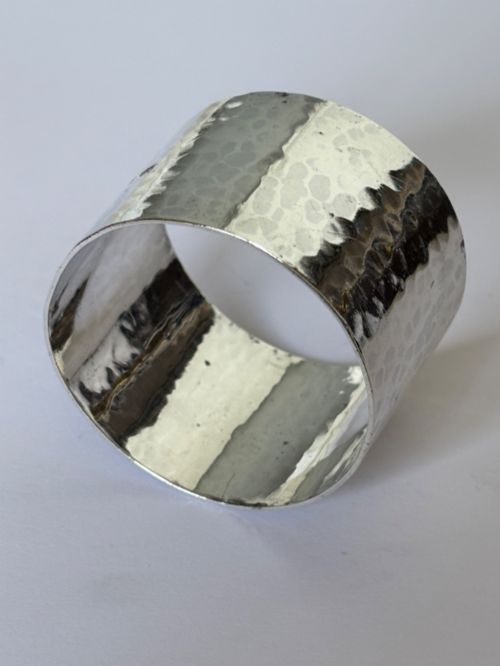
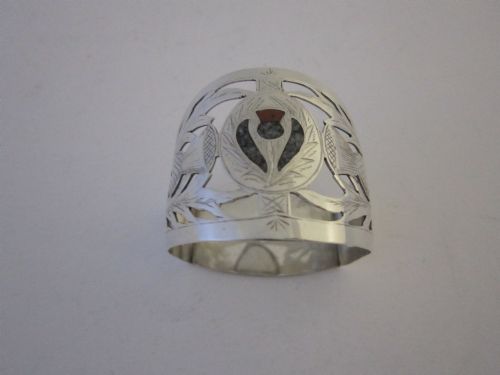
Silversmiths formed these napkin rings using solid sterling silver, occasionally applying silver gilt or incorporating supplementary materials such as enamel, agate, and citrine. Hammered textures and guilloche patterns reveal specific workshop techniques.
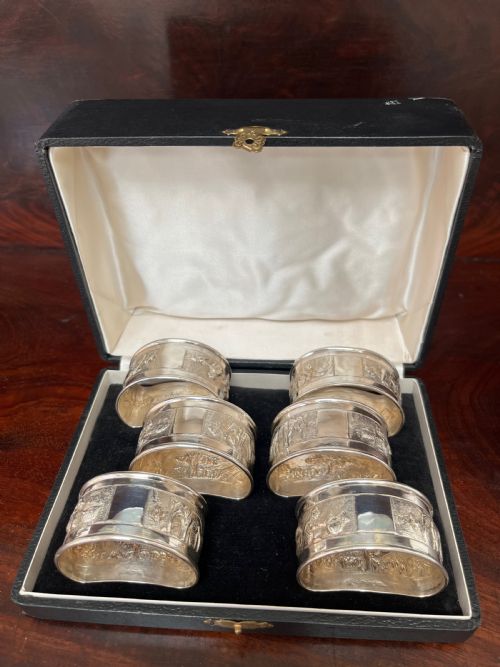
Presentation packaging employed protective outer layers of leatherette housing interior beds of silk and velvet to cradle the silver.
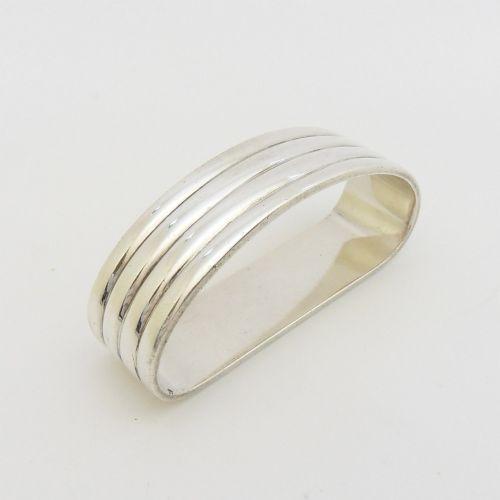
A gleaming silver horseshoe ring awaits the table, promising good fortune with every single folded serviette.
Distinguishing quality
The standard of a sterling silver serviette holder rests upon the weight of the metal and the clarity of the Birmingham, Chester, or London hallmarks. Substantial gauge silver maintains structural integrity against daily use.
Distinction arises from decorative execution, separating plain bands from items featuring hand-hammered surfaces, applied enamel work, or novelty forms by notable makers.
Albert Edward Jones·R. E. Stone·Georg Jensen·Hermes, Paris·C. T. Burrows & Sons·Liberty & Co·Mappin & Webb·Guild of Handicraft·David Andersen·Henry Wilkinson
The Sterling Silver Serviette Holder Glossary
- Sterling silver
- An alloy comprising ninety-two point five percent silver and seven point five percent other metals, typically copper. This standard composition provides durability for domestic tableware.
- Hallmark
- A series of official marks stamped on precious metals indicating the maker, assay office, standard of purity, and date of assay. These stamps allow precise dating of British silver.
- Serviette holder
- A domestic table accessory designed to contain a cloth napkin. These take the form of rigid rings or spring clips.
- Silver gilt
- Silver covered with a thin layer of gold on its surface. This technique produces a two-tone decorative effect.
- Guilloche
- A decorative technique in which a precise, intricate pattern is mechanically engraved into a metal surface. Enamel is frequently applied over this engraving for translucent depth.
Sterling Silver Serviette Holder: Frequently Asked Questions
How were napkin rings used?
Napkin rings marked individual places at the family dining table between weekly laundering cycles. Each household member retained their designated ring for successive meals.
Servants or hosts placed them beside the cutlery before dinner commenced.
What is a napkin clip?
A napkin clip secures a serviette to clothing by gripping the fabric with a spring mechanism. Diners tucked these at the collar or lapel.
They functioned as a wearable alternative to table-placed napkin rings.
How do I date a silver napkin ring?
Dating relies upon the stamped assay office mark, standard mark, and date letter. Each British office utilised a specific sequence of alphabet cycles.
Stylistic cues such as Edwardian filigree or Art Deco geometry also indicate the period.
Are cased sets common?
Cased sets of four or six appear frequently in Edwardian and George V silver production. Manufacturers housed these in hinged boxes lined with velvet or silk.
Such sets served as wedding gifts or presentation pieces.