





Sterling Silver Salt Pots
These sterling silver salt pots bring refined historical craft to the dining table through enduring Victorian, Edwardian and mid-century forms.
Sterling Silver Salt Pots
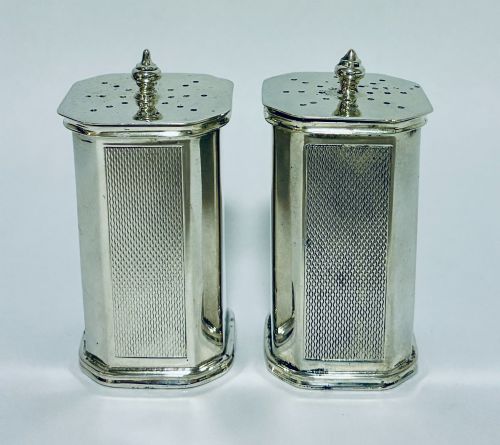
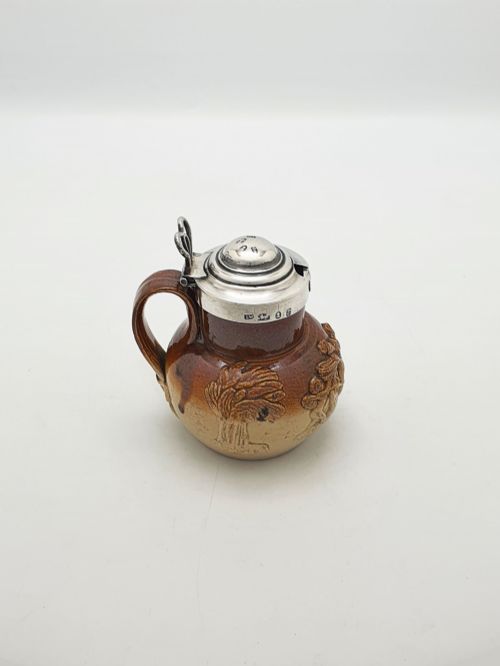
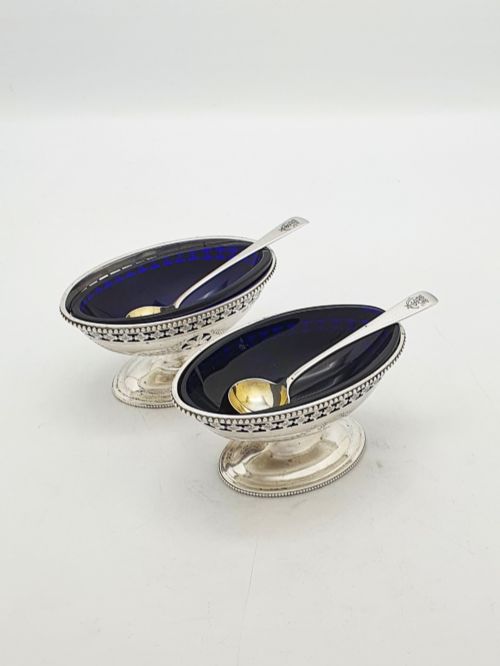
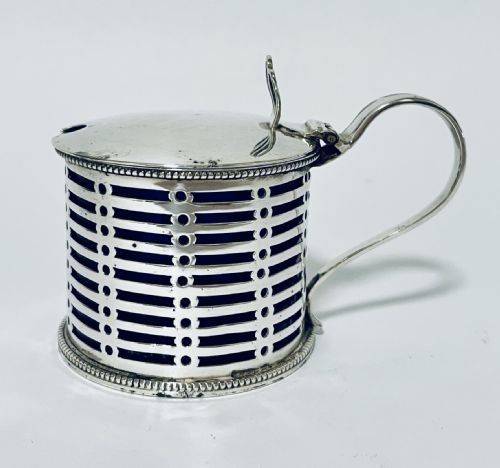
Sterling silver salt pots encompass open salt cellars, shaker pots and mustard vessels designed for formal dining across multiple centuries. These tablewares emerge frequently in Victorian, Edwardian and mid-century styles, reflecting changing domestic habits from large cruet sets to individual cellars.
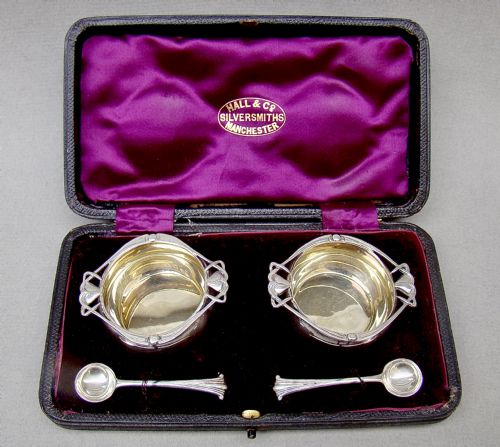
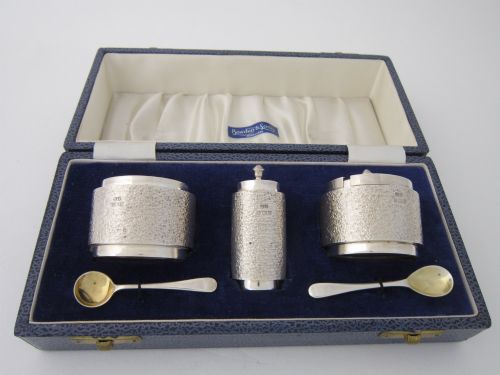
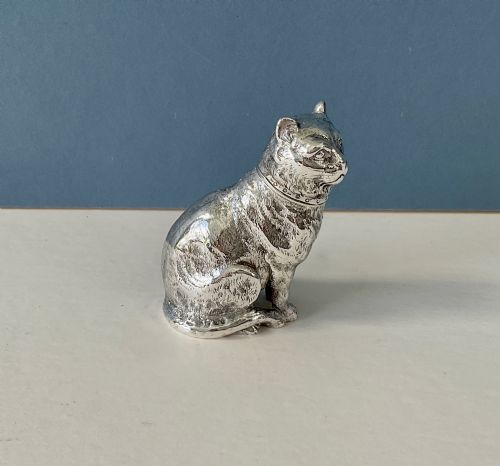
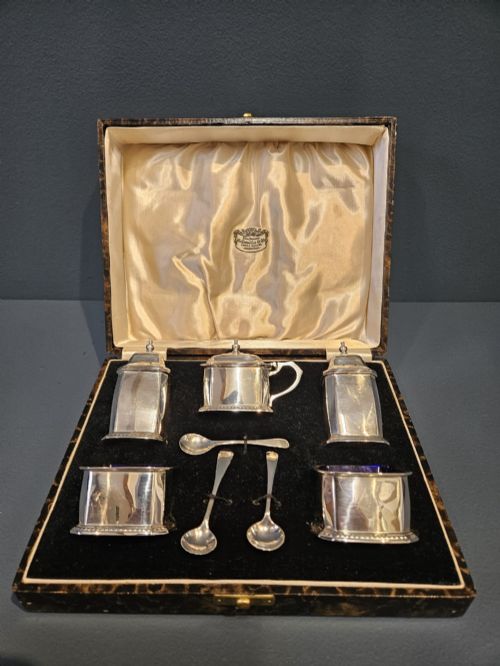
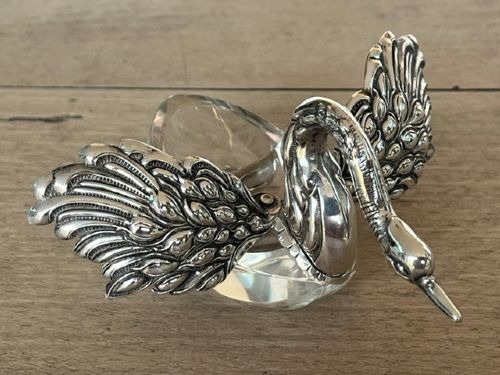
Buyers encounter open glass-lined cellars alongside figural novelty pieces shaped as birds, cats, dogs and figures. The selection includes complete matched cruet sets housed in original presentation boxes as well as individual condiment pots.
Materials and Technique
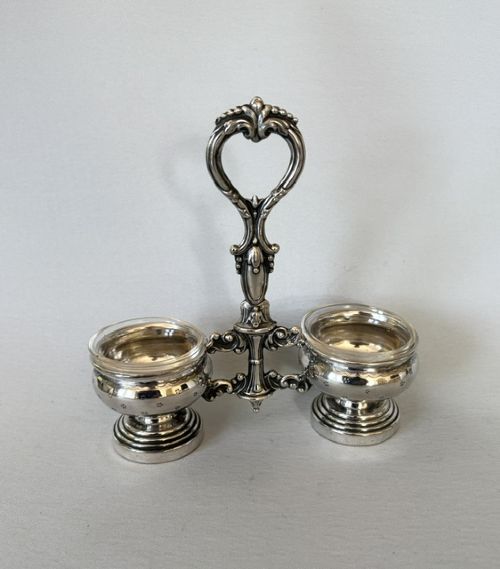
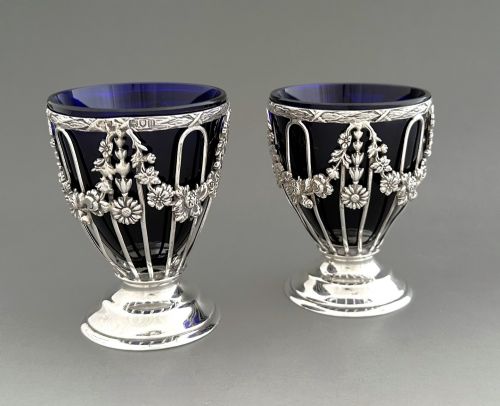
Silversmiths constructed these vessels from sterling silver, employing techniques such as piercing, casting and wirework to shape metal into tubs, frames and figurative models. Many open cellars incorporate fitted glass liners in cobalt blue or clear cut glass, held securely within pierced or solid silver mounts.
Makers often lined presentation interiors with velvet or satin to cushion matched sets of spoons and pots. Surface decoration relies on hand-chased detailing, engraved motifs and figural modeling rather than applied colour.
Sterling Silver Salt Pots Retail Price Guide 2026
Typical asking prices for sterling silver salt pots among the pieces listed under this phrase on Sellingantiques today, from the lower quarter to the upper quarter. They describe what is for sale here now, not the wider market.
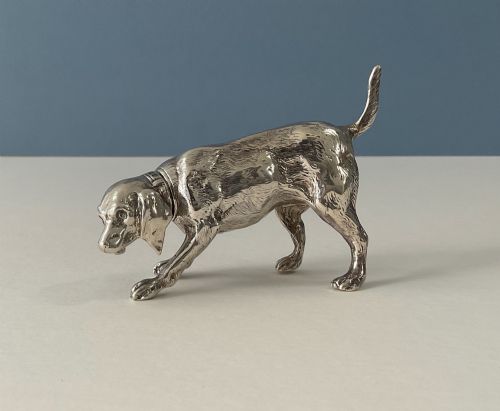
Dining tables gained personality through whimsical silver creatures, allowing Victorian guests to pass Mr Punch's dog Toby alongside the salt.
Evaluating Quality
The distinction between standard tablewares and superior examples rests upon the crispness of hand-finishing and the complexity of design. Figural novelty pieces demonstrate greater artisan skill through anatomical detail in animal models like owls and chicks compared to simple domestic pots.
The presence of matching liners, original fitted presentation boxes and clear hallmarks elevates the standing of individual sets. Architectural casting and balanced proportions distinguish finer French and English cruet stands from routine production.
Goldsmith & Silversmith's·William Neale·Bricks & Sons·Wilmot Manufacturing Co·Sampson Mordan·Viners
The Sterling Silver Salt Pots Glossary
- Cruet set
- A matched collection of condiment bottles, salt cellars and pepper pots held together in a metal frame or stand. These sets formed an essential part of formal dining arrangements.
- Salt cellar
- An open vessel used to hold salt at the table before the invention of the shaker. They frequently feature removable glass liners to protect the silver from corrosion.
- Novelty pepper
- A condiment pot cast in a whimsical shape, such as an animal, bird or figure. Victorian and Edwardian makers produced these in large numbers.
- Wirework
- Metal manipulated into open frameworks of thin welded strands. This technique created lightweight, airy condiment tubs and stands.
- Hallmark
- Official stamps struck into precious metals to indicate purity, place of origin and the year of manufacture. These marks guide the identification of period items.
Sterling Silver Salt Pots: Frequently Asked Questions
How do I use open salt cellars safely?
Open salt cellars require a small salt spoon to transfer seasoning to the plate rather than fingers. This prevents moisture and oils from contaminating the silver surface.
After use, rinse the interior promptly, especially when using cobalt glass liners, to prevent salt corrosion on the metal.
What is the difference between a cruet and a condiment set?
A cruet set traditionally houses oil, vinegar, mustard and pepper bottles within a dedicated metal frame or stand. Condiment sets generally group salt cellars, mustard pots and pepper shakers together.
Both formats appear frequently in Victorian and mid-century dining arrangements.
How should I clean silver salt pots?
Wash silver pots gently in warm soapy water using a soft cloth, removing glass liners beforehand. Avoid harsh abrasive dips that strip away patination from older pieces.
Dry thoroughly with a soft lint-free towel to maintain the polished finish on Victorian and Edwardian surfaces.
Are novelty pepper pots functional?
Novelty peppers shaped as animals or figures function as working shakers through a removable base plug or a perforated head. Many retain their original operational mechanism beneath the figural cast.
Collectors display them as cabinet items as well as utilising them during formal meals.