




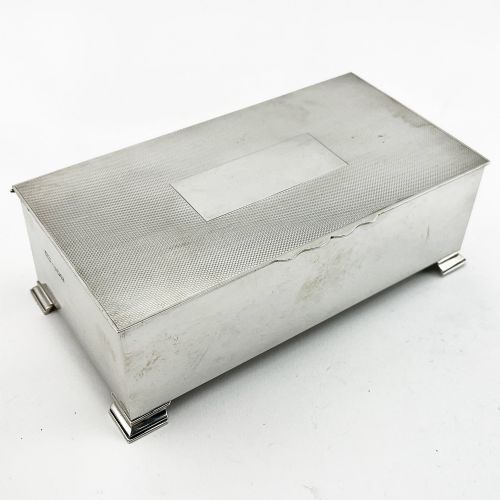
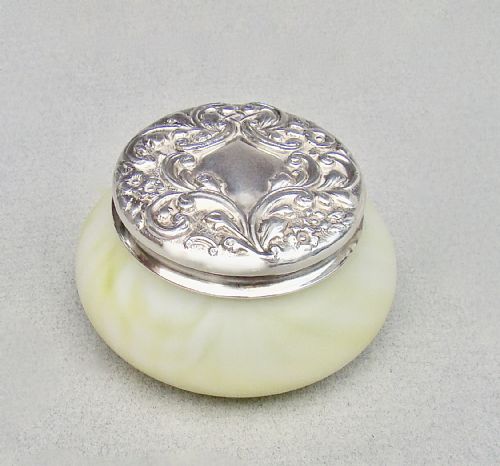
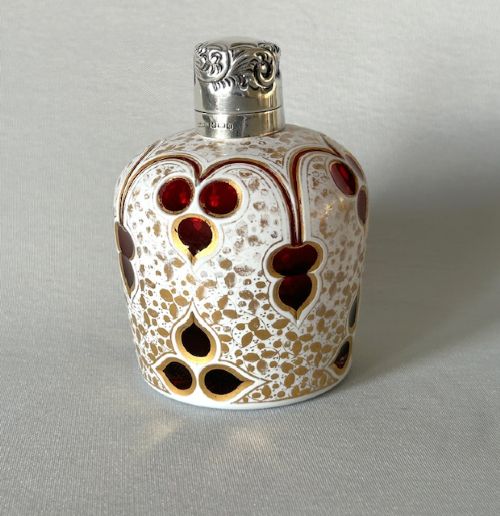
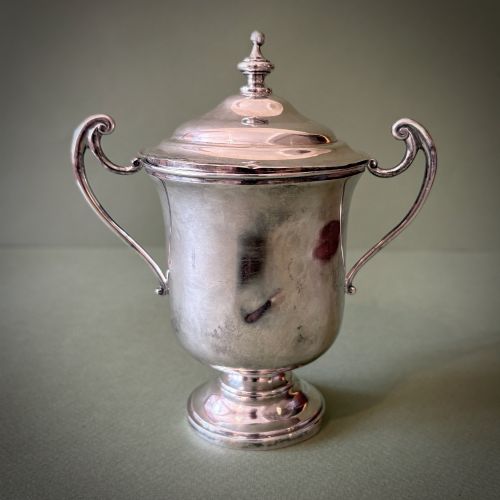
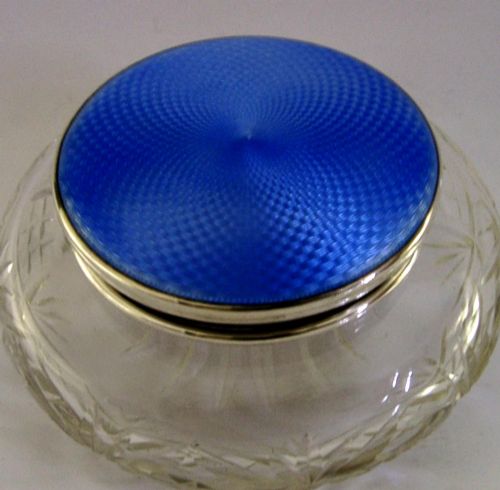
Sterling Silver Lid
When you search for a sterling silver lid, you are looking at functional metal closures paired with glass, ceramic, and crystal containers from the Georgian to the Art Deco periods.
Sterling Silver Lid
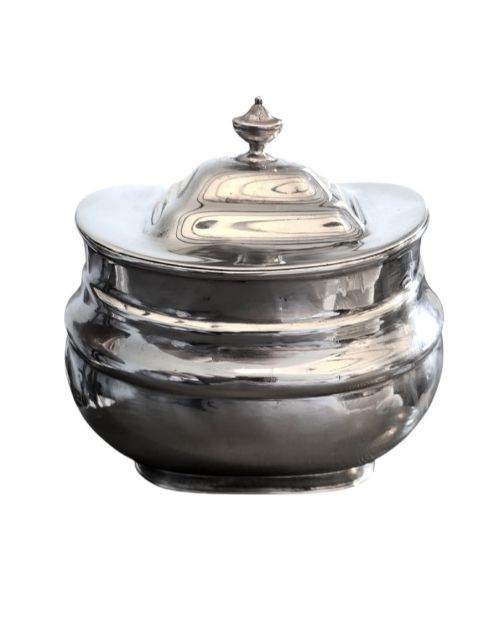
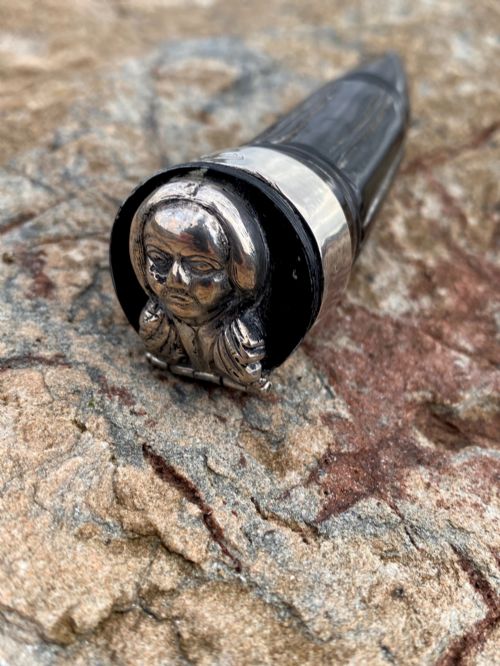
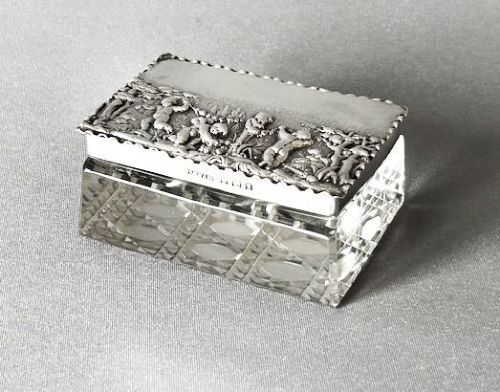
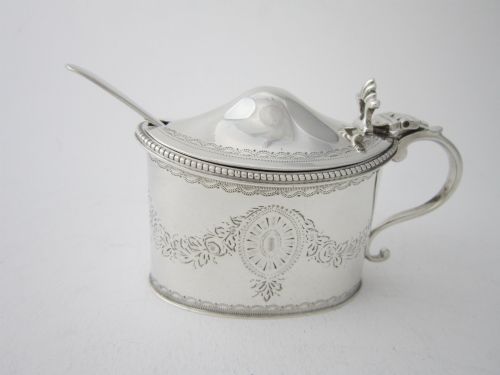
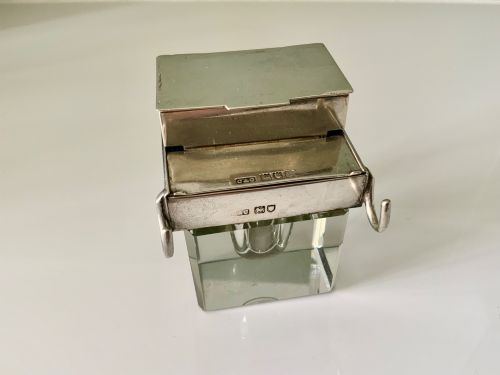
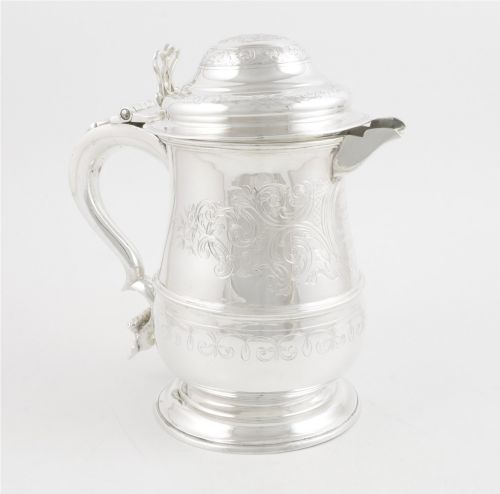
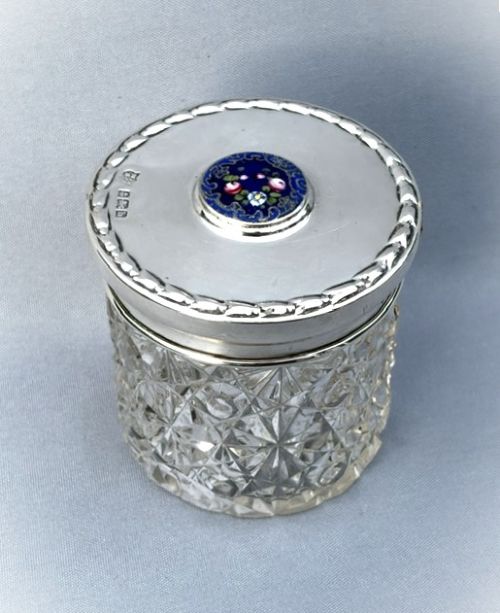
A sterling silver lid crowns a wide array of historical vessels, ranging from dressing table jars and trinket boxes to mustard pots, tankards, and whisky noggins. You will frequently encounter Edwardian and Victorian examples where a gleaming silver top caps cut glass, satin glass, or enamel bodies.
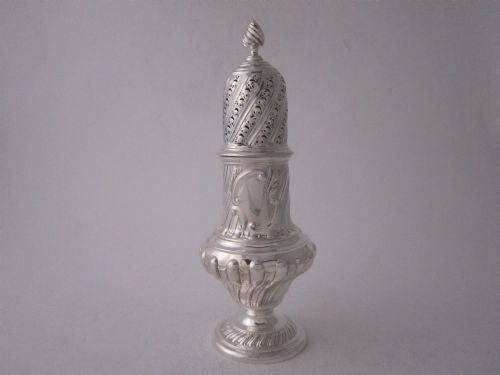
The objects span centuries of domestic life, taking forms such as sugar casters, tea caddies, scent bottles, and pill boxes. Many items combine sterling silver with contrasting materials like mother-of-pearl, porcelain plaques, and stoneware to create decorative desktop and vanity accessories.
Makers utilised the malleability of silver to produce hinged, fitted, and pull-off covers across George III, Victorian, and later twentieth-century styles. These pieces served practical roles in holding condiments, spirits, cosmetics, and small valuables.
How they were made
Silversmiths shaped sterling silver through hammering, casting, and repoussé work, often mounting the completed lids onto bodies of cut glass, cranberry glass, and ceramic. Hinges, collars, and bezels required precise engineering to ensure a snug fit on jars, noggins, and boxes.
Decorative techniques on the metal and accompanying bodies included hand-painting on porcelain plaques, applying coloured enamel, and executing intricate Art Nouveau or Baroque Revival motifs. Makers marked their creations with hallmarks indicating the city of assay, year, and silversmith.
Sterling Silver Lid Retail Price Guide 2026
Typical asking prices for sterling silver lid among the pieces listed under this phrase on Sellingantiques today, from the lower quarter to the upper quarter. They describe what is for sale here now, not the wider market.
The listings show items spanning the Georgian, Victorian, Edwardian, and Art Deco periods, incorporating materials such as enamel, porcelain, and glass.
What varies in quality
Quality rests in the weight of the silver, the crispness of the chasing, and the integrity of the hinge mechanism. Superior pieces maintain a balanced relationship between the metal top and the glass or ceramic body, without loose fittings or misaligned closures.
The presence of artistic enhancements such as fine guilloché enamel, hand-painted plaques, or complex multi-compartment internal designs elevates a piece beyond utilitarian wares. Maker attribution to established silversmiths also distinguishes exceptional items.
A. J. Pepper & Co·A. Bromet & Co·Charles & George Fox·John Payne·Tiffany & Co·William Eaton·Robert Hennell I·Hukin & Heath·Hasset & Harper
The Sterling Silver Lid Glossary
- Sterling silver
- An alloy containing a high proportion of pure silver, traditionally marked to guarantee standard purity. It forms the primary metal for the lids and mounts found on these vessels.
- Whisky noggin
- A small vessel designed for pouring spirits, typically featuring a glass body and a sterling silver hinged lid or collar. These items often include a small pouring lip and a sturdy handle.
- Trinket box
- A small container utilised for storing jewellery and keepsakes, frequently topped with an ornate silver lid. They appear in glass, porcelain, and metal.
- Sugar caster
- A perforated container used for sprinkling sugar over food, fitted with a pierced removable top. Victorian and Georgian examples often pair a substantive silver body with a secure matching lid.
- Hallmark
- An official stamp applied to precious metals indicating the maker, assay office, and year of production. These marks provide a secure method for dating antique silver.
Sterling Silver Lid: Frequently Asked Questions
How were sterling silver lidded jars used?
These vessels sat upon dressing tables and sideboards to hold cosmetics, pins, powders, and sweetmeats. Their decorative lids protected the contents from dust while displaying the wealth and taste of the owner.
Over time, they transitioned from functional dressing room accessories to collectible display pieces appreciated for their craftsmanship and material combination.
How do I care for antique silver lids?
Gentle cleaning with a soft cloth removes tarnish without wearing down the underlying metal or damaging adjacent enamel and glass elements. Avoid harsh abrasive dips that strip away historical patina.
Store the items in stable humidity conditions away from direct sunlight to preserve delicate components like mother-of-pearl inlays and painted porcelain plaques.
What is a whisky noggin?
A whisky noggin is a small personal decanter used for individual servings of spirits, popular in the nineteenth and early twentieth centuries. They feature a glass base paired with a hinged silver lid and a sturdy handle.
These pieces were common in gentlemen's studies and hospitality trays, offering a convenient measure of liquor alongside water jugs.
How can I tell the period of a piece?
Examining the hallmarks stamped into the silver reveals the exact assay office and year of manufacture. Stylistic indicators, such as Art Nouveau curves or Georgian proportions, offer additional clues.
The materials used for the body, including cut glass, stoneware, or satin glass, also align with specific manufacturing decades.