

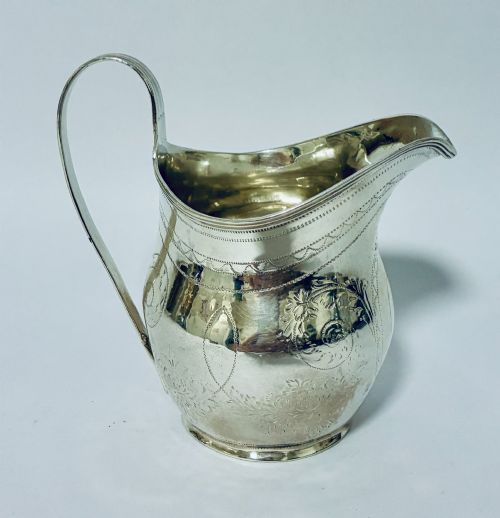
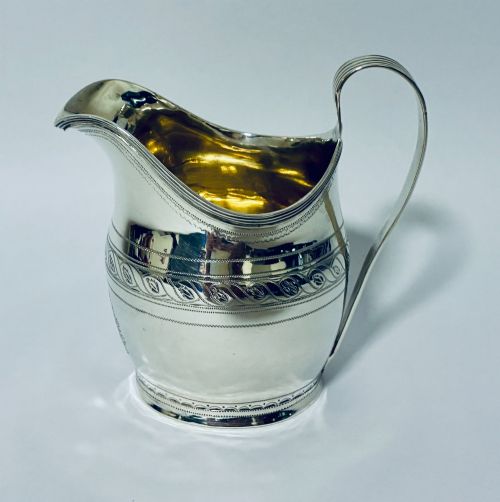

Sterling Silver Hollowware
Sterling silver hollowware comprises three-dimensional table vessels and containers spanning the Georgian, Victorian, and later periods.
Sterling Silver Hollowware
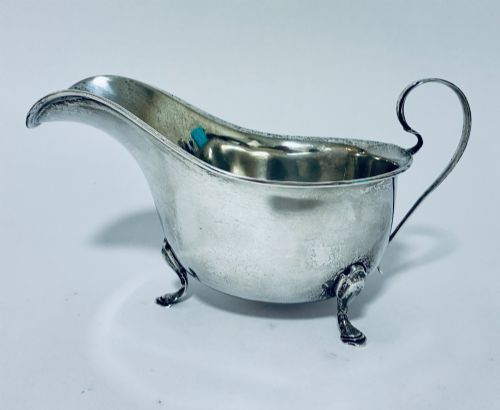
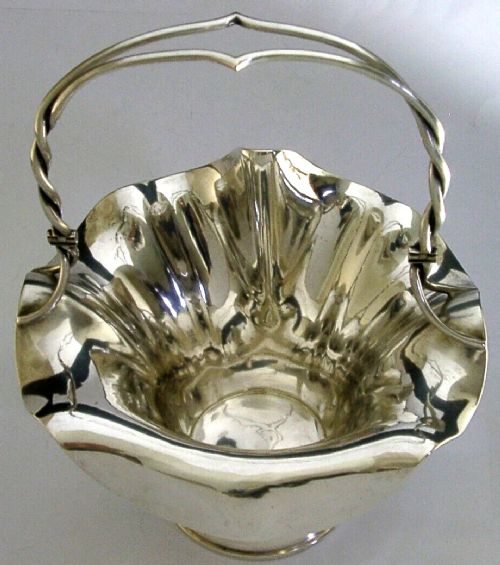
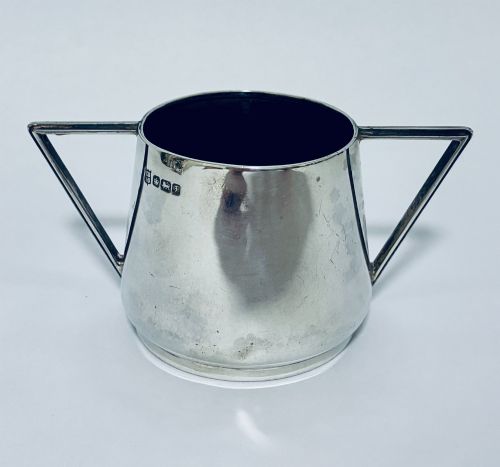
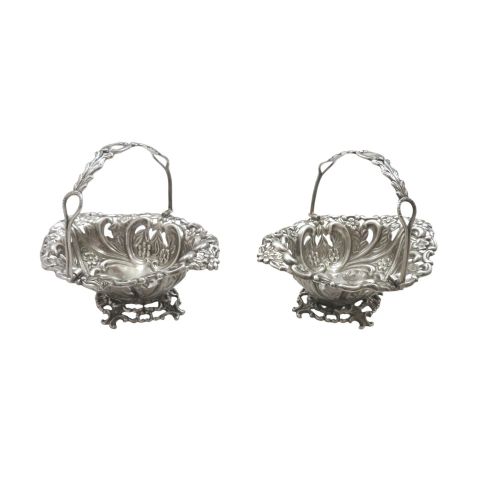
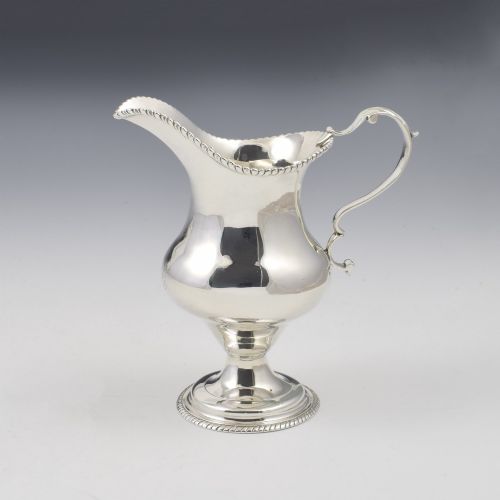
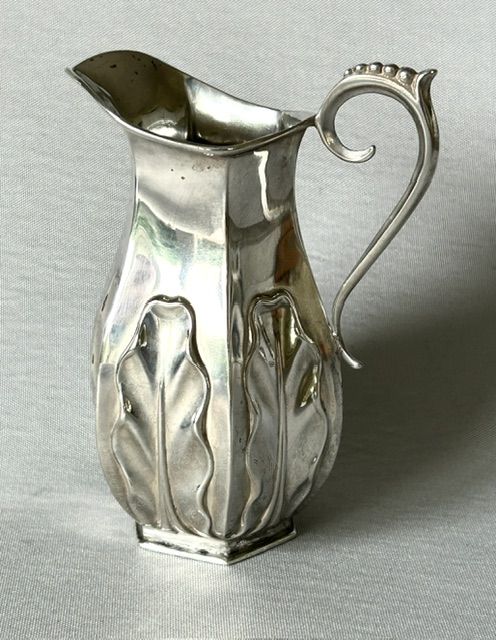
Sterling silver hollowware encompasses functional vessels designed for the table, including teapots, cream jugs, tankards, baskets, and pepper pots. You will frequently encounter domestic utilitarian pieces originating from the Georgian, Victorian, and Edwardian eras.
Makers utilised solid silver alongside silver-gilt and gilt elements, incorporating subsidiary materials such as wood, bone, and gold wash on specific interior or handle components. The forms reflect prevailing design movements ranging from George II and Georgian classicism through to Art Nouveau, Arts and Crafts, and Art Deco styles.
Materials and Construction Techniques
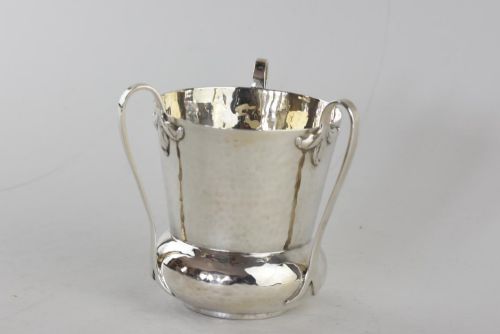
Silversmiths constructed these vessels primarily using solid sterling silver, often shaping bodies through raising, casting, or hammering techniques. Pieces from the Arts and Crafts movement display visible hand-hammered surface textures produced by individual makers.
Many hollowware pieces incorporate applied decoration, piercing, and chased ornamentation executed by hand. Interior surfaces of specific items such as cream jugs, mugs, and sugar bowls frequently feature a gold wash or silver-gilt finish.
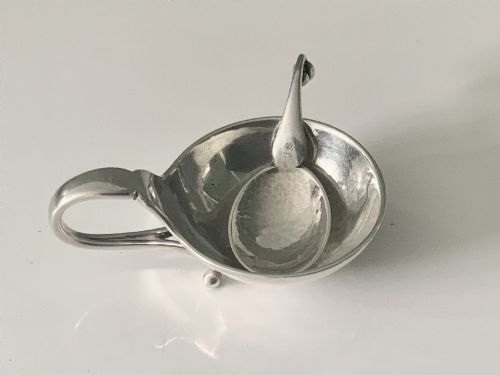
Handles and insulators on teapots and related vessels occasionally incorporate wood or bone to prevent heat transfer during use. Makers also produced paired sets and matching components such as salt cellars paired with specific spoons.
Materials associated with these vessels include wood, bone, and gold wash, supplementing the primary sterling silver construction.
Distinctions in Quality and Execution
Quality rests upon the weight of the metal, the crispness of chased or pierced decoration, and the balance of the vessel's proportions. Heavy gauge silver provides structural rigidity and substance to items like bowls, baskets, and tankards.
Renowned makers and workshops exercised superior precision in assembly, visible in the seamless joining of spouts, handles, and feet. The artistry of hand-hammered surfaces or intricate piercing distinguishes standard domestic production from exceptional studio output.
Charles Edwards·Stalker and Mitchison·Georg Jensen·Paul Storr·Tiffany and Co·JC Moore
The Sterling Silver Hollowware Glossary
- Hollowware
- Table vessels and containers that stand in three dimensions, such as teapots, jugs, and bowls, as distinguished from flatware. This category forms the core of the items seen on this page.
- Silver-Gilt
- Silver objects that have been coated with a thin layer of gold on their surfaces. This technique frequently appears on the interiors of mugs and mustard pots.
- Porringer
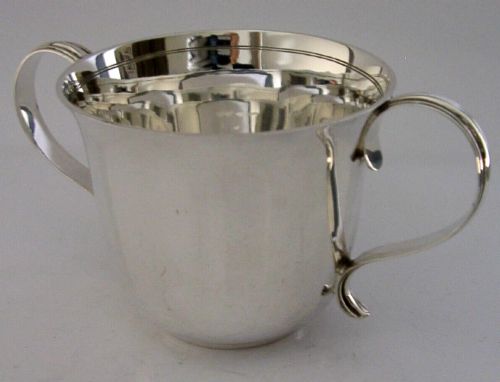
- A small bowl with one or two horizontal flat handles, historically used for porage or broth. These items often double as christening bowls in later periods.
- Caster
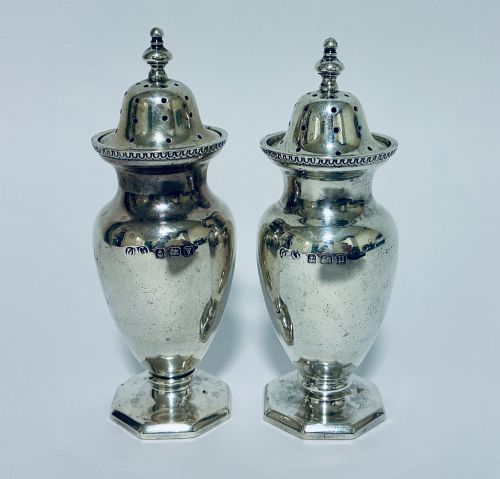
- A small container with a perforated lid used for sprinkling sugar or dry spices onto food. These vessels typically feature tall, baluster-shaped bodies.
- Stilton Scoop
- A specialised utensil featuring a long, curved scoop blade designed for serving cheese. These pieces often incorporate turned bone or wooden handles.
- Pierced
- Metalwork that has been cut through to create openwork patterns and decorative motifs. This technique frequently appears on the galleries of baskets and mustard pot walls.
Sterling Silver Hollowware: Frequently Asked Questions
What is sterling silver hollowware?
Sterling silver hollowware refers to three-dimensional vessels and containers made for domestic use, including teapots, cream jugs, tankards, and mustard pots.
These items span multiple historical periods from the eighteenth century through the Art Deco era and are shaped from solid silver.
How were antique cream jugs used?
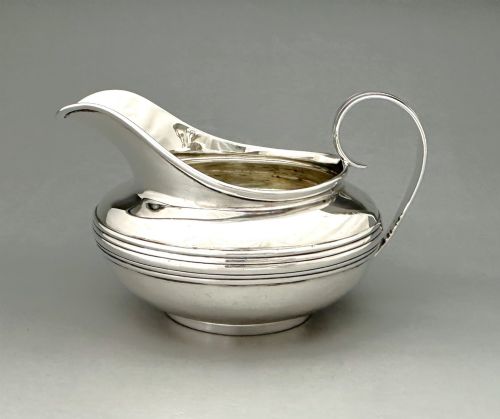
Antique cream jugs served as table vessels for dispensing milk or cream during tea and breakfast service.
They appear in various regional styles across the Georgian and Victorian periods, often matching the design of contemporary teapots.
How do I identify a christening mug?
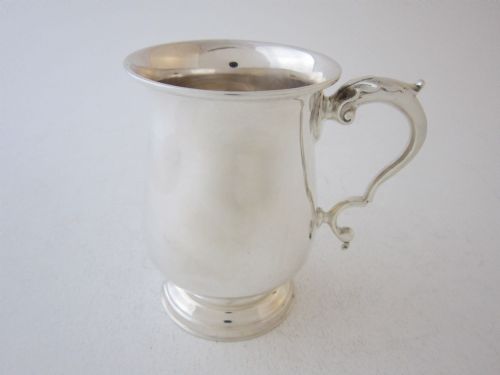
Christening mugs are small handled vessels, often heavier in gauge silver, commissioned to mark the birth or baptism of a child.
They frequently date from the Victorian and George V periods and sometimes feature engraved presentation inscriptions or decorative repoussé work.
What is the difference between a tankard and a mug?
Tankards are tall drinking vessels traditionally fitted with a hinged lid, while mugs are open-topped drinking vessels.
Both forms appear in solid silver across Georgian and Victorian manufacturing periods.