
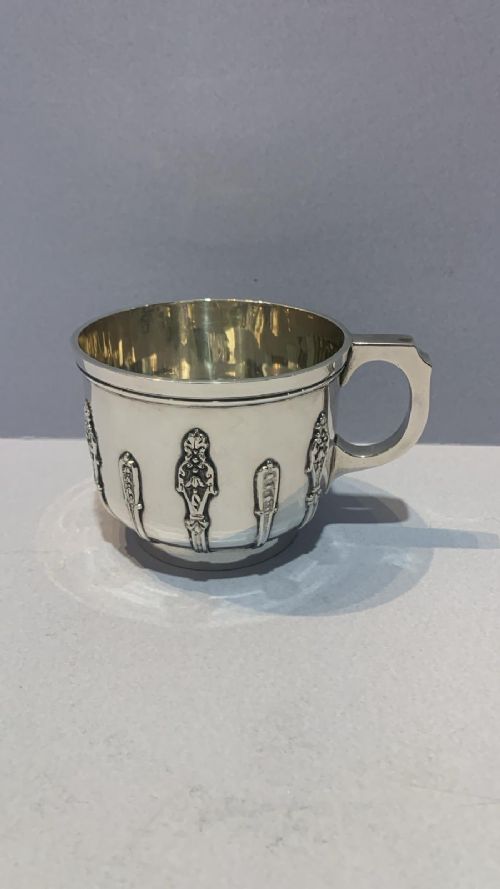


Sterling Silver Christening Gift
A sterling silver christening gift is a traditional heirloom piece intended to mark a child's birth or baptism.
Sterling Silver Christening Gift
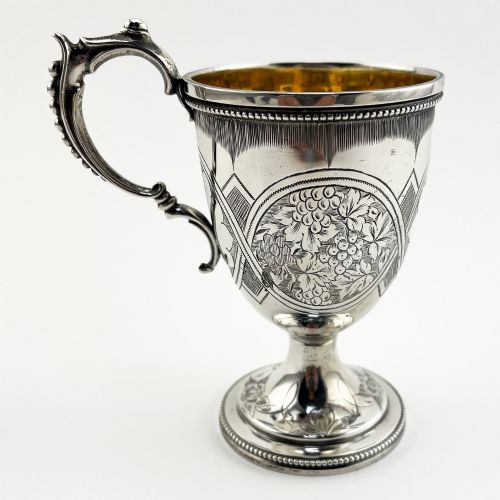
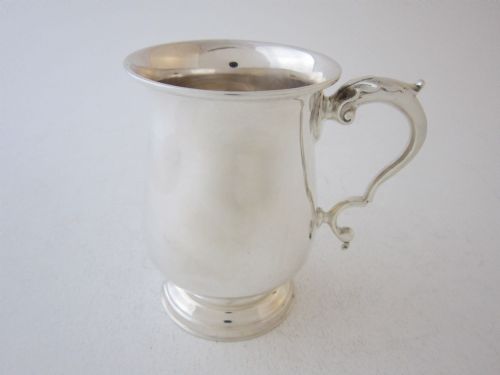
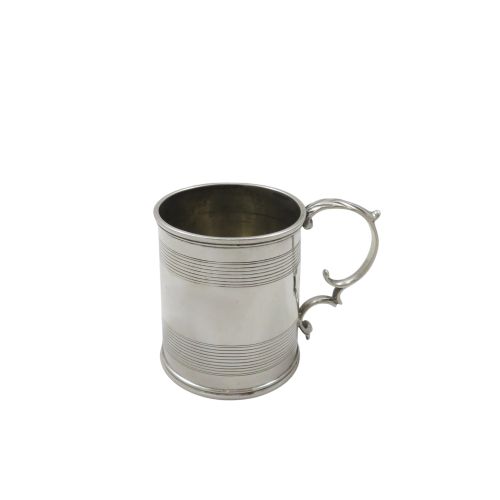
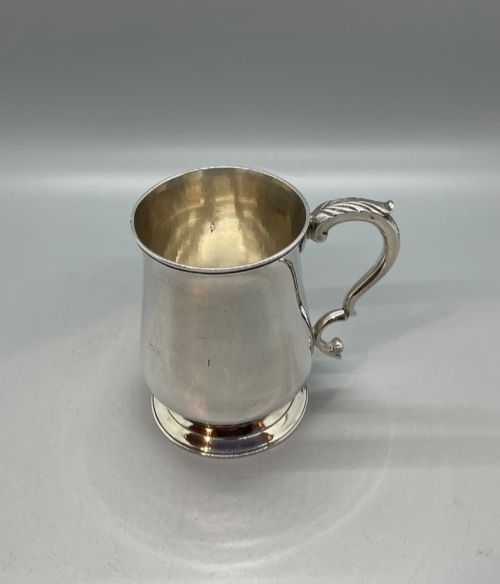
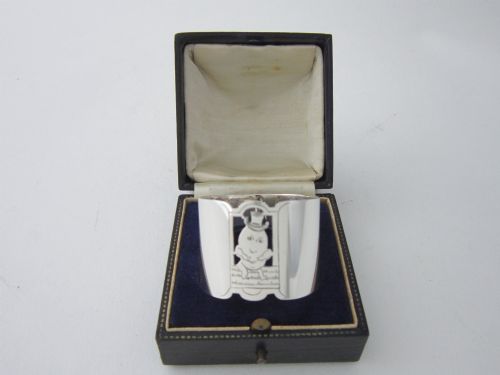
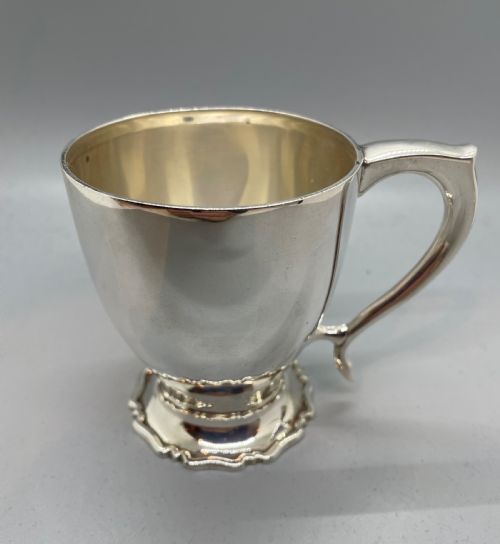
A sterling silver christening gift represents a family tradition of marking an infant's arrival with lasting metalware. You will most frequently encounter christening mugs and tankards spanning the Victorian, Edwardian, and Georgian periods.
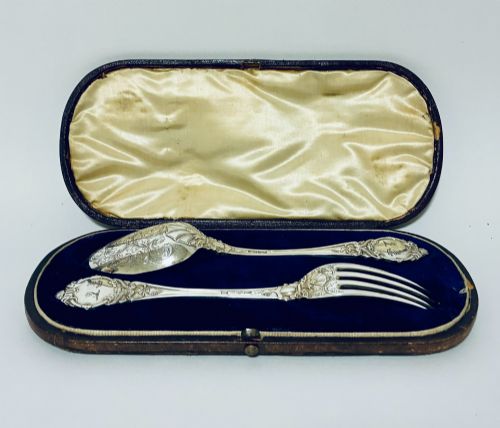
The selection also includes boxed cutlery sets, baby rattles, and porringers designed for daily use or presentation. These items originate from workshops across London, Birmingham, and Sheffield over the past two centuries.
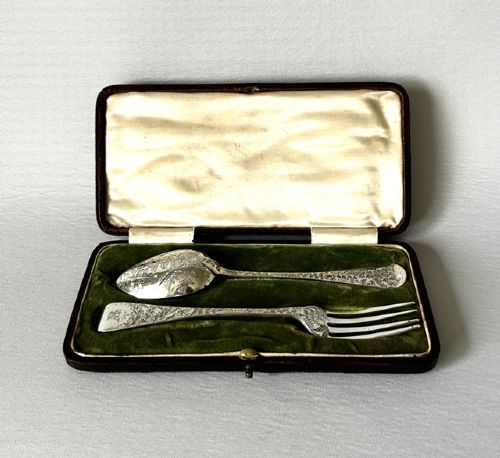
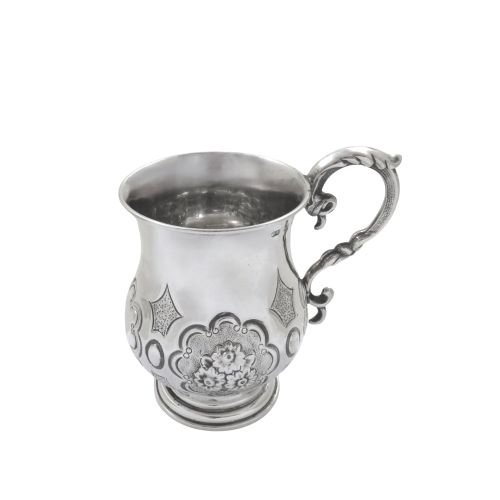
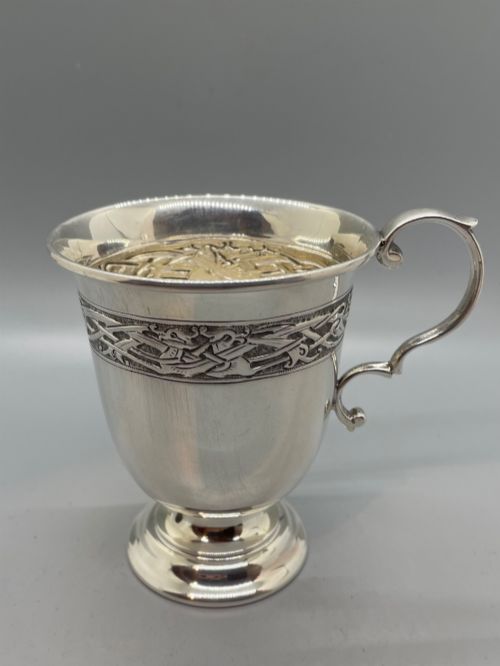
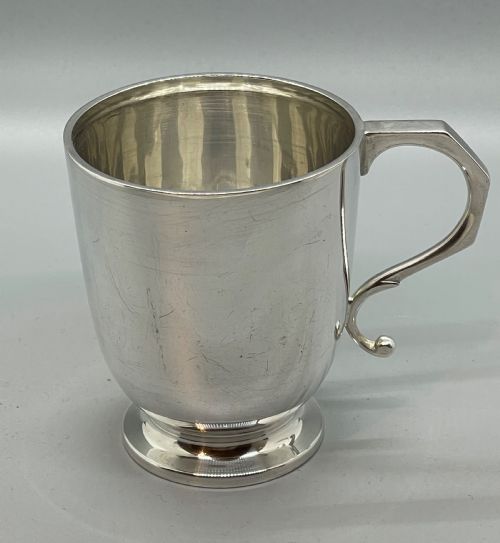
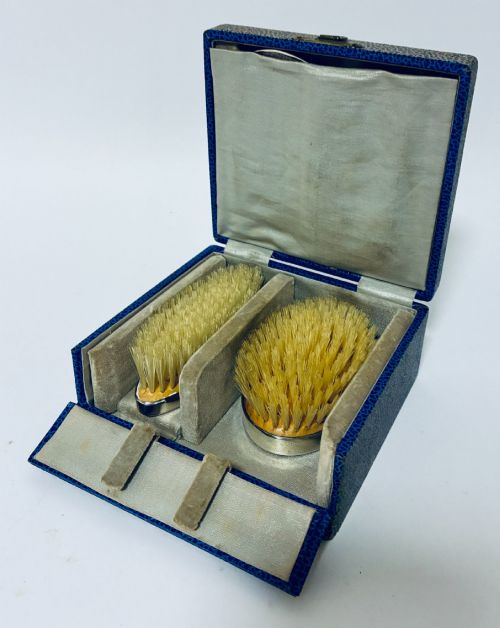
Mugs appear in various forms, from plain circular bowls to baluster shapes with rococo scroll handles. Many pieces survive alongside their original fitted cases lined with velvet, silk, or leather.
How they were made
Silversmiths shaped sterling silver into mugs and bowls using hammering and spinning techniques, often attaching cast handles separately. Rattles and teethers frequently incorporate elements of mother-of-pearl alongside silver bells and whistles.
Decoration relied on hand engraving, floral motifs, and chasing to adorn the exterior surfaces of tankards and cutlery sets. Hallmarks were stamped directly into the metal to record the assay office, city, and year of manufacture.
Several silver rattles double as whistles, ensuring infants could summon attention with maximum volume.
What varies in quality
Quality rests upon the crispness of the hand engraving and the structural weight of the silver. Thicker walls and substantial handles indicate higher manufacturing standards and better survival through generations of handling.
The presence of an original fitted case lined with silk or velvet alters the integrity of the piece. Crisp, legible assay marks and balanced proportions distinguish superior examples from standard production.
R E Stone·Tiffany & Co·William Bateman·George Unite
The Sterling Silver Christening Gift Glossary
- Baluster
- A vase-shaped architectural form with a rounded lower body tapering to a narrow neck, commonly seen on tankards. This profile provides a comfortable grip for small hands.
- Porringer
- A small, shallow bowl with one or two flat horizontal handles, used historically for porridge or broth. These items serve as alternative presentation bowls for infants.
- Hallmark
- An official stamp applied by an assay office to indicate the purity of the metal, the maker, and the year of production. These marks confirm the silver standard.
- Chasing
- A metalworking technique where the silversmith depresses the front surface with punches to create raised designs without removing material. This method decorates mug exteriors.
- Rattle
- A noisemaker incorporating hollow silver bells and a teething handle, often made with integrated coral or mother-of-pearl. These objects entertained infants during earlier centuries.
Sterling Silver Christening Gift: Frequently Asked Questions
How were silver christening mugs used?
Families gave these mugs to mark the birth or baptism of a child as a permanent keepsake. They served practically for daily milk or water during early childhood.
Over generations, many of these pieces transitioned from nursery use into display cabinets. Their durable sterling silver construction allowed them to survive centuries of handling.
How do I identify a Victorian christening mug?
Victorian pieces typically feature hallmarks corresponding to assay offices in London, Birmingham, or Sheffield during the nineteenth century. Stylistic indicators include heavy floral engraving and baluster forms.
Examining the bottom or rim reveals the assay stamps and maker marks. These details anchor the object within the Victorian or earlier Georgian timelines.
What is included in a christening set?
A christening set generally comprises a matched knife, fork, and spoon, sometimes accompanied by a napkin ring or mug. These items were fitted into velvet or silk-lined presentation boxes.
They provided the child with personal dining utensils for nursery meals. Complete boxed sets remain preserved in their original containers.