


Sterling Silver Chain Necklace
When you handle a sterling silver chain necklace, you touch history that spans from Victorian watch chains to mid-century Scandinavian pendants.
Sterling Silver Chain Necklace
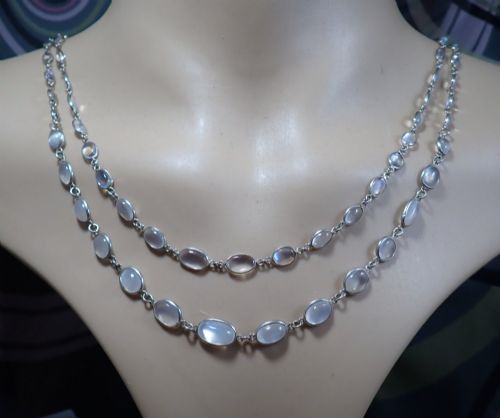
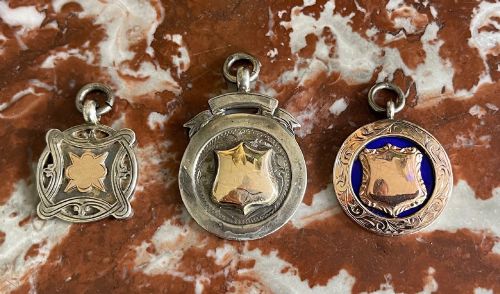
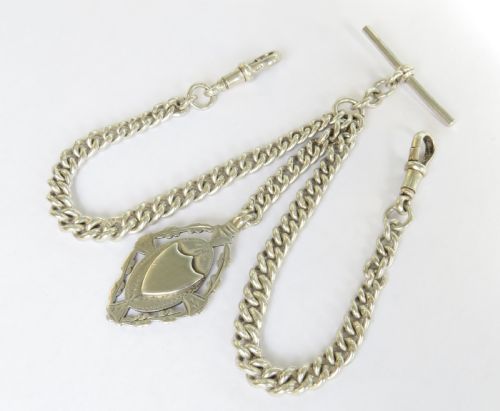
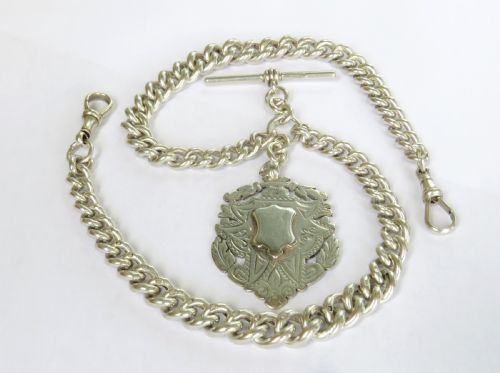
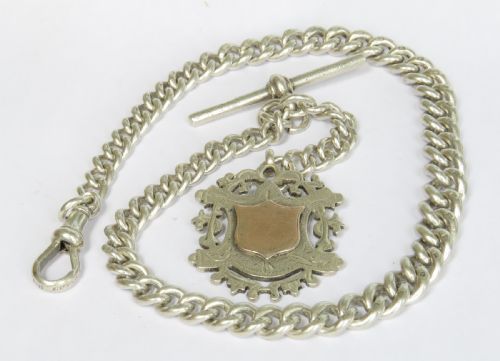
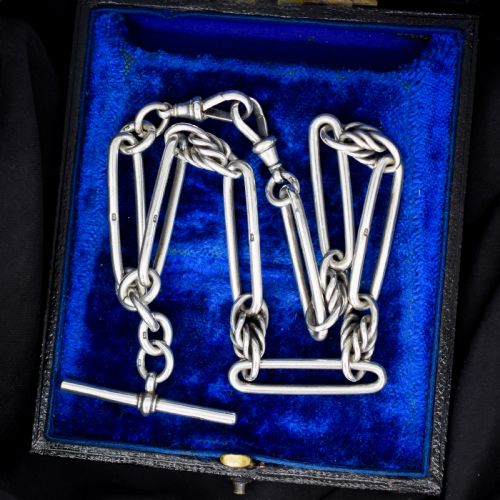
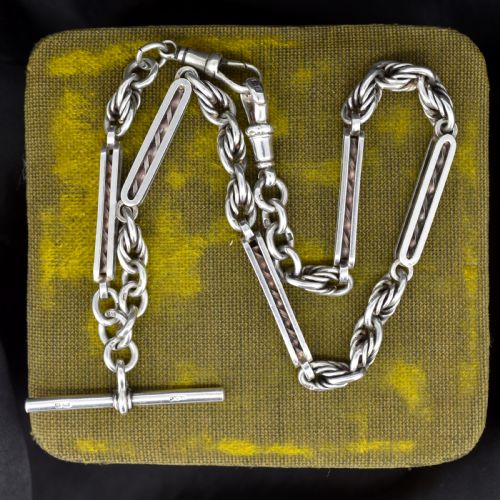
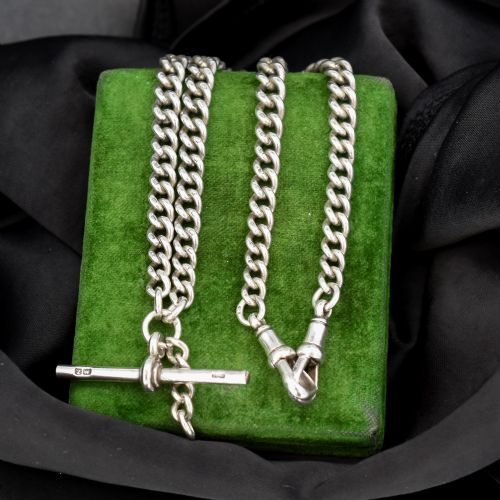
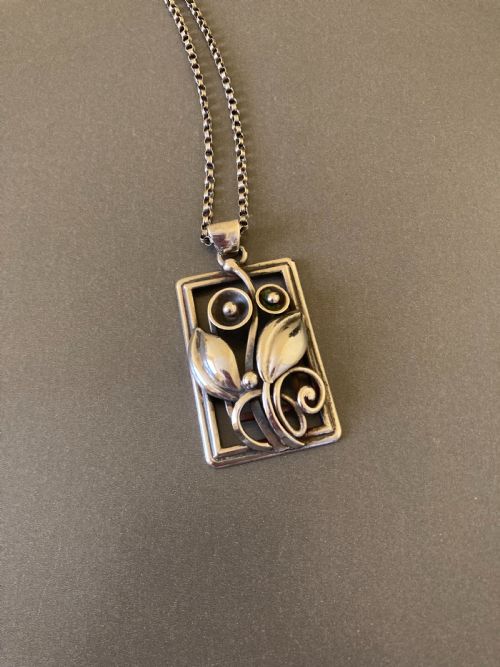
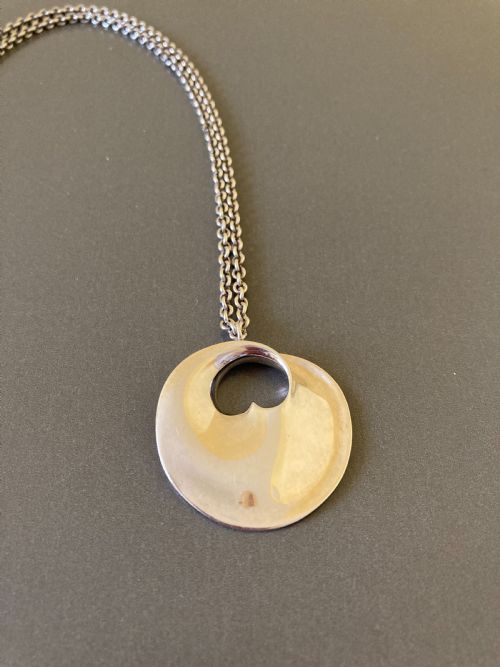
A sterling silver chain necklace encompasses a broad spectrum of historical neckwear, ranging from substantial pocket watch albert chains repurposed for daily wear to delicate Victorian collars and Edwardian pendant necklaces. You will frequently encounter heavy curb link albert chains featuring original dog clips and t-bars, alongside lighter Edwardian and Arts and Crafts pieces set with moonstones or enamel.
The selection bridges utilitarian pocket watch chains from the nineteenth and early twentieth centuries with decorative pendant necklaces spanning the Victorian era to the mid-century modern period. These items reflect changing fashions in silver smithing, moving from functional watch attachments to expressive jewellery designed to sit directly on the collar or chest.
What varies in quality
The distinction between ordinary and exceptional pieces lies in the weight of the silver, the complexity of the link construction, and the presence of clear hallmarks. Heavier curb and albert chains command attention through substantial gram weights and well-preserved structural components like swivel fobs and dog clips.
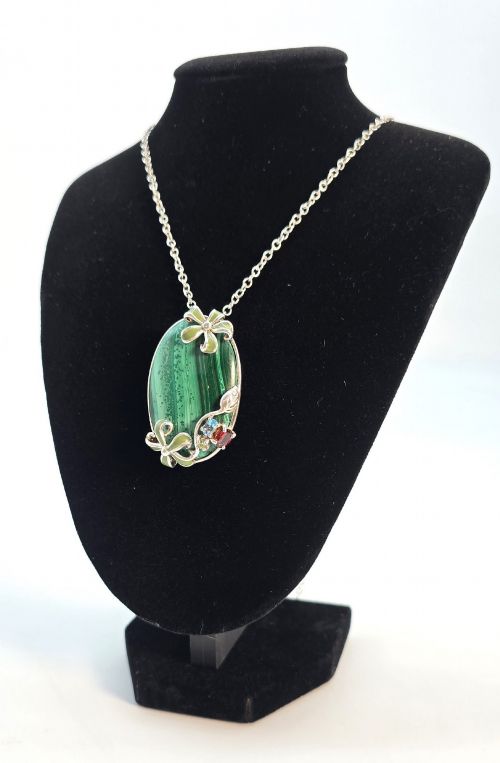
Artistic execution also dictates quality, particularly in Arts and Crafts and Art Nouveau pendants where hand-set stones and meticulous enamelling elevate standard silverwork into notable design. Pieces retaining their original components without replacement parts or thinning links represent the higher tier of the surviving selection.
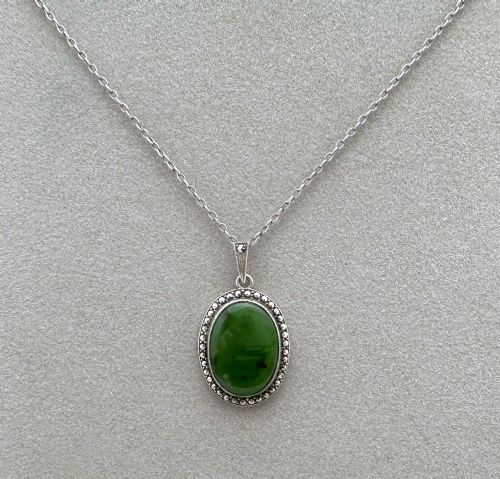
Materials paired with sterling silver across the inventory include moonstone, amber, enamel, jade, amethyst, opal, and bloodstone.
G. Hoppe·Georg Jensen·WH Haseler for Liberty and Co·Dorrie Nossiter
The Sterling Silver Chain Necklace Glossary
- Albert chain
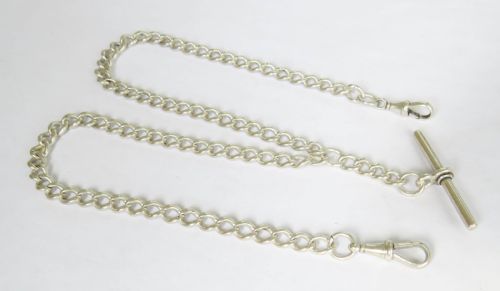
- A heavy watch chain originally designed to secure a pocket watch to a waistcoat, frequently converted for wear as a necklace. These chains often retain original t-bars and dog clips.
- Dog clip
- A spring-loaded snap hook attached to watch chains and necklaces, used to secure fobs, pendants, or the chain's own terminal link. They provide a reliable and distinct fastening method.
- T-bar
- A crossbar fastened to the centre of a watch chain, traditionally slid through a buttonhole to anchor a pocket watch. On converted necklaces, it hangs as a decorative front element.
- Book chain
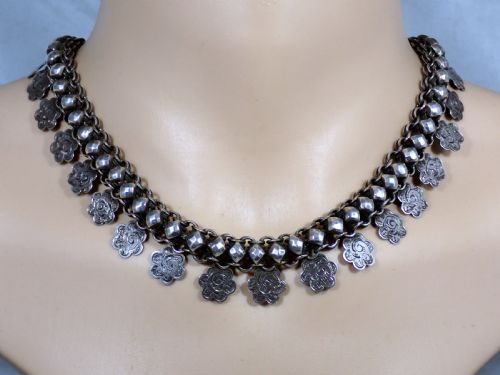
- A Victorian link style composed of folded rectangular metal panels resembling miniature book covers. These hollow links create a flat, architectural collar necklace.
- Fob
- A small ornament or seal attached to a watch chain, often set with bloodstone, carnelian, or engraved metal. They add weight and decorative interest to albert chains.
Sterling Silver Chain Necklace: Frequently Asked Questions
How do I wear an albert chain as a necklace?
Pocket watch albert chains make striking necklaces because of their substantial weight and varied link designs. You simply fasten the dog clip to one of the end links or a mid-point ring, allowing the t-bar to dangle as a decorative focal point at the front.
Many of these chains come in lengths between fourteen and twenty inches, making them sit comfortably on the collarbone. The original hardware, including swivel clips and fobs, remains fully functional for securing small pendants or charms.
What periods do these silver chains come from?
The pieces span from the late nineteenth century through the mid-twentieth century, capturing distinct design movements. Victorian and Edwardian examples often feature heavy curb links, engraved lockets, and intricate box link fringes.
Later items transition into the Arts and Crafts, Art Deco, and mid-century modern eras. These twentieth-century pieces frequently incorporate coloured stones like moonstone, amber, and amethyst within modernist or organic silver settings.
Are these necklaces made of solid silver?
The selection consists primarily of sterling silver and solid silver constructions, reflecting the standard for quality jewellery of these eras. Hallmarks stamped onto the links or components often verify the silver standard and manufacturing date.
Makers utilised solid silver wire and sheet to form durable curb links, trombone patterns, and hollow book chains. This robust material construction explains why so many nineteenth and twentieth-century chains survive intact today.
What is a dog clip on a silver chain?
A dog clip is a spring-loaded clasp shaped like a small clip, historically used to secure a pocket watch to an albert chain. On converted necklaces, this clip serves as the primary fastener or holds decorative fobs and pendants in place.
These clips are mechanical elements requiring a firm press on the internal spring lever to open. Their presence on antique chains indicates authentic period hardware rather than modern replacement catches.