


Mid Century Silver Pendant
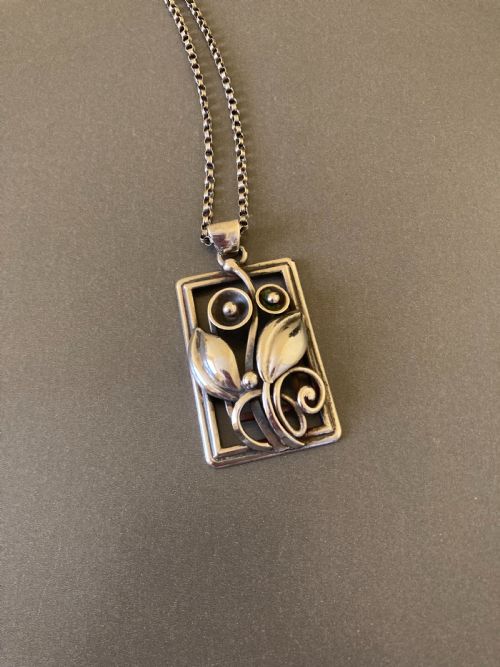
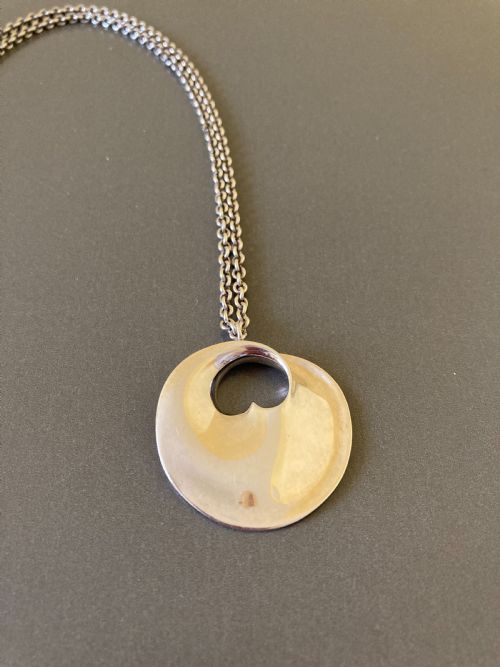
These mid century silver pendant designs bring together clean modernist lines, bright enamel, and polished stones from decades of postwar design.
Mid Century Silver Pendant
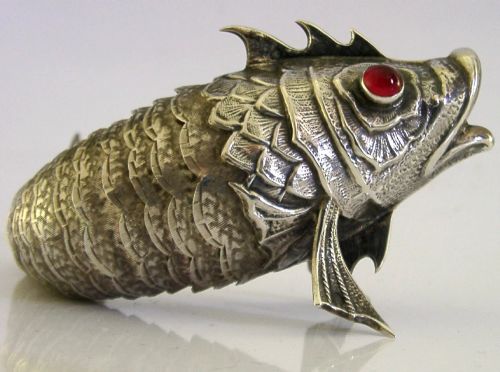
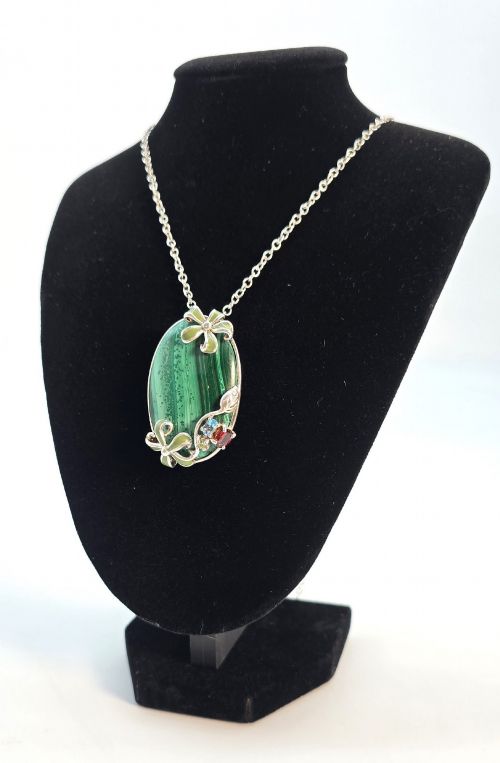
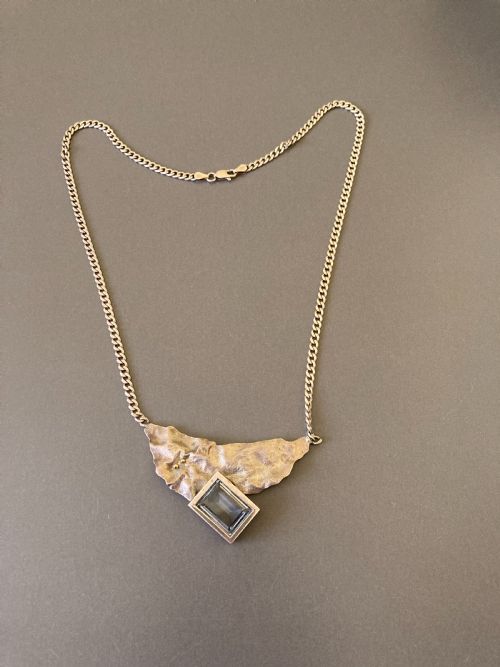
On this page, you are most likely to meet Danish silver pendant examples from the 1940s and 1960s, alongside Norwegian enamel pieces and sterling silver necklaces set with blue topaz, malachite, or Australian milk opal. The selection also includes novelty pieces like articulated fish alongside more typical wearable jewellery.
The aesthetic vocabulary draws on Scandinavian modern and Danish modern traditions, prioritising sculptural metalwork over excessive ornamentation. Makers range from renowned workshops to anonymous designers working within the broader mid-century modernist movement.
How They Were Made
The construction of these pieces relies on sterling silver and standard silver alloys, often worked into sheet or cast forms that highlight the cool lustre of the metal. Workshops utilised traditional smithing techniques alongside mechanical forming to achieve the sharp angles and smooth curves typical of the period.
Enamel work frequently provides vibrant colour accents, fused directly to the silver base in rich tones. Gemstones such as blue topaz, malachite, and milk opal are secured via bezel settings or claw mounts designed to hold the stones safely while maximising their exposure to light.
Pendant designs incorporate both Scandinavian modern styles and traditional Spanish silverwork.
What Varies in Quality
The distinction between standard and exceptional pieces rests upon the precision of the silver smithing and the sophistication of the design. Smoother bezel settings, crisper lines in geometric motifs, and more fluid articulation in pieces like the silver fish elevate certain examples above mass-produced items.
The choice of supplementary materials also dictates the overall standard of the work. High-grade vitreous enamel with deep colouration and well-matched natural stones such as milk opal or blue topaz represent a more ambitious level of craftsmanship than plain metal alternatives.
Georg Jensen·David-Andersen
The Mid Century Silver Pendant Glossary
- Sterling silver
- A silver alloy containing 92.5 percent pure silver and 7.5 percent other metals, usually copper, chosen to improve durability for daily wear. This standard forms the basis for the majority of mid-century jewellery listed here.
- Enamel
- A material made by fusing powdered glass to a metallic substrate at high temperatures, resulting in a smooth, glossy, and colourful coating. It appears frequently in Scandinavian designs to add vibrant hues.
- Bezel setting
- A method of holding a gemstone in place using a metal collar that wraps around the outer edge of the stone. This technique offers secure mounting while maintaining a clean, flush appearance.
- Articulated
- Designed with movable joints so that sections of the object shift independently. This technique is often seen in animal forms to create realistic movement.
Mid Century Silver Pendant: Frequently Asked Questions
Are these pendants original mid-century pieces?
The pieces originate primarily from the 1940s, 1950s, and 1960s, reflecting the key decades of the mid-century modern movement.
Design styles, hallmarks where present, and material choices align with the manufacturing practices of those specific periods.
What chains work best with these pendants?
Simple sterling silver chains that match the weight and finish of the pendant help maintain a balanced aesthetic. A medium-weight snake chain or a straightforward curb link complements the modernist lines of the jewellery.
Some pieces come complete with torque neck rings or original chains, which preserve the intended look of the design.
How do I identify Scandinavian modern jewellery?
Scandinavian modern pieces typically emphasise organic forms, minimalist structures, and a focus on the natural qualities of silver and enamel. They often dispense with excessive ornamentation in favour of clean, sculptural silhouettes.
Look for maker marks originating from countries like Denmark and Norway to confirm the geographic tradition.