






Sterling Silver Cap
When you search for a sterling silver cap, you are looking at metal closures fitted to glass bottles, flasks, and novelties from the Victorian period through the mid-twentieth century.
Sterling Silver Cap
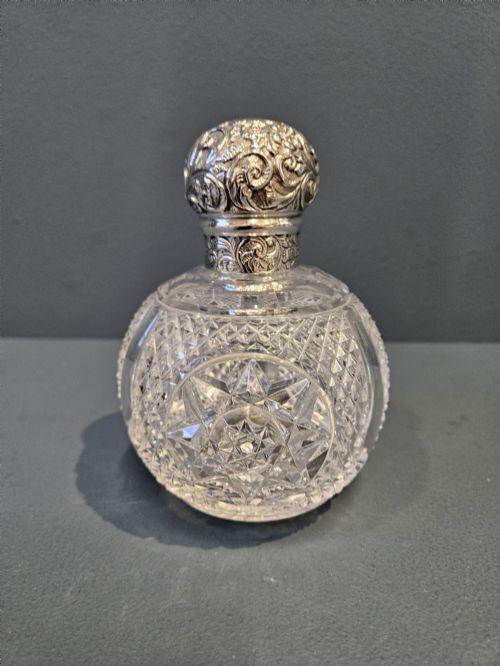
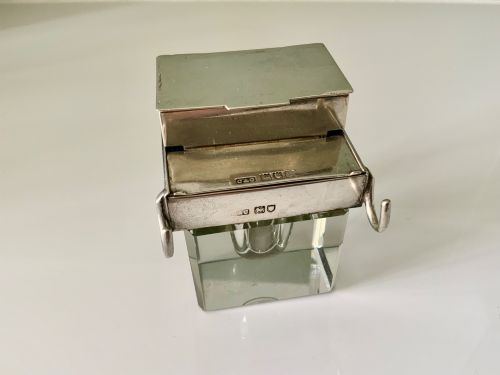
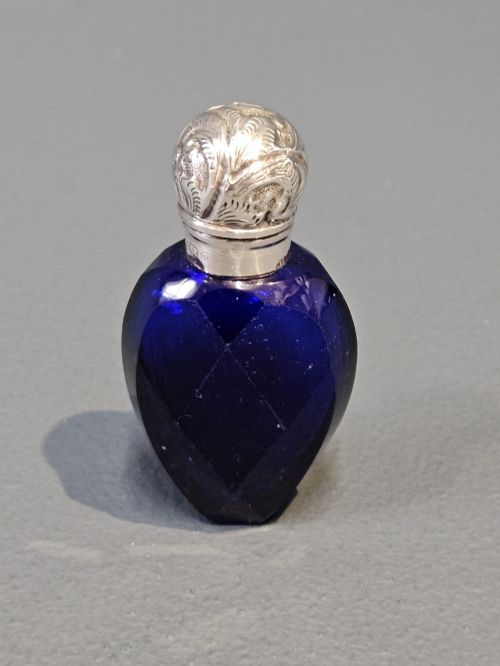
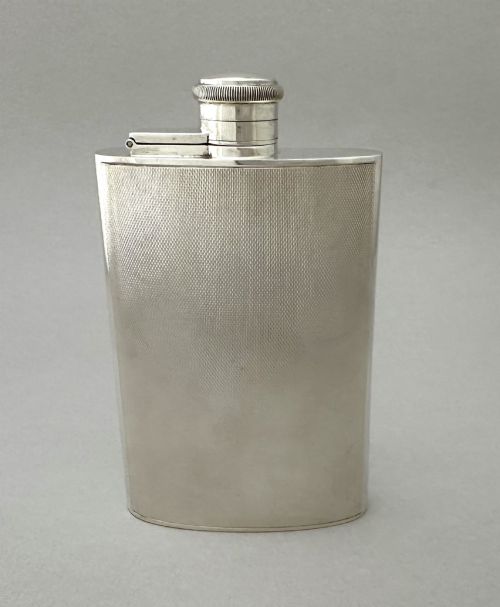
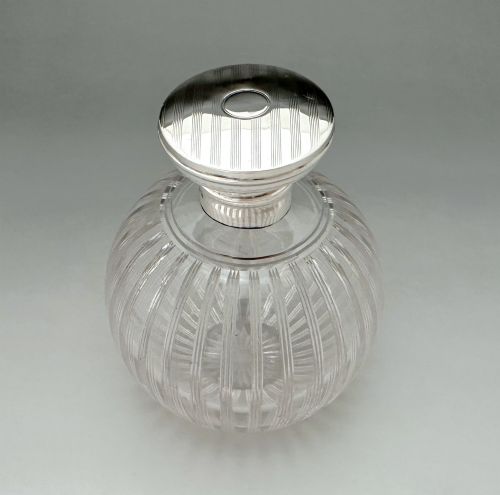
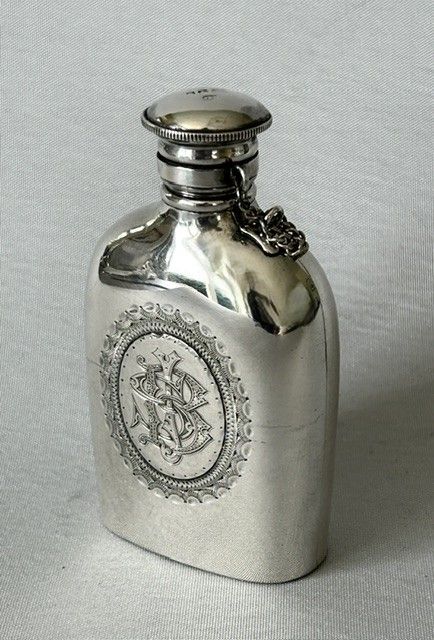
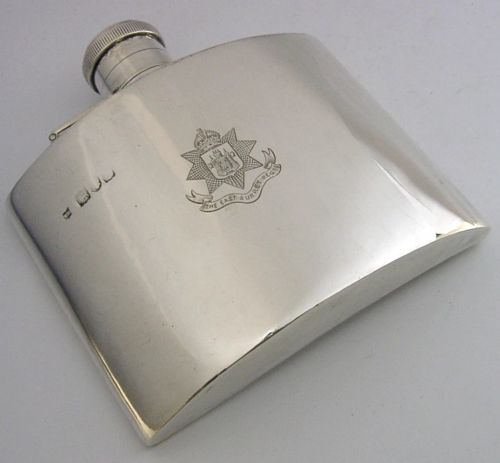
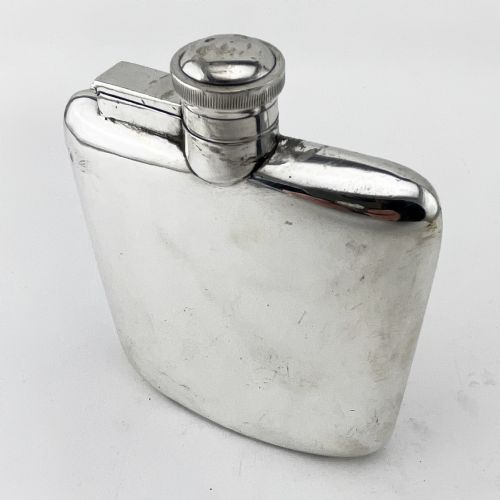
A sterling silver cap primarily tops functional containers such as hip flasks, scent bottles, and cocktail shakers, alongside novelty items like jockey cap caddy spoons and pin cushions. These objects span from the late nineteenth century into the mid-twentieth century, capturing utilitarian design from the Victorian, Edwardian, and Art Deco periods.
The most common forms on this page include glass hip flasks featuring removable silver cups, glass scent bottles with screw or hinged silver lids, and leather-wrapped containers. Novelty items shaped as jockey caps also appear frequently in both caddy spoon and pin cushion formats, reflecting equestrian themes popular in earlier decades.
How they were made
Materials combine sterling silver with clear, cut, cranberry, or green overlay glass, alongside crocodile leather and crocodile skin wrappers. Metals are shaped through smithing and casting, then hallmarked in cities such as Birmingham, Sheffield, Chester, and London.
Glass components utilise mould-blowing and hand-cutting techniques to create facets on flasks and perfume bottles. Leather is stitched and fitted tightly around glass bodies to secure the metal caps and collars.
Sterling Silver Cap Retail Price Guide 2026
Typical asking prices for sterling silver cap among the pieces listed under this phrase on Sellingantiques today, from the lower quarter to the upper quarter. They describe what is for sale here now, not the wider market.
Listings feature sterling silver combined with cut glass, cranberry glass, and crocodile leather from the Victorian and Art Deco eras.
What varies in quality
Quality rests on the weight of the sterling silver used in the cap and mounts, alongside the precision of the hinge or screw thread mechanism. Substantial metal thickness and crisp hallmarks indicate higher production standards.
The integration between the silver cap and the underlying glass, leather, or ceramic body demonstrates maker skill. Tightly fitted collars and well-preserved cut glass facets elevate the overall standard of the piece.
William Neale·Hukin & Heath·JB Chatterley & Sons·James Dixon·Asprey
The Sterling Silver Cap Glossary
- Hallmark
- Official marks stamped on precious metals to indicate purity, place of assay, and date of manufacture. These stamps provide a reliable method for dating silver caps and mounts.
- Caddy spoon
- A short spoon designed for measuring tea leaves from a caddy, often featuring decorative bowls shaped like jockey caps. They date predominantly from the Georgian and Victorian eras.
- Hip flask
- A thin container for holding liquor, curved to fit the pocket and fitted with a secure silver cap or removable cup. Many surviving examples pair glass bodies with leather sleeves.
- Pin cushion
- A small household accessory, frequently cast in novelty forms such as caps or hats to hold sewing pins. They combine silver bases with upholstered inserts.
- Vesta case
- A small pocket container used to hold matches, fitted with a hinged lid and striker. They are commonly marked with silver standards.
Sterling Silver Cap: Frequently Asked Questions
How do I clean a silver cap?
Clean sterling silver caps using a soft cloth and dedicated silver polish, taking care to avoid harsh abrasives on any surrounding glass or leather. Gentle wiping preserves the original hallmarks stamped into the metal.
Keep moisture away from glued joints or leather wraps during the cleaning process. A soft brush helps remove polish residue from engraved details or screw threads.
Are these caps removable?
Many silver caps on flasks and perfume bottles are designed to screw off or lift via a hinged mechanism. Some styles incorporate a separate removable cup at the base of the flask.
Older mechanisms require gentle handling to prevent damage to the internal cork or washer linings. Do not force stuck caps, as vintage threads can easily cross.
How do I date a silver cap?
Dating relies on the assay office hallmarks stamped directly onto the silver surface. These letter codes and symbols match official registry records for towns like Birmingham, Sheffield, and London.
Stylistic cues such as Art Deco geometric lines or Victorian chased decoration also narrow down the manufacturing decade. Comparing the design to known periods helps confirm the timeline.
What was a jockey cap caddy spoon used for?
Jockey cap caddy spoons served to measure loose tea leaves from storage containers into teapots. Their novelty shapes reflected the popularity of horse racing in the Georgian and Victorian periods.
Collectors prize these miniature caps for their detailed peak and button styling. They were kept alongside tea caddies on the dining table.