

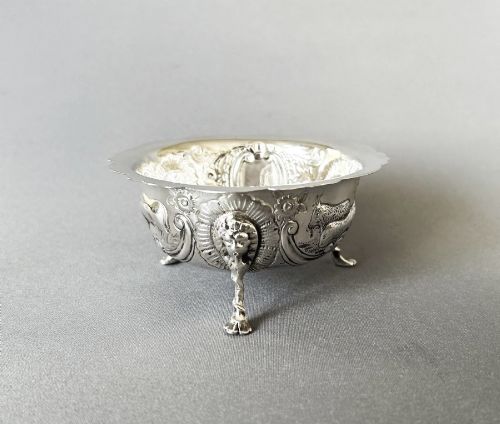
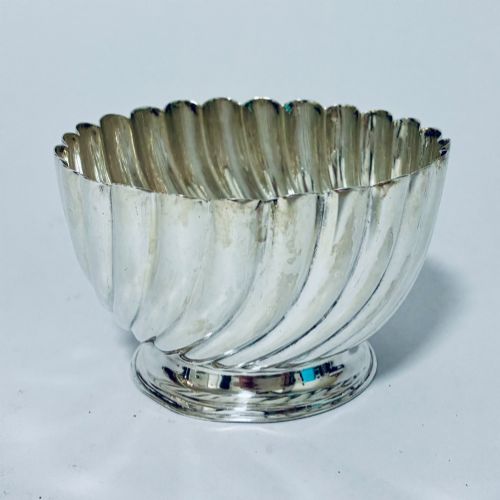
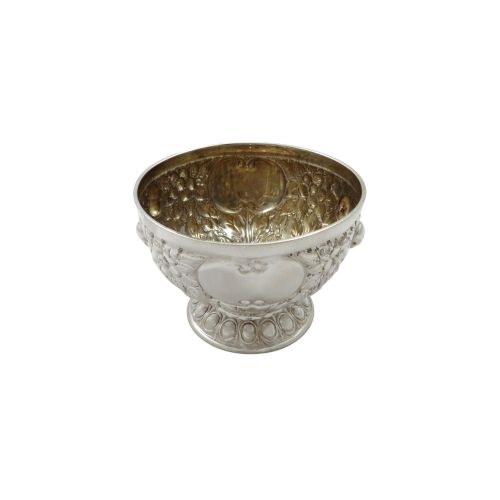


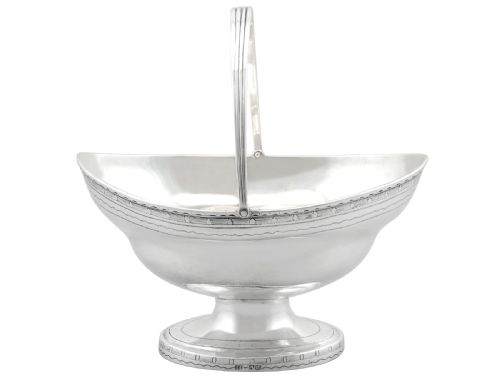
Sterling Pedestal Bowl
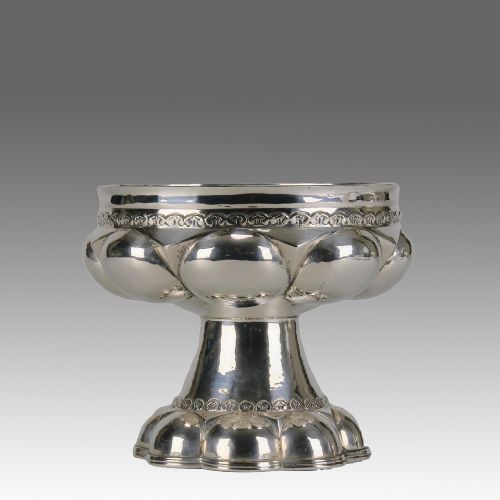
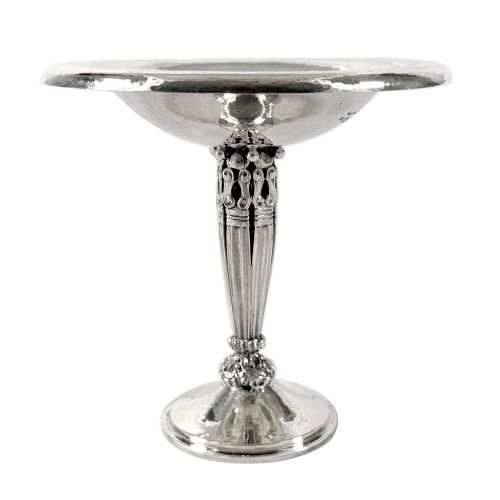
A sterling pedestal bowl brings elevation and presence to a table, offering deep bowls raised on structured feet for display or service.
Sterling Pedestal Bowl
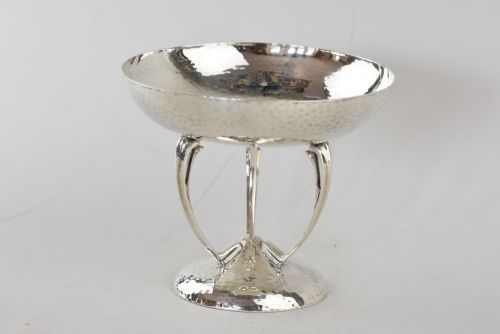
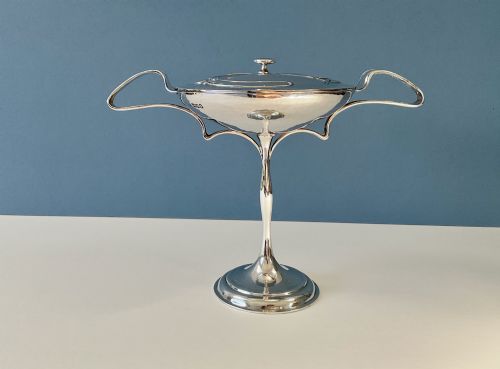
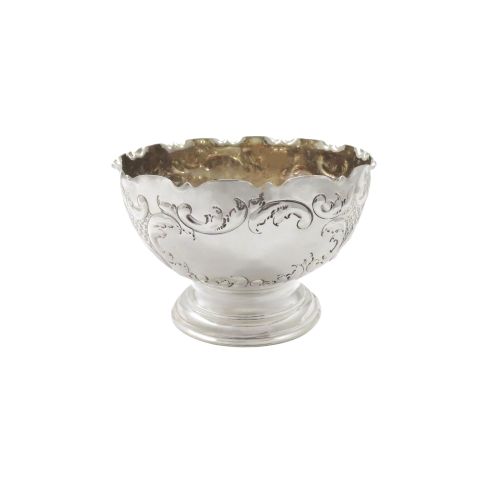
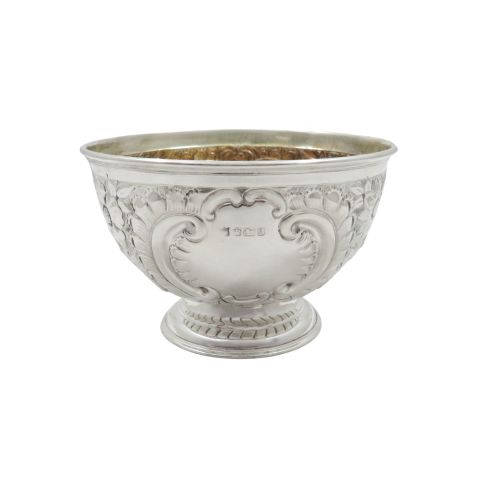
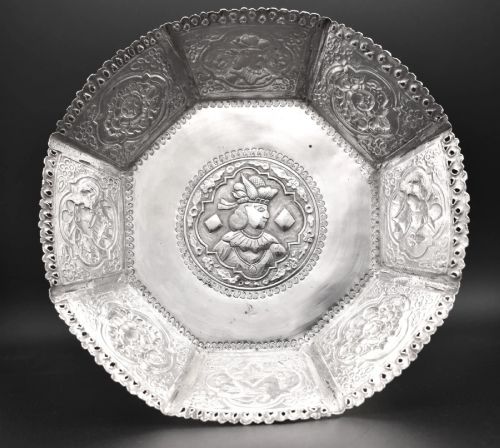
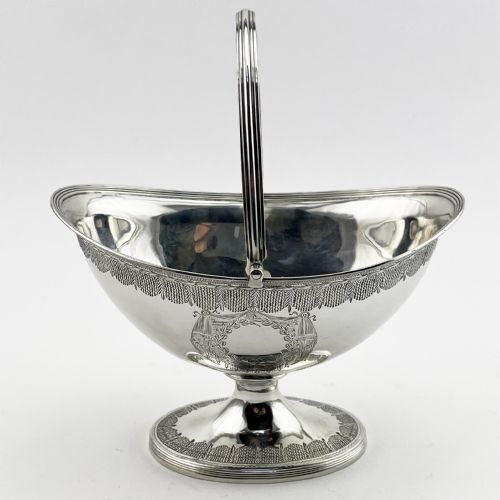
The selection includes pieces originating from English assay offices alongside regional Scottish and Anglo-Indian examples. Forms vary from simple geometric profiles to ornate pierced baskets and presentation bowls set upon solid pedestals.
How they were made
Silversmiths formed these vessels predominantly from sterling silver, solid silver, and gilt silver, occasionally incorporating glass liners or interior gilding. Techniques relied on traditional hand-crafting methods, including piercing, fretwork, hammering, and repoussé decoration.
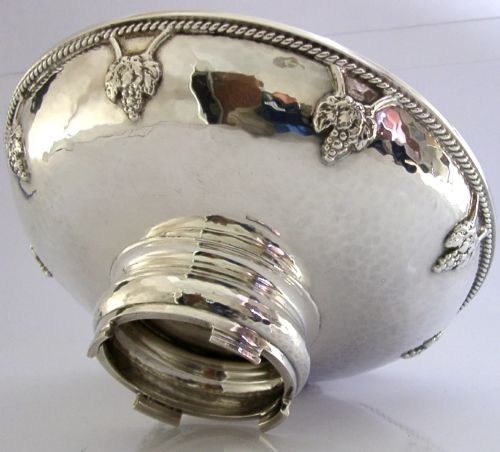
Pedestal feet and bases were often constructed separately and attached securely to the main bowl body. Surface ornamentation frequently utilised lattice patterns, chased details, and smooth polished finishes executed by major workshops.
Sterling Pedestal Bowl Retail Price Guide 2026
Typical asking prices for sterling pedestal bowl among the pieces listed under this phrase on Sellingantiques today, from the lower quarter to the upper quarter. They describe what is for sale here now, not the wider market.
Listings span from the late eighteenth century through the mid-twentieth century, featuring solid silver, gilt silver, and glass combinations.
What varies in quality
Quality in these raised vessels rests on the balance of proportions between the bowl and its supporting foot. Substantial metal weight and crispness in chased or pierced details separate standard production items from masterworks.
The integrity of maker marks and clear hallmarks contribute significantly to the standing of a piece. Hand-hammered surfaces and well-executed structural joints indicate superior workshop execution.
Viners and Co·A E Jones·Goldsmiths and Silversmiths Company·Nathan and Hayes·Charles Boyton·Joseph Rodgers·Walker and Hall·Hammond Creake and Co·Elkington and Co·Alexander Clarke and Co·James Dixon and Sons
The Sterling Pedestal Bowl Glossary
- Sterling silver
- An alloy consisting of pure silver and other metals, traditionally copper, meeting a specific fineness standard.
- Tazza
- A shallow saucer-like dish mounted on a stem and foot, frequently utilised for serving fruit or sweets.
- Repoussé
- A metalworking technique where the smith hammers the design from the reverse side to form a raised pattern in relief.
- Hallmark
- An official mark stamped on items to verify the metal purity and indicate the maker and assay office.
- Monteith
- A large bowl characterised by a scalloped or notched removable rim, historically used for chilling wine glasses.
Sterling Pedestal Bowl: Frequently Asked Questions
What were pedestal bowls used for?
These elevated vessels served multiple functions in period dining, ranging from holding sugar and bonbons to displaying fruit or acting as floral centrepieces.
Larger versions functioned as presentation pieces or sporting trophies, while smaller dishes graced tea tables for sweets and potpourri.
How do I date a silver bowl?
Dating relies heavily on the stamped hallmarks, which include specific letters denoting the year of assay alongside maker marks.
Stylistic indicators such as Art Deco geometric lines or Victorian rococo revival scrolls also help place the piece within a broad historical decade.
Are glass liners original?
Many sugar baskets and sweet dishes were manufactured with fitted glass liners to protect the silver from acidic contents.
Original liners match the interior contours precisely, though replacements are common in pieces of this age.
How should I clean silver?
Routine maintenance requires a soft cloth and a reputable silver polish formulated to remove tarnish without abrading the metal surface.
Avoid harsh dips that strip historical patina, and wash the item gently in warm soapy water afterwards.